
The allure of Hawaii is undeniable. Pristine beaches, lush rainforests, and dramatic volcanic landscapes beckon millions of travelers each year, offering a mosaic of experiences that cater to every lifestyle, from luxury escapes to budget-friendly family trips. Yet, beneath the surface of this paradise lies a profound geological story, a testament to millions of years of dynamic Earth processes. To truly appreciate the Hawaiian Islands — their unique ecosystems, breathtaking landmarks, and vibrant local culture — one must first understand their age, a timeline etched in volcanic rock and shaped by the relentless forces of nature.

Far from being static landmasses, the Hawaiian Islands are the visible tips of a massive underwater mountain range, constantly being born, growing, and slowly eroding back into the ocean. Their ages vary dramatically, creating a captivating geological gradient from fiery, nascent landforms to ancient, deeply eroded remnants. This age difference isn’t just a scientific curiosity; it profoundly influences everything from the available attractions and the types of accommodations you’ll find to the very fabric of local tourism and the adventurous experiences on offer.
The Geological Clock: How Hawaii Was Born
The story of Hawaii’s age begins deep within the Earth, far from any tectonic plate boundary. Unlike most island chains formed by the collision or separation of continental plates, the Hawaiian Islands owe their existence to a phenomenon known as the “hotspot theory.” Imagine a fixed plume of superheated magma rising from the Earth’s mantle, persistently burning through the overlying crust. As the massive Pacific Plate, upon which the islands sit, slowly drifts northwestward, it carries each newly formed island away from this stationary hotspot, allowing a new one to begin its formation.
This continuous conveyor belt mechanism means that the islands are progressively older the further northwest they are from the hotspot. The youngest islands are directly over or very near the hotspot, still actively growing with volcanic eruptions. As they move away, volcanic activity ceases, and the forces of wind, rain, and ocean erosion begin their slow, relentless work, sculpting the islands into the diverse landscapes we see today. This geological clock provides a unique framework for understanding the entire archipelago, from its active volcanoes to its ancient, coral-fringed atolls.
A Journey Through Time: Island by Island
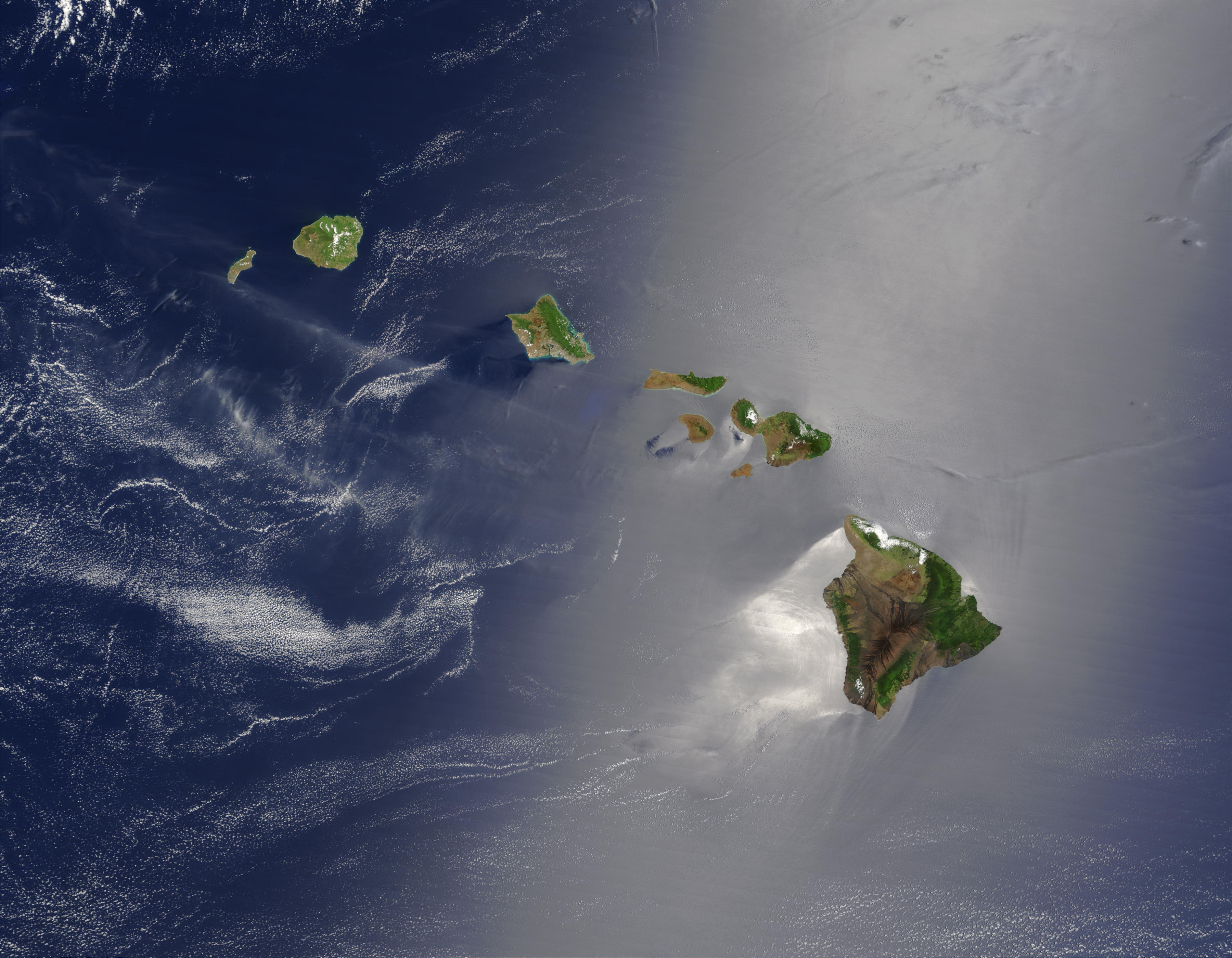
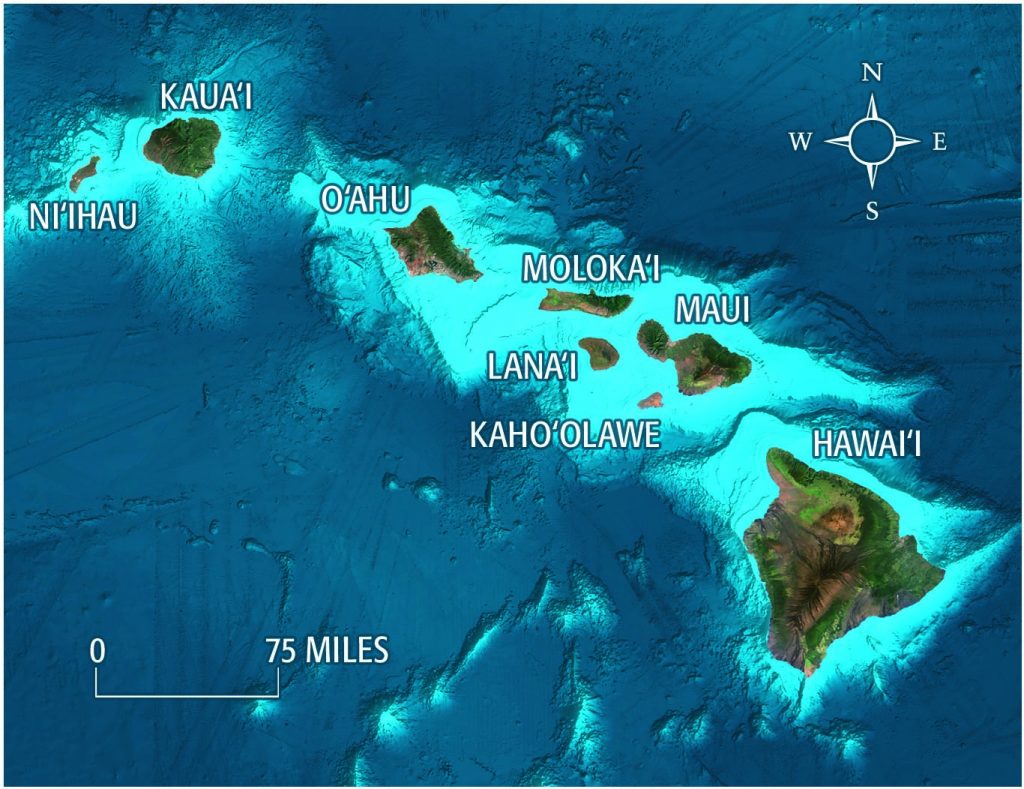
Understanding the relative ages of the main Hawaiian Islands provides a fascinating itinerary for any traveler looking to connect with the land’s history. Each island offers a distinct chapter in this geological saga, influencing its natural beauty, biodiversity, and the unique experiences it provides.
The Big Island (Hawaii Island): The Youngest and Still Growing
The youngest and largest of the islands is Hawaii Island, often called the Big Island, which began forming less than 700,000 years ago. It’s still very much a work in progress, boasting two of the world’s most active volcanoes: Kilauea and Mauna Loa. Here, visitors can witness the raw power of creation at Hawaii Volcanoes National Park, where molten lava frequently meets the sea, adding new land to the island. This extreme youth results in stark, dramatic landscapes, black sand beaches, and a vibrant, untamed feel. For travelers, this means unique attractions focused on volcanic activity, stargazing from high elevations, and a sense of being on the frontier of land formation. Accommodations range from eco-lodges near the park to luxury resorts in Kona or Hilo, offering a base to explore this geologically dynamic destination.
Maui: The Valley Isle, Growing Older Gracefully
To the northwest of Hawaii Island lies Maui, estimated to be between 1.3 and 1.9 million years old. While its volcanoes are now dormant, particularly the massive Haleakala crater, its age allows for a more developed landscape characterized by lush valleys and stunning coastlines. Maui perfectly blends volcanic heritage with natural beauty, offering diverse experiences from sunrise views atop Haleakala to exploring the scenic Road to Hana. The island’s age has allowed for significant erosion, creating fertile valleys and enabling the growth of diverse flora. Maui is a popular tourist destination, known for its world-class resorts, such as those found in Lahaina, beautiful beaches, and vibrant local culture, making it a prime spot for luxury travel and family trips alike.
Molokai and Lanai: The Secluded Siblings
Adjacent to Maui are the islands of Molokai (1.8-1.9 million years old) and Lanai (1.3 million years old). Their proximity and similar ages mean they share some geological characteristics, though their development has taken different paths. Molokai retains a strong sense of traditional Hawaii, with its dramatic sea cliffs and a focus on preserving its local culture, offering a tranquil escape. Lanai, once a pineapple plantation, now hosts upscale resorts, catering to a more exclusive lifestyle. Both islands, due to their age, show more signs of erosion than Hawaii Island, but less than the older islands, offering a blend of rugged beauty and emerging verdant landscapes.
Oahu: The Heart of Hawaii, A Blend of Old and New
Oahu, home to the capital city of Honolulu and the iconic Waikiki Beach, is approximately 3.4 to 3.7 million years old. This age has allowed for significant erosion, carving out its famous landmarks like Diamond Head and the lush Koʻolau and Waianae mountain ranges. Oahu’s age also means its volcanic activity has long ceased, making way for extensive coral reef development and the creation of its renowned surf breaks. The island represents a perfect balance: ancient geological foundations supporting a bustling modern hub. It’s a major destination for tourism, offering everything from historical sites like Pearl Harbor to luxury accommodations and diverse cultural experiences, making it a magnet for all types of travelers.
Kauai: The Garden Isle, Ancient Beauty
The oldest of the main inhabited islands, Kauai, is around 5.1 million years old. Its considerable age has subjected it to millions of years of relentless erosion, resulting in incredibly dramatic and verdant landscapes. Known as the “Garden Isle,” Kauai features the majestic Na Pali Coast with its towering cliffs and deep, inaccessible valleys, and the awe-inspiring Waimea Canyon, often called the “Grand Canyon of the Pacific.” The long period of erosion has created an intricate network of rivers and waterfalls, supporting an incredibly rich ecosystem. Kauai appeals to travelers seeking rugged natural beauty, outdoor adventure, and a more serene, less developed atmosphere, with accommodations ranging from charming bungalows to luxury resorts nestled amidst its tropical splendor.
Beyond the Main Eight: The Northwestern Hawaiian Islands
The geological story doesn’t end with Kauai. Stretching thousands of miles northwest are the Northwestern Hawaiian Islands, a chain of increasingly ancient atolls, islets, and submerged seamounts. These islands range in age from 7 to over 30 million years, gradually subsiding and eroding until they become coral atolls and eventually disappear beneath the waves, leaving only flat-topped seamounts. These remote, protected areas are critical wildlife habitats and represent the culmination of the Hawaiian Islands’ geological lifecycle. They form part of the Hawaiian Ridge, which then transitions into the even older Emperor Seamount Chain, a vast underwater mountain range that traces the long history of the Pacific Plate’s movement over the Hawaii hotspot.
The Age-Old Connection: Tourism, Landmarks, and Lifestyle
The varying ages of the Hawaiian Islands are not merely academic facts; they are the fundamental architects of the diverse travel experiences available. This geological progression shapes every aspect of tourism, influencing the unique landmarks, the types of activities, and even the choices of accommodation that define each island’s character.
Landscapes Shaped by Time: Attractions and Exploration
The geological timeline dictates the very fabric of each island’s attractions. On the young Hawaii Island, the emphasis is on raw, volcanic power. Travelers can explore active lava fields, witness land being created, and hike across recent lava flows—experiences unique to a geologically active landmass. Landmarks here are primarily natural and dynamic, constantly changing with each eruption. In contrast, on older islands like Kauai, the focus shifts to landscapes profoundly shaped by millions of years of erosion. Here, attractions center around verdant cliffs, deep canyons, and lush waterfalls, inviting visitors to hike through ancient rainforests or kayak along serene rivers.
Maui and Oahu, with their intermediate ages, offer a blend. Maui boasts the dormant volcanic crater of Haleakala, offering stunning sunrises and unique desert-like ecosystems at its summit, alongside deeply eroded valleys and world-renowned beaches. Oahu combines the iconic eroded volcanic cone of Diamond Head with the historical depths of Pearl Harbor, showcasing how human history has intertwined with the geological foundation. This diversity means that whether you seek the thrill of seeing new land being formed or the tranquility of ancient, lush landscapes, Hawaii offers a destination tailored to your preference.
Accommodations and Experiences: Tailoring Your Stay
The geological age also plays a significant role in the type of accommodation and lifestyle experiences available. On Hawaii Island, the newer geological formations often mean more remote areas for eco-lodges and smaller, boutique hotels focused on sustainable tourism and proximity to natural wonders. Resorts in Kona often leverage the dramatic coastline, offering views of newer lava flows. Older, more stable islands like Oahu and Maui have had ample time for extensive infrastructure development. Here, you’ll find a wider array of options, from sprawling luxury resorts on Waikiki Beach or in Lahaina to diverse hotel suites, apartments, and villas catering to various budgets and preferences. These islands have cultivated a more mature tourism industry, with a greater emphasis on amenities, fine dining, and entertainment alongside their natural attractions.
For those pursuing a particular lifestyle, the age of the island can guide their choice. Budget travelers might find more affordable long-term stay options on Oahu due to its larger population and established urban centers. Luxury travelers might gravitate towards the exclusive resorts on Lanai or the pristine beachfront properties on Maui, where the landscape has been sculpted into picturesque perfection over millions of years. Family trips might benefit from the wide range of activities and easily accessible attractions on Oahu, while adventurers might prefer the rugged, less developed trails of Kauai or the active volcanoes of Hawaii Island.
Cultural Roots in Ancient Lands
The very age and formation of the islands also deeply influenced the local culture and the way Polynesians settled and interacted with their environment. The distinct ecological zones created by varying ages and elevations led to unique agricultural practices, traditional stories, and spiritual connections to the land. For instance, the younger, drier slopes of Hawaii Island presented different challenges and opportunities than the lush, ancient valleys of Kauai. Understanding this geological backdrop enriches the experience of engaging with Hawaiian traditions, food, and activities, offering a deeper appreciation for the resilience and ingenuity of its people.
An Ever-Evolving Paradise
The Hawaiian Islands are a living laboratory of geological processes, a vibrant testament to the Earth’s continuous transformation. Their ages, ranging from barely born to ancient and eroded, create a breathtaking spectrum of landscapes, ecosystems, and human experiences. From the fiery, active volcanoes of Hawaii Island to the verdant, cliff-lined shores of Kauai, each island tells a unique story etched in rock and time.
For anyone planning a trip to this extraordinary archipelago within the United States, understanding “how old are the islands of Hawaii?” isn’t just a matter of scientific curiosity. It’s a key to unlocking a richer, more profound travel experience. It allows you to choose your destination not just by its appealing images, but by its geological essence, guiding you to the perfect blend of adventure, relaxation, cultural immersion, and natural wonder that only these ancient, yet ever-evolving, islands can provide. Embark on a journey through Hawaii, and you embark on a journey through millions of years of Earth’s magnificent history.
LifeOutOfTheBox is a participant in the Amazon Services LLC Associates Program, an affiliate advertising program designed to provide a means for sites to earn advertising fees by advertising and linking to Amazon.com. Amazon, the Amazon logo, AmazonSupply, and the AmazonSupply logo are trademarks of Amazon.com, Inc. or its affiliates. As an Amazon Associate we earn affiliate commissions from qualifying purchases.