
Hawaii, a name synonymous with tropical paradise, evokes images of sun-drenched beaches, swaying palm trees, and the warm embrace of the Pacific Ocean. For anyone planning a visit to these enchanting islands, understanding “What’s The Weather In Hawaii?” is paramount to curating the perfect travel experience. Unlike many destinations with distinct four seasons, Hawaii boasts a remarkably consistent and pleasant climate year-round, yet it offers fascinating variations that cater to every type of traveler and lifestyle. From the bustling streets of Honolulu to the serene shores of Maui, the weather influences everything from your packing list to your daily itinerary, making it a crucial element in planning your dream Hawaiian getaway.
Understanding Hawaii’s Climate: A Tropical Paradise with Nuances
Hawaii’s geographical location within the tropics, combined with its unique volcanic topography, creates a climate that is both consistently warm and surprisingly diverse. This duality is what truly defines the islands’ weather patterns, offering a spectrum of experiences for those seeking everything from vibrant tourism activities to tranquil accommodation.
The Basics: Warmth, Humidity, and Sunshine Year-Round
At its core, Hawaii’s climate is tropical. This means warm temperatures prevail throughout the year, typically ranging from the mid-70s to mid-80s Fahrenheit (24-30°C) during the day and dropping comfortably into the 60s Fahrenheit (18-22°C) at night. The influence of the persistent northeast trade winds acts as a natural air conditioner, providing a refreshing breeze that mitigates the humidity and keeps the islands from feeling oppressively hot. These winds are a cornerstone of the Hawaiian weather experience, shaping everything from ocean conditions to local rainfall patterns.
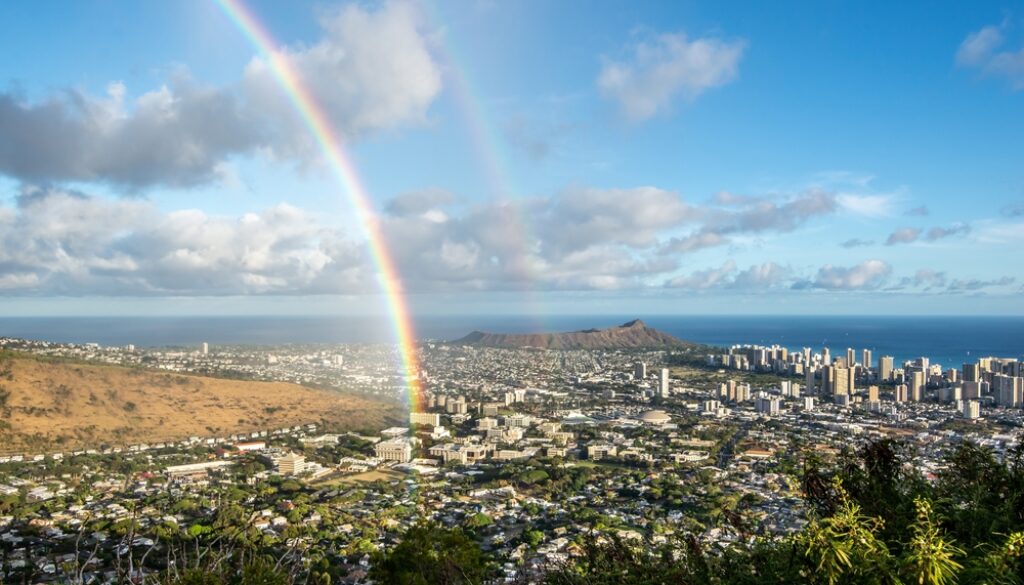
Humidity is a constant companion in the tropics, yet in Hawaii, it’s often more pleasant than many other equatorial regions, thanks to those trade winds. Sunshine is abundant, and even during the wetter months, most days feature plenty of clear skies, often with brief, passing showers that give way to stunning rainbows – a quintessential Hawaiian sight. There aren’t traditional “seasons” in the temperate sense; instead, locals and seasoned travelers refer to a “dry” and “wet” season, though even these distinctions are subtle in comparison to mainland climates. This consistent warmth makes Hawaii an ideal destination for various lifestyles, from luxury travel seeking endless sunshine to budget travel looking for reliable beach weather.
Microclimates: Hawaii’s Hidden Weather Secret
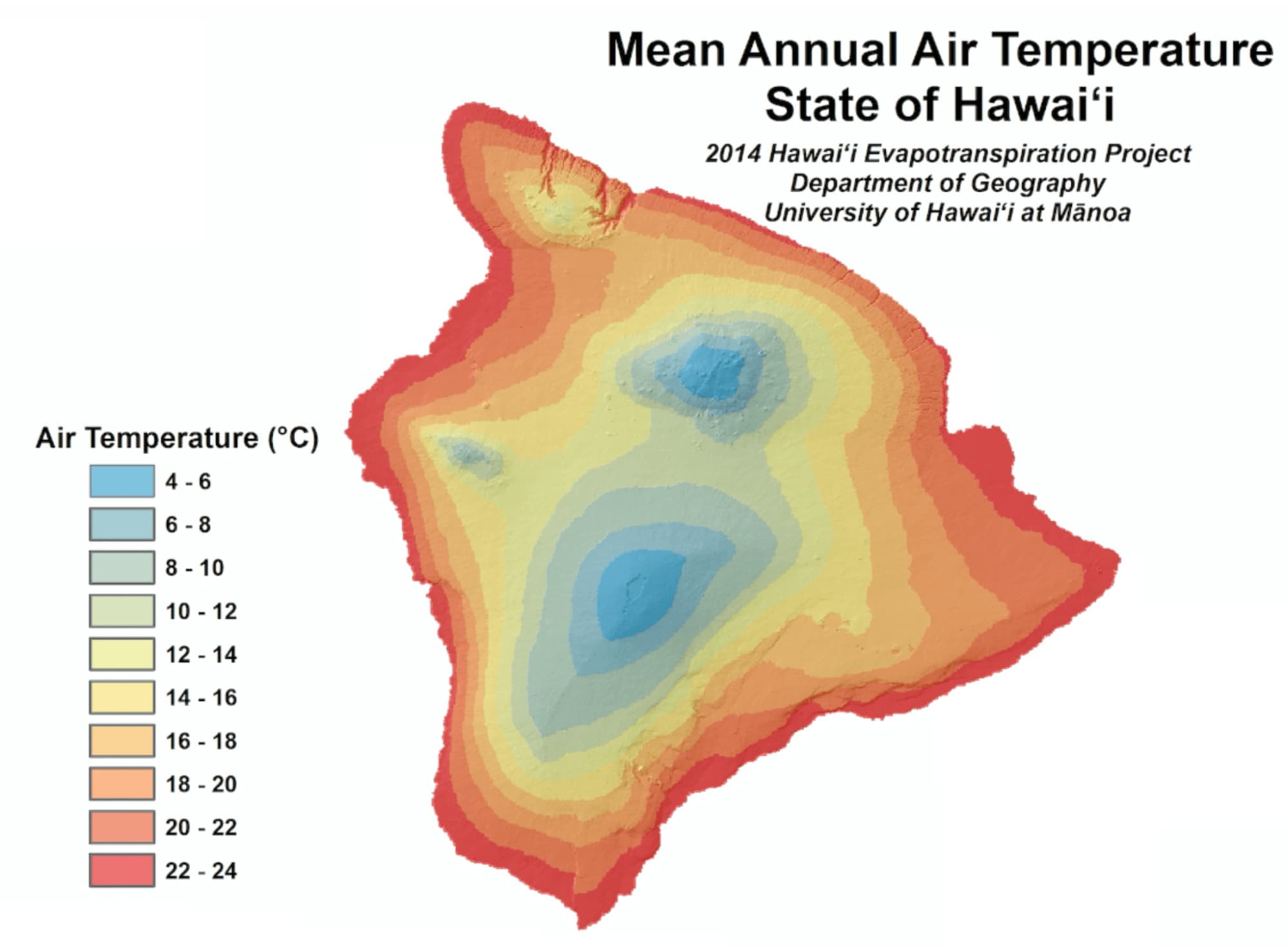
The most captivating aspect of Hawaii’s weather, and arguably its most important for travelers, is the phenomenon of microclimates. The towering volcanic mountains on each island create dramatic variations in weather over short distances. As the moist trade winds hit the mountain slopes, they are forced upwards, cool, and condense, creating rain on the windward (northeast-facing) sides of the islands. As the air descends on the leeward (southwest-facing) sides, it warms and dries, resulting in sunny, arid conditions.
This means you could be experiencing a lush rainforest downpour in Hilo on the Big Island, while just a short drive away on the Kona Coast, it’s perfectly sunny and dry. Similarly, Waikiki on Oahu enjoys consistently sunny weather, making it ideal for the numerous hotels and resorts like the Hilton Hawaiian Village Waikiki Beach Resort, while the North Shore of Oahu might be experiencing more passing showers, contributing to its verdant beauty. Maui’s North Shore around Paia is greener than the dry resort areas of Wailea and Ka’anapali. Even more dramatically, high-elevation landmarks like Mauna Kea on the Big Island or Haleakala on Maui can experience near-freezing temperatures and even snow during winter months, a stark contrast to the beach scene below. Understanding these microclimates is key to choosing the right destination or even the right side of an island for your preferred activities and accommodation type.
Seasonal Variations: When to Visit for Your Ideal Weather
While Hawaii enjoys a generally consistent climate, there are subtle seasonal shifts that can influence your travel plans, particularly concerning rainfall, ocean conditions, and tourism crowds. These variations are important considerations whether you’re planning a romantic getaway, a family trip, or a business stay.
The Dry Season (Summer: May to October)
The dry season, often referred to as summer, spans from May to October. During these months, Hawaii experiences its warmest and driest weather. Rainfall is minimal, especially on the leeward coasts, making it the perfect time for sun worshippers and beach lovers. Temperatures average in the high 80s Fahrenheit (around 30-31°C), and humidity is slightly lower. Ocean conditions tend to be calmer, particularly on the south-facing shores, which are popular for swimming, snorkeling, and diving. This is an ideal time to explore attractions like Hanauma Bay Nature Preserve or enjoy the pristine beaches of Lanikai.
However, the dry season also coincides with peak tourist periods, especially during school holidays and summer vacations. This means higher prices for flights, hotels, and other accommodations, such as the luxurious Grand Hyatt Kauai Resort & Spa or the Four Seasons Resort Maui at Wailea. Attractions can be more crowded, and booking experiences in advance is highly recommended. For those prioritizing consistent sunshine and calm waters for ocean activities, the dry season is undoubtedly the best choice, offering uninterrupted days for exploring landmarks, indulging in local culture, and maximizing your time outdoors.
The Wet Season (Winter: November to April)
Hawaii’s wet season, or winter, runs from November to April. While it brings more rain, it’s crucial to understand that “wet” in Hawaii doesn’t mean continuous downpours. Showers are often brief, localized, and frequently occur overnight or in the early morning, leaving ample sunshine for daytime activities. Temperatures are slightly cooler, averaging in the mid-70s to low 80s Fahrenheit (24-28°C), providing a comfortable climate for exploration. The main characteristic of the wet season is the increased frequency and intensity of trade wind showers, particularly on the windward sides of the islands, contributing to the vibrant lushness that earned Kauai its nickname, the “Garden Isle.”
A major draw of the wet season is the transformation of ocean conditions. The north-facing shores of islands like Oahu and Maui come alive with spectacular, world-class surf, attracting professional surfers and enthusiasts from around the globe. This is the season for famous surf competitions at legendary spots like Banzai Pipeline and Waimea Bay. Winter also marks the arrival of humpback whales, making it the prime season for whale watching tours – a truly unforgettable wildlife experience. While there’s a slightly higher chance of encountering a significant storm system, these are relatively rare. Prices for travel and accommodation tend to be slightly lower outside of the Christmas/New Year’s holiday period, offering a more budget-friendly option for those interested in surfing, whale watching, and enjoying Hawaii’s verdant landscapes.
Planning Your Trip: Weather-Wise Travel Tips

Considering Hawaii’s diverse microclimates and subtle seasonal shifts, thoughtful planning can significantly enhance your travel experience. Being prepared for the local weather ensures you make the most of your chosen attractions, activities, and overall lifestyle during your stay.
Packing Essentials for Hawaii’s Diverse Weather
Given the spectrum of weather you might encounter even on a single island, packing strategically is crucial. Light, breathable clothing made from natural fabrics like cotton or linen is essential for the warm, humid climate. Swimsuits are a must, of course. While days are typically warm, evenings can be cooler, especially if you’re dining outdoors or staying at higher elevations. A light jacket, sweater, or hoodie is advisable, particularly for trips to volcanic summits like Haleakala or Mauna Kea, where temperatures can drop dramatically.
For sun protection, a wide-brimmed hat, sunglasses, and reef-safe sunscreen are non-negotiable. Hawaii is committed to protecting its delicate marine ecosystems, so choosing mineral-based sunscreens is highly encouraged. Comfortable footwear is key: sandals or flip-flops for the beach and casual outings, and sturdy closed-toe shoes or hiking boots if you plan to explore trails or volcanic landscapes. Even during the dry season, a light rain jacket or compact umbrella can be useful for unexpected showers, particularly if you venture to the windward side or through lush valleys.
Best Islands for Specific Weather Preferences
Each Hawaiian island offers a unique blend of experiences, often influenced by its prevailing weather patterns.
- Oahu: Offers a dynamic mix, with the leeward side (Waikiki, Honolulu) providing consistent sunshine perfect for urban exploration and beach activities. The windward side (Kailua, Kaneohe) is greener and experiences more rain, while the North Shore boasts world-class surf in winter.
- Maui: Known for its “Valley Isle” diversity. The south and west coasts (Wailea, Ka’anapali) are famously dry and sunny, home to many luxury resorts. The Road to Hana region on the east side is a lush rainforest paradise, receiving abundant rainfall. Upcountry Maui offers cooler temperatures and misty mornings.
- Kauai: The “Garden Isle” lives up to its name with abundant rainfall, especially inland and on its north shore, creating stunning emerald landscapes and dramatic waterfalls. The south side (Poipu) tends to be sunnier and drier, popular for family accommodation and beach activities.
- Big Island: Presents the most extreme microclimates. The Kona Coast is typically hot and dry, while Hilo on the windward side is one of the wettest cities in the world. The summits of Mauna Kea and Mauna Loa can experience sub-freezing temperatures and snow, offering unique stargazing opportunities.
- Lanai and Molokai: Generally less dramatic weather variations than the larger islands, offering a more consistent, tranquil experience for travelers seeking solitude and local culture.
Considering these island-specific weather patterns will help you choose the best destination for your desired activities, whether it’s lounging on a sunny beach, embarking on an adventurous hike, or exploring historical landmarks.
Weather and Activities: Maximizing Your Hawaiian Experience
Hawaii’s weather directly impacts the feasibility and enjoyment of many popular activities. For beach days, snorkeling, and diving, the dry season with its calmer ocean conditions is generally preferable. However, winter brings the thrill of larger waves for surfing and the majestic sight of humpback whales, particularly around Maui and the Big Island.
Hiking through lush rainforests or to breathtaking waterfalls is often best done during drier spells, as trails can become muddy and slippery after heavy rains. Always check local trail conditions before embarking. Visiting the Hawaii Volcanoes National Park on the Big Island is a year-round activity, but weather at the caldera can be unpredictable, ranging from sunny to foggy and rainy within hours. For stargazing at Mauna Kea, clear skies are essential, and warm layers are a must due to the extreme altitude and cold.
Even simple tourism activities like exploring local markets or outdoor festivals can be enhanced by pleasant weather. Knowing what to expect allows you to layer appropriately, adjust your itinerary, and ensure maximum comfort and enjoyment, whether you’re seeking a thrilling adventure or a leisurely exploration of Hawaii’s natural beauty and rich culture.
Weather Safety and Preparedness
While Hawaii’s weather is generally idyllic, being aware of potential safety considerations ensures a smooth and secure trip. This includes understanding the strength of the tropical sun, respecting the ocean, and being mindful of rare but possible severe weather events.
Sun Safety: Protecting Yourself from the Tropical Sun
The Hawaiian sun is intense, even on cloudy days. Sunburn can quickly ruin a vacation, leading to discomfort and potential health risks. Always apply reef-safe sunscreen generously and frequently, especially after swimming. Seek shade during peak sun hours (typically 10 AM to 4 PM), wear a wide-brimmed hat, and use UV-protective sunglasses. Staying hydrated by drinking plenty of water is also crucial, particularly when engaging in outdoor activities. Local businesses and hotels often emphasize sun safety, providing amenities and tips to help visitors stay protected.
Understanding Ocean Conditions
Hawaii’s beautiful oceans, while inviting, can also be powerful. Rip currents are common, and large winter swells can create dangerous shore breaks. Always swim at lifeguarded beaches and heed warning flags and lifeguard instructions. If you’re unsure about conditions, ask a local or a lifeguard. When snorkeling or diving, be aware of marine life and never touch or disturb corals. Respecting the ocean is paramount to safety and preserving these pristine natural attractions for future generations. Many resorts, such as the Hyatt Regency Maui Resort and Spa, offer guided ocean activities with experienced instructors to ensure safety.
Rare Weather Events: Hurricanes and Tsunami Risks
While Hawaii is a paradise, it is located in the Pacific hurricane belt. The hurricane season officially runs from June to November. However, direct hits by hurricanes are extremely rare due to the islands’ small size and geographical location. Even less frequent are tsunamis, though the Pacific Ocean is prone to seismic activity. Local authorities are well-prepared for such events, and visitors will be notified through various channels (local news, hotel announcements, emergency alerts) if there’s any potential threat. Staying informed by checking local weather forecasts and following instructions from local officials ensures your safety and preparedness during your stay.
In conclusion, “What’s The Weather In Hawaii?” is a question with a wonderfully diverse answer. From consistent warmth and sunshine to dramatic microclimates and seasonal shifts that cater to specific interests, Hawaii offers a climate as rich and varied as its landscapes and culture. By understanding these nuances and planning accordingly, travelers can unlock an unforgettable experience, whether they seek adventure, relaxation, or cultural immersion amidst the islands’ unparalleled beauty. Armed with this knowledge, your Hawaiian journey will be perfectly tailored to the weather, ensuring memories to last a lifetime.
LifeOutOfTheBox is a participant in the Amazon Services LLC Associates Program, an affiliate advertising program designed to provide a means for sites to earn advertising fees by advertising and linking to Amazon.com. Amazon, the Amazon logo, AmazonSupply, and the AmazonSupply logo are trademarks of Amazon.com, Inc. or its affiliates. As an Amazon Associate we earn affiliate commissions from qualifying purchases.