
Embarking on a journey, whether for leisure or business, often involves securing a comfortable place to rest your head. While the allure of pristine hotel suites, luxurious resorts, or quaint boutique hotels is undeniable, an often-overlooked detail for younger travelers is the minimum age requirement for check-in. This seemingly simple question, “How old to check into a hotel?”, unlocks a complex web of legal statutes, establishment policies, and liability concerns that can significantly impact your accommodation plans.
For many young adults dreaming of an independent travel experience – perhaps a celebratory trip after graduation, a solo adventure, or a business stay – understanding these age restrictions is paramount. Navigating these rules can be confusing, as they vary not only from country to country but often from state to state, and even from one hotel brand to another. This comprehensive guide aims to demystify these policies, providing clarity on the underlying reasons for age limits, outlining common requirements both domestically and internationally, and offering practical advice for ensuring a smooth and stress-free check-in process. Prepare to uncover everything you need to know before you book your next room, ensuring your travel plans proceed without a hitch.
The Vexing Question of Age: Understanding Hotel Check-In Policies
The minimum age requirement for checking into a hotel is a critical aspect of travel planning that frequently surprises younger guests. While the age of majority in many places is 18, the hospitality industry often sets its own, higher thresholds. These policies are not arbitrary but are rooted in a combination of legal frameworks, operational considerations, and risk management strategies designed to protect both the guest and the establishment. Understanding these foundational principles is key to comprehending why some hotels require guests to be 18, others 21, and a select few even 25.
Why Age Matters: The Rationale Behind Restrictions
Hotels implement age restrictions primarily due to liability concerns. When a guest checks into a room, the hotel assumes certain responsibilities for their safety and well-being, but also expects the guest to adhere to property rules and take responsibility for their actions. Minors, legally speaking, are generally not considered to have the full capacity to enter into binding contracts, which is essentially what a hotel reservation entails. This contractual incapacity means that a minor could potentially void a contract, leaving the hotel in a precarious legal and financial position if disputes arise regarding payment, property damage, or adherence to house rules.
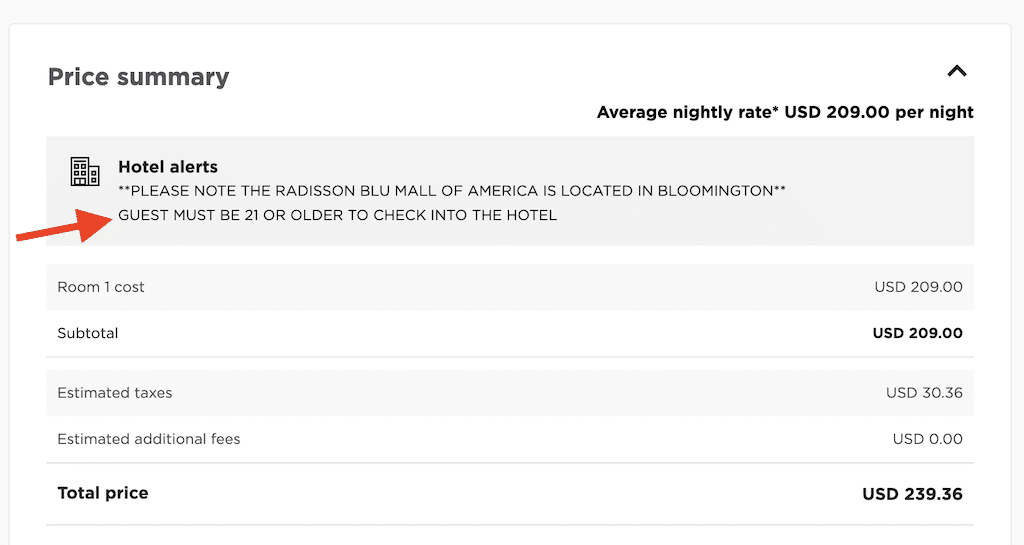
Another significant factor, particularly in the United States, is the legal drinking age of 21. Many hotels, especially those with minibars, on-site bars, or restaurants serving alcohol, find it simpler and safer to enforce a 21+ check-in policy across the board. This minimizes the risk of underage drinking on their premises, which could lead to severe legal penalties for the hotel, including fines, license revocation, and significant reputational damage. The temptation for young travelers to host parties or engage in activities that could disturb other guests or damage property also contributes to higher age limits. Hotels aim to mitigate the risk of disruptive behavior, which often correlates with younger age groups lacking adult supervision.
Furthermore, credit card requirements play a practical role. Most hotels require a valid credit card in the registered guest’s name for incidentals and to guarantee payment. While some minors may have debit cards, credit cards typically require an individual to be at least 18 (and often older to build sufficient credit history), making it a barrier for younger independent travelers. The ability to cover potential damages or unexpected costs is a significant concern for hotels, and an adult guest with a credit card provides this assurance.
The Legal Landscape: Majority Age and Contractual Capacity
The legal age of majority, or the age at which an individual is considered an adult with full legal rights and responsibilities, varies globally. In most countries, including the United States, Canada, Mexico, and across Europe, it is 18 years old. However, some jurisdictions, like Alabama and Nebraska, set the age of majority at 19, while Mississippi maintains it at 21. This variation in the legal age of majority directly influences a minor’s capacity to enter into contracts.
In general, contracts entered into by minors (individuals below the legal age of majority) are voidable at the minor’s option. This means a minor can choose to uphold or cancel the contract, even if they have already received the services. From a hotel’s perspective, this creates a substantial risk. If a 17-year-old checks in, incurs charges, and then decides to void the contract, the hotel might have limited legal recourse to collect payment. To circumvent this potential legal quagmire, hotels often extend their minimum check-in age beyond the age of majority, ensuring that the registered guest is a legally competent adult capable of entering into a binding agreement and taking full financial responsibility. This proactive approach safeguards the hotel’s interests against potential legal and financial disputes arising from contractual agreements with individuals who might later disaffirm them.
Navigating Age Requirements: A State-by-State and Global Guide
The complexity of hotel check-in age policies is amplified by the diverse legal landscapes across different regions. While there’s a general trend, specific state laws in the United States and the regulations of various countries introduce nuances that every young traveler should be aware of. Understanding these regional differences is crucial for planning a trip that avoids any unwelcome surprises at the front desk.
Age Requirements Across the United States
Within the United States, there is no uniform federal law dictating the minimum age for hotel check-in. Instead, policies are largely determined by individual state laws and, more commonly, by the discretion of the hotel chains and independent properties themselves. While 18 is the legal age of majority in most states, making it legally permissible for an 18-year-old to enter a contract, many hotels impose a higher minimum age.
- The “21 Rule”: This is arguably the most prevalent policy, especially among major hotel brands and properties in popular tourist destinations. States like Florida (particularly cities such as Miami and Orlando), Nevada (Las Vegas being a prime example), California, and New York City frequently enforce a 21+ check-in age. This is often driven by the presence of on-site alcohol sales, casinos, and a desire to prevent unsupervised parties. For instance, a Grand Hyatt in Manhattan or a Marriott in South Beach is highly likely to require guests to be 21.
- States with Specific Age of Majority: Some states have specific legal ages of majority that can influence hotel policies, though hotels may still choose to enforce higher ages.
- 18+: In states like Hawaii, the legal age of majority is 18. While many hotels in Hawaii still default to 21, some properties, particularly smaller, independent ones, might permit 18-year-olds to check in.
- 19+: Alabama and Nebraska are notable for having a legal age of majority of 19. Consequently, some hotels in these states may accept guests from this age.
- 21+: Mississippi stands out as the only state where the age of majority is 21. Unsurprisingly, hotels in Mississippi universally uphold a 21+ check-in policy.
It’s crucial to remember that even within a single state, policies can vary significantly. A Hilton Garden Inn might have different rules than a Waldorf Astoria property, or an independently owned motel might be more flexible than a major chain hotel in a downtown area. Always verify the specific hotel’s policy before booking, especially if you are under 21 or traveling with someone who is.
International Perspectives: Age Policies Beyond US Borders
Venturing beyond the United States introduces a new set of age requirements, though often less stringent than what is found in America. The general trend internationally is for the minimum check-in age to align with the country’s legal age of majority, which is predominantly 18.

- Canada: In most Canadian provinces, the age of majority is 18. However, in British Columbia, New Brunswick, Newfoundland and Labrador, Nova Scotia, and Prince Edward Island, the age of majority is 19. Consequently, hotel check-in ages typically reflect these provincial laws, meaning you’ll often find 18+ or 19+ policies depending on your destination within Canada.
- Mexico: The legal age of majority and drinking age in Mexico is 18. As such, hotels across popular destinations like Cancun, Playa del Carmen, and Puerto Vallarta generally permit 18-year-olds to check in. This makes Mexico a popular choice for younger adults seeking international travel experiences.
- Europe: Across most of Europe, the legal age of majority is 18. This applies to major tourism hubs in countries like Germany, France, Italy, and the United Kingdom (including England, Scotland, Wales, and Northern Ireland). Therefore, an 18-year-old can typically check into a hotel independently. However, some individual establishments, especially luxury properties or those catering to specific clienteles, might still impose higher age restrictions, though this is less common than in the United States.
- Asia and Oceania: In countries like Japan, the age of majority is 18, and hotels generally follow suit. In Australia and New Zealand, the age of majority is also 18, and hotel check-in is typically permitted from this age.
Despite these general rules, it is always prudent to confirm directly with the specific hotel prior to booking, especially if you are traveling close to the minimum age threshold. Online booking platforms may not always reflect the nuanced check-in policies of individual properties, making direct communication the most reliable method to avoid any last-minute complications upon arrival. This proactive approach ensures a smoother and more enjoyable travel experience, regardless of your destination.
Overcoming Obstacles: Solutions and Exceptions for Young Travelers
While age restrictions can present a hurdle for young adults eager to explore the world, they are not insurmountable. Various strategies and exceptions can facilitate a seamless check-in experience, whether you’re traveling as a minor with an adult or as an independent young adult navigating stricter hotel policies. Understanding these alternatives can transform a potential roadblock into a manageable detail in your travel itinerary.
When a Minor Travels with an Adult
The simplest solution for anyone under the minimum check-in age (whether 18, 19, or 21) is to travel with an adult who meets the hotel’s age requirements. When a minor is accompanied by a parent, legal guardian, or another adult who is at least the minimum age, the adult can be the one to register for the room. In this scenario, the adult is the primary guest, responsible for the booking, payment, and adherence to hotel policies, effectively bypassing any age restrictions for the minor occupants.
This is a common arrangement for family vacations, school trips, or young adults traveling with older siblings or friends. It’s important that the adult guest is prepared to provide their identification and a valid credit card for incidentals. Even if the minor intends to pay for their share of the room or other expenses, the legally responsible adult must be the one formally checking in and signing the registration. Some hotels might ask for proof of relationship if the adult is not a parent, but this is less common for standard check-ins and more typical in situations involving large groups of minors.
Strategies for Independent Young Adults
For those between 18 and 20 (or 24 in some stricter areas) who wish to travel independently, navigating age restrictions requires a proactive and informed approach.
- Research Specific Hotel Policies Extensively: This is the most crucial step. Do not rely solely on general assumptions. When considering a destination, compile a list of potential hotels and call each one directly. Explain your situation clearly and ask about their specific check-in age policy. Websites or third-party booking sites may not always have up-to-date or complete information regarding these nuances. Major chains like Marriott, Hilton, Wyndham, or Choice Hotels often have clear corporate policies, but even these can vary by individual property. Independent hotels or smaller guesthouses might be more flexible.
- Look for Hotels with Lower Age Limits: Some hotel types are inherently more accommodating to younger guests.
- Hostels: Often designed for budget travelers and backpackers, hostels typically have an 18+ check-in policy, aligning with the global age of majority. They are an excellent option for solo young travelers or groups of friends.
- Motels and Budget-Friendly Chains: Some smaller, locally owned motels or certain budget chains, especially outside major metropolitan areas, might be more lenient. They might prioritize filling rooms over strict adherence to higher age limits, especially if the local laws permit 18-year-olds to sign contracts.
- Extended Stay Properties: Hotels catering to long-term guests or business travelers might also be more flexible, as their clientele tends to be less associated with party risks.
- Consider Pre-paid Reservations: In some cases, having a room fully pre-paid by a credit card in your name might offer a slight advantage, as the financial risk to the hotel is minimized. However, this is not a guaranteed solution, as the contractual capacity issue still stands. It’s best to confirm with the hotel directly even with a pre-paid booking.
- Parental Consent Forms/Guarantees: For those aged 18-20, a parent or legal guardian might be able to co-sign for the room or provide a notarized letter of consent and a credit card guarantee. While not universally accepted, some hotels, particularly independent ones, might consider this for guests who are technically adults but below the hotel’s specific age threshold. This provides an additional layer of financial security for the hotel.
- Emergency or Special Circumstances: In genuine emergencies (e.g., natural disaster, medical necessity, flight cancellation leaving you stranded), hotels might make exceptions, but this is entirely at their discretion and should not be relied upon for planned travel. Documentation supporting the emergency would likely be required.
Planning ahead and clear communication are your strongest allies. A little research and a phone call can save a lot of frustration and ensure your travel plans unfold smoothly, allowing you to focus on enjoying your trip rather than worrying about check-in.
Essential Tips for a Seamless Check-In Experience
Regardless of your age, a smooth hotel check-in process is the gateway to a comfortable and enjoyable stay. For younger travelers, being prepared and proactive is even more critical to avoid any potential misunderstandings or last-minute issues. Adhering to a few key practices can significantly enhance your chances of a hassle-free arrival and set a positive tone for your entire trip.
Documentation and Payment: Your Keys to the Room
When you approach the front desk, having all your necessary documentation and payment methods readily available will expedite the check-in process.
- Valid Government-Issued Photo ID: This is non-negotiable. Whether you’re 18 or 80, a current, official photo identification (such as a driver’s license, state ID card, or passport) is required to verify your identity and age. Ensure your ID is not expired and that the name on the ID matches the name on your reservation. For international travelers, a passport is almost always the preferred form of identification.
- Confirmation of Reservation: Keep your booking confirmation handy, either printed or easily accessible on your mobile device. This document contains crucial details like your reservation number, booking dates, room type, and any special requests you might have made. It serves as proof of your booking and helps the front desk quickly locate your information.
- Credit Card in Your Name: Most hotels require a major credit card in the name of the primary registered guest, not just for the room rate but also for a security deposit or incidentals. This pre-authorization covers potential damages, minibar charges, or other services used during your stay. Even if your room is prepaid, a credit card is almost always necessary at check-in. If you only have a debit card, confirm with the hotel beforehand if they accept it for incidentals, as their policy might involve placing a larger hold on your funds. Cash deposits for incidentals are rare and often burdensome for hotels.
- Proof of Parental Consent (if applicable): If you are an independent young adult relying on a parental consent form or credit card guarantee, ensure all necessary paperwork is correctly filled out, notarized if required, and accompanied by a copy of the parent’s ID and credit card (as advised by the hotel). This preemptive measure can resolve potential issues related to contractual capacity and financial responsibility.

Communication is Key: Always Verify Ahead of Time
The most powerful tool in a young traveler’s arsenal is effective communication. Avoid assumptions and always seek clarity before your arrival.
- Call the Specific Hotel Directly: As reiterated earlier, general chain policies or third-party booking site information might not reflect the specific property’s rules. A polite phone call to the front desk or reservations department of the exact hotel you intend to book is the most reliable way to confirm their minimum check-in age. State your age and ask directly if you will be permitted to check in.
- Document the Conversation: If you speak with a hotel representative and receive confirmation that you meet their age requirements, note down the name of the person you spoke with, the date, and the time of the call. While not legally binding, this record can be helpful if there’s a misunderstanding upon arrival.
- Read the Fine Print: Before finalizing any booking, carefully review the hotel’s terms and conditions, particularly sections related to age restrictions, check-in policies, and payment. This information is often found on the hotel’s official website or during the online booking process.
- Be Polite and Prepared: When you do arrive at the hotel, approach the front desk with a polite and confident demeanor. Have your documents ready and be prepared to answer any questions. A respectful attitude can go a long way in resolving any minor hitches.
By taking these steps, young travelers can minimize the risk of encountering difficulties at check-in, ensuring that their focus remains on enjoying their travel experiences and the unique charms of their chosen destinations. A little preparation can save a great deal of stress, allowing for a truly memorable trip from arrival to departure.
In conclusion, the question “How old to check into a hotel?” is more nuanced than it appears, intertwining legal age of majority, hotel liability, alcohol laws, and individual property policies. While 18 is a common age for independent travel globally, the stricter 21+ rule frequently observed in the United States necessitates careful planning for younger adults. By understanding the reasons behind these rules, researching specific hotel policies, and having all necessary documentation and payment methods in order, young travelers can navigate these complexities with confidence. Proactive communication with the hotel is always the best strategy to ensure a smooth check-in and an enjoyable stay, making your journey as seamless as possible.
LifeOutOfTheBox is a participant in the Amazon Services LLC Associates Program, an affiliate advertising program designed to provide a means for sites to earn advertising fees by advertising and linking to Amazon.com. Amazon, the Amazon logo, AmazonSupply, and the AmazonSupply logo are trademarks of Amazon.com, Inc. or its affiliates. As an Amazon Associate we earn affiliate commissions from qualifying purchases.