
Understanding and adhering to the specific regulations surrounding child passenger safety is paramount for any family embarking on a road trip through California. Among the many considerations, one frequently asked question pertains to the age at which a child is permitted to occupy the front passenger seat of a vehicle. This is not merely a matter of convenience but a critical component of California’s traffic safety laws, designed to protect the youngest and most vulnerable road users. Navigating these rules ensures a safe and legal journey, whether you’re exploring the beaches of Southern California or the mountains of Northern California.
California’s Child Passenger Safety Laws
California has enacted comprehensive laws to safeguard children in vehicles, with specific guidelines for seating positions and restraint systems. These laws are rooted in extensive research regarding the physics of vehicle collisions and the developmental stages of children. The primary goal is to minimize the risk of injury or fatality by ensuring children are secured in the most appropriate restraint for their age, weight, and height, and are positioned in the safest part of the vehicle.
The Front Seat Conundrum: Age and Airbags
The most significant factor determining a child’s eligibility for the front seat is their age, primarily because of the risks associated with vehicle airbags. Airbags, while designed to save lives, deploy with significant force. This force can be extremely dangerous, even fatal, to younger children whose bodies are not yet developed enough to withstand such an impact.
The “Front Seat” Rule: A Universal Minimum
In California, there is a general rule that prohibits children under the age of 8 from riding in the front seat of a vehicle. This age threshold is specifically tied to the risks posed by the front passenger airbag. While it might seem intuitive that older children can automatically sit in the front, the law’s intent is to keep them in the safest location – the rear seat – until they are physically large enough to be less susceptible to airbag-related injuries.
Exceptions to the Rule: When a Rear Seat Isn’t Available
While the law strongly advocates for rear-seat travel for children under 8, California acknowledges that there may be limited circumstances where a rear seat is not available. These exceptions are narrowly defined to prevent misuse.
The “No Rear Seats” Scenario
If a vehicle is a small passenger car with only two rows of seats (such as a coupe or a small SUV), and all the rear seats are already occupied by children under the age of 8 who are properly secured in appropriate restraints, then a child who is 8 years of age or older may be permitted to sit in the front seat. However, even in this situation, there are crucial safety considerations.
Airbag Deactivation or Adjustment
Even for children 8 years of age or older who are permitted to sit in the front seat due to the absence of rear seating, the utmost care must be taken. If the vehicle is equipped with a passenger-side airbag, it is strongly recommended, and in some cases legally advisable, to deactivate the airbag if possible, or ensure it is set to a lower force setting if such an option exists. This is because even an 8-year-old may not be large enough to safely withstand the full force of a deployed airbag. The child should also be positioned as far back from the dashboard as possible, and the seat should be adjusted to its furthest rearward position.
Beyond Age: The Importance of Proper Restraint
While age is a primary determinant for front-seat eligibility, it’s crucial to understand that the law’s overarching mandate is the use of appropriate child passenger restraints. The front seat is only one aspect of a child’s safety in a vehicle.
The Rear Seat Mandate for Younger Children
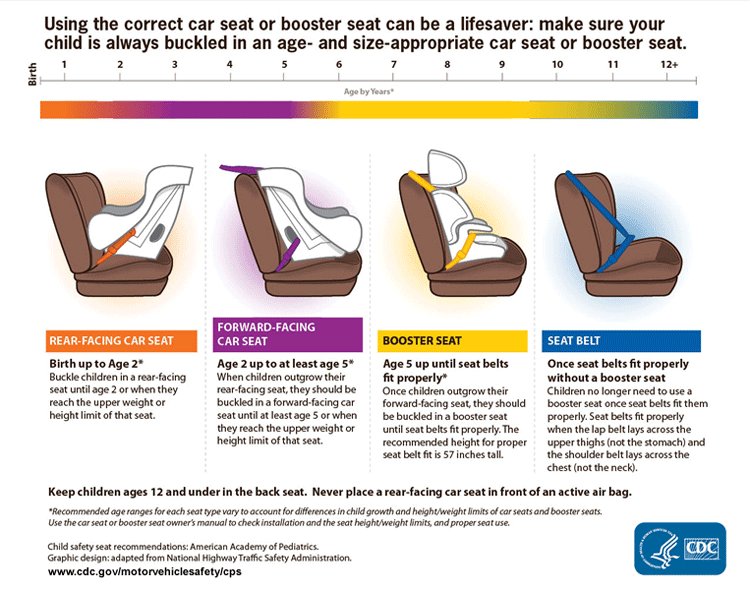
For all children under the age of 8, the rear seat is the mandated and safest location. This applies regardless of the child’s size or maturity. Within the rear seat, the type of restraint required depends on the child’s age, weight, and height.
Rear-Facing Car Seats
Infants and toddlers should be placed in rear-facing car seats. These seats offer superior protection for a baby’s developing head, neck, and spine by cradling them and distributing crash forces across their entire body. California law, like general safety recommendations, emphasizes keeping children rear-facing for as long as possible, ideally until they reach the maximum height or weight limit of their rear-facing car seat.
Forward-Facing Car Seats
Once a child outgrows their rear-facing car seat, they should transition to a forward-facing car seat with a harness. The harness system is designed to keep the child securely positioned within the protective shell of the car seat during a collision. Again, the child should remain in this type of seat until they reach its weight or height limits.

# Booster Seats
The next stage in a child’s journey towards adult seat belt usage is the booster seat. Booster seats are designed to “boost” the child up so that the adult seat belt fits them properly. A properly fitting seat belt means the lap belt lies low and snug across the upper thighs, and the shoulder belt crosses the center of the chest and shoulder. Children typically need to use a booster seat until they are at least 4 feet 9 inches tall and between the ages of 8 and 12.
Adult Seat Belt Fit
The ultimate goal is for a child to be able to use the vehicle’s adult seat belt system safely and correctly without a booster seat. This is generally when the child can sit with their back against the seat, their knees bent comfortably at the edge of the seat, their feet flat on the floor, and the lap and shoulder belts fit properly. This is often around the age of 8 to 12, but height is a more reliable indicator than age alone.
The Role of Vehicle Type and Occupancy
The type of vehicle and the number of occupants it carries can influence seating arrangements, particularly in scenarios involving the front seat.
Passenger Vans and Larger Vehicles
In larger vehicles such as passenger vans or SUVs with multiple rows, the front seat is generally reserved for adults or older children who meet the legal age and size requirements. The primary safety principle remains: keep children in the rear seats whenever possible, especially those under 8 years old. In these vehicles, there is almost always ample rear seating capacity for young children.
Two-Seater Vehicles and Limited Space
As mentioned in the exceptions, vehicles with only two seats present a unique challenge. Here, the law’s flexibility comes into play, but with stringent caveats. The intention is not to encourage front-seat travel for children but to provide a legal pathway for situations where rear seating is genuinely unavailable and the child is of an age where the risk of airbag deployment is less severe.
Planning for Safety: Tips for Families
Traveling with children in California requires proactive planning to ensure compliance with safety laws and to maximize protection.
Educate Yourself on the Law
Familiarize yourself thoroughly with California’s specific vehicle code sections pertaining to child passenger safety. This information is readily available through the California Highway Patrol and other reputable safety organizations. Understanding these regulations will alleviate stress and ensure you are making safe and legal choices.
Consult with Certified Child Passenger Safety Technicians
For personalized guidance, consider visiting a child passenger safety seat inspection station or attending a safety event. Certified technicians can help you choose the correct car seat or booster seat for your child and demonstrate how to install it correctly in your vehicle. They can also advise on the safest seating positions.
Traveling with Multiple Children
When traveling with multiple children, especially those of varying ages and sizes, strategic planning is essential. The youngest and smallest children should always occupy the rear seat, appropriately restrained. Older children who are too large for booster seats but still under the age of 8 should also remain in the rear. The front seat should only be considered as a last resort for a child 8 years or older, and only when all other rear seating options are exhausted and safety measures, such as airbag deactivation, are addressed.
Regular Vehicle Maintenance
Ensure your vehicle is in good working order, with functioning seat belts and properly maintained airbags. Regular maintenance checks are crucial for overall road safety.
Review Your Child’s Restraint System
As children grow, their needs for restraint systems change. Regularly review the weight and height limits of your child’s car seat or booster seat and transition to the next stage as needed. An ill-fitting restraint system can significantly compromise safety.
In conclusion, the question of how old a child must be to sit in the front seat in California hinges on a combination of age, the availability of rear seating, and critical safety considerations regarding airbags. While the general rule prohibits children under 8 from the front, understanding the limited exceptions and prioritizing the rear seat for all younger children is fundamental to ensuring the safety and well-being of our youngest travelers on the diverse and beautiful roadways of the Golden State.
LifeOutOfTheBox is a participant in the Amazon Services LLC Associates Program, an affiliate advertising program designed to provide a means for sites to earn advertising fees by advertising and linking to Amazon.com. Amazon, the Amazon logo, AmazonSupply, and the AmazonSupply logo are trademarks of Amazon.com, Inc. or its affiliates. As an Amazon Associate we earn affiliate commissions from qualifying purchases.