
The allure of poker, particularly Texas Hold’em, has captivated players for generations. It’s a game of skill, strategy, and psychology, with a dash of luck, all unfolding around a table, whether physically or virtually. While the rules themselves are relatively straightforward to grasp, mastering the nuances of Texas Hold’em can take a lifetime. This guide will serve as your introductory journey into the world of this iconic card game, covering everything from the basic objective to the fundamental betting structure and the core mechanics of play. Whether you’re planning a leisurely vacation in Las Vegas, dreaming of a sophisticated getaway in Monaco, or simply looking to entertain yourself during a quiet evening at your chosen resort, understanding Texas Hold’em can add another layer of enjoyment and engagement to your experiences.
The game is played with a standard 52-card deck. The objective is to form the best possible five-card poker hand by combining your two private “hole” cards with the five community cards dealt on the table. The player with the strongest hand at the end of the final betting round wins the pot – the sum of all bets made during that hand. The beauty of Texas Hold’em lies in its accessibility; while the foundations are easy to learn, the strategic depth allows for endless exploration and improvement.
The Fundamentals: Objective, Deck, and Players
At its heart, Texas Hold’em is a competition of hand rankings. Players are dealt two cards face down, known as hole cards, which are only visible to them. Then, five community cards are dealt face up in the center of the table, accessible to all players. These community cards are revealed in stages: the Flop, the Turn, and the River. Players use any combination of their two hole cards and the five community cards to create the best possible five-card poker hand.
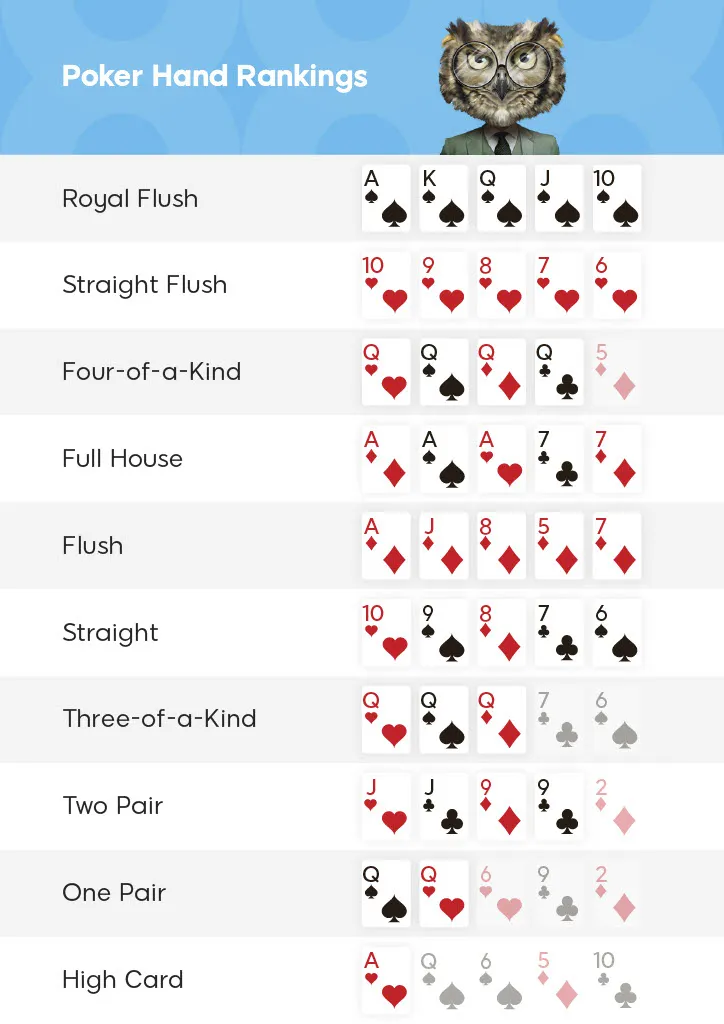
The standard poker hand rankings, from highest to lowest, are crucial to understand:
- Royal Flush: A, K, Q, J, 10 of the same suit. This is the rarest and highest-ranking hand.
- Straight Flush: Five cards in sequence, all of the same suit (e.g., 9, 8, 7, 6, 5 of spades).
- Four of a Kind: Four cards of the same rank (e.g., four Aces).
- Full House: Three cards of one rank and two cards of another rank (e.g., three Kings and two 7s).
- Flush: Five cards of the same suit, not in sequence.
- Straight: Five cards in sequence, but not all of the same suit (e.g., 7, 6, 5, 4, 3).
- Three of a Kind: Three cards of the same rank.
- Two Pair: Two cards of one rank, two cards of another rank, and one unrelated card.
- One Pair: Two cards of the same rank, and three unrelated cards.
- High Card: If no player can form any of the above hands, the player with the highest-ranking card wins.
The number of players in a Texas Hold’em game can vary, typically ranging from two (heads-up play) to ten players at a single table. The dynamics of the game change significantly with the number of opponents. A game played with fewer players often requires more aggressive strategies, while larger games necessitate a more cautious approach.
The Flow of a Texas Hold’em Hand: From Deal to Showdown
A typical hand of Texas Hold’em progresses through several distinct stages, each marked by the dealing of cards and opportunities for betting. Understanding this flow is essential for making informed decisions.
Pre-Flop Betting: The Foundation
The hand begins with the dealer dealing each player two hole cards, face down. Before any community cards are revealed, the first round of betting takes place. This is known as the pre-flop betting round. The action starts with the player to the left of the big blind, and proceeds clockwise around the table. Players have three options:
- Fold: Discard their hand and forfeit any chance of winning the pot.
- Call: Match the current highest bet (in this case, the big blind).
- Raise: Increase the current bet.
The Flop: Three Community Cards
After the pre-flop betting is complete, the dealer burns one card (discards the top card of the deck face down) and then deals three community cards face up in the center of the table. These three cards are called the flop. Following the flop, a second round of betting occurs, starting with the player to the dealer’s left who is still in the hand. The betting options remain the same: check (if no bet has been made), bet, call, raise, or fold.
The Turn: The Fourth Community Card

Once the betting for the flop is settled, the dealer burns another card and deals a fourth community card face up. This is known as the turn. A third round of betting ensues, again starting with the first active player to the dealer’s left.
The River: The Fifth and Final Community Card
The final community card, the fifth and last card to be dealt face up, is called the river. After the river is dealt, the final round of betting takes place.
The Showdown: Determining the Winner
If there are two or more players remaining in the hand after the final betting round, a showdown occurs. The player who made the last aggressive action (bet or raise) typically shows their hand first. If all players checked on the river, the player to the dealer’s left shows first. Players then reveal their hole cards one by one, clockwise. The player who can form the best five-card poker hand using any combination of their two hole cards and the five community cards wins the pot. If there is a tie in hand rankings, the pot is split equally among the tied players.
Betting Structures and Strategic Considerations
The betting structure in Texas Hold’em significantly influences the game’s dynamics. The most common structures are No-Limit, Pot-Limit, and Fixed-Limit.
No-Limit Texas Hold’em
In No-Limit Texas Hold’em, players can bet any amount of their chips at any time, from a minimum bet to their entire stack. This is the most popular variant and offers the greatest potential for big pots and dramatic swings. The ability to bet all your chips at once, known as an “all-in” bet, adds a significant psychological element to the game. This format is often featured in high-stakes tournaments like the World Series of Poker in Las Vegas.
Pot-Limit Texas Hold’em
In Pot-Limit Texas Hold’em, the maximum bet or raise a player can make is limited to the current size of the pot. This structure tends to lead to more strategic play, as players cannot simply bet their entire stack without the pot being built up first. It’s a popular choice in many live poker rooms and online platforms.
Fixed-Limit Texas Hold’em
Fixed-Limit Texas Hold’em has predetermined bet sizes for each betting round. There are typically smaller bets in the earlier rounds (pre-flop and flop) and larger bets in the later rounds (turn and river). Players can only bet or raise in increments of the fixed limit. This structure encourages more tactical play and less extreme betting compared to No-Limit.
Strategic Considerations for Aspiring Players
Beyond understanding the rules and betting structures, developing a winning strategy in Texas Hold’em involves several key elements:
- Position: Your position at the table relative to the dealer button is crucial. Acting later in a betting round (being “in position”) gives you more information about your opponents’ actions, allowing for more informed decisions.
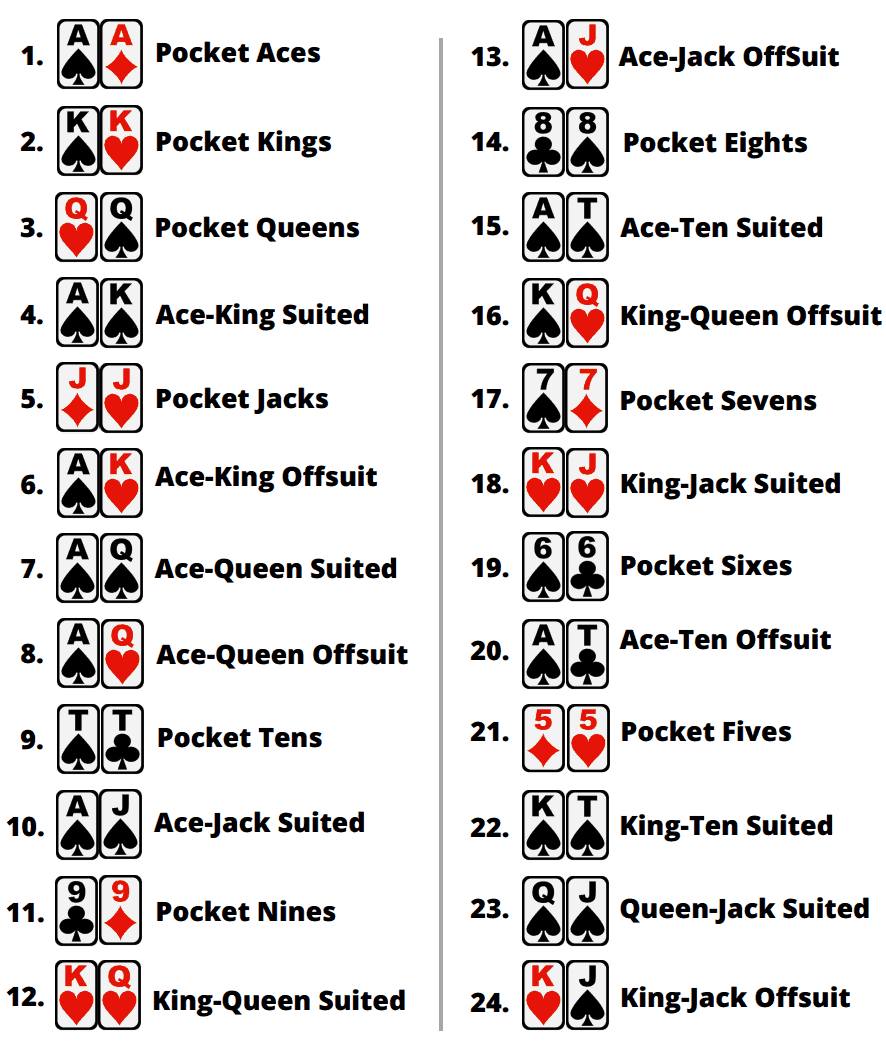
- Hand Selection: Not every hand is worth playing. Learning to distinguish strong starting hands from weak ones is fundamental.
- Reading Opponents: Observing your opponents’ betting patterns, body language (in live games), and tendencies can provide valuable insights into the strength of their hands.
- Bankroll Management: Playing within your means and managing your poker funds wisely is essential for long-term success and enjoyment.
Whether you’re playing for leisure at a luxury resort in the Caribbean or participating in a friendly game during a city break in Paris, understanding the intricacies of Texas Hold’em will undoubtedly enhance your experience. It’s a game that rewards patience, observation, and a thoughtful approach, making it a perfect pastime for travelers and lifestyle enthusiasts alike.
LifeOutOfTheBox is a participant in the Amazon Services LLC Associates Program, an affiliate advertising program designed to provide a means for sites to earn advertising fees by advertising and linking to Amazon.com. Amazon, the Amazon logo, AmazonSupply, and the AmazonSupply logo are trademarks of Amazon.com, Inc. or its affiliates. As an Amazon Associate we earn affiliate commissions from qualifying purchases.