
The Historical Foundations of the Hawaiian Kingdom
Long before the islands became the 50th state of the United States, the Hawaiian Islands were a sovereign nation with a rich, complex political history. Ruled by a series of monarchs, most notably the Kamehameha dynasty, Hawaii was a significant destination for traders, whalers, and missionaries from across the globe. By the mid-19th century, the strategic location of the archipelago in the Pacific Ocean made it a focal point for Western powers vying for influence.
The Rise of the Sugar Industry
The influx of American missionaries and businessmen eventually transformed the local economy. As the demand for sugar grew in North America, large tracts of land were acquired for plantations. This economic shift created a deep interdependence between the local economy and foreign markets. By the late 1800s, this concentration of wealth among a small group of American sugar planters shifted the balance of power, leading to increasing friction with the monarchy.
The Bayonet Constitution of 1887
A pivotal moment in the erosion of Hawaiian sovereignty was the forced signing of the “Bayonet Constitution” in 1887. Under the threat of violence from a militia of primarily American and European settlers, King Kalakaua was forced to sign a document that drastically reduced his power and effectively disenfranchised many Native Hawaiians. This maneuver consolidated political control in the hands of the sugar planters, setting the stage for the dramatic political upheaval that would follow just a few years later.
The Overthrow and the Provisional Government
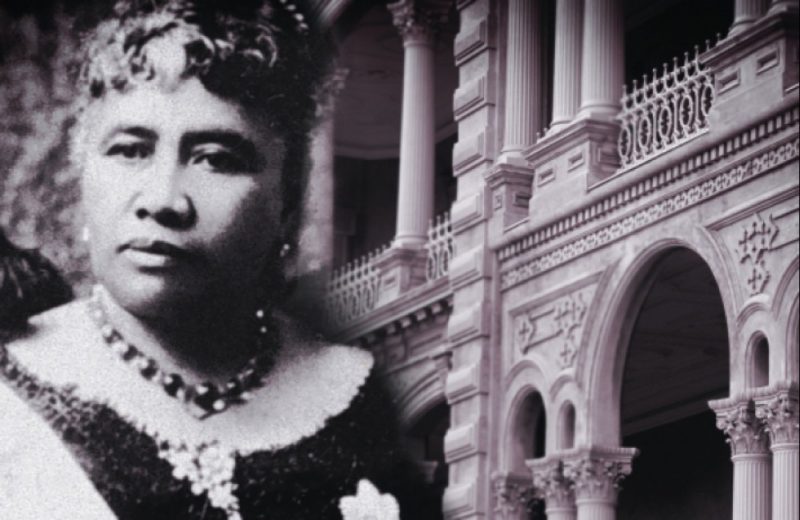
The tension between the traditional monarchy and the economic elite reached a breaking point during the reign of Queen Liliuokalani. Upon ascending to the throne in 1891, she sought to restore power to her people and propose a new constitution that would have returned rights to native citizens. This directly challenged the interests of the business community, who feared for their control over the islands.
The Coup of 1893
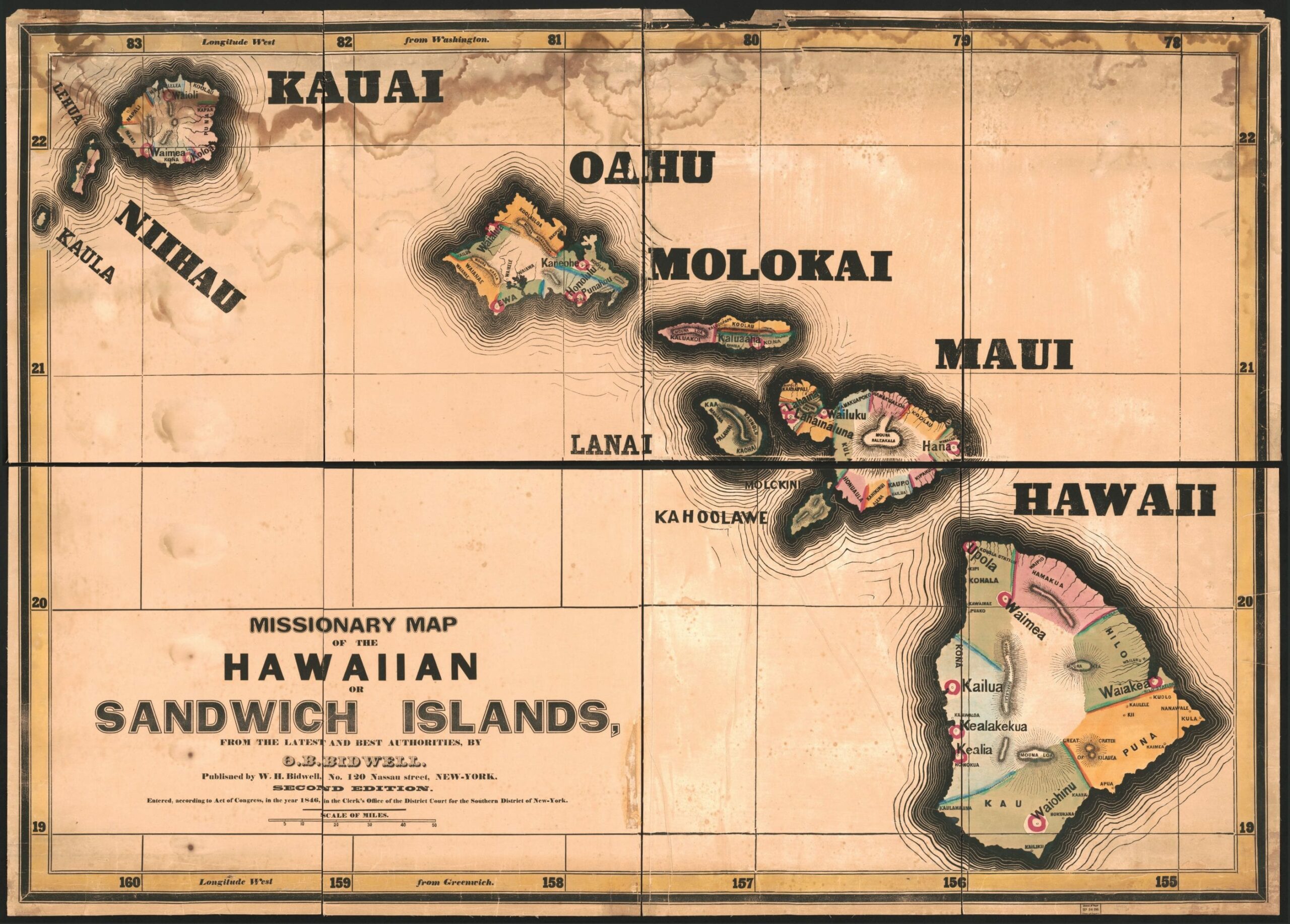
In early 1893, a Committee of Safety, comprised of businessmen and politicians, initiated a coup d’état against the Queen. Supported by the landing of United States Marines from the USS Boston, the monarchy was forced to surrender under protest to avoid bloodshed. The Queen famously stated that she yielded her authority to the United States Government rather than the provisional government, trusting that justice would prevail once the facts were reviewed in Washington DC.
The Failure of Early Annexation
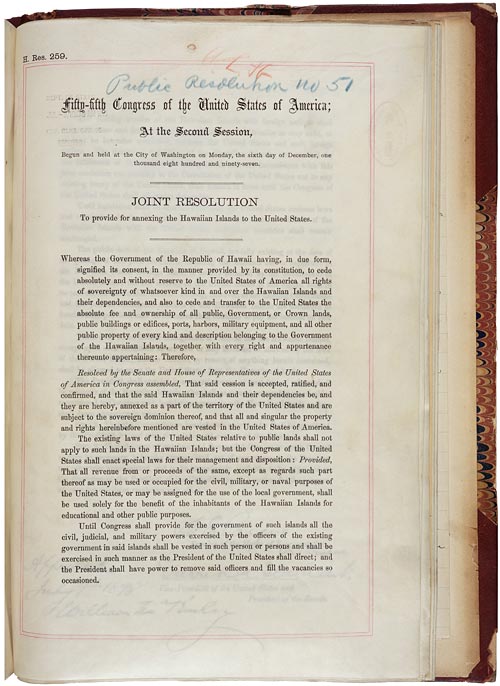
Following the overthrow, a provisional government was established with the goal of immediate annexation by the United States. However, President Grover Cleveland commissioned the Blount Report, which concluded that the overthrow was illegal and that the United States had acted improperly. Cleveland attempted to restore the Queen to power, but the provisional government refused to step down, instead declaring themselves the Republic of Hawaii in 1894.
Transition to Territory and Statehood
The debate over the status of the islands continued for several years, fueled by competing visions of American expansionism and anti-imperialist sentiments. The global geopolitical climate at the end of the 19th century, particularly the outbreak of the Spanish-American War, ultimately tipped the scales in favor of annexation.
The Newlands Resolution
The strategic importance of Pearl Harbor as a coaling station and naval base became undeniable as American forces engaged in the Philippines. In 1898, President William McKinley signed the Newlands Resolution, which officially annexed the islands as a territory of the United States. This legal mechanism bypassed the need for a treaty, which had previously failed to gain the necessary Senate support.
The Road to 1959
For over half a century, the islands operated as an organized territory. Throughout this period, the islands underwent significant cultural and demographic changes, fueled by immigration and the integration of American administrative systems. The process of becoming a state was interrupted by global events, most notably the World War II attack on the military facilities located there. Finally, on August 21, 1959, the islands were officially admitted as the 50th state, marking the end of a long and often contentious transition that forever altered the course of regional history.
Legacy and Modern Significance
The acquisition of the islands remains a subject of intense historical and contemporary reflection. Today, the Iolani Palace, once the residence of the monarchy, stands as a testament to the resilience of Hawaiian culture. Visitors to Honolulu often visit this landmark to understand the complex layers of the past.
Preservation of Culture
Efforts to preserve the native language, arts, and land rights continue to play a vital role in modern discourse. The narrative of how the territory was acquired is not merely a record of political maneuvering but a reflection of the enduring identity of the Polynesian people. As the state continues to navigate its identity within the broader American framework, the history of its acquisition remains a fundamental element of its character.
A Crossroads of History
From the early days of Kamehameha the Great to the modern era of global tourism and defense, the islands remain a unique intersection of Eastern and Western influences. The story of the annexation is a reminder of the far-reaching impact of 19th-century geopolitics and the indelible spirit of the people who shaped the history of the Central Pacific. Whether exploring the natural wonders of Kauai or the bustling metropolitan centers of Oahu, the historical weight of the state’s transition into the union is visible in every facet of the archipelago’s evolution.
LifeOutOfTheBox is a participant in the Amazon Services LLC Associates Program, an affiliate advertising program designed to provide a means for sites to earn advertising fees by advertising and linking to Amazon.com. Amazon, the Amazon logo, AmazonSupply, and the AmazonSupply logo are trademarks of Amazon.com, Inc. or its affiliates. As an Amazon Associate we earn affiliate commissions from qualifying purchases.