
For outdoor enthusiasts, hunters, and wildlife observers, Louisiana offers a unique landscape for turkey hunting. As the state’s humid subtropical climate gives way to the warmth of spring, the wild turkey population becomes the primary focus for those looking to experience the wilderness firsthand. Understanding the timing, regulations, and geographic nuances of the season is essential for a successful excursion into the bayou state’s timberlands.
Understanding the Seasonal Framework for Turkey Hunting
In Louisiana, turkey season is strictly regulated by the Louisiana Department of Wildlife and Fisheries to ensure the conservation and sustainability of the Eastern wild turkey population. The season typically spans from late March through April, though specific dates can fluctuate based on the calendar year and the assigned hunting zones across the state.
Zoning and Geographic Variability
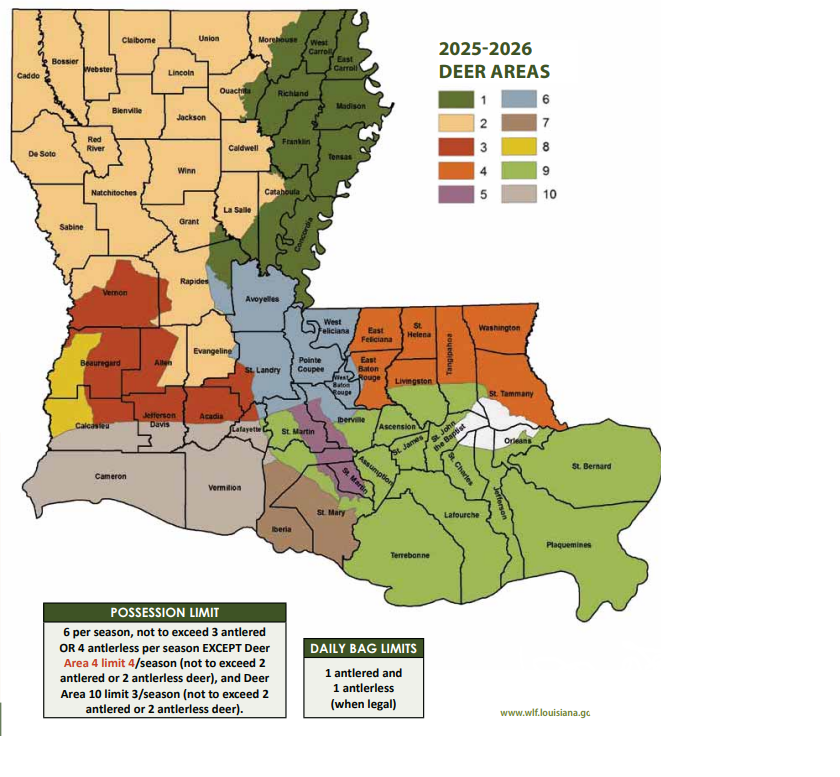
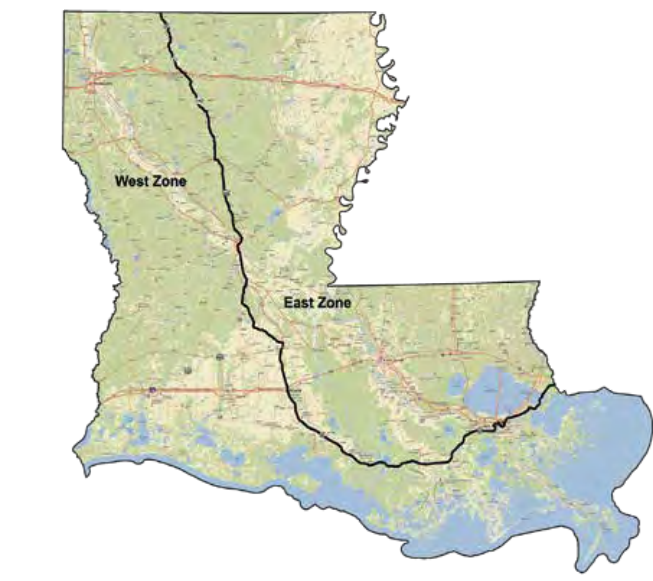
Louisiana is divided into multiple turkey hunting areas, each with its own designated start and end dates. This geographic zoning is designed to align with the peak breeding season of the wild turkeys in specific habitats. Hunters must be diligent in identifying which zone they are operating in, as rules regarding bag limits and equipment can vary significantly between the northern parishes and the southern wetlands.
The Importance of Legal Compliance
Beyond merely knowing the calendar dates, hunters must be familiar with the tagging requirements. In Louisiana, all harvested turkeys must be validated through the electronic harvest reporting system. This data is critical for biologists monitoring the population health of the state’s turkey flocks. Failing to report a harvest is not only a violation of local regulations but also hinders the long-term management of hunting opportunities within the state.
Preparing for the Hunt in Louisiana’s Landscape
The terrain of Louisiana presents a distinct set of challenges compared to the rolling hills found in other parts of the United States. Whether navigating the bottomland hardwoods of Central Louisiana or the piney woods of the northern regions, preparation is the foundation of a rewarding experience.
Scouting and Habitat Identification
Success in the turkey woods rarely happens by accident. Pre-season scouting is vital. Hunters often spend weeks observing roosting patterns, identifying strut zones, and listening for early-morning gobbles. In Louisiana, where the vegetation is dense and often changes rapidly due to spring rains, staying mobile and adaptable is key.
Essential Gear and Ethical Considerations
When heading into the field, having the right gear—such as high-quality calls, camouflage suited for the Louisiana greenery, and reliable optics—is standard practice. However, ethical hunting goes beyond equipment. It involves respecting the land, practicing safe firearm handling, and ensuring that the pursuit remains centered on the tradition of fair chase. Many hunters visiting from outside the state find that local guides in areas like Vernon Parish or Jackson Parish offer invaluable insights into local bird behavior and terrain navigation.

Seasonal Experiences Beyond the Harvest
While the pursuit of the wild turkey is the primary draw, the season also offers a profound opportunity to engage with the natural beauty of the Deep South. The window of time that overlaps with turkey season—early spring—is arguably the most beautiful time of year in Louisiana.
Embracing the Spring Atmosphere
During the season, the dogwoods are often in bloom, and the swamps are waking up from their winter slumber. For many, the “hunt” is just as much about the sunrise in the Kisatchie National Forest or the experience of being in the woods as the season transitions into summer. The atmosphere is quiet, the air is crisp, and the wildlife activity is at its peak.
Tourism and Local Culture
For those traveling to Louisiana for a multi-day hunting excursion, the trip provides a perfect excuse to explore the local culture. After a morning in the woods, many visitors head into towns like Natchitoches or Ruston to enjoy local cuisine and hospitality. Integrating the hunt with a broader appreciation for the state’s history—such as visiting the historic downtown areas or sampling regional delicacies—rounds out the experience in a way that makes Louisiana a uniquely inviting destination.
Safety and Best Practices for Hunters
As with any outdoor pursuit in Louisiana, safety is paramount. The dense forests and fluctuating weather patterns require a level of caution that every participant should prioritize.
Navigating the Elements
Spring in Louisiana can bring sudden weather changes, including thunderstorms and rapid temperature shifts. Hunters should always prepare for rain and mud. Furthermore, the local wildlife, including snakes, becomes more active as temperatures rise, necessitating proper footwear and constant environmental awareness.
Hunter Education and Safety
The Louisiana Department of Wildlife and Fisheries places a heavy emphasis on hunter safety. Completing an approved hunter education course is required for many, but even experienced veterans benefit from reviewing safety protocols annually. When hunting in popular wildlife management areas, such as those found throughout North Louisiana, clear communication, proper identification of targets, and safe movement through the woods are non-negotiable standards.
Promoting Sustainable Tourism
For those who participate in Louisiana turkey hunting, it is important to act as stewards of the land. By following leave-no-trace principles, respecting private property boundaries, and supporting local businesses, hunters contribute positively to the communities they visit. The intersection of sport and tourism helps maintain the viability of these natural spaces for future generations of outdoor enthusiasts.
As the season approaches, checking the official Louisiana hunting guide is the final and most important step. Regulations can change, and being informed ensures that your time spent in the field remains legal, ethical, and, above all, an unforgettable connection to the wild heart of the American South.
LifeOutOfTheBox is a participant in the Amazon Services LLC Associates Program, an affiliate advertising program designed to provide a means for sites to earn advertising fees by advertising and linking to Amazon.com. Amazon, the Amazon logo, AmazonSupply, and the AmazonSupply logo are trademarks of Amazon.com, Inc. or its affiliates. As an Amazon Associate we earn affiliate commissions from qualifying purchases.