
In an increasingly interconnected world, where seamless travel and secure identification are paramount to our daily lives, understanding essential administrative processes becomes a crucial aspect of modern lifestyle management. For residents of California, obtaining a Real ID has transitioned from a mere option to a critical necessity, particularly for those whose lifestyles involve domestic air travel or access to federal facilities. This comprehensive guide aims to demystify the application process, ensuring you navigate the requirements with clarity and confidence, ultimately securing a document that facilitates your personal and professional journeys.
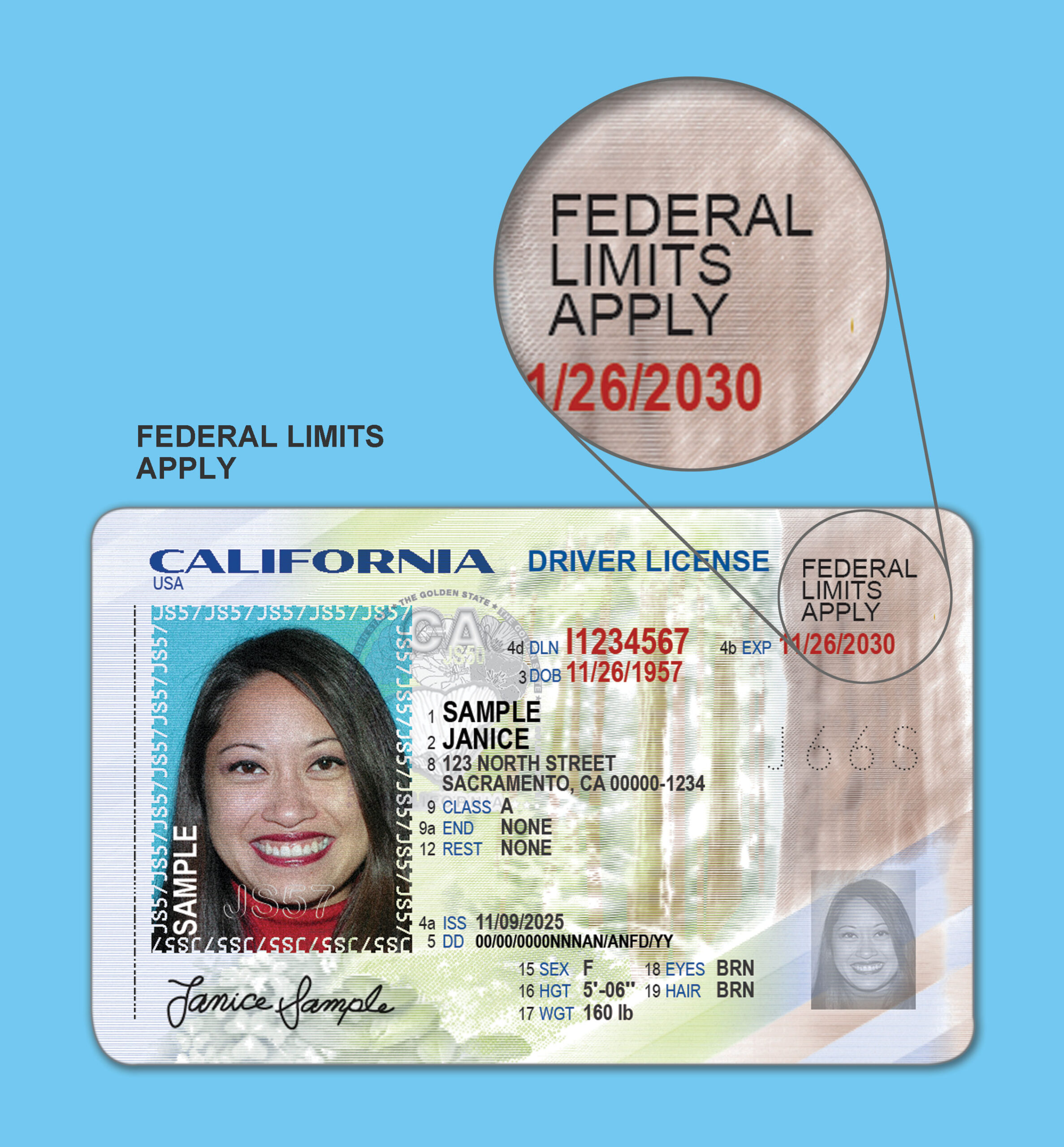
The Real ID is more than just an updated driver’s license or identification card; it’s a federal-compliant document designed to enhance security standards across the nation. Its implementation, stemming from the REAL ID Act of 2005, significantly impacts how individuals verify their identity for a range of federal purposes. For the modern Californian, understanding and fulfilling these requirements is not just about compliance, but about ensuring uninterrupted access to the opportunities and freedoms that define contemporary living.
Understanding the Real ID Mandate and Its Impact on Your Lifestyle
The transition to Real ID-compliant identification is a significant federal initiative that impacts millions of Americans. It’s essential to grasp the underlying reasons for this mandate and how it directly influences your ability to live, work, and travel freely within the United States. For many, the Real ID is an unseen but vital key to unlocking various aspects of their lifestyle, from spontaneous weekend getaways to essential business trips.
What is a Real ID?
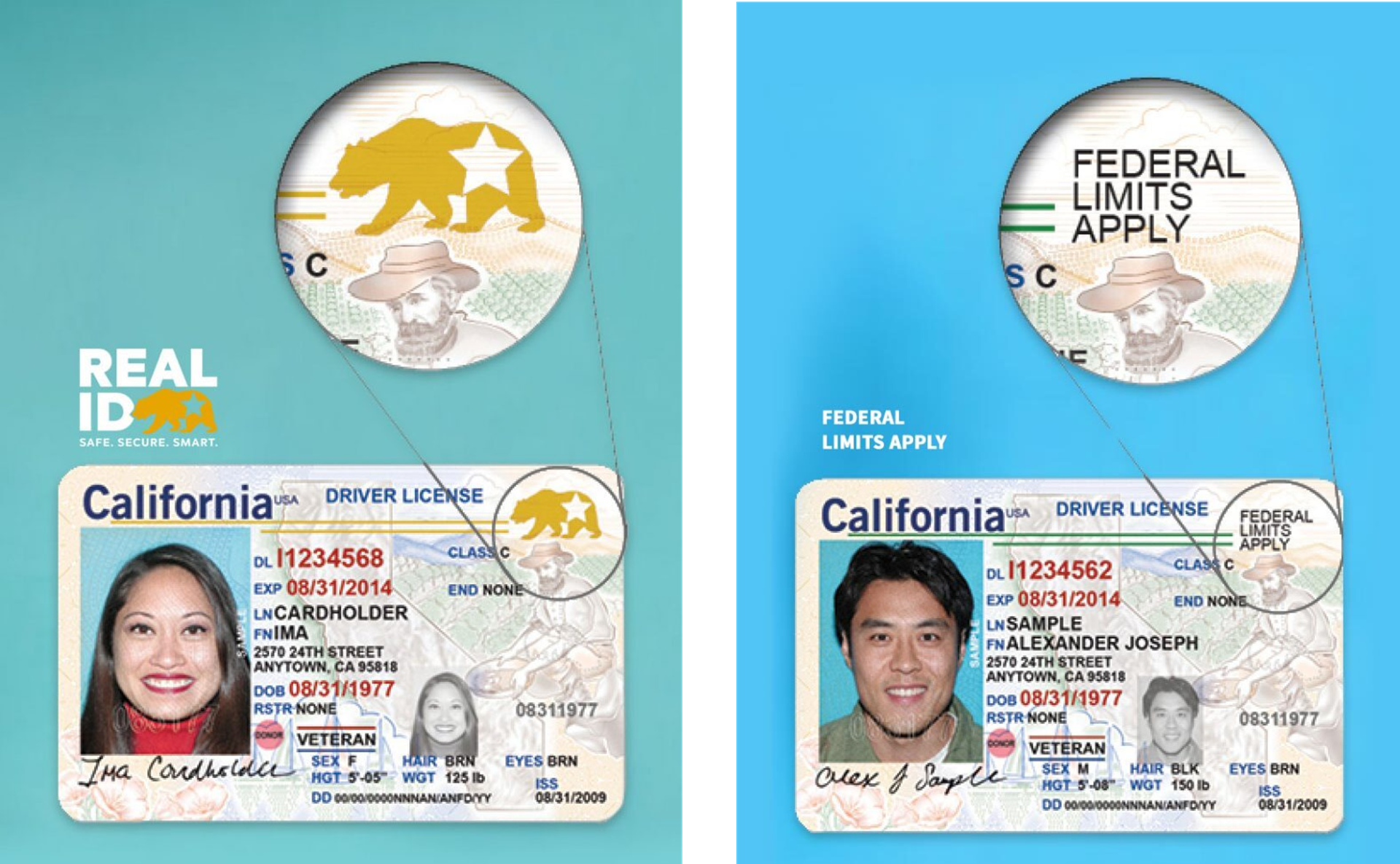
A Real ID is a state-issued driver’s license or identification card that meets stricter federal security standards. Unlike a standard California driver’s license or ID card, a Real ID-compliant document features a gold bear and star icon in the upper right-hand corner. This star signifies that the document has been issued in compliance with the federal REAL ID Act. This distinction is crucial because, while both a standard license and a Real ID will allow you to drive and prove your identity for most state-level purposes, only the Real ID (or an alternative federal document like a U.S. Passport) will be accepted for specific federal uses.
Why You Need a Real ID for Modern Living
The primary driver behind the Real ID mandate is national security. Following the events of September 11, 2001, the 9/11 Commission recommended that the U.S. government “set standards for the issuance of sources of identification, such as driver’s licenses.” The REAL ID Act was Congress’s response, establishing minimum security standards for state-issued driver’s licenses and identification cards and prohibiting federal agencies from accepting for certain purposes driver’s licenses and identification cards from states that do not meet these standards.
For your lifestyle, this translates directly into several key areas:
- Domestic Air Travel: Perhaps the most immediate and impactful consequence, a Real ID or an alternative acceptable document (like a U.S. Passport or military ID) will be required to board federally regulated commercial flights within the U.S. after the enforcement deadline. This directly affects leisure travel, family visits, and business travel, making it a cornerstone for anyone whose lifestyle involves air mobility.
- Accessing Federal Facilities: A Real ID will also be necessary to enter federal facilities, such as federal courthouses, military bases, and certain government offices. While this might not be a daily occurrence for everyone, for those whose professions or personal affairs intersect with federal institutions, a Real ID ensures unimpeded access.
- General Identification: Although not strictly mandated for general identification, possessing a Real ID streamlines many everyday interactions where identity verification is required, offering peace of mind and convenience.
The Department of Homeland Security (DHS) is the federal agency tasked with overseeing the implementation of the REAL ID Act, underscoring its importance to national security frameworks.
The Enforcement Deadline and Your Lifestyle Choices
The enforcement deadline for the REAL ID Act has been extended multiple times, causing some confusion. However, it’s critical to remember that eventually, the deadline will arrive. As of the current guidance, the deadline is set for May 7, 2025. After this date, a standard California driver’s license or ID card will no longer be accepted for domestic air travel or entry into federal facilities.
This deadline has significant implications for your lifestyle. Procrastinating on obtaining a Real ID could lead to unexpected disruptions to your travel plans, causing stress and potential financial loss. Imagine missing an important family event or a critical business meeting because your identification isn’t compliant. Proactive application ensures your lifestyle remains uninterrupted, allowing you to focus on experiences rather than administrative hurdles. Preparing now ensures that your ability to move freely and access necessary services remains unrestricted.
Essential Documents for Your California Real ID Application
The Real ID application process requires applicants to provide specific documentation to verify their identity, residency, and Social Security Number. Gathering these documents beforehand is the most critical step to a successful and smooth application, preventing multiple trips to the California DMV. This rigorous documentation process is part of the enhanced security measures required by federal law.
Proof of Identity
You must provide one document that establishes your true full name and date of birth. This document serves as the foundation for your identity verification.
Accepted documents include:
- Original or certified copy of a U.S. Birth Certificate.
- Valid U.S. Passport or U.S. Passport Card.
- Foreign Passport with a valid I-94 stamped by CBP.
- Certificate of Naturalization or Certificate of Citizenship.
- Valid Permanent Resident Card.
- Valid Employment Authorization Document (EAD) Card (I-766) or valid EAD Card with a Social Security Card.
It is paramount that the name on this identity document precisely matches the name you wish to appear on your Real ID. Any discrepancies will require additional documentation.
Proof of Social Security Number (SSN)
You must present one document containing your Social Security Number. The full SSN must be visible on the document.
Accepted documents include:
- Original Social Security (SSN) card.
- W-2 form.
- Pay stub with your full SSN.
- SSA-1099 form.
- Non-SSA-1099 form.
Ensure the SSN document presented matches the name on your identity document. If you do not have an SSN, you may need to provide a letter from the Social Security Administration (SSA) indicating you are not eligible for an SSN.
Proof of California Residency (Two Documents)
To prove you are a current resident of California, you must provide two different documents that show your California street address. P.O. boxes are generally not accepted for this purpose.
Accepted documents include:
- Utility bills (gas, electric, water, trash, cell phone, landline phone).
- Rental or lease agreement, or mortgage bill.
- Bank statements.
- Insurance documents (auto, health, life).
- Medical documents.
- School documents (for minors).
- Employment documents.
- Tax returns (federal or California).
It’s crucial to ensure both documents are current, bear your name, and display your physical street address in California. Using two different types of documents is usually recommended to avoid issues.
Proof of Name Change (if applicable)
If the name on your identity document differs from your current legal name (e.g., due to marriage, divorce, or court order), you must provide original or certified legal documents proving the name change.
Accepted documents include:
- Marriage certificate.
- Divorce decree.
- Adoption records.
- Court order for a name change.
Each document must demonstrate a clear link in the chain of names from your birth name to your current legal name. For example, if you married, divorced, and remarried, you might need all corresponding certificates and decrees.
Navigating the Application Process: A Step-by-Step Guide
Once you have meticulously gathered all the required documents, the application process itself is relatively straightforward. Following these steps will help ensure a smooth experience at the DMV and minimize potential delays. This structured approach is key to integrating the Real ID into your lifestyle without unnecessary friction.
Start Your Application Online with the DMV
The California DMV offers an online Real ID application that significantly streamlines the in-person visit. By completing the online form (driving test application), you can pre-fill much of your information, upload required documents (for review, not submission), and reduce the time spent at the DMV office. This step is highly recommended as it prepares you for your appointment and helps identify any potential document issues beforehand. You’ll receive a confirmation code upon completion, which you’ll need for your in-person visit.
Schedule an Appointment
While walk-ins are sometimes accommodated, scheduling an appointment with the California DMV is highly advisable, if not essential, for Real ID applications. DMV offices can be notoriously busy, and an appointment ensures you have a dedicated time slot, drastically reducing your waiting time. You can schedule an appointment online through the DMV website. Select “Real ID” or “Driver’s License/ID Card Application” when booking.
In-Person Visit to the DMV
On the day of your appointment, arrive punctually with all your original physical documents. Digital copies or photocopies are generally not accepted.
During your visit, you will:
- Check-in using your appointment confirmation.
- Present your completed online application confirmation code and all original documents to a DMV representative for verification.
- Have your photograph taken.
- Provide a fingerprint scan.
- Take a vision test.
- Pay the application fee.
- Sign an affidavit acknowledging that you understand and meet the Real ID requirements.
The DMV representative will carefully review your documents to ensure they meet federal and state requirements. Any missing or non-compliant documents will necessitate another visit.
Receiving Your Real ID
After completing your in-person visit and approval, you will typically be issued a temporary paper Real ID. This temporary document is valid for immediate use as proof of identity within California, but it is not valid for federal purposes like boarding an airplane. Your permanent, plastic Real ID card will be mailed to your address within a few weeks, usually within 2-4 weeks. It is crucial to check your mail regularly and to contact the DMV if you do not receive your card within the expected timeframe. Once received, your Real ID is ready to seamlessly integrate into your lifestyle, enabling compliant travel and access.
Common Pitfalls and Pro Tips for a Smooth Application
While the Real ID application process is designed to be user-friendly, certain common mistakes can lead to delays or repeated trips to the DMV. Being aware of these pitfalls and adopting a proactive approach can save you considerable time and frustration, ensuring your path to a compliant lifestyle document is as smooth as possible.
Double-Check All Documents
The most frequent reason for application rejection or delay is incomplete or incorrect documentation. Before your DMV appointment, create a checklist of all required documents and meticulously verify that each one is original, valid, and contains the correct information. Ensure names, dates, and addresses match across documents as much as possible, or that you have the necessary linking documents (like name change certificates).
Understand Name Discrepancies
If your legal name has changed over time (e.g., through marriage, divorce, or court order), ensure you have a complete “chain” of legal documents to connect your birth name to your current name. For example, if your birth certificate has your maiden name, but your current SSN card has your married name, you’ll need your marriage certificate to link the two. Without this clear lineage, your application may be stalled.
Appointments are Your Best Friend
Never underestimate the value of a scheduled appointment. Showing up without one, especially for a Real ID application which requires significant document review, can result in hours of waiting or being turned away entirely. Use the DMV’s online scheduling tool well in advance of your desired date.
Be Patient and Prepared
The DMV process, even with an appointment, can sometimes take time. Be prepared for potential waiting periods and bring any necessary comfort items (like a book or headphones). Most importantly, approach the process with patience and all your documents neatly organized. A prepared applicant is a confident applicant, leading to a much more efficient interaction with DMV staff. Remember, the goal is a secure and federally compliant identification that supports your lifestyle for years to come.
Obtaining your Real ID in California is an essential step towards maintaining a seamless and compliant lifestyle in the modern era. By understanding the requirements, meticulously gathering your documents, and following the application steps, you can secure this vital identification with minimal hassle. Don’t wait until the last minute; proactive application ensures that your ability to travel, access federal facilities, and navigate daily life remains uninterrupted, allowing you to focus on the experiences and opportunities that define your journey.
LifeOutOfTheBox is a participant in the Amazon Services LLC Associates Program, an affiliate advertising program designed to provide a means for sites to earn advertising fees by advertising and linking to Amazon.com. Amazon, the Amazon logo, AmazonSupply, and the AmazonSupply logo are trademarks of Amazon.com, Inc. or its affiliates. As an Amazon Associate we earn affiliate commissions from qualifying purchases.