
For many considering a long-term stay, relocation, or simply ensuring a stable lifestyle in the vibrant Sunshine State, understanding essential services like healthcare access is paramount. While the allure of Florida’s sun-drenched beaches, world-class attractions, and diverse cultural experiences often takes center stage, planning for one’s well-being provides the crucial foundation for enjoying all that this popular destination has to offer. Whether you’re a family contemplating a permanent move, a retiree looking for a comfortable new home, or an individual navigating budget travel while prioritizing health, securing reliable healthcare coverage is a critical component of a stress-free existence. Florida Medicaid stands as a vital program designed to assist eligible low-income individuals and families in accessing necessary medical services. This comprehensive guide will walk you through the intricacies of applying for Florida Medicaid, ensuring you have the knowledge to navigate the process effectively and secure peace of mind in your Florida lifestyle. Understanding this system isn’t just about healthcare; it’s about establishing a secure base for an enriched and comfortable experience, whether you’re exploring Miami’s bustling streets, enjoying the tranquility of Orlando’s theme parks, or settling into a quiet community on the Gulf Coast.
Understanding Florida Medicaid: A Foundation for Well-being in the Sunshine State
Medicaid is a joint federal and state program that provides healthcare coverage to millions of Americans, and in Florida, it plays a crucial role in supporting the health and well-being of its residents. It’s not merely an emergency safety net but a comprehensive health insurance program offering a wide range of medical services, including doctor visits, hospital stays, prescription medications, mental health services, and long-term care, for those who meet specific eligibility requirements. For individuals and families on a tight budget, or those managing a fixed income, understanding and accessing Florida Medicaid can significantly reduce financial strain related to healthcare costs, freeing up resources for other aspects of a fulfilling lifestyle, from enjoying local tourism to planning future accommodations.
The program aims to ensure that eligible residents, including children, pregnant women, parents/caretaker relatives, individuals with disabilities, and seniors, have access to necessary medical care, regardless of their ability to pay. This access is particularly vital in a state like Florida, which attracts a diverse population, including many retirees and families seeking new opportunities. For those planning a long-term stay, or even considering Florida as a seasonal home, integrating knowledge of local support systems like Medicaid into their lifestyle planning is indispensable. It underscores a commitment to self-care and smart financial management, ensuring that health concerns don’t derail travel plans, family adventures, or the enjoyment of Florida’s many landmarks. Familiarity with the program can also be a significant factor for those evaluating relocation, offering a layer of security that complements the state’s attractive climate and vibrant communities.
Who Is Florida Medicaid For? Navigating Eligibility Categories
Florida Medicaid serves a diverse range of beneficiaries, each falling into specific eligibility categories defined by federal and state guidelines. It’s not a one-size-fits-all program, and understanding where you or your family might fit is the first step in the application journey.
Firstly, children are a primary focus, with various programs like Medikids and programs for infants and toddlers (Healthy Kids program) ensuring comprehensive coverage. Access to quality pediatric care is crucial for families, impacting their ability to travel, settle, and enjoy life without constant worry about healthcare expenses for their little ones. This makes Florida an even more attractive destination for families considering extended stays or permanent relocation.
Pregnant women are another priority group, with Medicaid providing essential prenatal, delivery, and postpartum care. Ensuring the health of both mother and child is fundamental, offering immense peace of mind during a critical life stage, whether one is experiencing it in a bustling Tampa neighborhood or a quieter Sarasota community. This support reinforces Florida’s appeal as a family-friendly state.
Parents and caretaker relatives who have dependent children and meet specific income thresholds can also qualify. This category is vital for maintaining family stability and ensuring that primary caregivers have access to the healthcare they need to support their households. For those managing a family budget, especially amidst the costs associated with travel and accommodation, this coverage can be a significant advantage.
Furthermore, individuals with disabilities who receive Supplemental Security Income (SSI) or meet specific disability criteria and income/resource limits are eligible. Medicaid often provides critical services, including home and community-based care, that allow individuals with disabilities to live more independently and participate more fully in their communities, enjoying local attractions and experiences. Similarly, seniors who receive SSI or require long-term care services can often qualify, offering essential support for aging in place or accessing necessary nursing facility care. For retirees flocking to Florida’s warm climate, this aspect of Medicaid is an invaluable resource for planning their long-term lifestyle and accommodation needs.
Finally, former foster care youth up to age 26, regardless of income, can also receive Medicaid coverage, providing a crucial bridge as they transition into adulthood. Each of these categories underscores Florida Medicaid’s role in fostering a healthier, more secure environment for a broad spectrum of its residents, contributing to the overall quality of life and making the state an even more appealing place for both short-term visitors and long-term inhabitants.
Navigating the Application Process: Your Guide to Healthcare Access
Applying for Florida Medicaid can seem like a daunting task, but with a structured approach, it becomes a manageable process. The key is thorough preparation and understanding the various channels available for submission. Whether you prefer the convenience of online applications or the reassurance of in-person assistance, Florida provides multiple avenues to ensure accessibility for all eligible residents. This flexibility is particularly beneficial for individuals new to the state, seasonal residents, or those managing busy schedules that often come with balancing travel, work, and family life. By simplifying the application journey, Florida aims to make healthcare access as straightforward as possible, allowing residents to focus on enjoying the state’s vibrant lifestyle, from its beautiful hotels and resorts to its natural landmarks.
Initial Steps: Gathering Your Information
Before you even begin filling out forms, the most crucial step is to meticulously gather all required documentation and information. Having everything organized beforehand will expedite the process and prevent delays. Think of it like packing for a major trip; you wouldn’t leave without your passport and tickets. For Medicaid, a similar level of preparedness is essential for a smooth journey to coverage.
You will typically need to provide proof of identity, such as a driver’s license, state ID, or passport. Evidence of your Florida residency is also mandatory, which can include a utility bill, lease agreement, or mail with your current address. For those who frequently travel or have multiple residences, ensuring clear proof of your primary Florida residence is especially important.
Financial information is a cornerstone of the application. This includes proof of all household income sources, such as pay stubs, tax returns, Social Security benefit letters, or unemployment compensation statements. You’ll also need to disclose information about any resources or assets you own, although some, like your primary home and one vehicle, are typically exempt. Providing accurate and complete financial data is critical for determining eligibility based on income and resource limits.
Furthermore, you’ll need the Social Security numbers (SSNs) and dates of birth for all household members applying for benefits. Proof of citizenship or qualified non-citizen status (e.g., birth certificate, US passport, green card, visa documents) will also be required. If applying due to a disability, medical documentation verifying the disability will be necessary. For pregnant women, documentation of pregnancy from a healthcare provider will be needed. Organizing these documents into a clear folder or a digital file will save significant time and stress during the application process. This preparation ensures that when you choose your application method, you are fully equipped to complete it efficiently.
Choosing Your Application Method: Pathways to Coverage
Florida offers several convenient ways to apply for Medicaid, catering to different preferences and accessibility needs. Selecting the method that best suits your circumstances can make the application experience much smoother.
The most popular and often fastest method is the online application through the MyACCESS Florida portal. This secure online system allows applicants to create an account, fill out the application electronically, upload necessary documents, and track the status of their application from the comfort of their home or any location with internet access. This option is particularly convenient for digital nomads or those accustomed to managing their affairs online, offering flexibility that aligns with a modern, mobile lifestyle. The MyACCESS Florida portal is intuitive and guides users step-by-step through the application, reducing the chances of errors.
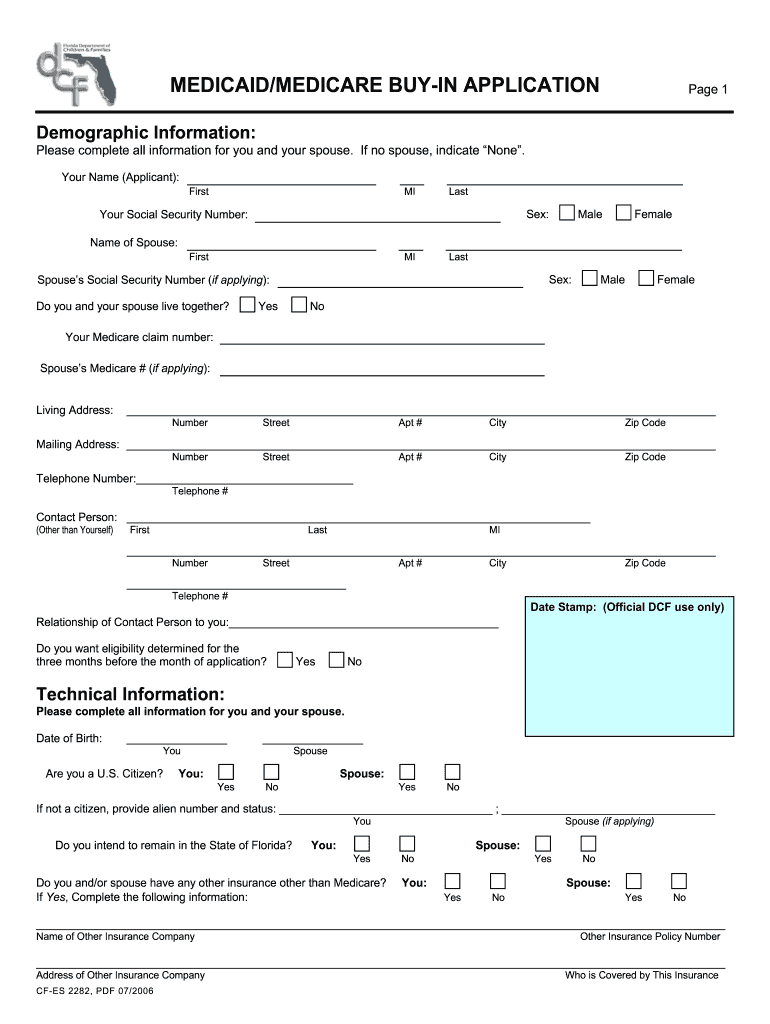
For those who prefer traditional methods or lack consistent internet access, applying by mail is a viable alternative. You can download the application forms from the Florida Department of Children and Families (DCF) website, print them, fill them out manually, and mail them to the appropriate processing center. This method may take longer due to mailing times, so it’s advisable to send applications well in advance and keep copies of everything for your records. This is a solid option for individuals in more rural areas or those less comfortable with digital interfaces.
In-person application provides the benefit of direct assistance. You can visit a local DCF service center or a community partner organization that assists with Medicaid applications. While waiting times may vary, having a representative guide you through the forms and answer questions on the spot can be invaluable, especially for complex cases or if you need help understanding specific requirements. This can be particularly useful for newcomers to Florida who might appreciate direct interaction and local guidance, much like seeking advice from a local tourism office.
Lastly, some individuals may be able to apply by phone through specific helplines, especially for emergency situations or if they are already enrolled in other state programs. While less common for initial comprehensive applications, it’s worth inquiring if this option is suitable for your specific needs by contacting the Florida Medicaid information line. Regardless of the chosen method, ensure all information is accurate and complete to prevent delays in processing your application for vital healthcare coverage.
Eligibility Criteria: Ensuring You Qualify for Florida Medicaid
Meeting the specific eligibility criteria is the most critical hurdle in securing Florida Medicaid. These criteria are multifaceted, encompassing income, resources, residency, and citizenship status, as well as specific categorical requirements based on household composition or medical needs. Understanding these parameters before you apply is essential to determine your likelihood of approval and to prevent wasted effort. For anyone considering Florida for a long-term stay or permanent residency, particularly those managing budgets carefully, familiarizing oneself with these requirements is as important as researching accommodation options or local attractions. It’s part of a holistic approach to a secure and enjoyable lifestyle in the Sunshine State.
Income and Resource Limits: The Financial Gatekeepers
The primary determinants for Florida Medicaid eligibility revolve around an applicant’s financial situation. Income and resource limits are set by the state and federal government and are subject to change, often annually. It’s crucial to consult the most current guidelines available on the MyACCESS Florida website or through the DCF.
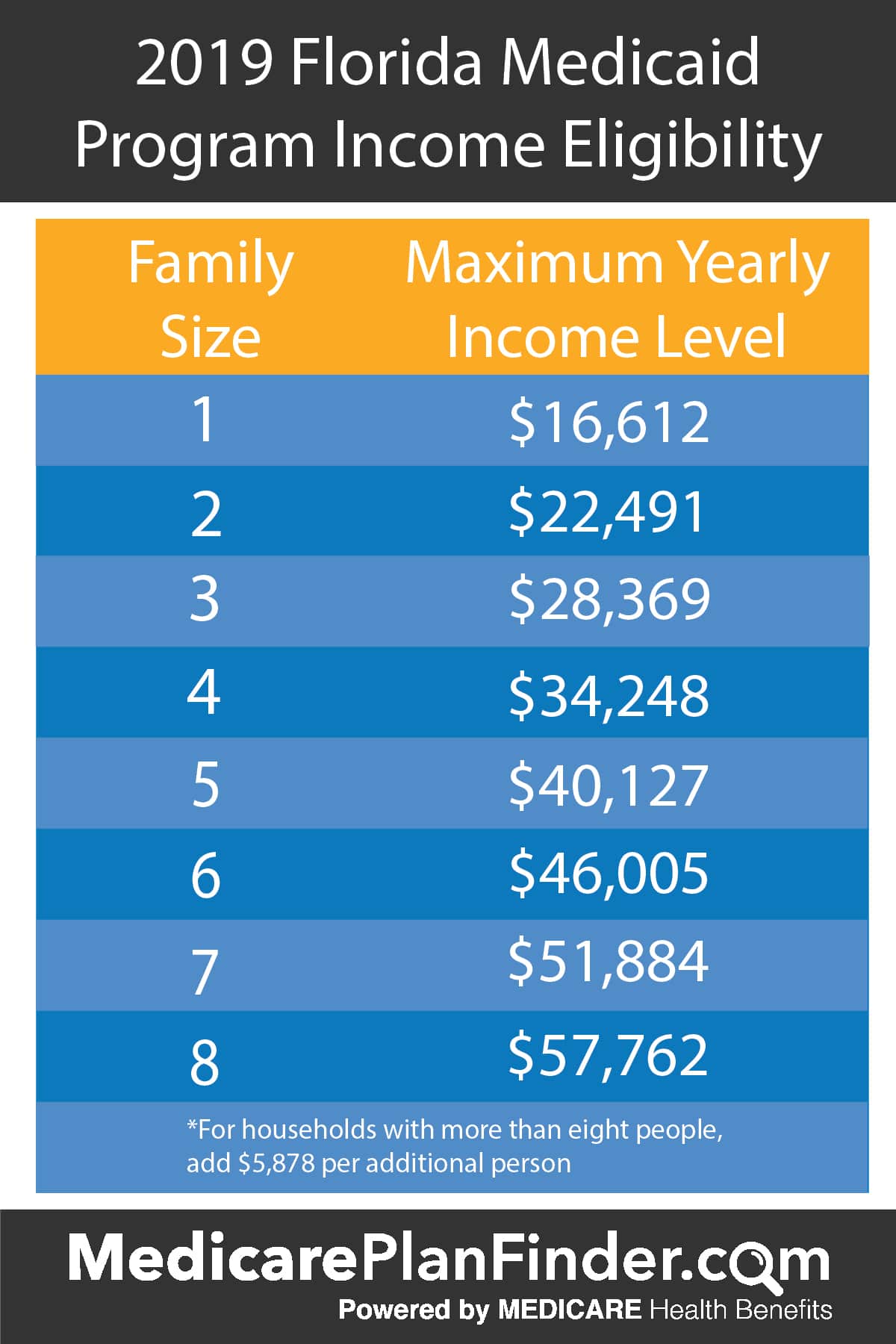
Income limits vary significantly depending on the specific Medicaid program you are applying for and your household size. For instance, pregnant women and children typically have higher income thresholds than other adult categories. Generally, the income is compared to the Federal Poverty Level (FPL), with eligibility often set at a certain percentage of the FPL. All sources of earned and unearned income for every household member are usually counted, including wages, Social Security benefits, pensions, and self-employment income. For individuals contemplating relocation to Florida, understanding how their current income translates into Florida’s eligibility standards is a vital step in financial planning.
In addition to income, resource limits (also known as asset limits) are also considered for certain Medicaid programs, particularly for programs for the aged, blind, or disabled, and for long-term care. Resources include cash, bank accounts, stocks, bonds, and other countable assets. However, several assets are typically considered exempt, meaning they do not count towards the limit. These commonly include your primary residence (up to a certain equity value), one vehicle, household goods, and personal effects. It’s important to differentiate between countable and exempt resources carefully during the application process. For those enjoying a comfortable retirement or managing significant assets, understanding these distinctions is key to determining eligibility for various programs that could support their lifestyle and healthcare needs in Florida.
Residency and Citizenship Requirements: Your Connection to Florida
Beyond financial standing, proving your connection to both the United States and the state of Florida is a fundamental requirement for Medicaid eligibility. These criteria ensure that benefits are directed to those for whom they are intended, supporting the state’s residents.
Firstly, to be eligible for Florida Medicaid, you must be a resident of Florida. This means you intend to live in Florida permanently or for an indefinite period, and you physically reside in the state. Simply owning property or visiting seasonally may not be sufficient to establish residency for Medicaid purposes, though seasonal residents with established primary residence in Florida could qualify. Documentation such as a Florida driver’s license, voter registration, utility bills, or a rental agreement can serve as proof of residency. For those who enjoy extended stays in various locations, perhaps splitting their time between a resort in Naples and a condo in Fort Lauderdale, clearly establishing your primary, legal residence in Florida is an absolute necessity.
Secondly, applicants must be either a U.S. citizen or a qualified non-citizen. Qualified non-citizens typically include lawful permanent residents (green card holders), refugees, asylees, and certain other immigration statuses. Undocumented immigrants are generally not eligible for full Medicaid benefits, though they may qualify for emergency Medicaid for life-threatening conditions. Proof of citizenship can be a birth certificate, U.S. passport, or naturalization certificate. For qualified non-citizens, various immigration documents from the U.S. Citizenship and Immigration Services (USCIS) are required. This includes green cards, asylum approval letters, or refugee status documentation. The requirement for proof of legal status is a standard federal mandate across all Medicaid programs. Understanding and providing this documentation accurately is a critical step in the application process, ensuring that your journey towards healthcare coverage in the Sunshine State progresses smoothly and without unnecessary complications.
Post-Application: What to Expect Next
Once you’ve meticulously gathered your documents and submitted your Florida Medicaid application, the waiting period begins. This phase is often accompanied by anticipation, but knowing what to expect can alleviate stress and empower you to respond promptly to any further requests. The process doesn’t end with submission; it continues with reviews, communications, and ultimately, the management of your benefits. This is a crucial part of integrating healthcare into your Florida lifestyle, ensuring that the initial effort in applying translates into ongoing security and access to medical care. Just as you would confirm your hotel booking or travel itinerary, it’s vital to track your Medicaid application to ensure a seamless transition to coverage.
The Review Process and Communication: Staying Informed
After submission, your application enters the review process by the Florida Department of Children and Families (DCF). The timeframe for processing can vary based on caseloads, the completeness of your application, and the specific Medicaid program you’ve applied for. While some applications might be processed within a few weeks, others could take up to 45 days (or even longer for disability-related programs, up to 90 days). It’s always advisable to apply well in advance of needing coverage, if possible, to account for these processing times.
During the review, the DCF may reach out to you for additional information or clarification. This is a common step and should not be a cause for concern, but it underscores the importance of responding promptly. Failure to provide requested documents or information by the specified deadline can lead to delays or even denial of your application. Communications will typically be sent via mail to the address you provided, or you may receive notifications through your MyACCESS Florida account if you applied online. Regularly checking your mail and your online portal is therefore critical.
Once a decision is made, you will receive a formal notice of eligibility or denial. If approved, this notice will confirm your enrollment and provide details on how to proceed with selecting a health plan. If denied, the notice will explain the reason for the denial and inform you of your right to appeal the decision. Understanding the reasons for denial is important, as it may allow you to address the issues and reapply, or to pursue an appeal if you believe an error was made. This structured communication ensures transparency and allows applicants to stay fully informed throughout the process, which is a key element for managing any significant life decision, including healthcare for your Florida lifestyle.

Managing Your Benefits: Ongoing Access to Care
Congratulations! If your Florida Medicaid application is approved, the next phase involves understanding and actively managing your benefits to ensure continuous access to care. This isn’t a one-time setup; it’s an ongoing relationship with the healthcare system that requires periodic attention.
A primary step upon approval is selecting a managed care plan. Florida’s Medicaid program primarily operates through a managed care model. This means you will typically choose a health plan from a list of approved providers in your area, such as Sunshine Health, Humana Medical Plan, or Molina Healthcare. These plans contract with networks of doctors, hospitals, and specialists, and you will receive your medical services through your chosen plan. You will receive information on how to select a plan, often through a welcome packet from Florida Medicaid or a separate managed care enrollment broker. It’s crucial to select a plan that meets your needs and includes your preferred healthcare providers, especially if you have existing relationships with doctors or specific medical conditions requiring specialized care.
Another vital aspect of managing your benefits is the annual redetermination process. To ensure that only eligible individuals continue to receive benefits, Florida Medicaid requires beneficiaries to renew their eligibility periodically, usually once every 12 months. You will receive a notice when it’s time for redetermination, and you’ll need to update your income, resources, household composition, and other relevant information. This process is similar to the initial application but typically streamlined. Failing to complete the redetermination on time can lead to a lapse in coverage.
Finally, it is essential to report changes in circumstances to DCF as they occur. This includes changes in income, household size (e.g., birth of a child, someone moving out), residency, or other factors that could affect your eligibility. Reporting these changes promptly ensures that your benefits are accurately maintained and prevents potential issues, such as receiving benefits you are no longer qualified for, which could lead to repayment obligations. By staying proactive and informed, you can effectively manage your Florida Medicaid benefits, ensuring continuous access to vital healthcare services as you enjoy all aspects of life in the Sunshine State, from exploring its vibrant tourism to settling into a comfortable accommodation.
Securing healthcare coverage through Florida Medicaid is a fundamental step toward achieving a stable and enjoyable lifestyle in the Sunshine State. Whether you are considering a permanent move, planning an extended family trip, or simply seeking peace of mind for your well-being, understanding this vital program is paramount. By carefully navigating the application process, diligently gathering required documents, and staying informed about eligibility criteria and ongoing benefit management, you can unlock access to comprehensive medical care. This security frees you to fully embrace Florida’s countless opportunities, from its world-renowned attractions and beautiful landmarks to its diverse local culture and culinary delights. Proactive engagement with your healthcare planning, much like thoughtful itinerary planning for a trip, ensures that your Florida experience is not only memorable but also safe and sustainable. Embrace the process, secure your health, and fully immerse yourself in the vibrant lifestyle that Florida so generously offers.
LifeOutOfTheBox is a participant in the Amazon Services LLC Associates Program, an affiliate advertising program designed to provide a means for sites to earn advertising fees by advertising and linking to Amazon.com. Amazon, the Amazon logo, AmazonSupply, and the AmazonSupply logo are trademarks of Amazon.com, Inc. or its affiliates. As an Amazon Associate we earn affiliate commissions from qualifying purchases.