
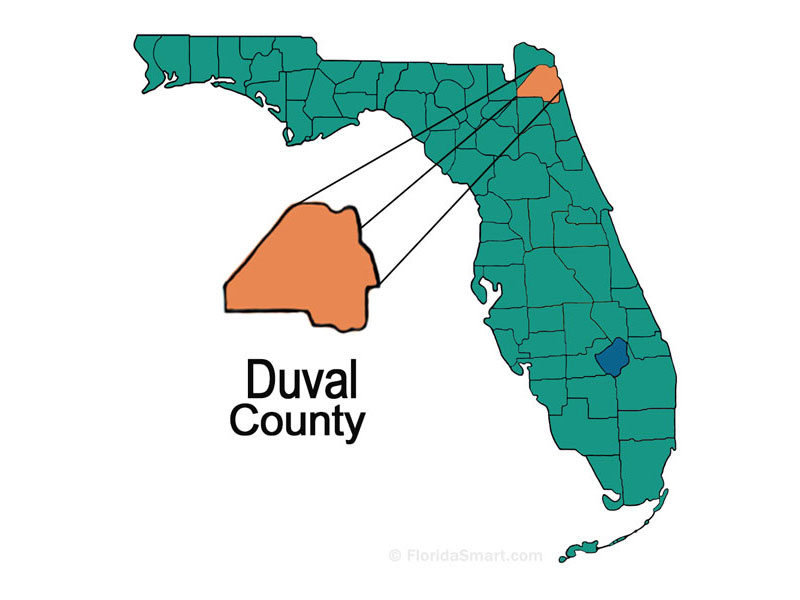
Nestled in the sun-drenched northeastern corner of the Florida peninsula, Duval County stands as a vibrant testament to coastal charm, urban sophistication, and rich historical tapestry. For anyone wondering “Where is Duval County, Florida?”, the answer is straightforward yet layered with intrigue. It is located in the USA’s Sunshine State, with its heart being the sprawling metropolis of Jacksonville. Unique among American counties, Duval County and its county seat, Jacksonville, share a special relationship, largely operating as a consolidated government since 1968. This makes Jacksonville the largest city by land area in the contiguous United States, effectively making the city and county nearly coextensive.
This geographical and political singularity means that when you explore Duval County, you are, in essence, discovering Jacksonville itself—a dynamic destination that offers an extensive array of experiences for every type of traveler. From its pristine beaches bordering the Atlantic Ocean to a bustling Downtown Jacksonville filled with cultural landmarks and innovative cuisine, Duval County is far more than just a point on a map; it’s a gateway to diverse travel, tourism, and lifestyle adventures. Whether you’re planning a family trip, a romantic getaway, a business stay, or a solo exploration, understanding the landscape and offerings of this distinctive Florida county is the first step toward an unforgettable journey.
The Geographic Heart of Northeast Florida
Geographically, Duval County holds a prime position in Northeast Florida. To its north lies Nassau County, to the south, St. Johns County, and to the southwest, Clay County. Its eastern flank is graced by the vast expanse of the Atlantic Ocean, blessing the region with miles of picturesque coastline. Dominating the county’s interior landscape and serving as its lifeblood is the majestic St. Johns River. This impressive waterway flows northward, cutting through the heart of Duval County before emptying into the Atlantic Ocean. The river has been a pivotal feature throughout the region’s history, influencing its economy, ecology, and the very fabric of its local culture.
The unique consolidation of city and county governments in 1968 created a unified administrative body, streamlining services and fostering a cohesive identity for the area. This means that travelers planning a visit often refer to “Jacksonville” when they mean Duval County as a whole, encompassing everything from the urban core to the outlying coastal communities. This administrative setup ensures a consistent approach to development and preservation, contributing to the area’s appeal as a destination for both residents and tourists seeking diverse experiences. From a tourism perspective, this integration simplifies navigation and access to attractions, offering a seamless exploration of what is essentially one expansive and vibrant destination.
Unveiling Duval’s Diverse Attractions
Duval County is a treasure trove of attractions, catering to every interest, from sun-seekers and history buffs to art enthusiasts and nature lovers. The diversity of its offerings ensures that every travel itinerary can be packed with unique experiences, showcasing why this part of Florida is a premier destination.
Coastal Charms and Water Adventures
The county’s eastern border along the Atlantic Ocean is a major draw, featuring some of Florida’s most inviting beaches. Jacksonville Beach, Neptune Beach, and Atlantic Beach form a triumvirate of popular coastal destinations. These beaches are perfect for classic seaside activities such as swimming, sunbathing, and building sandcastles. For the more adventurous, the waves offer excellent surfing opportunities, while anglers can enjoy fishing from piers or charter boats. The relaxed, laid-back lifestyle of these beach towns, characterized by oceanfront dining and charming boutiques, creates an idyllic escape.
Beyond the ocean, the Intracoastal Waterway weaves through the eastern part of the county, providing calm waters ideal for boating, kayaking, and paddleboarding. These waterways offer a different perspective of Duval County’s natural beauty, inviting visitors to explore serene marshlands and observe diverse wildlife. For those seeking accommodation with water access, many resorts and vacation rentals dot the coastline and waterway, promising stunning views and direct access to aquatic adventures, epitomizing luxury travel and family-friendly experiences.
Urban Sophistication and Cultural Riches
Moving inland, Downtown Jacksonville pulsates with a vibrant urban energy and a thriving cultural scene. Art and history enthusiasts will find a plethora of landmarks and institutions to explore. The Museum of Science & History (MOSH) offers interactive exhibits for all ages, focusing on natural sciences and local history. The Cummer Museum of Art & Gardens provides a serene escape with its exquisite art collection spanning centuries and beautifully manicured gardens overlooking the St. Johns River. Meanwhile, the Jacksonville Museum of Modern Art (MOCA Jacksonville), affiliated with the University of North Florida, showcases contemporary works, pushing artistic boundaries.
The city’s charm extends to its historic neighborhoods, each with a distinct character. San Marco, known for its European-inspired architecture, boutique shops, and a charming square, offers a sophisticated dining and shopping experience. Avondale and Riverside boast tree-lined streets, historic homes, art galleries, and an eclectic mix of independent businesses and restaurants, reflecting Duval County’s commitment to preserving its architectural heritage and fostering a thriving local culture. These areas are not just places to visit but experiences in themselves, perfect for leisurely strolls and discovering unique finds.
Natural Wonders and Historic Echoes
For those who crave the tranquility of nature and a glimpse into the past, Duval County provides ample opportunities. The Timucuan Ecological and Historic Preserve is a vast protected area that brilliantly intertwines nature with history. Here, visitors can explore pristine salt marshes, coastal dunes, and maritime forests, which are home to diverse ecosystems. Within the preserve lies Kingsley Plantation, Florida’s oldest surviving plantation house, offering a sobering yet essential look into the state’s antebellum history. This landmark is a powerful reminder of the region’s complex past and the lives that shaped it.
Other notable natural attractions include Kathryn Abbey Hanna Park, a coastal park offering beach access, freshwater lakes for kayaking, and extensive biking trails, making it a favorite for outdoor enthusiasts and family trips. While technically located in neighboring Nassau County, Fort Clinch State Park is often associated with the broader Jacksonville area for tourism, offering a historic fort, pristine beaches, and camping facilities. These natural spaces provide invaluable opportunities for ecotourism, allowing visitors to connect with Florida’s unique environment and historical narratives.

A Thriving Hub: Economy, Culture, and Lifestyle
Duval County’s identity is not solely defined by its attractions but also by its robust economy, dynamic culture, and diverse lifestyle offerings. This makes it an attractive place for both short-term visits and long-term stays, embodying various aspects of modern living and tourism.
Economic Engines and Community Vibrancy
The economy of Duval County is notably diverse, with key sectors including finance, healthcare, logistics, and, of course, tourism. Jacksonville’s status as a significant port city underscores its importance in trade and transportation, acting as a critical hub for goods moving in and out of the southeastern United States. The presence of major military installations, such as Naval Air Station Jacksonville and Naval Station Mayport, further strengthens the local economy and adds to the vibrant, diverse community.
Sports play a significant role in the local culture and lifestyle, drawing enthusiastic crowds and fostering a strong sense of community pride. The Jacksonville Jaguars of the NFL electrify fans at EverBank Stadium (formerly TIAA Bank Field), making game days a major event for both locals and visiting sports tourism enthusiasts. Baseball fans can catch the Jacksonville Jumbo Shrimp, a Minor League Baseball team, at 121 Financial Park. Beyond professional sports, the county also hosts various college sports events and prestigious golf tournaments, including The Players Championship at TPC Sawgrass in nearby Ponte Vedra Beach (St. Johns County), attracting golf aficionados globally and solidifying Duval County’s reputation as a sporting destination. These events contribute significantly to the local economy and offer exciting activities for visitors.
Gastronomic Delights and Local Flavors
The food scene in Duval County is as diverse as its population, reflecting both its coastal heritage and its cosmopolitan influences. Fresh seafood is a staple, with countless restaurants offering everything from casual fish camps to upscale dining experiences featuring the day’s catch. Beyond seafood, the culinary landscape embraces Southern comfort food, international cuisines from around the globe, and innovative farm-to-table concepts. The rise of craft breweries and artisanal eateries has added another layer to the gastronomic appeal, making Duval County a delightful destination for foodies. Exploring the local food scene is an integral part of experiencing the local culture, offering insights into the community’s tastes and traditions.
Demographically, Duval County is a rich mosaic of different ethnic and cultural groups. This diversity is a source of strength, contributing to a vibrant community and a wide array of cultural offerings, festivals, and events throughout the year. The population has seen steady growth, drawn by job opportunities, a relatively affordable cost of living compared to other major Florida cities, and a high quality of life that balances urban amenities with natural beauty. This blend of cultures enhances the visitor experience, offering a deeper understanding of the community.
Planning Your Duval County Escape
Embarking on a journey to Duval County requires thoughtful planning to maximize your travel experience, from choosing the right accommodation to understanding local transportation and the best times to visit.
Your Home Away From Home: Accommodation Options
Duval County offers an extensive range of accommodation options to suit every preference and budget. Travelers can choose from luxury hotels and resorts situated in Downtown Jacksonville or directly on the beachfront, providing opulent suites, state-of-the-art amenities, and unparalleled service. For those seeking a more personal or extended stay, there are charming boutique hotels, cozy bed and breakfasts, and a wide selection of vacation rentals including apartments and villas, perfect for family trips or group travel. Major hotel chains also have a strong presence, offering reliable comfort and convenience across the county. When considering your stay, it’s advisable to explore booking platforms, read guest reviews, and compare options to find the perfect fit for your travel lifestyle, whether it’s budget travel or a lavish retreat.

Navigating and Discovering Duval County
Transportation within Duval County is primarily road-based, with major interstates I-95 and I-10 serving as crucial arteries connecting various parts of the region and facilitating travel to other Florida destinations. For air travelers, Jacksonville International Airport (JAX) serves as the main gateway, offering flights to numerous domestic and international destinations. While public transportation is available through the Jacksonville Transportation Authority (JTA), renting a car is often recommended for exploring the wider area at your own pace, especially if you plan to venture beyond the urban core to the beaches or natural preserves.
Historically, the land now known as Duval County was originally inhabited by the Timucua people. European exploration began in the 16th century, with the French establishing Fort Caroline in 1564, soon followed by Spanish claims. The region eventually transitioned through British and American control, ultimately being named after William P. Duval, Florida’s first territorial governor. Its strategic location on the St. Johns River made it a pivotal site for trade and military operations throughout these historical shifts, adding layers of depth to its modern identity.
For visitors, the optimal time to experience Duval County is during the spring (March to May) or fall (September to November) months. During these seasons, the weather is typically mild and pleasant, ideal for outdoor activities and sightseeing, allowing travelers to avoid the intense heat and humidity of summer and the occasional cooler, unpredictable winter days. Throughout the year, Duval County hosts a variety of major events and festivals, ranging from music and arts celebrations to food and cultural gatherings, further enhancing its appeal as a dynamic and engaging travel destination.
In conclusion, Duval County, Florida, offers a compelling blend of natural beauty, urban excitement, rich history, and modern amenities. Its unique consolidated government with Jacksonville creates a expansive destination ripe for exploration. Whether you’re drawn by the allure of Atlantic Ocean beaches, the cultural richness of its museums and historic neighborhoods, or the thrill of professional sports, Duval County promises a memorable experience for every traveler.
LifeOutOfTheBox is a participant in the Amazon Services LLC Associates Program, an affiliate advertising program designed to provide a means for sites to earn advertising fees by advertising and linking to Amazon.com. Amazon, the Amazon logo, AmazonSupply, and the AmazonSupply logo are trademarks of Amazon.com, Inc. or its affiliates. As an Amazon Associate we earn affiliate commissions from qualifying purchases.