
Navigating the landscape of housing in Texas can be a complex yet rewarding endeavor, whether you’re seeking a temporary haven or a permanent residence. This guide is meticulously crafted to illuminate the pathways and processes involved in securing accommodation across the Lone Star State, focusing on the diverse array of options available to residents and newcomers alike. From the bustling urban centers of Dallas and Houston to the charming historic districts of San Antonio and the vibrant cultural hubs of Austin, Texas offers a housing spectrum to suit every preference and budget.
Understanding the Texas Housing Market
The Texas housing market is as expansive and diverse as the state itself. Understanding its nuances is the first crucial step in a successful application process. This includes grasping the prevailing rental rates, the types of properties commonly available, and the general economic factors influencing availability and cost.
Rental Market Dynamics
Texas boasts a robust rental market, with options ranging from single-family homes and apartments to duplexes and townhouses. Major metropolitan areas typically experience higher demand and, consequently, higher rental prices, especially in prime locations. However, even within these cities, exploring neighborhoods slightly further from the downtown core can reveal more affordable alternatives. The state’s steady population growth, driven by a strong job market and a favorable business climate, consistently fuels demand for housing. This means that popular areas can see properties leased quickly, underscoring the importance of preparation and prompt action.
Property Types and Availability
The sheer size of Texas translates into a wide variety of housing stock. In suburban areas, single-family homes are prevalent, often featuring yards and garages, catering to families and those seeking more space. Urban environments, on the other hand, are characterized by a higher concentration of apartment complexes, condominiums, and townhomes. These often come with amenities such as swimming pools, fitness centers, and controlled access, appealing to professionals and those who prioritize convenience and community. For those with specific needs, such as extended stays or unique living arrangements, the state also offers furnished apartments, extended-stay hotels, and even short-term rental platforms, though this guide primarily focuses on longer-term accommodation solutions.
Economic Influences on Housing
Texas has experienced significant economic growth in recent decades, with sectors like technology, energy, and healthcare booming. This economic vitality directly impacts the housing market, creating a competitive environment, particularly for desirable properties. Understanding the local economic indicators of the specific city or region you are interested in can provide valuable insight into rental trends and potential for negotiation. For instance, areas experiencing a surge in new businesses might see an increased demand for rental units, influencing pricing and availability. Conversely, areas with a more stable economic base might offer more predictable rental markets.
Essential Steps for Applying for Housing
The application process for housing in Texas generally follows a standard, albeit sometimes rigorous, procedure. Being prepared with necessary documents and understanding the typical requirements will streamline your journey.
Gathering Necessary Documentation
Before you even begin searching actively, it is highly recommended to compile a comprehensive portfolio of your personal and financial information. This proactive approach will enable you to act swiftly when you find a property you like. Key documents typically include:
- Proof of Income: This is paramount for landlords and property managers to ascertain your ability to pay rent. Pay stubs from the last 30-60 days, a letter of employment from your employer detailing your salary and position, or tax returns for self-employed individuals are commonly requested. A general rule of thumb is that your gross monthly income should be at least three times the monthly rent.
- Identification: A valid government-issued photo ID, such as a driver’s license or passport, is required for all adult applicants.
- Credit Report: Most landlords will run a credit check to assess your financial responsibility. Having a copy of your recent credit report from major bureaus like Equifax, Experian, or TransUnion can give you a preview of what they will see and allow you to address any discrepancies beforehand.
- Rental History: References from previous landlords can be invaluable. Be prepared to provide contact information for your past landlords, and ensure you have maintained positive relationships and paid your rent on time.
- Bank Statements: Some landlords may request recent bank statements to verify your financial stability and ensure you have sufficient funds for deposits and initial rent payments.
- Social Security Number: This is typically required for background checks and lease agreements.
The Application Form and Screening Process
Once you identify a property, you will be asked to complete a rental application form. This document will formally request all the information mentioned above, along with details about any other occupants and pets. It is crucial to fill this out truthfully and completely.
The screening process typically involves:
- Credit Check: As mentioned, your credit history will be reviewed. A lower credit score might lead to a higher security deposit or even denial of the application.
- Background Check: This may include criminal history and eviction records. Landlords aim to ensure a safe and reliable tenant community.
- Income Verification: Your provided income documentation will be cross-referenced to confirm its accuracy.
- Rental History Verification: Previous landlords will be contacted to confirm your tenancy and payment history.
Understanding Leases and Agreements
The lease agreement is a legally binding contract between you and the landlord. It outlines the terms of your tenancy, including:
- Lease Duration: This can range from month-to-month to a fixed term, typically 12 months.
- Rent Amount and Due Date: Clearly stated, along with any late fees.
- Security Deposit: The amount required, how it will be held, and the conditions under which it will be returned. In Texas, security deposits are generally refundable if the tenant leaves the property in good condition and pays rent in full, minus any unpaid rent or damages beyond normal wear and tear.
- Pet Policies: If you have pets, ensure they are allowed and understand any associated fees or deposits.
- Maintenance and Repairs: Responsibilities for routine maintenance and emergency repairs.
- Rules and Regulations: Such as noise ordinances, guest policies, and modifications to the property.
It is imperative to read the lease thoroughly before signing. Do not hesitate to ask questions about any clause you do not understand.
Finding Rental Properties in Texas

The methods for finding suitable housing in Texas have evolved, offering a blend of traditional and digital approaches. Utilizing a combination of these strategies can broaden your search and increase your chances of finding the perfect fit.
Online Listing Platforms
The internet has revolutionized the way people search for accommodation. Numerous websites specialize in listing rental properties across Texas. Popular platforms include:
- Apartments.com: Offers a vast inventory of apartments, including detailed property descriptions, photos, floor plans, and virtual tours.
- Zillow: Known for its extensive real estate listings, Zillow also features a robust rental section with filters for price, location, amenities, and pet-friendliness.
- Trulia: Similar to Zillow, Trulia provides comprehensive neighborhood data alongside property listings, helping you understand the community before you move.
- Craigslist: While requiring more caution due to the potential for scams, Craigslist can still be a valuable resource for finding direct-from-owner rentals or unique opportunities, especially in smaller towns.
- Realtor.com: Primarily for home sales, it also lists rental properties, often through real estate agents.
When using these platforms, be diligent about verifying listings and scheduling viewings directly with the property manager or owner.
Working with Real Estate Agents and Property Managers
For a more guided experience, consider engaging with a real estate agent who specializes in rentals or directly contacting property management companies.
- Real Estate Agents: Many agents work with renters, helping to identify properties that match your criteria, schedule viewings, and even assist with the application process. Their expertise can be particularly beneficial in competitive markets.
- Property Management Companies: These companies manage multiple rental properties for owners. Their websites often list available units, and they handle all aspects of the application and leasing process. This can be a very efficient route, especially for larger apartment complexes or managed single-family homes. Some well-known companies operating in Texas include Lincoln Property Company, Greystar, and AvalonBay Communities.
Local and Community Resources
Don’t overlook traditional methods, especially when exploring smaller towns or specific neighborhoods.
- “For Rent” Signs: Driving or walking through neighborhoods of interest and looking for “For Rent” signs can reveal properties not widely advertised online.
- Local Newspapers and Community Boards: Some older or more independent landlords might still advertise in local print publications or post notices on community bulletin boards in places like libraries or community centers.
- Word of Mouth: Inform friends, family, and colleagues that you are looking for housing. Personal referrals can sometimes lead to exclusive opportunities.
Specialized Housing Options in Texas
Beyond the standard rental market, Texas offers several specialized housing options to cater to diverse needs and preferences.
Corporate Housing and Extended Stays
For individuals relocating for business, temporary assignments, or those undergoing extensive home renovations, corporate housing and extended-stay hotels provide a convenient solution. These furnished accommodations often include utilities, housewares, and amenities like Wi-Fi and on-site laundry. Companies like ExecuStay, Oakwood Worldwide, and various extended-stay hotel chains such as Residence Inn by Marriott or Extended Stay America operate extensively throughout Texas, offering flexible lease terms. While generally more expensive per night than traditional rentals, they eliminate the hassle of setting up utilities and furnishing a new space.
Student Housing
Many Texas cities are home to major universities, including The University of Texas at Austin, Texas A&M University, and The University of Houston. The demand for student housing is consistently high around these institutions. Options include:
- On-Campus Dormitories: Managed by the universities, these offer convenience but can be restrictive.
- Private Student Housing Complexes: Purpose-built apartments and complexes specifically designed for students, often featuring shared rooms, communal study spaces, and organized social activities. Companies like Greystar and UHC (University Housing Company) often manage these properties.
- Off-Campus Apartments: Standard apartment complexes or houses located near university campuses, often popular with graduate students or those seeking more independence.
The application process for student housing may involve proof of enrollment and sometimes a co-signer if the student has limited credit history or income.

Government and Subsidized Housing Programs
For individuals and families with lower incomes, Texas offers various housing assistance programs. These are designed to make safe and affordable housing accessible.
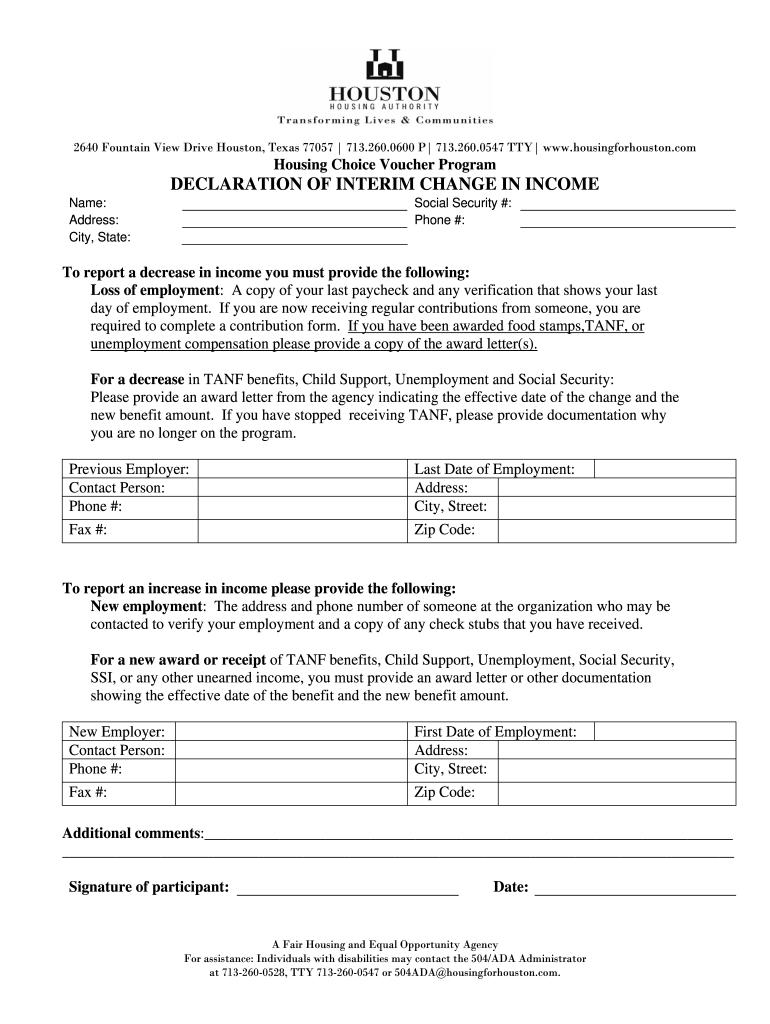
- Housing Choice Vouchers (Section 8): Administered by local Public Housing Agencies (PHAs), these vouchers help eligible low-income families, the elderly, and the disabled afford decent, safe, and sanitary housing in the private market. Applicants typically need to apply through their local PHA, and waiting lists can be long.
- Public Housing: These are housing units owned and operated by local PHAs. Eligibility is based on income and family size.
- Low-Income Housing Tax Credit (LIHTC) Properties: These are privately owned rental properties that have been developed with tax incentives to provide affordable housing. Rent is capped at a certain percentage of the area median income. Information on LIHTC properties can often be found through local housing authorities or state housing finance agencies.
Navigating these programs requires understanding eligibility criteria and completing detailed applications. The Texas Department of Housing and Community Affairs (TDHCA) is a key resource for information on state-level housing initiatives.
Applying for housing in Texas is a structured process that rewards preparation and diligence. By understanding the market, gathering your documents, employing effective search strategies, and exploring all available options, you can successfully secure your ideal living situation in this dynamic and welcoming state.
LifeOutOfTheBox is a participant in the Amazon Services LLC Associates Program, an affiliate advertising program designed to provide a means for sites to earn advertising fees by advertising and linking to Amazon.com. Amazon, the Amazon logo, AmazonSupply, and the AmazonSupply logo are trademarks of Amazon.com, Inc. or its affiliates. As an Amazon Associate we earn affiliate commissions from qualifying purchases.