
Navigating the complexities of healthcare can be one of the most significant challenges individuals and families face, directly impacting their quality of life and financial security. In California, the state’s comprehensive public health insurance program, Medi-Cal, serves as a lifeline for millions of residents, ensuring access to essential medical services. Understanding how to apply for Medi-Cal is a crucial step towards securing your health and well-being, providing a stable foundation for your overall lifestyle. This guide offers a professional and insightful overview of the Medi-Cal application process, designed to demystify the steps and empower eligible individuals to access the care they need.
Understanding Medi-Cal: California’s Essential Healthcare Program
For many, the term “Medicaid” evokes images of a national safety net, but each state administers its own version of this federal-state partnership. In California, this program is known as Medi-Cal, and it represents a cornerstone of the state’s healthcare landscape.
What is Medi-Cal?
Medi-Cal is California’s Medicaid program, providing free or low-cost health coverage to low-income adults, families, pregnant women, seniors, and persons with disabilities. It is jointly funded by both the federal and California state governments, offering a broad range of medical services to those who meet specific eligibility requirements. The program aims to ensure that financial hardship does not stand in the way of necessary medical care, thereby promoting healthier communities and more stable individual lifestyles.
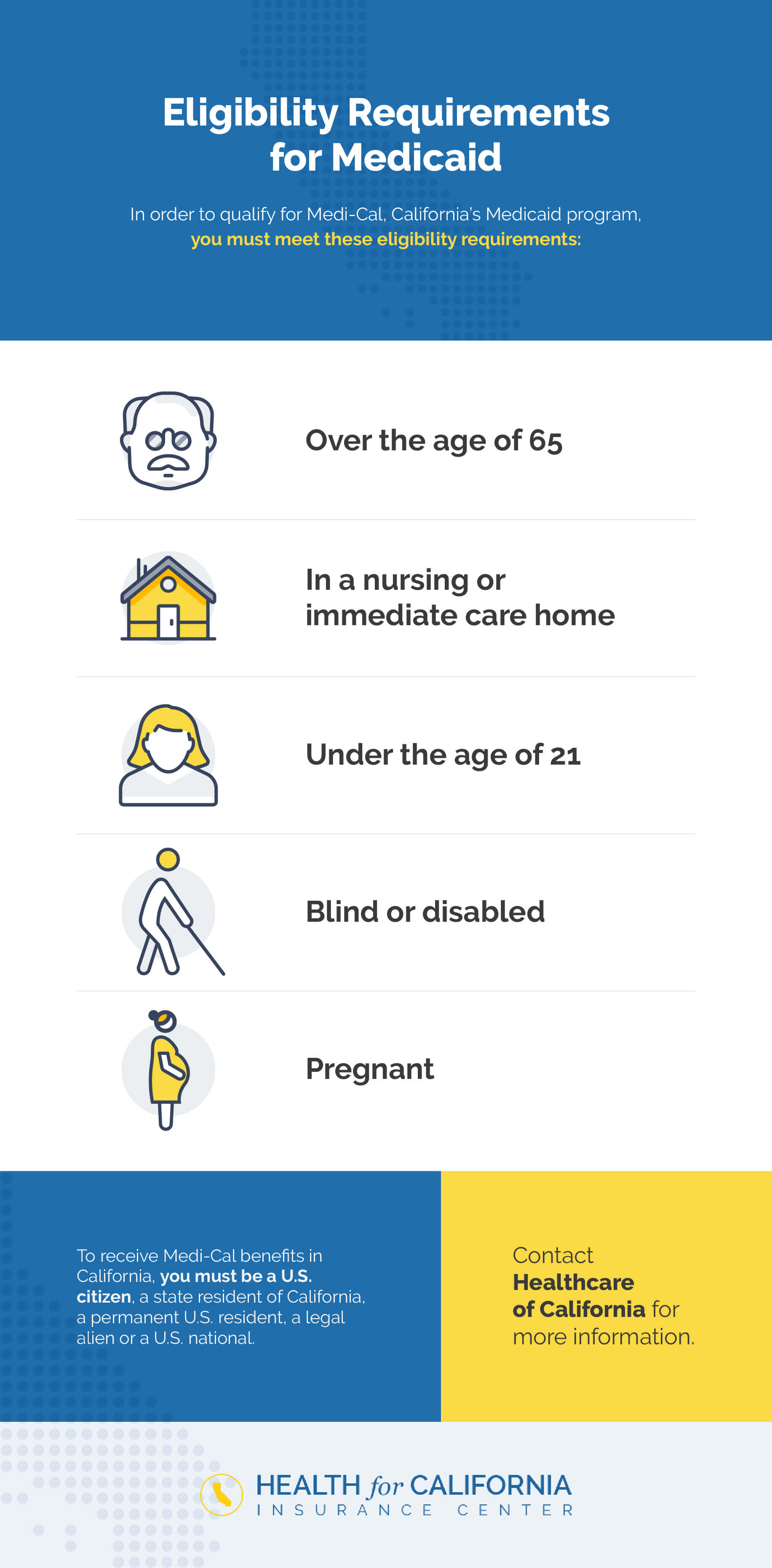
Who Medi-Cal Serves
Medi-Cal is designed to assist a diverse population. Its reach extends to:
- Low-income individuals and families.
- Children and pregnant women, regardless of immigration status for some services.
- Seniors (aged 65 or older).
- Persons with disabilities.
- Foster children and former foster youth.
- Individuals requiring long-term care services.
The program’s expansive scope means that a significant portion of California’s population relies on Medi-Cal for their healthcare needs, underscoring its vital role in the state’s social fabric.
Benefits of Medi-Cal
Access to Medi-Cal unlocks a comprehensive suite of healthcare services that are essential for maintaining health and preventing serious illness. Key benefits typically include:
- Doctor Visits: Regular check-ups, specialist consultations, and preventive care.
- Hospital Stays: Emergency services, inpatient care, and surgical procedures.
- Prescription Drugs: Coverage for a wide range of necessary medications.
- Mental Health Services: Counseling, therapy, and psychiatric care.
- Dental Care: Essential services like cleanings, fillings, and extractions.
- Vision Services: Eye exams and glasses.
- Maternity Care: Comprehensive services for pregnant individuals, from prenatal to postpartum care.
- Laboratory and X-ray Services: Diagnostic tests and imaging.
This extensive coverage means that Medi-Cal recipients can address their health concerns without the prohibitive financial burden often associated with medical treatment, fostering peace of mind and supporting a more stable lifestyle.
Eligibility Criteria for Medi-Cal
Determining eligibility for Medi-Cal involves several factors, primarily focusing on income, residency, and specific life circumstances. Understanding these criteria is the first step in a successful application.
Income Limits
The primary determinant for Medi-Cal eligibility is income, which is typically measured against the Federal Poverty Level (FPL). Under the Affordable Care Act (ACA) expansion, adults aged 19-64 who are not pregnant and do not have a disability generally qualify if their Modified Adjusted Gross Income (MAGI) is at or below 138% of the FPL. For other groups, such as pregnant women, children, and those with disabilities, income thresholds can be higher, and different rules may apply. Unlike some older Medicaid programs, MAGI-based Medi-Cal typically does not consider assets (like bank accounts or property) for eligibility, simplifying the process for many applicants. However, certain programs for seniors or individuals with disabilities may still have asset limits.
Residency and Citizenship Status
To be eligible for Medi-Cal, an applicant must be a resident of California. Additionally, applicants must be U.S. citizens or meet specific requirements for qualified non-citizens (e.g., lawful permanent residents, refugees, asylees). While full-scope Medi-Cal generally requires eligible immigration status, California has expanded coverage for some populations, such as undocumented children and young adults, to include full-scope Medi-Cal services, and pregnant individuals regardless of immigration status.
Special Eligibility Groups
Medi-Cal recognizes that certain populations have unique healthcare needs and may face particular challenges. Consequently, special eligibility pathways exist for groups such as:
- Pregnant Women: Often have higher income limits and may qualify for Medi-Cal regardless of immigration status.
- Children: Similar to pregnant women, children’s income limits are often more generous.
- Former Foster Youth: Individuals who were in foster care on their 18th birthday can receive Medi-Cal up to age 26, regardless of income.
- Individuals with Disabilities and Seniors: These groups may qualify through different programs that consider assets and allow for a “share of cost” if their income exceeds typical limits, requiring them to pay a portion of their medical bills each month before Medi-Cal coverage begins.
Understanding which category you fall into can streamline the application process and ensure you receive the most appropriate coverage.
The Medi-Cal Application Process
Applying for Medi-Cal can seem daunting, but there are multiple avenues available, each designed to make the process accessible. Preparation and accuracy are key to a smooth application.
Where to Apply
California offers several convenient ways to apply for Medi-Cal:
- Online through Covered California: The state’s health insurance marketplace, Covered California, provides an integrated application where you can determine eligibility for both Medi-Cal and subsidized private health plans. This is often the quickest and most efficient method.
- Directly through Your Local County Social Services Office: Each county in California has a social services agency where you can apply in person, by mail, or sometimes by fax. This option is beneficial if you prefer in-person assistance or have complex circumstances.
- By Mail: You can download the application form from the Department of Health Care Services (DHCS) website or pick one up at your local county office, then mail the completed form.
- By Phone: Some county offices allow applications over the phone, though this may require mailing in supporting documentation separately.
Choosing the method that best suits your comfort level and accessibility can significantly ease the application journey.

Required Documents
Regardless of how you apply, you will need to provide documentation to verify your identity, residency, income, and household information. Be prepared to gather:
- Proof of Identity: Driver’s license, state ID, passport, or other government-issued identification.
- Proof of California Residency: Utility bill, rent/mortgage statement, or a lease agreement.
- Proof of Income: Recent pay stubs, tax returns, W-2 forms, or a letter from an employer. If self-employed, profit and loss statements.
- Proof of Household Size: Birth certificates for dependents, marriage certificates, or divorce decrees.
- Proof of Immigration Status: Green card, visa, or other relevant immigration documents for non-citizens.
- Proof of Assets (for certain programs): Bank statements, property deeds, or life insurance policies if applying for programs with asset limits (e.g., for seniors or persons with disabilities).
Having these documents ready before you begin the application will prevent delays and ensure your information can be promptly verified.
Step-by-Step Application Guide
While the specific steps may vary slightly depending on your chosen application method, a general guide includes:
- Gather Information: Collect all necessary documents and personal details for every member of your household.
- Complete the Application: Fill out the application thoroughly and accurately. If applying online via Covered California, follow the prompts carefully. If completing a paper application, write legibly and answer all questions.
- Submit Documentation: Upload or attach copies of your supporting documents. Never send original documents.
- Review and Submit: Double-check all information for accuracy before submitting. An incomplete or inaccurate application can lead to delays or denial.
- Follow Up: Keep a record of your application submission date and any reference numbers. Be prepared for communication from the county office, which may request additional information.
What Happens After You Apply?
Once your application is submitted, the process of review and determination begins. Patience during this phase is important, but knowing what to expect can help manage the wait.
Application Review and Verification
Upon submission, your application will be routed to your local county social services office for review. A caseworker will assess your eligibility based on the information provided and verify the supporting documents. They may access other databases, such as the Social Security Administration or tax records, to confirm your details. It’s common for the county to reach out if they need further clarification or additional documents. Responding promptly to these requests is crucial to avoid delays.
Timelines for Determination
The time it takes to process a Medi-Cal application can vary. Generally:
- For most applicants, a decision is made within 45 days.
- If your application is based on a disability, the process can take up to 90 days, as it often requires additional medical reviews.
- If you are pregnant, your application may be expedited.
These timelines are guidelines, and actual processing times can fluctuate based on the volume of applications and the completeness of your submission.
Notification of Decision
You will receive a written notice informing you of the decision regarding your Medi-Cal eligibility.
- Approval: If approved, the notice will include information about your effective date of coverage and how to select a managed care plan (if applicable in your area).
- Denial: If denied, the notice will explain the reason for the denial and provide instructions on how to appeal the decision. If you believe the decision is incorrect, you have the right to request a fair hearing to challenge the denial.
Maintaining Medi-Cal Coverage and Important Considerations
Being approved for Medi-Cal is a significant step, but maintaining your coverage requires ongoing attention to your eligibility and responsibilities.
Annual Redetermination
Medi-Cal eligibility is not permanent. Most recipients are required to undergo an annual redetermination process to confirm their continued eligibility. The county will typically send you a renewal packet or notice, which you must complete and return by the deadline. Failing to do so can result in a loss of coverage. It’s essential to keep your contact information updated with the county to ensure you receive these critical notices.
Reporting Changes
Your eligibility for Medi-Cal is based on your current circumstances. It is your responsibility to report any significant changes in your household or income to your county social services office within 10 days of the change. This includes:
- Changes in income (e.g., getting a new job, change in wages).
- Changes in household size (e.g., birth of a child, someone moving out or in).
- Changes in residency.
- Changes in disability status.
Promptly reporting these changes helps prevent issues such as overpayment of benefits, which could lead to future complications.
Understanding Your Benefits
Once enrolled, it’s vital to understand how to effectively use your Medi-Cal benefits. In most California counties, Medi-Cal is delivered through managed care plans, similar to private insurance. You will typically choose a health plan, and that plan will manage your doctors, hospitals, and other services. Take the time to:
- Select a primary care provider (PCP).
- Understand your plan’s network of doctors and specialists.
- Learn how to get referrals for specialized care.
- Know your rights and responsibilities as a Medi-Cal beneficiary.

Resources and Assistance
Navigating government programs can be complex, and help is available. If you have questions or need assistance with your application or maintaining coverage:
- Your Local County Social Services Office: They are the primary point of contact for all Medi-Cal inquiries.
- Community Health Centers: Many offer enrollment assistance and can provide information about Medi-Cal services.
- Advocacy Groups: Organizations specializing in healthcare access or specific populations (seniors, persons with disabilities) can offer guidance and support.
- Covered California’s Customer Service: They can assist with online applications and general eligibility questions.
Securing healthcare coverage through Medi-Cal is a fundamental aspect of responsible lifestyle management in California. By understanding the application process, eligibility criteria, and ongoing responsibilities, you can ensure continuous access to vital medical services, fostering a healthier and more secure future for yourself and your family.
LifeOutOfTheBox is a participant in the Amazon Services LLC Associates Program, an affiliate advertising program designed to provide a means for sites to earn advertising fees by advertising and linking to Amazon.com. Amazon, the Amazon logo, AmazonSupply, and the AmazonSupply logo are trademarks of Amazon.com, Inc. or its affiliates. As an Amazon Associate we earn affiliate commissions from qualifying purchases.