
The allure of the Oregon Trail is undeniable. For those who have experienced it, the digital journey through American expansion is a nostalgic cornerstone of childhood. For newcomers, it represents a unique blend of historical simulation, resource management, and sheer survival. While the game is a classic, its inherent difficulty can be a significant barrier to progress, often leading to untimely demise by dysentery, drowning, or a host of other perils. This guide aims to equip aspiring pioneers with the knowledge and strategies necessary to successfully navigate the treacherous path from Independence, Missouri to the fertile lands of the Willamette Valley, transforming a potentially frustrating experience into a triumphant expedition.
Preparing for the Journey: Laying the Foundation for Success
The initial stages of the Oregon Trail are arguably the most critical. The decisions made before even setting foot on the trail will significantly impact your chances of survival and prosperity. This phase is about strategic investment and careful planning.
Choosing Your Party and Role
Upon starting a new game, you’ll be prompted to select the occupation of your party leader. This choice has a profound effect on your starting cash and, consequently, your initial supplies.
- Banker: Offers the most starting cash, allowing for a robust initial inventory. This is often considered the easiest starting profession for beginners due to the financial buffer it provides.
- Carpenter: Provides a moderate amount of cash and a few extra supplies, offering a balanced start.
- Farmer: Grants the least amount of starting cash but provides more initial supplies than a carpenter. This option requires more careful resource management throughout the journey.
Beyond the leader, you’ll be able to invite family members to join your wagon. While adding more mouths to feed might seem counterproductive, each family member can carry a portion of your supplies, effectively increasing your carrying capacity. However, their health and well-being become another factor to manage. For a first-time run, keeping the party size manageable (e.g., 3-4 people) is advisable.
Outfitting Your Wagon: Essential Supplies
The general store in Independence, Missouri is your first and most important shopping destination. Overspending here can cripple your finances later, while underspending can leave you critically short on vital resources.
- Food: This is your most constant need. Aim to purchase at least 100 pounds per person, and ideally closer to 150-200 pounds to be safe. Running out of food will lead to starvation, illness, and potential death.
- Clothing: Sufficient clothing is crucial for surviving harsh weather conditions, especially as you travel north into colder climates. Purchase 2-3 sets of clothing per person, focusing on items suitable for varying temperatures.
- Ammunition: Essential for hunting game and defending your party from potential threats. A starting supply of 500-1000 rounds is generally sufficient. You can purchase more from traders along the trail.
- Spare Parts: Oxen, wagon wheels, and axles are prone to breaking. Investing in spare parts, especially wheels, can save you significant time and money when repairs are needed. Purchasing 2-3 spare wheels is a wise precaution.
- Medicine: While not always preventable, having a supply of medicine can help treat common ailments like cholera, dysentery, and broken bones. A small stock of 5-10 units is recommended.
It’s a balancing act: you need enough to sustain your party and cover unexpected events, but you don’t want to be weighed down by excessive, unnecessary items.
Navigating the Trail: Decisions, Dangers, and Developments
Once you depart Independence, Missouri, the trail becomes a dynamic environment where constant vigilance and informed decision-making are paramount. The journey is punctuated by numerous landmarks, river crossings, and encounters that will test your resolve.
The Importance of Pace and Rest
The game offers three primary pace options: Steady, Strenuous, and Grueling.
- Grueling: Fastest travel but rapidly depletes food and increases the risk of illness due to exhaustion.
- Strenuous: A good balance between speed and resource consumption, but still carries risks.
- Steady: Slowest travel but conserves food and reduces the chance of sickness.
For most of the journey, a Steady pace is recommended. This allows you to conserve food, which is often your most limiting resource. You can increase the pace to Strenuous or Grueling when you have ample food reserves or when you are approaching a crucial landmark and want to make good time.
Rest is equally important. Regularly stopping to rest can help your party recover from exhaustion and illness. Aim to rest when members of your party are sick or when you’ve been traveling at a strenuous pace for an extended period.
River Crossings: A Major Hazard
Rivers are some of the most dangerous obstacles on the Oregon Trail. Each crossing presents a choice:
- Ford the river: The most common and often fastest option, but carries a significant risk of drowning or damaging your wagon and supplies. Assess the river’s depth and current carefully. If the water looks too deep or swift, it might be best to reconsider.
- Caulk the wagon and float it across: A safer, though slower, method. This involves preparing your wagon to float, which can prevent submersion but may still lead to some water damage.
- Pay for a ferry: If available, this is the safest but most expensive option. It’s a worthwhile investment if your finances allow and the river appears particularly dangerous.
Always check the depth and current before attempting to ford a river. If you have spare wagon parts, consider using them to repair any damage sustained during a crossing. Losing oxen or supplies to a river can be devastating.
Hunting for Sustenance

Hunting is a crucial skill for survival on the Oregon Trail. Game animals like deer, buffalo, and squirrels can provide much-needed food and prevent starvation.
- When to hunt: Hunt when your food supplies are low or when you encounter abundant game.
- Aiming: Practice your aim. Headshots are generally more effective. Don’t waste ammunition on difficult shots unless necessary.
- Weight limits: Be mindful of how much meat you can carry back to the wagon. You can only transport a certain amount based on your wagon’s capacity.
Learning to hunt effectively can significantly reduce your reliance on purchased food, stretching your initial budget further and providing a vital source of sustenance during lean times.
Mid-Journey Milestones and Management
As you progress westward, you’ll encounter various landmarks and trading posts. These points offer opportunities for resupply, information gathering, and crucial decision-making.
Key Landmarks and Their Significance
- Chimney Rock: A prominent landmark that signals you’re making good progress.
- Fort Laramie: An excellent place to trade for supplies, rest your party, and potentially purchase more oxen if needed.
- Independence Rock: Another iconic landmark, often bearing the names of previous travelers.
- South Pass: A relatively gentle, wide pass through the Rocky Mountains. This marks a significant transition in your journey.
- Fort Bridger: A vital trading post where you can replenish supplies and make repairs.
Each landmark offers a chance to assess your situation, purchase necessary items, and receive news from other travelers about conditions ahead.
Managing Your Party’s Health
Illness is a constant threat. Common afflictions include:
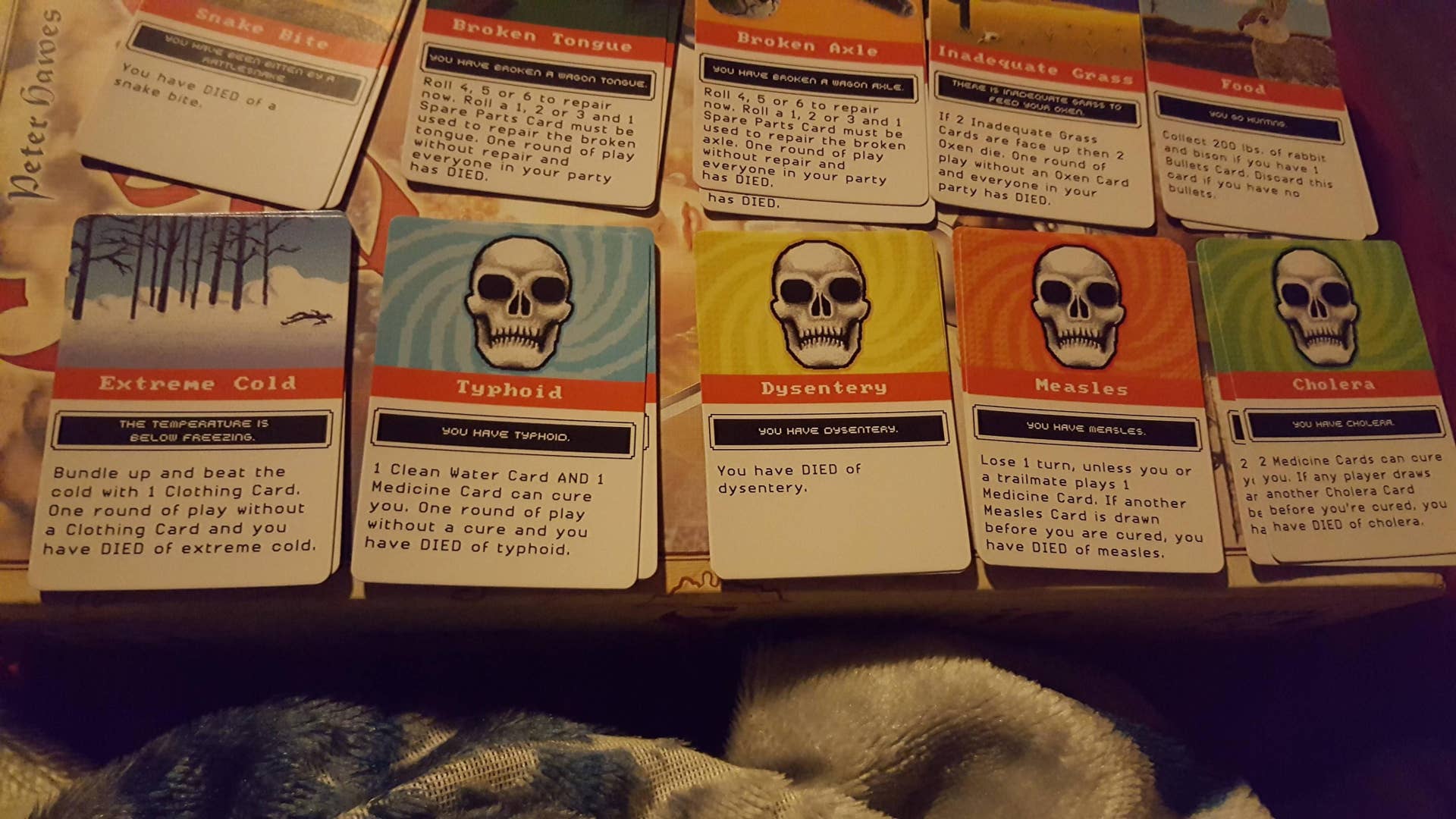
- Dysentery: A severe intestinal illness that can spread rapidly and be fatal. Proper sanitation and avoiding contaminated water are key, though difficult to control in the game.
- Cholera: A deadly disease that strikes suddenly and can quickly decimate your party.
- Broken Bones: Can occur from accidents or rough terrain.
- Exhaustion: Caused by traveling at too strenuous a pace for too long.
When someone falls ill, immediately change your pace to Steady and Rest your party. Administer medicine if you have it, but remember that medicine only has a chance of curing the illness, not a guarantee. Sometimes, the only way to recover is through rest and a bit of luck.
Dealing with Oxen Issues
Oxen are your primary mode of transportation. They can become sick, die from exhaustion, or be injured.
- Replenishing Oxen: If you lose too many oxen, your progress will halt. You can purchase more at trading posts and forts, but this can be expensive.
- Avoiding Overwork: Don’t push your oxen too hard, especially in difficult terrain or extreme weather. Alternate between resting and traveling at a steady pace.
- Spare Parts: Having spare oxen and wagons can be a lifesaver, though they are costly.
The Final Stretch: Reaching the Willamette Valley
The final leg of the journey is often as perilous as the earlier stages. You’ll face dwindling supplies, challenging terrain, and the constant specter of disease.
The Blue Mountains and Columbia River
Crossing the Blue Mountains can be arduous. Be prepared for potential food shortages and difficult climbs. The journey down to the Columbia River marks the final major hurdle.
- Crossing the Columbia River: This is often the last major river crossing, and it can be particularly dangerous due to its width and currents. Assess your resources carefully. If you have enough food and funds, a ferry might be the safest option. If not, a well-prepared float or ford might be necessary, but be prepared for the worst.
Arrival and Success
Upon successfully reaching the Willamette Valley, your journey is complete. The game typically measures your success based on the health of your party members, the amount of money you have left, and the overall score.
Lessons Learned and Replayability
The Oregon Trail is a game that rewards strategic thinking, careful planning, and a bit of luck. Each playthrough offers new challenges and opportunities to refine your strategies. Understanding the interplay between resource management, party health, and environmental factors is key to not just surviving, but thriving on this iconic historical journey. The ultimate goal is not merely to reach Oregon, but to do so with your family intact and a sense of accomplishment, embodying the spirit of the pioneers who forged the path before you.
LifeOutOfTheBox is a participant in the Amazon Services LLC Associates Program, an affiliate advertising program designed to provide a means for sites to earn advertising fees by advertising and linking to Amazon.com. Amazon, the Amazon logo, AmazonSupply, and the AmazonSupply logo are trademarks of Amazon.com, Inc. or its affiliates. As an Amazon Associate we earn affiliate commissions from qualifying purchases.