
The allure of solving mysteries, uncovering truths, and seeking justice is a powerful draw for many. For those captivated by the world of investigation, a career as a detective in California presents a dynamic and rewarding path. This profession demands a unique blend of intellect, perseverance, and a deep commitment to public service. Becoming a detective is not a direct entry point; rather, it’s a progression, typically starting as a uniformed police officer. This guide will delineate the essential steps, qualifications, and experiences required to embark on and succeed in this specialized career within the Golden State.

The Foundation: Becoming a Police Officer
The journey to becoming a detective in California invariably begins with establishing a career as a sworn police officer. This foundational role provides the essential training, experience, and understanding of law enforcement operations necessary for investigative work.
Educational Requirements and Aptitude
Most California law enforcement agencies require aspiring officers to possess a high school diploma or GED. However, many departments, and increasingly, detectives, benefit from or even mandate some college coursework, particularly in areas like criminal justice, psychology, sociology, or political science. A college degree can enhance critical thinking skills, improve communication abilities, and provide a broader understanding of societal dynamics, all crucial for effective detective work. Beyond formal education, candidates must demonstrate strong problem-solving skills, impeccable integrity, and a sound ethical compass. A thorough background check, including a clean criminal record, is a non-negotiable prerequisite.
The Academy and Field Training
Upon successful completion of the application and testing process, which typically includes written exams, physical fitness tests, psychological evaluations, and oral interviews, aspiring officers are enrolled in a police academy. These rigorous programs, often conducted by the California POST (Peace Officer Standards and Training) commission, impart essential skills in law, use of force, defensive tactics, firearms proficiency, and community policing. Following academy graduation, officers enter a probationary period, which includes extensive field training under the supervision of experienced mentors. This hands-on experience in patrol duties is invaluable, exposing new officers to the realities of law enforcement, community interaction, and the initial stages of incident response.
Gaining Experience on Patrol
The years spent as a uniformed patrol officer are critical for developing the skills and knowledge base required for detective work. During this time, officers respond to a wide range of calls, from minor disturbances to serious crimes, learning to assess situations, gather preliminary information, interview witnesses, and document incidents. This frontline experience provides a practical understanding of criminal behavior, investigative procedures, and the legal framework governing law enforcement. Building a reputation for professionalism, diligence, and sound judgment during this phase is instrumental in paving the way for advancement.
The Advancement to Detective
Once a solid foundation as a police officer is established, the path to becoming a detective opens up through a combination of experience, demonstrated aptitude, and often, a formal application and selection process within the law enforcement agency.
Minimum Experience and Performance
Most California police departments and sheriff’s offices require officers to have a minimum number of years of service as a uniformed officer before they are eligible to apply for detective positions. This typically ranges from three to five years, though some agencies may have higher requirements. Beyond mere tenure, a strong performance record is paramount. Agencies look for officers who consistently demonstrate exceptional work ethic, a keen investigative mind, excellent report-writing skills, strong interpersonal abilities, and a proven ability to handle complex cases. Positive evaluations, commendations, and a lack of disciplinary actions are strong indicators of readiness for detective work.
Specialized Training and Skill Development
While patrol experience provides a broad overview, aspiring detectives often seek out specialized training to hone their investigative skills. This might include courses in areas such as crime scene investigation, forensic analysis, interview and interrogation techniques, surveillance, evidence handling, and report writing. Many agencies encourage or require officers to attend these advanced training programs to prepare them for the demands of detective work. Developing expertise in specific types of crimes, such as homicide, narcotics, or fraud, can also make an officer a more attractive candidate for specialized detective units.
The Detective Selection Process
The process for becoming a detective varies by agency but generally involves a competitive selection procedure. This often includes:
- Written Examination: A test designed to assess knowledge of investigative procedures, legal principles, and critical thinking.
- Oral Interview/Board: A panel interview where candidates are evaluated on their experience, investigative approach, problem-solving skills, and suitability for detective work.
- Case Studies and Simulations: Candidates may be presented with hypothetical crime scenarios and asked to outline their investigative strategy, demonstrating their analytical and decision-making abilities.
- Background Investigation: A comprehensive review of the candidate’s personal and professional history to ensure continued suitability.
Some agencies may also consider performance in specialized units or temporary assignments as a factor in the selection process.
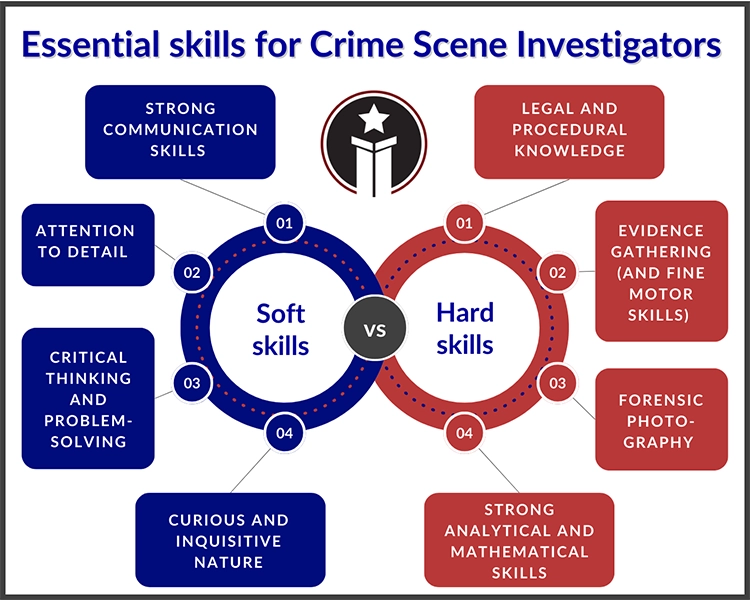
The Role and Responsibilities of a Detective
Once appointed as a detective, the focus shifts from general patrol duties to in-depth investigation and case resolution. Detectives are the backbone of criminal investigations, meticulously working to bring perpetrators to justice.
Investigation and Evidence Gathering
Detectives are responsible for managing complex criminal investigations from inception to completion. This involves revisiting crime scenes, re-interviewing witnesses and victims, identifying and interviewing new leads, and coordinating with forensic specialists. They meticulously gather, preserve, and analyze evidence, ensuring its integrity for presentation in court. This often requires a keen eye for detail, patience, and a systematic approach to uncover crucial information.
Interviewing and Interrogation
A significant aspect of a detective’s role involves conducting interviews and interrogations. This requires a sophisticated understanding of human psychology, communication techniques, and legal protocols. Detectives must be adept at building rapport, asking effective questions, detecting deception, and obtaining accurate and admissible statements from suspects, witnesses, and victims. The ability to adapt their approach to different personalities and situations is a hallmark of a skilled investigator.
Case Management and Prosecution Support
Detectives manage multiple cases concurrently, prioritizing them based on severity and investigative progress. They are responsible for maintaining detailed case files, meticulously documenting all investigative actions, and preparing comprehensive reports. A crucial part of their role involves working closely with prosecutors. Detectives provide them with all necessary information, explain the evidence, and testify in court proceedings, playing a vital role in securing convictions. Their ability to articulate complex findings clearly and concisely is essential for the judicial process.
Specialized Detective Units
California employs detectives in a wide array of specialized units, catering to specific types of crime. These can include:
- Homicide Detectives: Investigate murders and suspicious deaths.
- Robbery-Homicide Detectives: Investigate both violent robberies and homicides, often complex and high-profile cases.
- Narcotics Detectives: Focus on drug-related crimes, including trafficking and distribution.
- Burglary Detectives: Investigate property crimes involving unlawful entry.
- Financial Crimes Detectives: Deal with fraud, embezzlement, and other white-collar offenses.
- Child Abuse and Exploitation Detectives: Specialize in protecting vulnerable children.
- Sex Crimes Detectives: Investigate offenses related to sexual assault and misconduct.
- Organized Crime Detectives: Work to dismantle criminal organizations.
Each specialization requires a particular skill set and understanding of the specific criminal methodologies and legal nuances involved.
Continuous Professional Development and Career Growth
The role of a detective is not static; it demands continuous learning and adaptation to evolving criminal tactics and investigative technologies.
Staying Current with Laws and Technology
The legal landscape and criminal methodologies are constantly changing. Detectives must remain abreast of new legislation, court rulings, and emerging criminal trends. Furthermore, advancements in technology play a significant role in modern investigations. Familiarity with digital forensics, data analysis tools, surveillance technology, and database management systems is increasingly vital for successful investigations. Agencies often provide ongoing training to keep their detectives up-to-date.
Building a Network and Seeking Mentorship
Developing a strong professional network is invaluable for detectives. This includes building relationships with fellow detectives, officers from other agencies, forensic experts, prosecutors, and informants. Mentorship from experienced detectives can provide invaluable guidance, insight, and support throughout a detective’s career. Sharing knowledge and experiences fosters a collaborative approach to problem-solving and can lead to more effective investigations.

Potential for Advancement
For successful and dedicated detectives, opportunities for further advancement exist within law enforcement agencies. This can include moving into supervisory roles, such as detective sergeants or lieutenants, where they manage investigative units and personnel. Highly experienced detectives may also transition into specialized investigative roles, become instructors at police academies, or pursue careers in federal law enforcement agencies like the FBI or DEA, where their investigative prowess can be applied on a broader scale. The pursuit of justice in California offers a challenging yet deeply fulfilling career for those dedicated to uncovering the truth and serving their communities.
LifeOutOfTheBox is a participant in the Amazon Services LLC Associates Program, an affiliate advertising program designed to provide a means for sites to earn advertising fees by advertising and linking to Amazon.com. Amazon, the Amazon logo, AmazonSupply, and the AmazonSupply logo are trademarks of Amazon.com, Inc. or its affiliates. As an Amazon Associate we earn affiliate commissions from qualifying purchases.