
The allure of solving mysteries, uncovering truths, and contributing to public safety is a powerful draw for many aspiring professionals. In Florida, the path to becoming a detective is a structured and rewarding journey that requires dedication, specific qualifications, and a commitment to upholding justice. This guide will walk you through the essential steps, from meeting the initial requirements to thriving in this challenging and impactful career.
The Foundation: Essential Requirements and Education
Before embarking on the specialized training for detective work, aspiring individuals must first meet a set of fundamental prerequisites. These requirements ensure that candidates possess the basic acumen and integrity necessary for law enforcement and investigative roles.

Age and Citizenship
A critical starting point for any law enforcement career in Florida is meeting the age and citizenship criteria. Applicants must typically be at least 21 years of age to be considered for a law enforcement officer position, which is the foundational role for aspiring detectives. Furthermore, U.S. citizenship is a standard requirement across all law enforcement agencies in the state.
Educational Background
While specific educational requirements can vary slightly between different law enforcement agencies in Florida, a high school diploma or GED is almost universally mandated. Many agencies, however, prefer or even require candidates to possess an associate’s or bachelor’s degree in criminal justice, criminology, law enforcement, or a related field. A college education not only demonstrates a commitment to learning but also equips individuals with critical thinking, research, and communication skills that are invaluable in investigative work. Some agencies may also offer preference points or alternative pathways for candidates with military experience or prior law enforcement training.
Physical and Mental Fitness
The demanding nature of law enforcement and detective work necessitates a high level of physical and mental resilience. Applicants must pass a rigorous physical fitness assessment designed to gauge their strength, stamina, and agility. This often includes tests for running, push-ups, sit-ups, and a timed obstacle course. Equally important is a thorough background investigation, which examines an applicant’s criminal history, financial responsibility, and overall character. Candidates must also undergo psychological evaluations to ensure they possess the emotional stability and sound judgment required to handle stressful situations and make critical decisions under pressure. A clean driving record is also typically a prerequisite.
The Path to Law Enforcement: Becoming a Sworn Officer
Detective work is a specialized role within law enforcement, meaning that individuals must first become sworn law enforcement officers before they can pursue advancement into investigative divisions. This foundational stage is crucial for gaining essential experience and understanding the principles of policing.
The Law Enforcement Academy
Upon successful completion of the initial application and screening process, candidates are typically accepted into a Florida Law Enforcement Academy. These academies provide comprehensive training that covers a wide range of subjects, including:
- Criminal Law and Procedure: Understanding the legal framework within which law enforcement operates.
- Constitutional Law: Ensuring adherence to constitutional rights and protections.
- Investigative Techniques: Learning the fundamentals of evidence collection, interviewing, and crime scene analysis.
- Firearms Proficiency: Mastering the safe and effective use of firearms.
- Defensive Tactics: Training in physical restraint and self-defense techniques.
- Patrol Procedures: Gaining experience in responding to calls for service and maintaining public order.
- Report Writing: Developing the ability to document incidents accurately and comprehensively.
- Ethics and Professional Conduct: Instilling a strong sense of integrity and ethical responsibility.
The academy curriculum is designed to prepare cadets for the day-to-day realities of law enforcement work and culminates in a state certification exam.
Field Training and Patrol Experience
After graduating from the academy, newly certified officers enter a period of supervised field training. This hands-on experience pairs them with veteran officers who mentor them in applying their academic knowledge to real-world scenarios. This phase is critical for developing practical skills, gaining confidence, and understanding departmental policies and procedures. Successful completion of field training is typically required before an officer is granted full patrol status.
During their time as patrol officers, individuals gain invaluable experience in a variety of situations. They respond to calls for service, conduct traffic stops, make arrests, interact with diverse communities, and often witness the aftermath of crimes. This broad exposure provides a solid understanding of the challenges and complexities of law enforcement and helps officers develop the observational skills and judgment necessary for detective work.
Transitioning to Detective: Specialization and Advancement
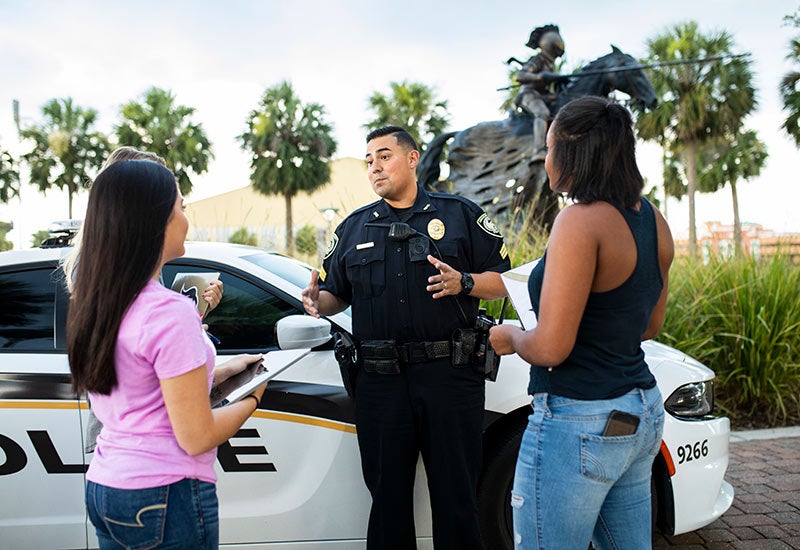
Once an officer has established a solid record of performance and gained sufficient experience on patrol, the pathway to becoming a detective opens up. This transition typically involves further specialization, specialized training, and demonstrating the aptitude for investigative responsibilities.
Eligibility and Application Process
Eligibility requirements for detective positions can vary significantly between different Florida law enforcement agencies, including municipal police departments, county sheriff’s offices, and state agencies like the Florida Department of Law Enforcement (FDLE). Generally, officers must have served a minimum number of years in patrol, often between three to five years, and maintained a satisfactory performance record.
The application process for a detective position usually involves:
- Written Examination: Assessing knowledge of investigative principles, laws, and procedures.
- Oral Interview Board: Evaluating communication skills, problem-solving abilities, and suitability for investigative roles.
- Psychological Evaluation: Ensuring continued mental and emotional fitness for the demands of detective work.
- Review of Performance Records: Examining past commendations, disciplinary actions, and overall work ethic.
Some agencies may also require candidates to undergo specialized testing or provide evidence of specific investigative skills.
Specialized Training and Skill Development
Upon selection for a detective position, officers will typically undergo further specialized training tailored to investigative disciplines. This training can include:
- Advanced Interview and Interrogation Techniques: Learning sophisticated methods for eliciting information from witnesses and suspects.
- Crime Scene Investigation and Forensics: Deepening knowledge of evidence processing, DNA analysis, ballistics, and other forensic disciplines.
- Surveillance Techniques: Mastering the art of discreet observation and information gathering.
- Undercover Operations: Training for assignments requiring infiltration and intelligence gathering.
- Cybercrime Investigation: Developing skills to investigate digital evidence and online criminal activity.
- Financial Crimes Investigation: Understanding methods for tracking and prosecuting fraud, embezzlement, and money laundering.
- Homicide Investigation: Specialized training for investigating the most serious of crimes.
- Narcotics Investigation: Focusing on the complexities of drug-related offenses.
Detectives are expected to possess strong analytical skills, attention to detail, patience, and the ability to think critically and solve complex problems. They must also be adept at building rapport with people from all walks of life, as their success often hinges on their ability to gain trust and extract information. The ability to write clear, concise, and persuasive reports is also paramount, as these documents form the basis for criminal prosecutions.
The Detective’s Role: Responsibilities and Impact
Becoming a detective marks a significant step up in responsibility and the type of work performed. Detectives are the backbone of criminal investigations, playing a crucial role in bringing offenders to justice and contributing to the safety and security of communities across Florida.
Investigating Crimes
The primary responsibility of a detective is to investigate criminal offenses. This can range from petty theft and assaults to complex cases of homicide, organized crime, and financial fraud. Detectives are often assigned to specific divisions based on their expertise and the needs of the department, such as:
- Major Crimes: Homicide, robbery, aggravated assault.
- Property Crimes: Burglary, larceny, auto theft.
- Narcotics and Vice: Drug offenses, prostitution, illegal gambling.
- Financial Crimes: Fraud, embezzlement, counterfeiting.
- Juvenile Crimes: Crimes involving minors as victims or perpetrators.
- Domestic Violence: Investigating incidents of abuse within families.
Their work involves a meticulous process of evidence gathering, witness interviews, suspect interrogations, and the coordination with other law enforcement agencies and forensic specialists. They meticulously build cases, analyze clues, and work towards apprehending and prosecuting criminals.
Collaboration and Courtroom Testimony
Detectives rarely work in isolation. They frequently collaborate with uniformed officers, forensic scientists, prosecutors, and other professionals. Building strong relationships with these stakeholders is essential for effective case resolution. When cases go to trial, detectives are often required to testify in court, presenting their findings and the evidence they have collected. This testimony is critical in explaining the investigation to judges and juries and ensuring that justice is served. The ability to communicate clearly and confidently under the scrutiny of the courtroom is a vital skill for any detective.

Continuous Learning and Adaptability
The landscape of crime is constantly evolving, with new technologies and criminal methodologies emerging regularly. Therefore, Florida detectives must commit to continuous learning and professional development. This may involve attending advanced training courses, staying abreast of legal changes, and adapting to new investigative tools and techniques. The ability to adapt to new challenges, remain patient and persistent in the face of setbacks, and maintain a strong ethical compass are hallmarks of a successful detective. The dedication and skill of these professionals are indispensable in maintaining order and protecting the citizens of Florida.
LifeOutOfTheBox is a participant in the Amazon Services LLC Associates Program, an affiliate advertising program designed to provide a means for sites to earn advertising fees by advertising and linking to Amazon.com. Amazon, the Amazon logo, AmazonSupply, and the AmazonSupply logo are trademarks of Amazon.com, Inc. or its affiliates. As an Amazon Associate we earn affiliate commissions from qualifying purchases.