
The Entrepreneurial Lifestyle: Why General Contracting in California?
Embarking on a career as a general contractor in California is more than just a job; it’s a distinct lifestyle choice, offering independence, significant earning potential, and the profound satisfaction of shaping the built environment. This path appeals to individuals with a strong entrepreneurial spirit, a passion for construction, and a desire to lead projects from conception to completion. California, with its diverse geography, booming real estate market, and constant innovation, provides a fertile ground for general contractors to thrive, contributing to everything from residential renovations to large-scale commercial developments and infrastructure projects. Choosing this profession means embracing a dynamic daily routine, solving complex challenges, and managing a team to bring architectural visions to life, directly influencing the communities where people live, work, and recreate.

Market Opportunity and Growth
California’s robust economy and continuous population growth fuel a high demand for skilled general contractors. From the bustling urban centers of Los Angeles and San Francisco to the sprawling suburbs of Orange County and the agricultural heartland, construction activity is constant. This includes new residential builds to address housing shortages, extensive commercial developments for tech giants and startups, critical infrastructure upgrades, and the ongoing need for remodels and renovations of existing properties. The state’s commitment to sustainable building practices and earthquake-resistant designs also opens up specialized niches, creating further opportunities for contractors who stay abreast of the latest technologies and regulations. This vibrant market ensures a steady pipeline of projects for those who are licensed, experienced, and capable of delivering high-quality results. The lifestyle of a general contractor in California often involves engaging with a diverse clientele, from homeowners to large corporations, each project presenting unique challenges and rewards.
Impacting Local Communities and Landscapes
Beyond the financial incentives, becoming a general contractor in California offers the unique opportunity to leave a tangible mark on communities. Every structure built or renovated contributes to the aesthetic and functional landscape of a city or town. Contractors are instrumental in creating homes where families grow, offices where businesses innovate, and public spaces where communities gather. This impact extends to job creation, as general contractors employ numerous skilled tradespeople, suppliers, and administrative staff, stimulating local economies. The satisfaction derived from seeing a project transform from blueprints into a physical reality, knowing it will serve its purpose for decades, is a powerful motivator for many in this field. It’s a lifestyle where one’s work is not only visible but also essential to the fabric and future development of California’s diverse regions, from San Diego’s coastal charm to the agricultural powerhouses like Fresno.
Laying the Foundation: Experience and Education Requirements
The path to becoming a general contractor in California is structured, requiring a blend of practical experience and foundational knowledge. The state prioritizes hands-on skill and proven capability, ensuring that licensed contractors possess the expertise to manage complex construction projects safely and efficiently. This commitment to competence safeguards both consumers and the integrity of the construction industry. Aspiring contractors must demonstrate a significant amount of field experience, typically accumulated over several years, alongside a solid understanding of construction principles, building codes, and business management. This dual focus prepares individuals not just to build structures, but also to build successful, compliant businesses.
The Path to Practical Expertise
The most critical component of qualifying for a general contractor’s license in California is four years of full-time journey-level experience within the last ten years. This experience must be verifiable and directly related to the classification of license being sought. For a general building contractor (Class B), this means significant experience in projects involving at least two unrelated building trades or crafts, where the contractor provides overall supervision. This could include working as a journeyman, foreperson, supervising employee, or contractor. The Contractors State License Board (CSLB) is meticulous in verifying this experience, often requiring detailed documentation and references from employers or clients. This hands-on foundation ensures that potential licensees understand the practical challenges and solutions inherent in construction, fostering a lifestyle built on practical know-how and problem-solving skills.
Formal Education and Trade Skills
While not strictly mandatory in all cases, formal education can significantly streamline the licensing process and enhance a contractor’s capabilities. A four-year degree from an accredited college or university in construction management, civil engineering, or a related field can substitute for up to three years of the required experience. Similarly, an associate’s degree or completion of an approved apprenticeship program can also reduce the experience requirement. Beyond these substitutions, education provides a contractor with critical theoretical knowledge in areas such as structural engineering, project management software, cost estimation, and advanced building techniques. Combining a strong academic background with practical field experience creates a well-rounded professional capable of tackling diverse projects in cities like Sacramento, Oakland, or Long Beach. Furthermore, staying current with trade skills and safety certifications is an ongoing aspect of a general contractor’s lifestyle, ensuring competence and compliance.
Navigating the California Licensing Journey
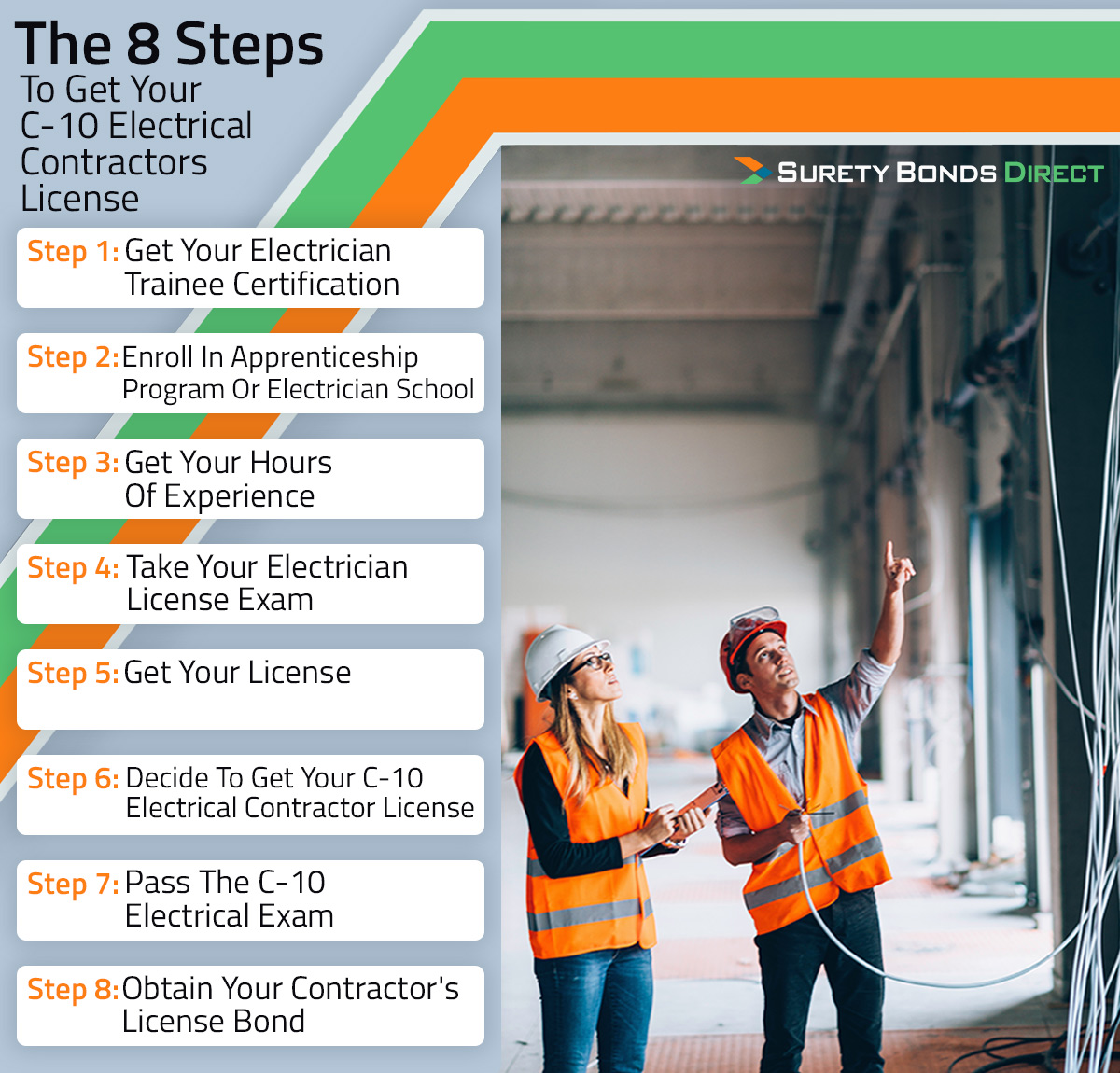
Once the experience and educational prerequisites are met, the next major hurdle is successfully navigating the rigorous licensing process overseen by the Contractors State License Board (CSLB). This process is designed to ensure that all licensed contractors in California adhere to high standards of professionalism, technical competence, and ethical conduct. Obtaining a license is not just a legal requirement; it’s a testament to a contractor’s qualifications and commitment to quality work, significantly enhancing their credibility and marketability across the state, from Bakersfield to San Jose.
Understanding the CSLB and Classification
The CSLB is the regulatory body responsible for licensing and regulating contractors in California. It offers several classifications of licenses, but the most common for a general contractor is the “Class B – General Building Contractor.” This license allows you to contract for projects that require the use of at least two unrelated building trades or crafts. Understanding the scope of this license is crucial to avoid engaging in work outside your classification, which can lead to severe penalties. The CSLB website is an invaluable resource, providing detailed guides, application forms, and current regulations that define the boundaries and responsibilities of each license type. A thorough understanding of CSLB requirements is foundational to maintaining a compliant and successful contracting lifestyle.
The Application and Examination Process
The application process is meticulous, requiring comprehensive documentation of your experience, educational background, and a criminal background check. Once your application is accepted, you will be scheduled for two examinations: the Law and Business exam, and a trade-specific exam for your classification. The Law and Business exam covers essential aspects of running a contracting business in California, including contracts, lien laws, safety, and labor laws. The trade exam for a Class B license assesses your knowledge of construction methods, estimating, blueprint reading, and building codes relevant to general building. Both exams are challenging and require diligent preparation, often involving study guides, online courses, or physical prep classes. Passing these exams is a significant milestone, signifying not just knowledge, but also the dedication characteristic of the contracting lifestyle.
Surety Bonds and Insurance
Before a license is issued and activated, general contractors must secure a contractor’s bond. In California, this is typically a $15,000 bond that protects consumers from financial harm if the contractor fails to complete a project or violates CSLB regulations. Additionally, contractors are strongly advised, and often required by clients, to carry various types of insurance, including general liability insurance, workers’ compensation insurance (if employing staff), and potentially builder’s risk insurance. These financial safeguards are crucial for protecting your business, your clients, and your employees, providing peace of mind and demonstrating professionalism. Managing these financial aspects is a continuous responsibility, integral to the business side of the general contractor lifestyle, ensuring long-term sustainability and client trust in vibrant markets like Riverside and Santa Ana.
Building Your Contracting Business: A Lifestyle of Independence
Securing your general contractor’s license in California is a monumental achievement, but it’s just the beginning of building a thriving business and solidifying your independent lifestyle. The real work starts with establishing your company, attracting clients, and consistently delivering high-quality projects. This phase requires not only construction expertise but also sharp business acumen, strong interpersonal skills, and a commitment to continuous improvement. The lifestyle of an independent contractor is marked by autonomy, direct accountability, and the freedom to shape one’s professional destiny.
Business Registration and Legal Structure
Upon receiving your license, the next step is to formally establish your business. This involves choosing a legal structure, such as a sole proprietorship, partnership, LLC (Limited Liability Company), or corporation. Each structure has different implications for liability, taxation, and administrative burden. Registering your business name, obtaining an Employer Identification Number (EIN) from the IRS, and securing local business licenses and permits (e.g., in Anaheim or Chula Vista) are also essential. Setting up robust accounting systems, project management tools, and establishing banking relationships are critical for smooth operations. A well-structured business foundation is vital for managing growth and ensuring a sustainable entrepreneurial lifestyle.
Networking and Client Acquisition
A successful contracting lifestyle relies heavily on effective networking and a strategic approach to client acquisition. Building relationships with architects, real estate agents, subcontractors, and suppliers can lead to valuable referrals and collaborations. Developing a professional online presence, including a website showcasing your portfolio, testimonials, and contact information, is also paramount. Participating in local trade associations and community events can increase visibility and establish you as a reputable contractor. Satisfied clients are your best advocates, so consistently delivering exceptional service and quality workmanship will naturally lead to repeat business and positive word-of-mouth referrals, the cornerstone of a reputable general contractor’s business.

Continuous Learning and Adaptation
The construction industry in California is constantly evolving, with new technologies, materials, building codes, and environmental regulations emerging regularly. To maintain a competitive edge and ensure long-term success, general contractors must embrace a lifestyle of continuous learning and adaptation. This includes staying updated on the latest building science, project management software, safety protocols, and sustainable construction practices. Attending industry seminars, pursuing advanced certifications, and engaging with peers in professional organizations are excellent ways to remain knowledgeable and innovative. The ability to adapt to market changes, adopt new techniques, and continuously refine business strategies is what separates successful contractors from the rest, ensuring a resilient and flourishing professional life in the dynamic landscape of California.
LifeOutOfTheBox is a participant in the Amazon Services LLC Associates Program, an affiliate advertising program designed to provide a means for sites to earn advertising fees by advertising and linking to Amazon.com. Amazon, the Amazon logo, AmazonSupply, and the AmazonSupply logo are trademarks of Amazon.com, Inc. or its affiliates. As an Amazon Associate we earn affiliate commissions from qualifying purchases.