
The path to becoming a pharmacy technician in California is a rewarding one, offering a stable career with significant opportunities for growth within the healthcare sector. This guide will navigate you through the essential steps, from understanding the role’s requirements to obtaining your certification and securing employment. Whether you are a recent high school graduate or looking for a career change, this profession offers a chance to contribute to public health and patient well-being.
Understanding the Role of a Pharmacy Technician
Pharmacy technicians play a crucial role in the efficient operation of pharmacies, working under the direct supervision of a licensed pharmacist. Their responsibilities are multifaceted, encompassing both technical and administrative tasks that ensure medications are dispensed accurately and safely. Understanding these duties is the first step in determining if this career is the right fit for you.
Key Responsibilities and Duties
A typical day for a pharmacy technician involves a variety of tasks designed to support the pharmacist and serve patients. These often include:
- Receiving and Verifying Prescriptions: Technicians are responsible for taking in new prescription orders, whether in person, over the phone, or electronically. They must ensure all necessary information is present and accurate, such as patient details, medication name, dosage, and prescribing physician.
- Data Entry and Record Keeping: Accurate record-keeping is paramount. Technicians input prescription data into the pharmacy’s computer system, maintaining patient profiles and medication histories. This includes managing insurance information and processing co-pays.
- Preparing Medications: Under the pharmacist’s supervision, technicians may prepare medications for dispensing. This can involve counting pills, measuring liquids, compounding non-sterile preparations (like ointments or creams), and labeling containers.
- Inventory Management: Technicians often manage pharmacy inventory, ordering medications and supplies, checking for outdated drugs, and ensuring stock levels are adequate. This helps prevent stockouts and minimizes waste.
- Customer Service: Interacting with patients is a significant part of the job. Technicians answer phones, greet customers, assist with prescription pick-ups, and direct inquiries to the pharmacist when necessary. They are often the first point of contact for patients.
- Insurance Claims Processing: Navigating the complexities of insurance billing is a key skill. Technicians submit claims, resolve rejections, and work with insurance providers to ensure patients receive their medications.
- Maintaining a Clean and Organized Pharmacy Environment: A tidy workspace is essential for safety and efficiency. Technicians are responsible for keeping the pharmacy clean, organized, and stocked.
Essential Skills and Qualities
To excel as a pharmacy technician, certain skills and personal attributes are highly beneficial:
- Attention to Detail: Accuracy is non-negotiable when dealing with medications. A keen eye for detail prevents errors in dosage, patient information, and prescription details.
- Organizational Skills: Managing multiple prescriptions, patient profiles, and inventory requires strong organizational abilities.
- Communication Skills: Clear and concise communication with pharmacists, patients, and other healthcare professionals is vital. This includes active listening and the ability to explain information simply.
- Customer Service Orientation: A friendly and helpful demeanor can significantly enhance the patient experience.
- Computer Proficiency: Familiarity with pharmacy software and general computer applications is necessary for data entry and management.
- Ability to Work Under Pressure: Pharmacies can be fast-paced environments, especially during peak hours. The ability to remain calm and efficient under pressure is important.
- Teamwork: Pharmacy technicians work closely with pharmacists and other staff, making teamwork a fundamental aspect of the role.
Educational and Training Requirements in California
California has specific requirements for individuals aspiring to become pharmacy technicians, focusing on education, training, and certification to ensure competency and patient safety. Understanding these prerequisites is crucial for a smooth entry into the profession.
State Board of Pharmacy Regulations
The California State Board of Pharmacy oversees the licensing and regulation of pharmacy professionals, including technicians. While California does not mandate a formal education program for all technicians to become registered, it does require them to be registered with the Board and meet certain criteria.
High School Diploma or GED
A fundamental requirement for most entry-level positions and for registration with the California State Board of Pharmacy is a high school diploma or a GED (General Educational Development) certificate. This demonstrates a foundational level of education.
On-the-Job Training vs. Formal Education Programs
While many pharmacies offer on-the-job training, which can be a viable pathway, formal education programs can provide a more structured and comprehensive understanding of pharmacy operations and pharmaceutical principles.
- On-the-Job Training: Many employers are willing to train individuals directly. This often involves a period of supervised work where new technicians learn the specific procedures and systems of that particular pharmacy. The duration and depth of training can vary significantly.
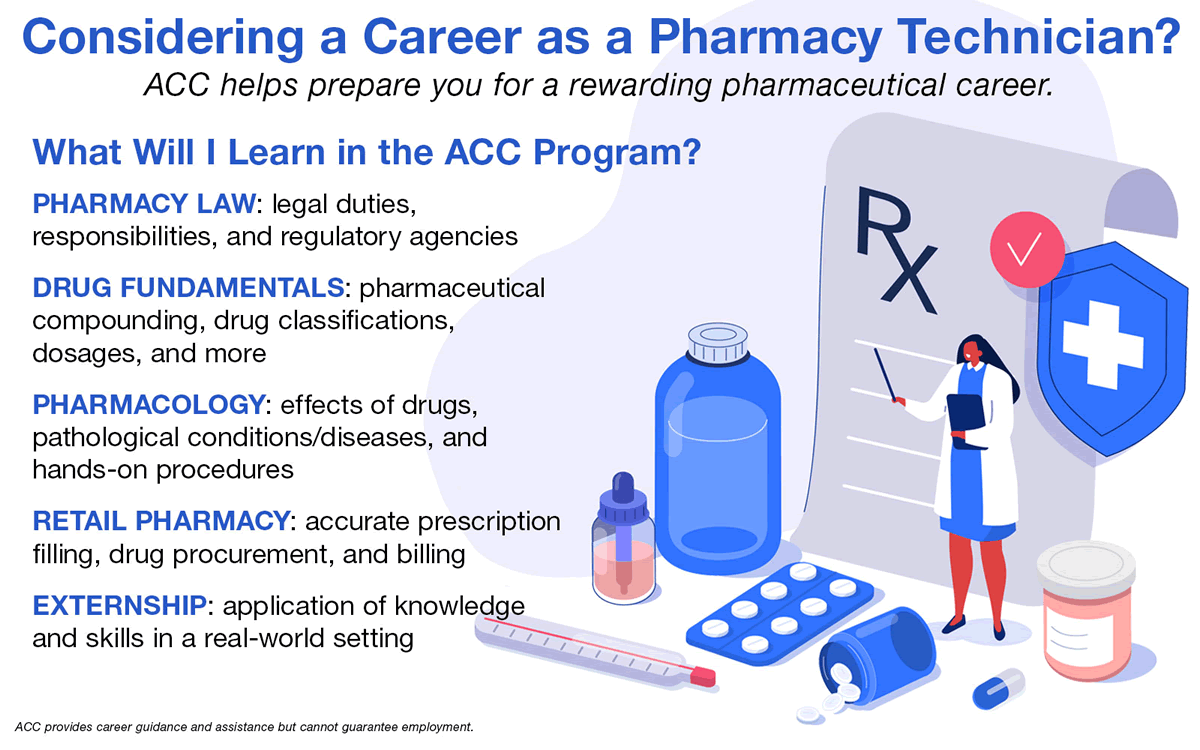
- Formal Education Programs: Accredited pharmacy technician programs, often offered by community colleges, vocational schools, or online institutions, provide a curriculum covering pharmacology, dispensing procedures, pharmacy law, ethics, and customer service. These programs typically last from a few months to a year and can lead to a certificate or associate’s degree. Completing a formal program can sometimes make candidates more competitive in the job market and may expedite the learning process.
Certification (PTCB or NHA)
While not always mandatory for initial registration in California, obtaining national certification from the Pharmacy Technician Certification Board (PTCB) or the National Healthcareer Association (NHA) is highly recommended and increasingly becoming a standard expectation by employers.
- PTCB Certification: The PTCB offers the Certified Pharmacy Technician (CPhT) credential. To be eligible for the PTCB exam, candidates typically need to have a high school diploma or GED and meet one of the following criteria:
- Completion of a PTCB-recognized education/training program.
- Equivalent work experience (e.g., 500 hours of active practice as a pharmacy technician).
- The exam covers areas such as medication therapy, pharmacy operations, dispensing and compounding, and compliance.
- NHA Certification: The NHA offers the Certified Pharmacy Technician (CPhT) designation through its ExCPT exam. Eligibility requirements are similar to PTCB, often requiring a high school diploma or GED and either completing an accredited training program or having relevant work experience.
National certification demonstrates a commitment to the profession and validates a technician’s knowledge and skills against national standards. Many employers prefer or even require certified technicians.
Registration with the California State Board of Pharmacy
Regardless of formal education or certification, all individuals working as pharmacy technicians in California must register with the California State Board of Pharmacy. This registration process typically involves:
- Submitting an application form.
- Paying the required fees.
- Undergoing a criminal background check, including fingerprinting.
- Meeting the minimum educational requirements (high school diploma or GED).

The Board maintains a registry of all licensed pharmacists and registered technicians. It is essential to keep your registration current and to adhere to all Board regulations.
Securing Employment and Career Advancement
Once you have met the educational, training, and registration requirements, the next step is to find employment as a pharmacy technician in California. The demand for skilled pharmacy technicians is robust, offering opportunities in various settings.
Job Search Strategies
A strategic approach to your job search can significantly increase your chances of finding a suitable position:
- Online Job Boards: Utilize popular online platforms like Indeed, LinkedIn, Glassdoor, and specialized healthcare job sites. Filter your searches for “pharmacy technician” in your desired California locations.
- Pharmacy Websites: Many large pharmacy chains, such as CVS Pharmacy, Walgreens, and Rite Aid, have dedicated careers sections on their websites where they post openings.
- Hospital and Healthcare Systems: Hospitals and clinics often employ pharmacy technicians in their in-house pharmacies. Explore the career pages of major healthcare systems in California, such as Kaiser Permanente or UCLA Health.
- Networking: Inform friends, family, former instructors, and colleagues about your job search. Attending local pharmacy association meetings or healthcare job fairs can also provide valuable networking opportunities.
- Tailor Your Resume and Cover Letter: Customize your resume to highlight relevant skills and experiences for each specific job application. Your cover letter should express your enthusiasm for the role and the specific pharmacy.
Types of Pharmacy Settings
Pharmacy technicians can find employment in a diverse range of environments, each offering a unique experience:
- Retail Pharmacies: This is the most common setting, found in drugstores like CVS Pharmacy, Walgreens, and grocery store pharmacies. They primarily deal with outpatient prescriptions.
- Hospital Pharmacies: Working in a hospital pharmacy involves dispensing medications to inpatients and outpatients, often preparing sterile IV admixtures, managing drug inventory for different hospital units, and participating in clinical pharmacy services. This setting can be more complex and demanding but offers significant learning opportunities.
- Outpatient Clinics and Medical Centers: Similar to retail, but often integrated within larger healthcare facilities.
- Long-Term Care Facilities: Technicians in these settings prepare and distribute medications for residents of nursing homes and assisted living facilities.
- Mail-Order Pharmacies: These large-scale operations process prescriptions through mail and delivery services, requiring efficient workflow and automation.
- Wholesale Drug Companies: Technicians in these environments may be involved in managing drug inventory and distribution to pharmacies.
- Compounding Pharmacies: These specialized pharmacies prepare customized medications based on individual patient needs, often requiring advanced compounding skills.
Career Advancement Opportunities
The role of a pharmacy technician is not necessarily a dead-end job. With experience and further training, several career advancement paths are available:
- Lead or Senior Pharmacy Technician: With experience, technicians may take on supervisory roles, managing other technicians, overseeing workflow, and assisting the pharmacist with more complex tasks.
- Specialization: Technicians can specialize in areas like sterile compounding (IV preparation), chemotherapy preparation, or pharmacy inventory management.
- Pharmacy Informatics: Some technicians may transition into roles focused on the technology and information systems used in pharmacies.
- Pharmacy Sales or Support: Working for pharmaceutical companies or medical supply companies in sales, customer support, or training roles.
- Pursuing Further Education: Many pharmacy technicians use their experience as a stepping stone to enroll in pharmacy school and become licensed pharmacists. The practical knowledge gained as a technician provides a strong foundation for pharmaceutical studies.
Maintaining Compliance and Continuing Education
The healthcare landscape is constantly evolving, and pharmacy practices are no exception. To remain a competent and valuable pharmacy technician in California, continuous learning and adherence to regulatory requirements are essential.
Staying Updated with California Pharmacy Law
The California State Board of Pharmacy regularly updates its regulations and laws pertaining to the practice of pharmacy. It is the responsibility of every registered pharmacy technician to stay informed about these changes. This includes updates on:
- Prescription requirements and labeling.
- Controlled substance regulations.
- Patient privacy (HIPAA).
- Scope of practice for technicians and pharmacists.
- New drug approvals and recalls.
Resources for staying updated include the California State Board of Pharmacy website, professional pharmacy associations, and ongoing training provided by employers.
Continuing Education Requirements
To maintain national certification (PTCB or NHA), pharmacy technicians are required to complete a certain number of continuing education (CE) hours within a specific recertification period. These CE courses cover various topics related to pharmacy practice, ensuring technicians remain knowledgeable about current trends, best practices, and new developments in medication therapy and pharmacy operations.
- PTCB Recertification: Requires 8 CE hours every two years, with at least one hour in pharmacy law or regulatory issues.
- NHA Recertification: Typically requires 10 CE hours every two years, with specific requirements for certain subject areas.
Employers often provide opportunities for CE or reimburse technicians for approved courses. It is vital to track your CE credits to ensure you meet the recertification deadlines.

Professional Development and Skill Enhancement
Beyond mandated education, actively pursuing professional development can significantly enhance a pharmacy technician’s career trajectory. This could involve:
- Seeking Additional Certifications: Consider specialized certifications in areas like sterile compounding (e.g., through the National Pharmacy Technician Association or ASHP) or chemotherapy preparation.
- Learning New Pharmacy Software: Familiarize yourself with different pharmacy management systems used in various settings.
- Developing Leadership Skills: If you aspire to a lead technician role, actively seek opportunities to mentor new technicians, improve workflow processes, and take on additional responsibilities.
- Attending Conferences and Workshops: Participate in industry events to network with peers, learn about new technologies, and gain insights from experts in the field.
By remaining diligent in your education, compliant with regulations, and proactive in your professional development, you can build a successful and fulfilling career as a pharmacy technician in California.
LifeOutOfTheBox is a participant in the Amazon Services LLC Associates Program, an affiliate advertising program designed to provide a means for sites to earn advertising fees by advertising and linking to Amazon.com. Amazon, the Amazon logo, AmazonSupply, and the AmazonSupply logo are trademarks of Amazon.com, Inc. or its affiliates. As an Amazon Associate we earn affiliate commissions from qualifying purchases.