
Embarking on a career path is one of the most significant decisions an individual can make, shaping not just their professional trajectory but their entire lifestyle. In a state as dynamic and populous as California, choosing a trade like plumbing offers a compelling blend of stability, excellent earning potential, and the deep satisfaction of providing an essential service. This article delves into the journey of becoming a plumber in California, exploring the rigorous training, the necessary certifications, and the rewarding lifestyle that awaits skilled professionals in this vital industry.
The Lure of the Trades: A Promising Lifestyle Choice
A career in plumbing is far from merely a job; it’s a commitment to a professional lifestyle that prioritizes problem-solving, hands-on skill, and continuous learning. For many, the trades offer an attractive alternative to traditional four-year college degrees, providing immediate entry into a lucrative field without the burden of substantial student debt.
Why California for Plumbing?
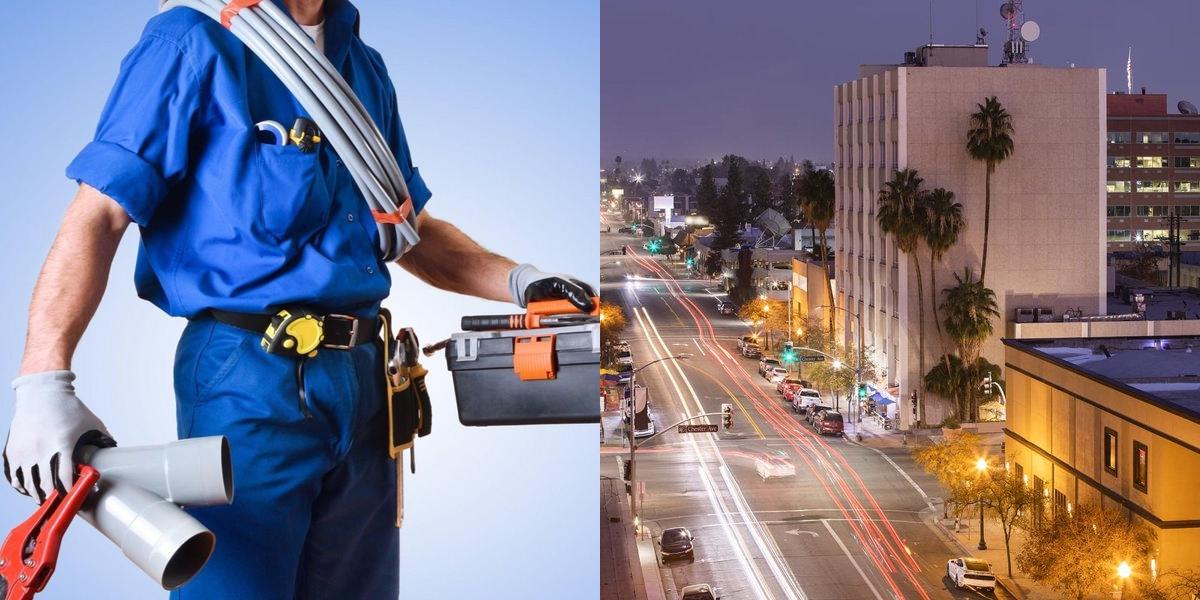
California’s immense size, diverse economy, and ever-growing population create an unceasing demand for skilled plumbers. From the bustling urban centers of Los Angeles and San Francisco to the rapidly developing Inland Empire and the agricultural heartland, infrastructure is constantly being built, maintained, and upgraded. New residential and commercial construction projects, coupled with the aging plumbing systems in older buildings, ensure a steady stream of work for qualified professionals. This robust market means that plumbers in California enjoy high job security and a broad range of opportunities, allowing for a flexible and adaptable lifestyle whether working for a large company, a small business, or independently. The environmental regulations in California also drive innovation, pushing plumbers to become proficient in sustainable practices and cutting-edge technologies.
Financial Stability and Growth
One of the most appealing aspects of a plumbing career in California is the significant earning potential and financial stability it offers. Plumbers are well-compensated for their expertise and the critical nature of their work. Entry-level apprenticeships often provide wages that increase progressively with experience, allowing individuals to earn while they learn. Once licensed, experienced plumbers, especially those specializing in complex commercial or industrial projects, can command impressive salaries. Many plumbers also enjoy comprehensive benefits packages, including health insurance, retirement plans, and paid time off, contributing to a secure and comfortable lifestyle. The demand for plumbers is largely recession-proof, as plumbing systems are always essential, regardless of economic fluctuations. This inherent stability offers peace of mind, a cornerstone of a well-rounded lifestyle.
The Day-to-Day: A Hands-On, Problem-Solving Lifestyle
A plumber’s daily routine is anything but monotonous. Each day presents new challenges, from diagnosing complex leaks and repairing burst pipes to installing elaborate water heating systems and ensuring compliance with stringent building codes. This hands-on, problem-solving lifestyle appeals to individuals who enjoy tangible results and thrive on critical thinking. Plumbers often work in diverse environments, from residential homes in San Jose to high-rise commercial buildings in Oakland, and even industrial facilities near Bakersfield. The autonomy inherent in the role, combined with the satisfaction of resolving immediate issues for clients, makes for a deeply engaging and rewarding professional lifestyle. This dynamic nature ensures that plumbing is not just a job, but a continuously evolving craft that keeps professionals on their toes.
Charting Your Course: Pathways to Becoming a Plumber
Becoming a skilled plumber in California requires dedication, comprehensive training, and adherence to specific educational and practical requirements. There are several well-established pathways for aspiring plumbers to gain the necessary expertise.
Apprenticeship Programs: The Gold Standard
For many, the apprenticeship model is considered the most effective and comprehensive route to becoming a plumber. These programs combine rigorous on-the-job training with classroom instruction, typically spanning four to five years. Apprentices work under the direct supervision of experienced Journeyman Plumbers, learning the intricacies of the trade through practical application. Simultaneously, they attend classes covering plumbing codes, safety regulations, blueprint reading, and advanced technical skills.
In California, many apprenticeship programs are sponsored by local unions, such as UA Local 38 in San Francisco or Plumbers and Pipefitters Local 78 in Los Angeles, or by associations like the Plumbing-Heating-Cooling Contractors Association (PHCC). These programs are highly competitive but offer unparalleled training, leading to a strong foundation for a long and successful career. Apprenticeships not only equip individuals with technical skills but also instill a professional work ethic, crucial for developing a sustainable and respected lifestyle in the trade.
Vocational Schools and Community Colleges
Another viable pathway involves enrolling in vocational schools or community college programs that offer plumbing courses and certifications. These programs typically provide accelerated learning environments, focusing heavily on practical skills and theoretical knowledge in a classroom and workshop setting. While they may not offer the same extensive on-the-job experience as apprenticeships, they can serve as an excellent starting point, providing students with the foundational knowledge and basic skills required to enter an apprenticeship or secure an entry-level position as a plumbing helper. Graduates from these programs often have a competitive edge when applying for apprenticeships, as they arrive with a demonstrated commitment and a baseline understanding of the trade. This option allows individuals to quickly acquire initial skills, kickstarting their journey into a plumbing lifestyle.
Essential Prerequisites

Regardless of the chosen pathway, aspiring plumbers must meet several fundamental prerequisites. Generally, candidates must be at least 18 years old, possess a high school diploma or GED equivalent, and often have a valid driver’s license. Physical fitness is also crucial, as the work involves lifting heavy objects, bending, kneeling, and working in confined spaces. Strong problem-solving abilities, attention to detail, and good communication skills are equally important for success in this client-facing profession. Passing a drug test and a background check are also standard requirements, reflecting the trust placed in plumbers working within homes and businesses. Meeting these initial criteria sets the stage for a professional and responsible plumbing lifestyle.
Navigating Licensure and Certification in the Golden State
Once the foundational training is complete, the next critical step for any aspiring plumber in California is to obtain the necessary licenses and certifications. This process ensures that plumbers meet state-mandated standards for competency, safety, and ethical practice.
The California Contractors State License Board (CSLB)
In California, the California Contractors State License Board (CSLB) is the governing body responsible for licensing contractors, including plumbers. While individual plumbers working under a licensed contractor typically don’t need their own state license, anyone looking to operate independently or bid on projects exceeding a certain monetary value must obtain a CSLB license. The most common license for plumbing contractors is the C-36 Plumbing classification. To qualify for this license, applicants must demonstrate at least four years of verifiable experience at the Journeyman Plumber level or above, pass a comprehensive trade examination, and often a law and business examination. This rigorous licensing process underscores the professionalism and responsibility inherent in the plumbing lifestyle for those who choose entrepreneurship. The CSLB ensures that consumers receive services from qualified and reputable professionals across California, from San Diego to Sacramento and Fresno.
Journeyman Plumber vs. Master Plumber
The terms “Journeyman Plumber” and “Master Plumber” represent distinct levels of experience and expertise within the trade, each influencing an individual’s professional lifestyle and earning potential. A Journeyman Plumber is a skilled professional who has completed an apprenticeship or equivalent training and has typically passed a journeyman examination. They are qualified to work independently, often supervising apprentices, but usually under the umbrella of a licensed plumbing contractor.
A Master Plumber represents the pinnacle of the plumbing profession. This designation, while not formally recognized by the CSLB as a separate license class, is widely understood in the industry to signify a plumber with extensive experience (often ten years or more), a deep understanding of complex systems, and the ability to design and oversee major plumbing projects. Master Plumbers often run their own businesses, act as consultants, or take on leadership roles, enjoying a highly autonomous and influential lifestyle. This progression illustrates a clear career ladder within the plumbing trade, offering continuous opportunities for growth and specialization.
Continuing Education and Specializations
The plumbing industry is continually evolving, with new technologies, materials, and regulations emerging regularly. To maintain their licenses and remain competitive, plumbers in California must engage in ongoing continuing education. This commitment to lifelong learning is a hallmark of a professional lifestyle in the trades. This could involve workshops on new energy-efficient water heaters, seminars on updated plumbing codes, or certifications in specialized areas like hydronics, medical gas piping, or sustainable “green” plumbing solutions. Specializing allows plumbers to carve out niche markets, potentially increasing their earning capacity and opening doors to more complex and interesting projects. For instance, expertise in smart home plumbing systems or earthquake-resistant installations could be particularly valuable in areas like Riverside or Anaheim. This adaptability ensures that the plumbing lifestyle remains fresh and intellectually stimulating.
The Plumber’s Professional Lifestyle: Beyond the Wrench
A career in plumbing offers more than just technical work; it provides a professional lifestyle rich with opportunities for personal growth, community contribution, and financial independence.
Entrepreneurship and Business Ownership
One of the most attractive facets of the plumbing profession is the potential for entrepreneurship. After gaining sufficient experience and obtaining the CSLB contractor’s license, many plumbers choose to start their own businesses. This entrepreneurial lifestyle offers immense freedom and control over one’s work, schedule, and income. Running a plumbing business in California involves managing employees, marketing services in competitive markets like Long Beach or Santa Ana, handling client relations, and overseeing financial operations. While challenging, the rewards of building a successful enterprise are substantial, providing a unique sense of accomplishment and a direct impact on one’s quality of life. The ability to hire and mentor new apprentices also contributes to the legacy and growth of the trade.
Community Impact and Service
Plumbers play an indispensable role in maintaining public health and safety within any community. From ensuring clean drinking water to properly disposing of wastewater, their work directly impacts the well-being of residents and businesses. This essential service fosters a deep sense of purpose and pride. Whether responding to emergency calls in Oakland or installing new systems in schools in Fresno, plumbers are frontline workers whose expertise prevents disease, protects property, and allows daily life to function smoothly. This commitment to community service is a significant, often understated, aspect of the plumbing lifestyle, offering a profound personal satisfaction that extends beyond financial remuneration.
Work-Life Balance and Future Prospects
While plumbing can be a demanding profession, especially during emergency situations, a well-managed plumbing career in California can offer an excellent work-life balance. The high demand for skilled professionals often translates into consistent work, reducing the stress of job insecurity. Many plumbers enjoy the flexibility to set their own hours, particularly those who are self-employed, allowing them to pursue hobbies, spend time with family, or engage in other interests. The future prospects for plumbers in California remain exceedingly bright. As urban areas continue to expand and existing infrastructure ages, the need for skilled plumbing professionals will only grow. Advances in technology, such as smart plumbing systems and water conservation technologies, will also create new opportunities for specialization and innovation, ensuring that a plumbing career remains dynamic and forward-looking. This long-term stability and adaptability contribute significantly to a satisfying and sustainable professional lifestyle.
Becoming a plumber in California is a journey that demands commitment, skill, and continuous learning. However, for those willing to embrace the challenges, it offers a rewarding professional lifestyle characterized by financial stability, diverse work, the satisfaction of problem-solving, and the opportunity for entrepreneurship. It’s a career that contributes directly to the health and functionality of communities across the Golden State, making it an excellent choice for individuals seeking a meaningful and prosperous future.
LifeOutOfTheBox is a participant in the Amazon Services LLC Associates Program, an affiliate advertising program designed to provide a means for sites to earn advertising fees by advertising and linking to Amazon.com. Amazon, the Amazon logo, AmazonSupply, and the AmazonSupply logo are trademarks of Amazon.com, Inc. or its affiliates. As an Amazon Associate we earn affiliate commissions from qualifying purchases.