
When one thinks of the Lone Star State, images of vast ranches, scorching deserts, and sprawling cities often come to mind. However, Texas also boasts a surprising mountainous terrain, particularly in its western reaches. For adventurers and nature enthusiasts planning a trip to Texas, understanding its geography, including its highest peaks, is essential for crafting an unforgettable travel experience. This exploration delves into the question of the tallest mountain in Texas, uncovering a peak that might surprise many and examining the surrounding natural wonders and the tourism opportunities they present.
Unveiling Texas’s Highest Point: Guadalupe Peak
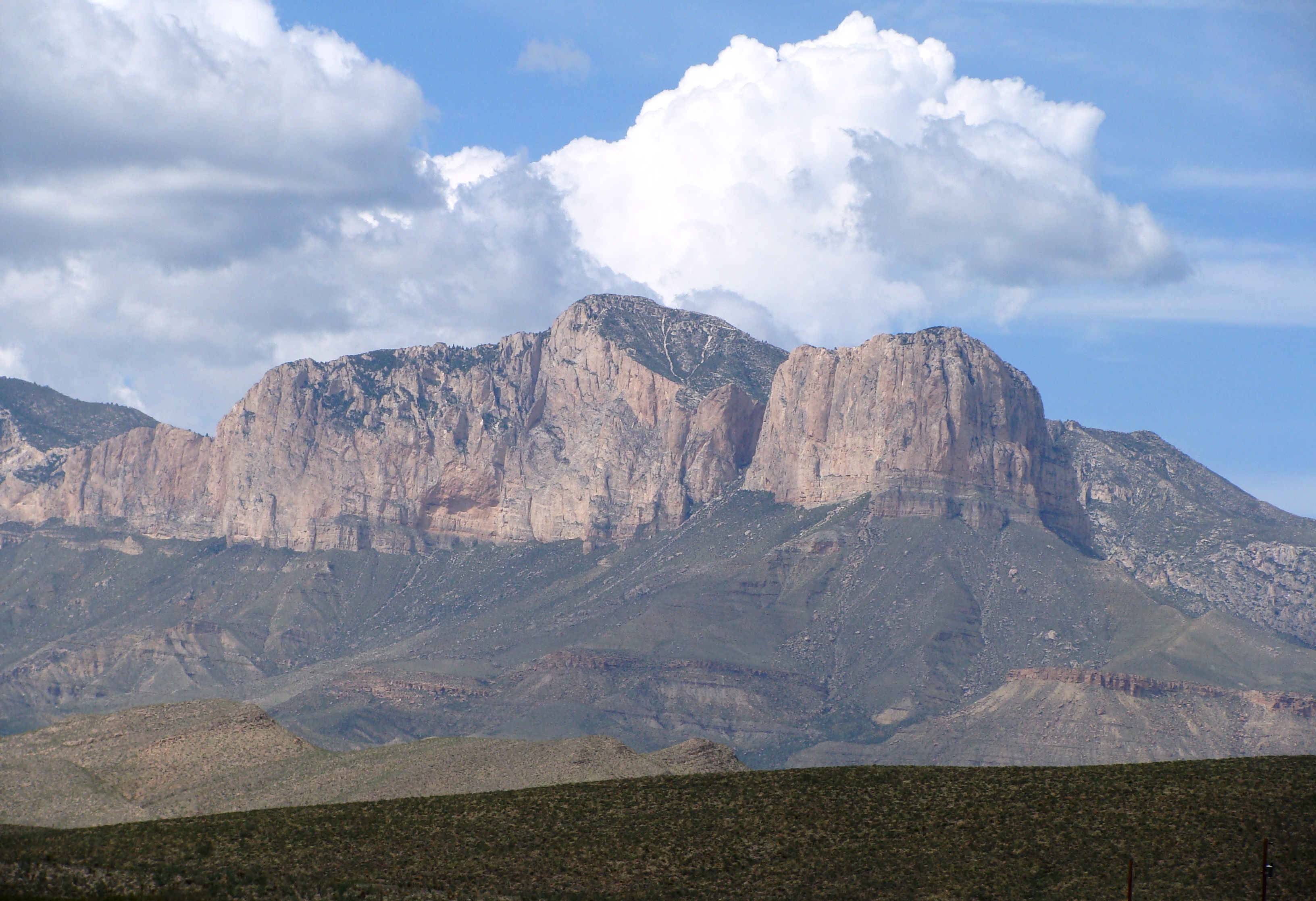
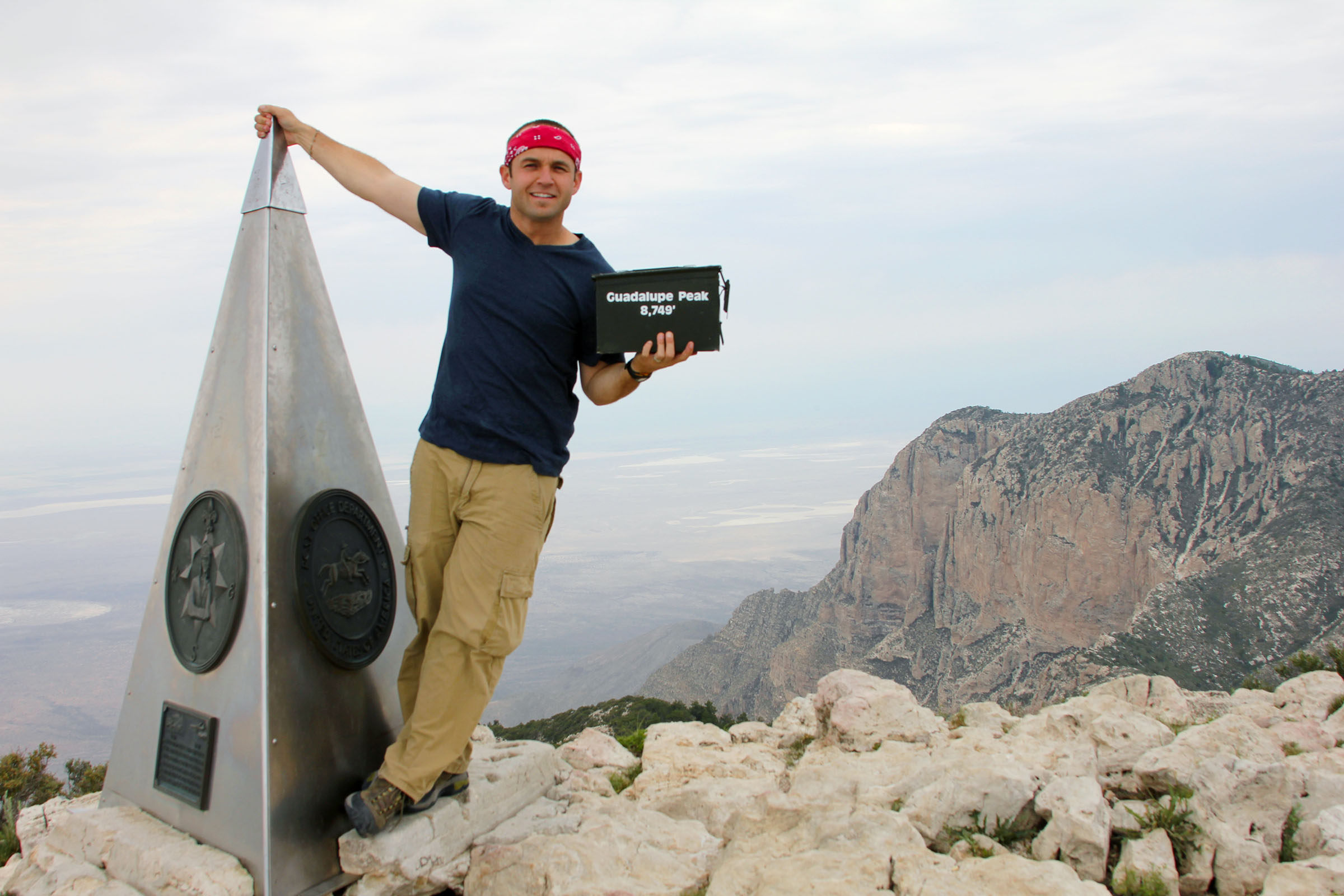
The undisputed tallest mountain in Texas is Guadalupe Peak. Standing majestically at an elevation of 8,751 feet (2,667 meters) above sea level, Guadalupe Peak is located in the Guadalupe Mountains National Park in Culberson County, near the border with New Mexico. This impressive elevation makes it a significant landmark within the state’s diverse landscape.
The Guadalupe Mountains: A Geological Marvel
The Guadalupe Mountains themselves are a significant feature, forming a rugged and dramatic range that contrasts sharply with the flatter plains found elsewhere in Texas. These mountains are not volcanic in origin, as some might assume, but are instead the result of ancient reef formations from the Permian geological period. Millions of years ago, this region was submerged under a shallow sea, and marine organisms built massive fossil reefs. As the sea receded and the landmass uplifted, these ancient reefs were exposed and eroded, forming the dramatic cliffs, canyons, and peaks we see today.
Guadalupe Mountains National Park preserves this incredible geological history, alongside a unique ecosystem that supports a variety of plant and animal life adapted to the arid mountainous environment. The park is a sanctuary for diverse flora, including the rare Texas Madrone, and fauna such as elk, mule deer, and even mountain lions. For visitors, the park offers a chance to step back in time, both geologically and culturally, as it also holds evidence of ancient human habitation.
The Hike to the Summit: An Achievable Challenge
The most popular way to experience Guadalupe Peak is by undertaking the challenging but rewarding hike to its summit. The Guadalupe Peak Trail is a strenuous 8.4-mile roundtrip trek that gains over 3,000 feet in elevation. The trail is well-maintained but demanding, with steep ascents and rocky sections. Hikers are advised to be well-prepared with plenty of water, sturdy footwear, and appropriate sun protection, as the Texas sun can be intense, even at higher altitudes.
The journey to the top offers breathtaking panoramic views that make the effort entirely worthwhile. As you ascend, the landscape transforms, revealing stunning vistas of the surrounding Guadalupe Mountains, the vast Chihuahuan Desert, and into New Mexico. The unique geological formations, such as El Capitan, a massive limestone cliff face that is often mistaken for the highest peak, are visible from various points along the trail. Reaching the summit offers a profound sense of accomplishment and an unparalleled perspective of the Lone Star State‘s dramatic western frontier. This hike is a quintessential Texas experience for the adventurous traveler.
Beyond the Summit: Exploring Guadalupe Mountains National Park
While Guadalupe Peak is the crown jewel, the Guadalupe Mountains National Park offers a wealth of attractions and activities for visitors, extending the travel experience far beyond a single summit hike. The park is a haven for nature lovers, hikers, and those seeking to immerse themselves in a rugged and historically rich environment.
Other Notable Peaks and Natural Wonders
Beyond Guadalupe Peak, the park features other significant geological formations and natural wonders that draw visitors.
El Capitan: A Striking Landmark
Often visible from the main park road, El Capitan is a colossal limestone cliff face that, while not the highest point, is perhaps the most visually striking landmark in the park. Its sheer vertical walls and imposing presence have captivated observers for centuries. El Capitan is part of the same Permian reef system as Guadalupe Peak, showcasing the immense scale of these ancient marine structures. For geology enthusiasts and photographers, El Capitan offers unparalleled opportunities to appreciate the raw power of nature.
McKittrick Canyon: A Desert Oasis
McKittrick Canyon is a remarkably verdant and lush canyon, providing a stark contrast to the arid surroundings. This is a favorite spot for hikers and nature lovers, especially during the fall when the canyon’s deciduous trees, including maples and oaks, put on a spectacular display of color. The canyon floor is carved by a seasonal stream, supporting a richer variety of plant life and attracting more diverse wildlife. Several trails wind through McKittrick Canyon, offering different levels of difficulty and allowing visitors to explore its unique beauty. It’s a prime example of the hidden pockets of life that can be found within the seemingly harsh desert landscape.
Trails for Every Adventurer
The Guadalupe Mountains National Park boasts an extensive network of trails catering to various fitness levels and interests. From short, interpretive walks to multi-day backcountry expeditions, there’s a trail for everyone.

Pinery Trail: A Glimpse into History
The Pinery Trail is a relatively easy, 1.5-mile loop that leads to the ruins of the Pinery Station, a Butterfield Overland Mail stagecoach station dating back to the 1850s. This trail offers a fascinating glimpse into the history of westward expansion and the challenges faced by early travelers in this region. The ruins are well-preserved, and interpretive signs provide context about the station’s significance. It’s a perfect outing for those interested in history and culture, offering a more relaxed experience within the park.
Bowl Trail: A Challenging Ascent
For those seeking a more strenuous hike that doesn’t involve the summit of Guadalupe Peak, the Bowl Trail is an excellent option. This trail climbs steeply into a sheltered bowl high in the mountains, offering access to unique plant communities and cooler temperatures. It’s a challenging route that rewards hikers with beautiful scenery and a sense of solitude.
Dark Sky Park Designation
Adding another layer of allure to the Guadalupe Mountains National Park is its recognition as an International Dark Sky Park. The remote location and minimal light pollution create exceptionally dark night skies, making it one of the best places in Texas for stargazing. Visitors can witness the Milky Way in all its glory, observe numerous constellations, and experience the awe-inspiring beauty of a truly dark night. The park often hosts ranger-led astronomy programs, further enhancing this unique experience. This designation underscores the park’s commitment to preserving its natural environment, both day and night.
Planning Your Texas Mountain Adventure: Accommodation and Travel Tips
A journey to Guadalupe Mountains National Park requires careful planning, especially concerning accommodation and travel logistics. While the park itself offers a rugged, natural setting, nearby towns provide essential services and lodging options.
Where to Stay: Options Near the Park
The closest towns offering accommodation are White’s City, Carlsbad, and Dell City.
White’s City: Gateway to Carlsbad Caverns
White’s City, located just outside the entrance to Carlsbad Caverns National Park (which is near Guadalupe Mountains National Park), offers a range of basic lodging and resort options. It’s a convenient base for exploring both parks, though accommodation here tends to be more rustic.
Carlsbad, New Mexico: A Wider Selection
The city of Carlsbad, New Mexico, situated about an hour’s drive from Guadalupe Mountains National Park, provides a broader selection of hotels, motels, and restaurants. Visitors can find a variety of accommodation styles, from budget-friendly motels to more established hotel chains. It’s a good option for those who prefer more amenities and a wider choice of dining.
Dell City, Texas: A Closer, Quieter Option
For those who wish to stay closer to the Texas side of the mountains, Dell City offers a more limited but charming selection of accommodation, including some local inns and apartments for longer stays. It provides a quieter, more authentic Texas lifestyle experience.
Essential Travel Tips for Your Visit
To ensure a smooth and enjoyable trip to Guadalupe Mountains National Park, consider these essential tips:
- Water is paramount: The desert climate is unforgiving. Always carry more water than you think you’ll need, especially when hiking.
- Sun protection: Bring sunscreen, a wide-brimmed hat, and sunglasses. The sun is intense at these altitudes.
- Footwear: Sturdy hiking boots are essential for navigating the rocky and uneven terrain.
- Weather awareness: Mountain weather can change rapidly. Check the forecast before your visit and be prepared for temperature fluctuations.
- Pack layers: Evenings can be cool, even in the summer.
- Book in advance: Accommodation in nearby towns can fill up, especially during peak seasons.
- Leave No Trace: Practice responsible tourism by packing out everything you pack in and respecting the natural environment.
- Cell service is limited: Be prepared for areas with no or poor cell service. Inform someone of your hiking plans.
- Entrance fees: Be aware of park entrance fees and consider purchasing a national park pass if you plan to visit multiple parks.
By understanding the geography, the attractions, and the logistical considerations, any traveler can plan a memorable adventure to Texas‘s highest mountain and the surrounding natural wonders. Whether you’re summiting Guadalupe Peak or exploring the hidden depths of McKittrick Canyon, the Guadalupe Mountains offer a unique and awe-inspiring experience that showcases the diverse beauty of the Lone Star State.
LifeOutOfTheBox is a participant in the Amazon Services LLC Associates Program, an affiliate advertising program designed to provide a means for sites to earn advertising fees by advertising and linking to Amazon.com. Amazon, the Amazon logo, AmazonSupply, and the AmazonSupply logo are trademarks of Amazon.com, Inc. or its affiliates. As an Amazon Associate we earn affiliate commissions from qualifying purchases.