
The vast and varied landscapes of Texas, the second-largest state in the United States, are mirrored by an equally diverse and dynamic climate. From the scorching heat of the West Texas desert to the humid subtropical embrace of the Gulf Coast, understanding the weather of Texas is crucial for any traveler planning a visit, a local seeking to navigate the seasons, or anyone simply curious about this iconic American state. This exploration delves into the atmospheric tapestry of Texas, offering insights into its regional variations, seasonal patterns, and the unique phenomena that shape its weather.
Texas’s sheer size contributes significantly to its climatic complexity. The state stretches over 600 miles from north to south and more than 800 miles from east to west, encompassing a wide array of geographical features. These include the Piney Woods of East Texas, the rolling Hill Country in the center, the arid plains of the Panhandle, the vast deserts of West Texas, and the extensive coastline along the Gulf of Mexico. Each of these regions experiences distinct weather patterns influenced by factors like elevation, proximity to water bodies, and prevailing wind currents.
Understanding Texas’s Climate Zones
To truly grasp the weather of Texas, it’s essential to break it down into its primary climate zones, each offering a unique atmospheric experience. These zones often blend into one another, creating transitional areas, but they provide a useful framework for understanding the state’s climatic diversity.
The Panhandle and North Texas
In the northern reaches of Texas, including the Panhandle and the Dallas-Fort Worth metroplex, a humid subtropical climate prevails, though with more extreme temperature fluctuations than the southern parts of the state. Winters here can be quite cold, with average January temperatures hovering around the freezing mark, and occasional snowfalls are not uncommon. The Panhandle in particular can experience strong northwesterly winds, bringing with them frigid Arctic air masses. Summers in this region are hot and humid, with daytime temperatures frequently soaring into the 90s and even 100s Fahrenheit. Thunderstorms are a common occurrence during the spring and summer months, sometimes producing severe weather, including hail and tornadoes. The transitional seasons of spring and autumn offer the most pleasant weather, with mild temperatures and lower humidity, making them ideal times for exploring attractions like the Fort Worth Stockyards National Historic District or enjoying a leisurely stroll through Dallas Arts District.
East Texas
The eastern part of Texas, characterized by the Piney Woods, experiences a more consistently humid subtropical climate. This region receives more rainfall than the western parts of the state, contributing to its lush vegetation. Winters are generally mild, with infrequent freezing temperatures. Summers are long, hot, and humid, often feeling quite oppressive. The abundant rainfall supports a vibrant ecosystem and makes this region popular for outdoor activities and exploring natural landmarks such as Big Thicket National Preserve. The proximity to the Gulf of Mexico also influences the weather, bringing moisture and contributing to the generally higher humidity levels.
Central Texas and the Hill Country
Central Texas, including the Austin and San Antonio areas, falls into a transitional zone, exhibiting characteristics of both the humid subtropical climate to the east and the semi-arid climate to the west. Winters are typically mild, with occasional cold snaps. Summers are hot and humid, though often with less intense humidity than the Gulf Coast. The Texas Hill Country itself offers slightly cooler temperatures due to its higher elevation, making it a popular summer retreat. This region is known for its picturesque landscapes, rolling hills, and numerous wineries, offering a delightful escape. The spring and fall months are particularly beautiful, with wildflowers blooming and comfortable temperatures perfect for exploring the vibrant music scene in Austin or the historic missions in San Antonio.
West Texas and the Trans-Pecos Region
The western expanse of Texas, encompassing West Texas and the Trans-Pecos Region, is dominated by a semi-arid to arid desert climate. This area is characterized by extreme temperature variations, both daily and seasonally. Summers are intensely hot, with daytime temperatures frequently exceeding 100 degrees Fahrenheit, and heat advisModeration can be scarce. The lack of humidity, however, can make the heat feel less oppressive than in the eastern parts of the state for some. Winters are dry and can be cold, with occasional freezing temperatures and even snow. Rainfall is scarce throughout the year, contributing to the desert landscape. This region is home to breathtaking natural wonders like Big Bend National Park and Guadalupe Mountains National Park, where visitors can experience dramatic desert vistas and unique geological formations. The clear skies often provide exceptional stargazing opportunities.
The Gulf Coast
The Gulf Coast of Texas enjoys a subtropical climate that is heavily influenced by the warm waters of the Gulf of Mexico. Winters are mild and short, with freezing temperatures being a rarity. Summers are hot and humid, often characterized by refreshing sea breezes that offer some relief from the heat. This region receives abundant rainfall, particularly during the summer months, often in the form of thunderstorms. The coastal environment also makes this area susceptible to tropical storms and hurricanes, especially from June through November. Popular destinations like Galveston and Corpus Christi offer beachside resorts and a vibrant coastal lifestyle, but visitors should always stay informed about weather advisories during hurricane season.
Seasonal Weather Patterns
Beyond the regional variations, understanding the distinct patterns of Texas weather across the four seasons provides a more complete picture for planning any trip or outdoor activity.
Spring: A Season of Blooms and Breezes
Spring in Texas, generally from March to May, is a beloved season characterized by a burst of wildflowers, particularly the iconic Texas Bluebonnets, and pleasantly mild temperatures across much of the state. However, spring is also the most active season for severe weather. Warm, moist air from the Gulf colliding with cooler, dry air from the north frequently triggers thunderstorms, which can escalate into large hail, damaging winds, and tornadoes, especially in North and Central Texas. Temperatures begin to warm up significantly, and humidity levels start to rise as the season progresses. Early spring can offer crisp, cool days, while late spring can feel quite warm and humid.
Summer: The Reign of Heat and Humidity
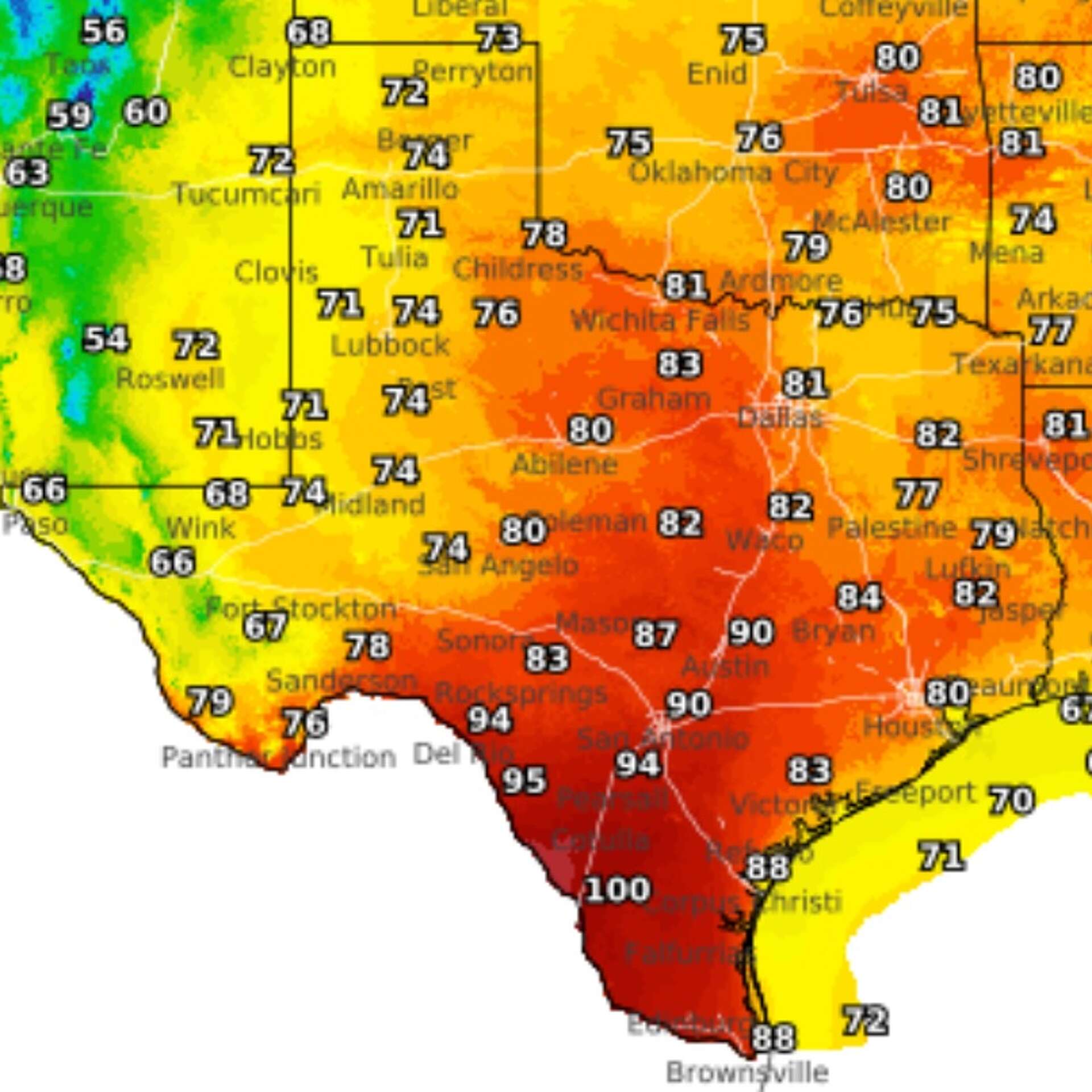
Summer in Texas, from June through August, is synonymous with heat. Across the state, temperatures regularly climb into the 90s and often exceed 100 degrees Fahrenheit. The Gulf Coast and East Texas experience high humidity, making the heat feel more intense and potentially dangerous. West Texas, while extremely hot, tends to be drier. Afternoon thunderstorms are common in many parts of the state, offering temporary relief from the heat. This is the peak season for outdoor recreation like visiting water parks or enjoying the beaches, but it’s essential to stay hydrated, seek shade, and be aware of heat advisories. For those seeking cooler escapes, the higher elevations of the Texas Hill Country or visiting indoor attractions in cities like Houston or San Antonio can provide respite.
Autumn: A Transition to Comfort
Autumn, from September to November, is often considered the most pleasant season in much of Texas. The oppressive heat of summer gradually subsides, giving way to cooler temperatures and lower humidity. Fall foliage can be spectacular in East Texas, though it doesn’t rival the dramatic displays found in more northern states. The risk of severe weather diminishes, though tropical systems can still impact the Gulf Coast well into the fall. This season is ideal for exploring Texas’s vast landscapes, from hiking in Enchanted Rock State Natural Area to enjoying festivals and outdoor events. The crisp air and mild temperatures make it a perfect time for experiencing the local culture and cuisine.
Winter: A Mix of Mildness and Chills
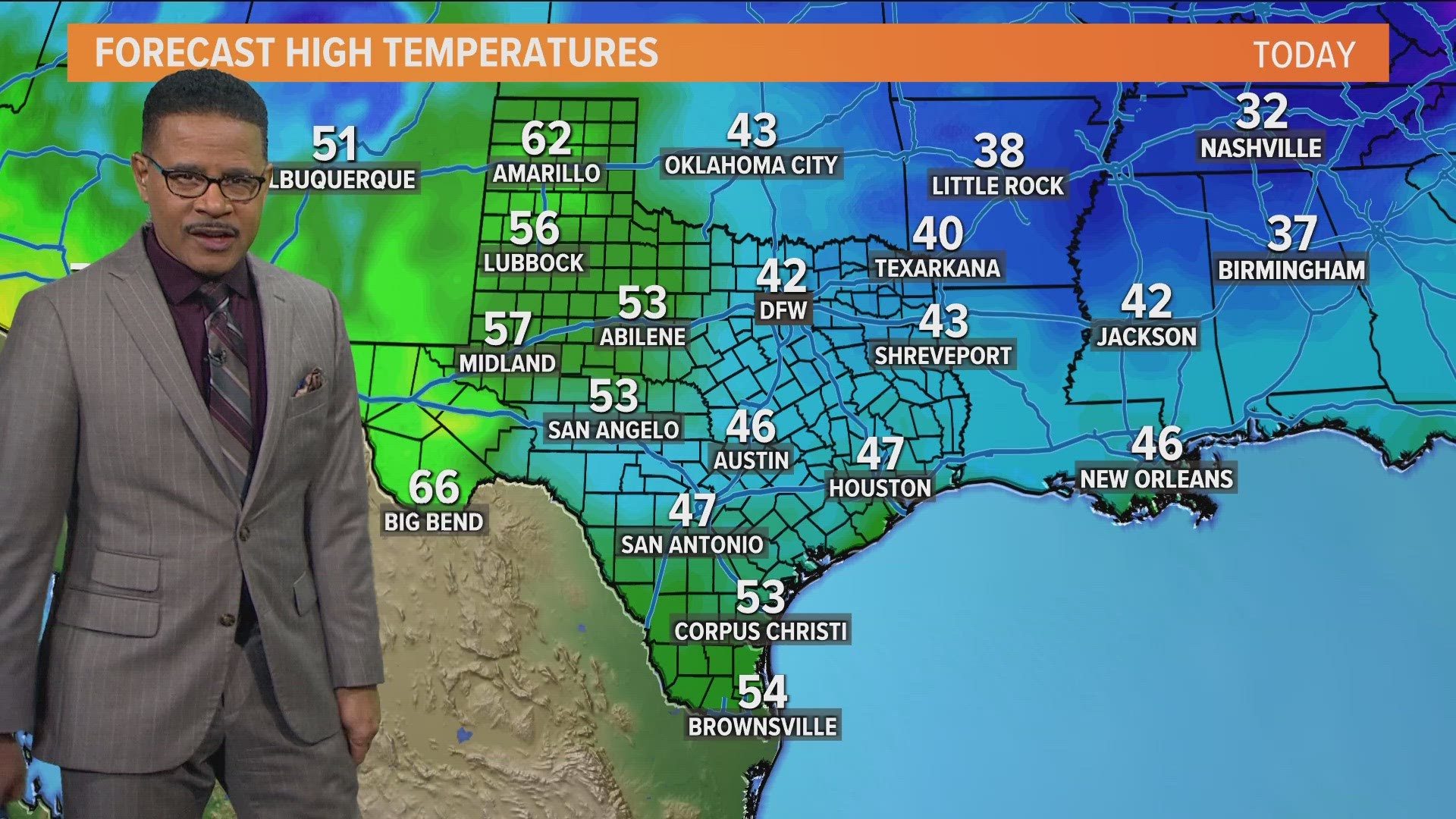
Winter in Texas, from December to February, is generally mild, especially in the southern parts of the state and along the coast. Freezing temperatures are infrequent in these areas, and snow is a rare event. However, North Texas and the Panhandle can experience significant cold snaps, with temperatures dropping below freezing and occasional snowstorms. These cold fronts can sweep down from Canada, bringing icy conditions and disrupting travel. Despite the potential for cold, many winter days are sunny and mild, making it a good time for visiting attractions without the summer crowds. For example, exploring the Alamo in San Antonio or enjoying the cultural offerings in Fort Worth can be particularly enjoyable during these cooler months.
Unique Weather Phenomena
Texas is no stranger to dramatic and sometimes challenging weather phenomena that are etched into its identity. Understanding these can help prepare for the unexpected and appreciate the sheer power of nature.
Thunderstorms and Tornadoes
The geographical position and climatic conditions of Texas make it a prime location for severe thunderstorms and tornadoes. The collision of warm, moist air from the Gulf of Mexico with dry, cool air from the north creates instability in the atmosphere, leading to the formation of powerful storm systems. The northern and western parts of the state are particularly prone to tornado outbreaks, especially during the spring. Cities like Oklahoma City (though in the neighboring state of Oklahoma, its weather patterns significantly influence North Texas) and areas within the “Tornado Alley” can experience frequent and intense twisters. Residents and visitors are advised to stay informed about weather alerts and have a safety plan in place.
Hurricanes and Tropical Storms
The extensive coastline of Texas along the Gulf of Mexico makes it vulnerable to hurricanes and tropical storms, particularly during the Atlantic hurricane season, which runs from June 1 to November 30. Major storms have made landfall in Texas, causing significant damage and disruption, such as Hurricane Harvey in 2017 which devastated the Houston area. Coastal communities from Brownsville to Beaumont must remain vigilant, monitoring weather forecasts and heeding evacuation orders when necessary. Even storms that don’t make direct landfall can bring heavy rainfall, strong winds, and coastal flooding to inland areas.
Drought and Wildfires
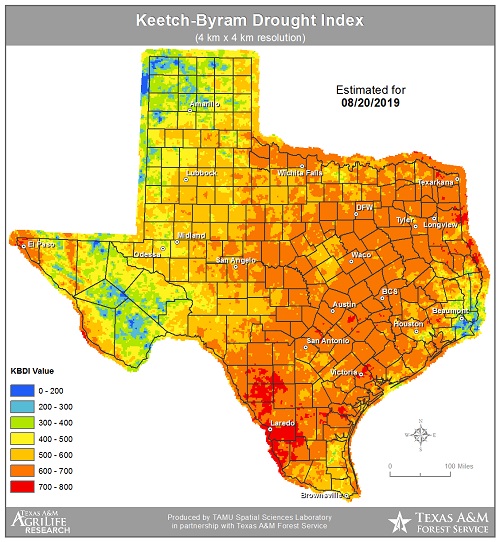
While prone to heavy rainfall, Texas also experiences periods of significant drought, particularly in the western and central parts of the state. Extended dry spells can lead to water restrictions, impact agriculture, and increase the risk of wildfires. The Texas Forest Service and local fire departments work diligently to combat these blazes, which can be exacerbated by high temperatures and strong winds. Areas like the Texas Hill Country and the vast ranches of West Texas are particularly susceptible during prolonged dry periods.
In conclusion, the weather of Texas is as grand and diverse as the state itself. From the biting winds of the Panhandle to the humid breezes of the Gulf Coast, and from the scorching deserts of West Texas to the blooming fields of the Hill Country, each region offers a unique climatic experience. Whether planning a trip to explore the historic missions of San Antonio, relax at a luxurious resort in Dallas, or marvel at the natural beauty of Big Bend National Park, understanding Texas’s dynamic weather patterns is key to unlocking the full potential of this captivating Lone Star State.
LifeOutOfTheBox is a participant in the Amazon Services LLC Associates Program, an affiliate advertising program designed to provide a means for sites to earn advertising fees by advertising and linking to Amazon.com. Amazon, the Amazon logo, AmazonSupply, and the AmazonSupply logo are trademarks of Amazon.com, Inc. or its affiliates. As an Amazon Associate we earn affiliate commissions from qualifying purchases.