
The decision to embark on a career in law enforcement is a profound one, driven by a deep-seated commitment to service, justice, and community protection. For those drawn to the rugged beauty, vibrant cities, and diverse communities of Colorado, becoming a police officer in the Centennial State offers a unique and fulfilling path. This guide will meticulously outline the steps, qualifications, and opportunities awaiting aspiring law enforcement professionals in Colorado, providing an insightful look into a challenging yet immensely rewarding profession.
The Call to Serve: Why Colorado Needs You
Colorado’s dynamic landscape, ranging from the soaring peaks of the Rocky Mountains to its sprawling urban centers, presents a unique backdrop for law enforcement. Officers here are not merely guardians of the peace; they are integral members of communities facing distinct challenges and celebrating unique cultures. The state’s continued growth, coupled with its commitment to progressive policing, makes it an attractive destination for those looking to make a tangible difference.
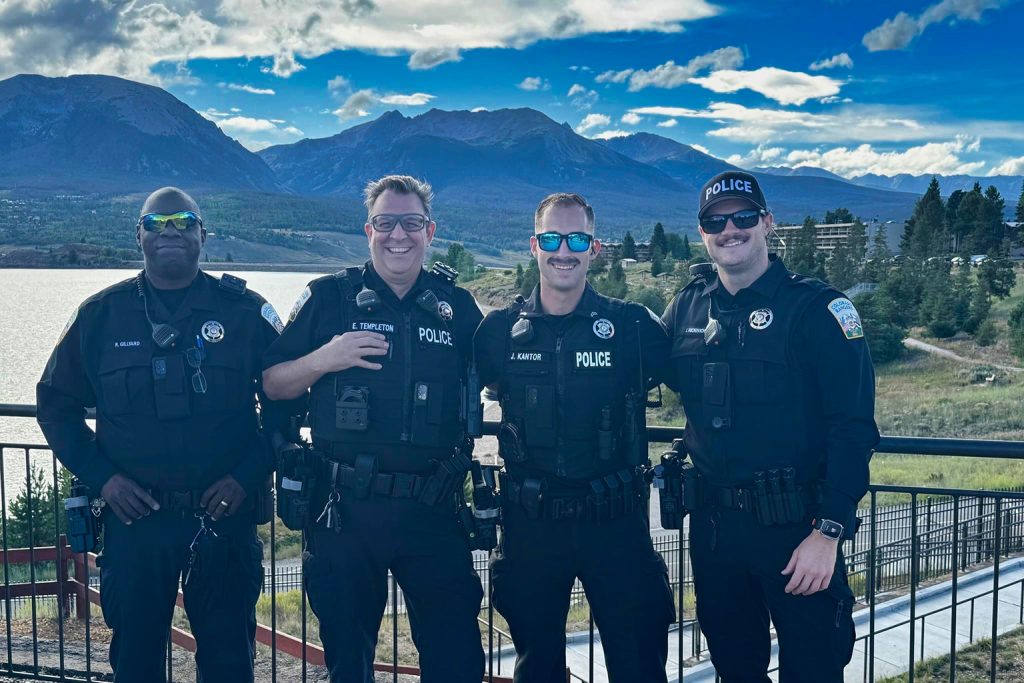
Unique Challenges and Rewards in the Centennial State
Policing in Colorado involves navigating a spectrum of environments. In mountain towns, officers might engage in search and rescue operations or respond to incidents influenced by tourism and outdoor recreation. In bustling cities like Denver or Colorado Springs, the focus shifts to urban crime, traffic management, and addressing the complexities of diverse populations. The rewarding aspect lies in the direct impact officers have on public safety, the strong community bonds forged, and the satisfaction of upholding the rule of law in a state that values both individual freedom and collective responsibility. Furthermore, Colorado’s natural beauty offers unparalleled opportunities for outdoor activities, providing a unique lifestyle for officers and their families.
Colorado’s Diverse Communities
From the tech hubs of Boulder and Fort Collins to agricultural communities and the Western Slope’s Grand Junction, Colorado is a mosaic of cultures, economies, and lifestyles. Effective policing in such a varied environment requires not only tactical prowess but also strong interpersonal skills, cultural competency, and a deep understanding of community needs. Officers are often at the forefront of community engagement initiatives, building trust and fostering collaborative relationships that are essential for preventing crime and resolving conflicts. This emphasis on community-oriented policing is a hallmark of law enforcement in the state, offering a more holistic and integrated approach to public safety.
Essential Qualifications and Prerequisites
Before an aspiring officer can don the badge, they must meet a stringent set of qualifications designed to ensure only the most suitable candidates enter the profession. These requirements cover everything from age and education to physical and psychological fortitude.
Basic Eligibility Criteria
While specific requirements can vary slightly between departments, a foundational set of criteria typically applies across Colorado. Applicants must generally be at least 21 years old at the time of appointment, a citizen of the United States (or legally authorized to work in the United States), and possess a valid Colorado driver’s license. A clean criminal record is paramount, usually meaning no felony convictions and often no misdemeanor convictions involving moral turpitude or domestic violence. Certain traffic offenses or drug use histories may also disqualify candidates. Integrity and a strong moral compass are non-negotiable.
Educational Requirements
Most police departments in Colorado require applicants to possess a high school diploma or GED equivalent. However, an increasing number of agencies, particularly larger municipal departments like the Denver Police Department, prefer or even require an associate’s or bachelor’s degree. Degrees in criminal justice, sociology, psychology, or related fields can be highly advantageous, demonstrating an applicant’s commitment to higher learning and providing a theoretical foundation for law enforcement principles. Military experience is also often highly valued and can sometimes substitute for specific educational requirements.
Physical and Mental Fitness Standards
The demands of police work are both physically and mentally rigorous. Candidates must pass a comprehensive physical fitness assessment, which typically includes tasks such as running, push-ups, sit-ups, and agility tests, designed to evaluate stamina, strength, and overall physical readiness. Mental fitness is equally crucial. Applicants undergo extensive psychological evaluations, including written tests and interviews with licensed professionals, to assess their emotional stability, judgment, problem-solving abilities, and capacity to handle stress, trauma, and ethical dilemmas inherent in policing. These evaluations aim to ensure candidates possess the resilience and composure necessary for the job.
Background Check and Ethical Conduct
Perhaps the most exhaustive part of the application process is the background investigation. This meticulous review delves into an applicant’s personal, professional, and financial history. It includes interviews with former employers, references, neighbors, and family members, as well as a thorough examination of financial records, credit history, and social media presence. The purpose is to ascertain the candidate’s honesty, integrity, and suitability for a position of immense public trust. Any discrepancies, omissions, or indications of unethical behavior can lead to disqualification. Departments are looking for individuals who embody the highest standards of ethical conduct, both on and off duty.
The Application and Training Process
Once the initial qualifications are met, the journey transitions to a multi-stage application and rigorous training regimen designed to transform civilians into competent and confident peace officers.
Navigating the Application Maze
The application process typically begins with an online application, followed by a written entrance exam assessing basic aptitudes such as reading comprehension, writing skills, and logical reasoning. Successful candidates then proceed to physical agility tests and often an initial interview panel. This is usually followed by the intensive background investigation, polygraph examination, and medical and psychological evaluations. Each stage is eliminatory, ensuring only the most qualified and suitable individuals advance. Patience, thoroughness, and persistence are key during this protracted but necessary phase.
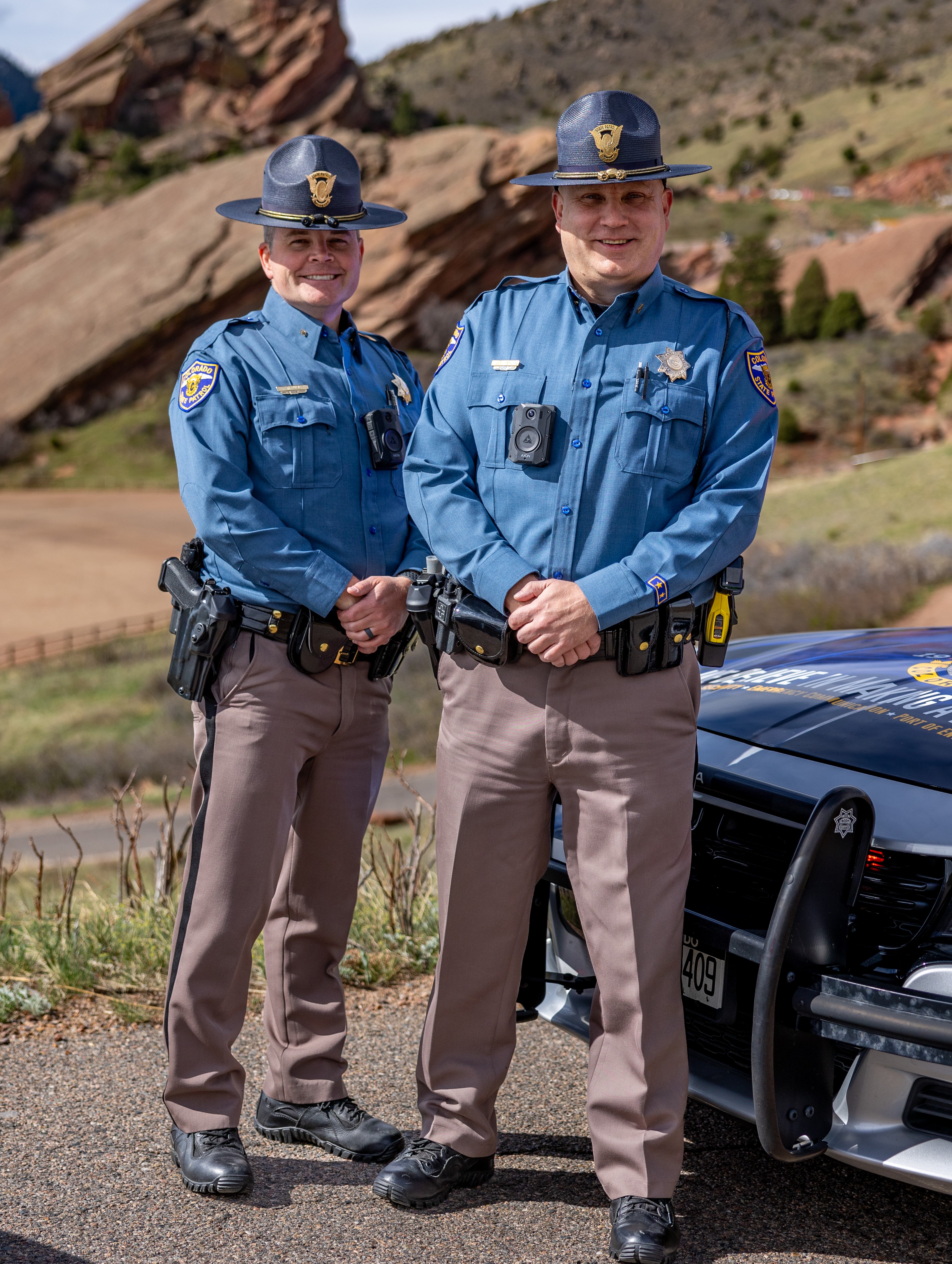
The Police Academy Experience
Upon successful completion of all pre-employment assessments, aspiring officers attend a state-certified police academy. In Colorado, this certification comes from Colorado Peace Officer Standards and Training (POST). The academy is an intensive, immersive experience lasting several months (typically 16-24 weeks), covering a vast curriculum. Cadets receive instruction in criminal law, constitutional law, traffic enforcement, firearms proficiency, defensive tactics, emergency vehicle operation, first aid, crisis intervention, and community relations. The training is physically demanding and academically challenging, designed to instill discipline, teamwork, and the fundamental knowledge and skills required for effective policing. Successful completion of the POST academy and passing the POST certification exam is mandatory to become a sworn officer in Colorado.
Field Training and Probation
Graduating from the academy is a significant milestone, but it’s only the beginning. New officers then enter a Field Training Program (FTP), typically lasting several months, where they are paired with experienced Field Training Officers (FTOs). During FTP, recruits apply their academy knowledge in real-world scenarios, learning practical policing under direct supervision. This hands-on training covers everything from conducting traffic stops and investigating crimes to handling domestic disputes and responding to emergencies. Performance is continuously evaluated, and FTOs provide critical feedback, guidance, and mentorship. Following FTP, officers usually serve a probationary period, often one year, during which their performance continues to be closely monitored before they gain full employment status.
Career Growth and Specializations within Colorado Law Enforcement
A career in Colorado law enforcement is far from static. It offers numerous avenues for growth, specialization, and continued professional development, allowing officers to tailor their careers to their interests and aptitudes.
Opportunities for Advancement
Promotional opportunities are available for dedicated officers who demonstrate leadership, initiative, and a commitment to excellence. These can include advancing through ranks such as Corporal, Sergeant, Lieutenant, Captain, and beyond. Each promotion typically involves a competitive selection process, including written exams, assessment centers, and interviews, evaluating an officer’s leadership potential, tactical knowledge, and administrative capabilities. Many departments also offer opportunities for lateral transfers or specialized roles, even without formal promotion, allowing officers to gain diverse experience.
Specialized Units and Divisions
For those with specific interests, Colorado police departments offer a wide array of specialized units. These can include:
- SWAT Teams: Highly trained units for critical incidents, hostage situations, and high-risk warrant service.
- K9 Units: Officers working with specially trained police dogs for detection, tracking, and apprehension.
- Narcotics Units: Investigating drug-related crimes and trafficking.
- Detectives/Investigators: Specializing in crime scene investigation, evidence collection, and complex case management (e.g., Homicide, Robbery, Sexual Assault).
- Traffic Enforcement: Focusing on accident investigation, DUI enforcement, and traffic safety.
- Community Policing/Engagement Units: Building bridges between law enforcement and diverse community groups.
- School Resource Officers (SROs): Working within schools to ensure safety and foster positive relationships with youth.
- Bomb Squads: Experts in handling explosive devices.
- Air Support Units: Utilizing helicopters or drones for surveillance and support.
- Cybercrime Units: Addressing digital forensics and online criminal activity.
Additionally, opportunities exist at the state level with the Colorado State Patrol, which focuses on highway safety and statewide enforcement, or even at the federal level with agencies like the Federal Bureau of Investigation (FBI), Drug Enforcement Administration (DEA), or Bureau of Alcohol, Tobacco, Firearms and Explosives (ATF).
Continuing Education and Professional Development
The world of law enforcement is constantly evolving, requiring officers to remain current with best practices, legal changes, and new technologies. Colorado departments strongly encourage and often provide opportunities for continuing education. This can include attending specialized training courses, pursuing advanced degrees, or participating in leadership development programs. POST mandates ongoing training to maintain certification, ensuring that Colorado officers are always at the forefront of modern policing techniques and ethics.
Benefits and Life as a Colorado Police Officer
Beyond the profound sense of purpose, a career in Colorado law enforcement comes with a comprehensive package of benefits and a unique lifestyle.
Compensation and Retirement
Police officers in Colorado generally receive competitive salaries, which increase with experience, rank, and specialized assignments. Salaries vary by department and cost of living in different regions of the state. In addition to base pay, officers typically receive robust benefits packages, including health, dental, and vision insurance, paid time off, and tuition reimbursement programs. A significant draw is the excellent retirement benefits, often including defined-benefit pension plans, providing long-term financial security for officers and their families after years of dedicated service.
Community Engagement and Impact
One of the most satisfying aspects of being a police officer in Colorado is the direct and positive impact on the community. Officers are often first responders during crises, provide comfort and assistance during emergencies, and work proactively to prevent crime. They build relationships with residents, participate in community events, and serve as mentors and role models. The appreciation from grateful citizens and the knowledge that one is contributing to a safer, more orderly society are intangible rewards that few professions can match.

Work-Life Balance in the Rocky Mountains
For many, the allure of Colorado lies in its unparalleled outdoor lifestyle. Despite the demanding nature of police work, officers in Colorado often find opportunities to enjoy the state’s natural beauty. Whether it’s skiing in the winter, hiking and biking in the summer, or simply enjoying the crisp mountain air, the ability to live and work in such a desirable location significantly enhances work-life balance. Many departments are also proactive in promoting mental health and wellness programs to support their officers in managing the stresses of the job, further contributing to a sustainable and fulfilling career.
Becoming a police officer in Colorado is a challenging yet deeply rewarding career choice. It demands courage, integrity, resilience, and a steadfast commitment to public service. For those who meet the rigorous standards and embrace the call to protect and serve, Colorado offers not just a job, but a lifelong vocation with opportunities for significant impact, personal growth, and a fulfilling lifestyle amidst some of the most stunning scenery in the United States.
LifeOutOfTheBox is a participant in the Amazon Services LLC Associates Program, an affiliate advertising program designed to provide a means for sites to earn advertising fees by advertising and linking to Amazon.com. Amazon, the Amazon logo, AmazonSupply, and the AmazonSupply logo are trademarks of Amazon.com, Inc. or its affiliates. As an Amazon Associate we earn affiliate commissions from qualifying purchases.