
When planning a trip to a major global metropolis, one of the most fundamental questions a savvy traveler might ask is about its population. More than just a statistic, a city’s population figure offers profound insights into its character, scale, diversity, and the very fabric of its existence. For Los Angeles, a city synonymous with dreams, innovation, and sprawling urbanity, understanding its population is key to unlocking a richer, more informed travel experience. It’s a number that dictates everything from the culinary landscape and cultural festivals to the pace of life and the efficiency of its transportation systems.
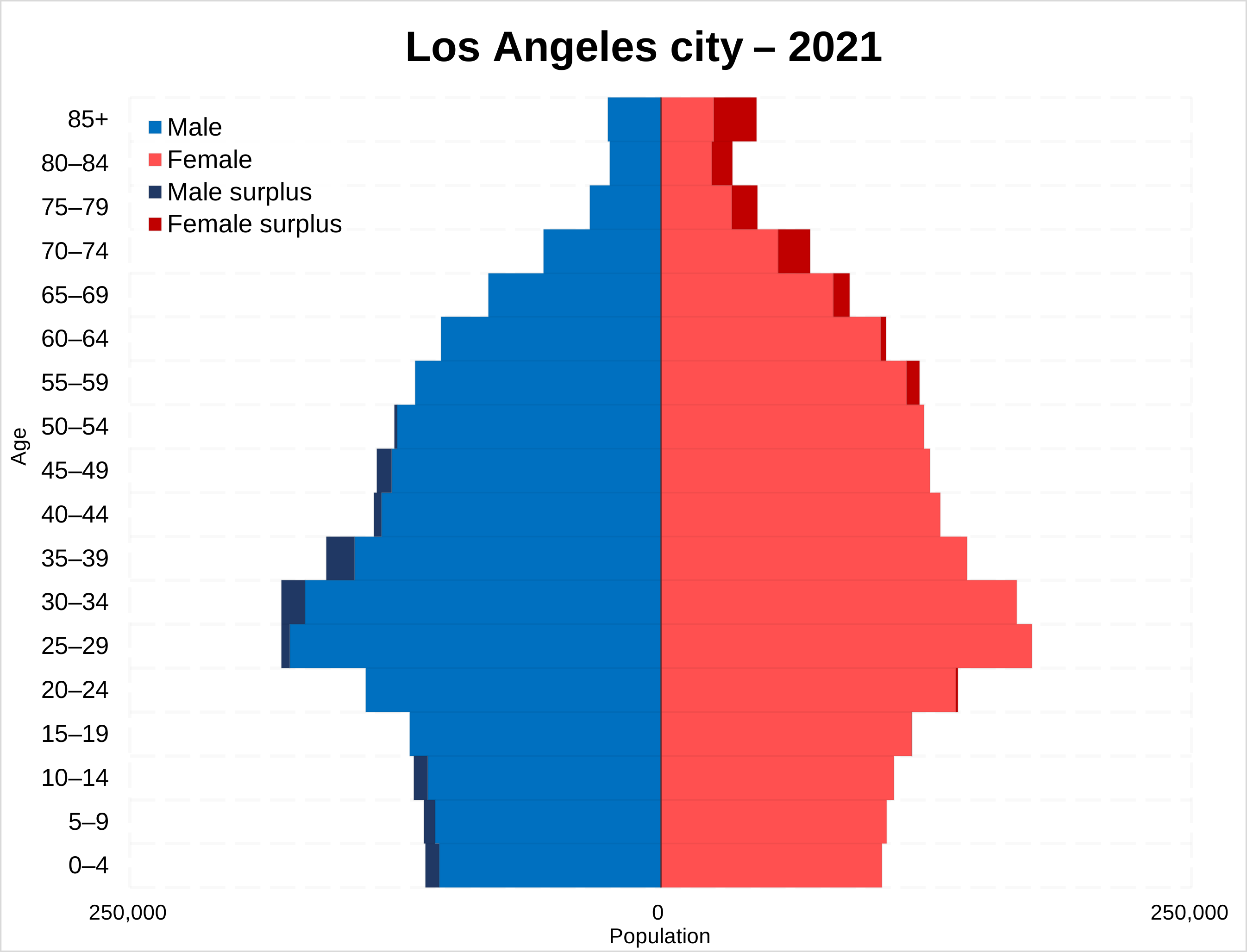
Los Angeles, officially the City of Los Angeles, stands as the second-most populous city in the United States and the most populous city in California. While population figures are constantly in flux due to births, deaths, and migration, recent estimates consistently place the city’s population at approximately 3.8 to 3.9 million residents. This makes Los Angeles a colossal urban center, a vibrant melting pot of cultures, and a dynamic destination that promises an endless array of experiences for every visitor. But this number is merely the starting point. To truly appreciate what it means to travel to Los Angeles, we must delve deeper into the implications of this immense demographic reality.
The Dynamic Demographics of Los Angeles
The population of Los Angeles is not a static figure but a living, breathing entity that reflects ongoing societal and economic shifts. For travelers, understanding these dynamics provides a crucial backdrop to the sights and sounds they will encounter.
Understanding the Latest Numbers
At its core, the City of Los Angeles is a distinct municipal entity. The most recent reliable estimates, typically derived from data by organizations like the U.S. Census Bureau, show its resident population hovering around 3.8 to 3.9 million people. This figure represents only those living within the official city limits, which span a vast 500 square miles (1,300 km²). This makes Los Angeles not just populous but also geographically expansive, a detail critical for appreciating travel times and the sheer scale of the destination.
The population has seen periods of rapid growth and more gradual expansion, influenced by economic booms, immigration patterns, and shifts in urban living preferences. For instance, the tech industry boom, coupled with LA’s perennial appeal for entertainment and cultural pursuits, continues to draw new residents from across the globe. This constant influx means that the city is perpetually renewing itself, offering fresh perspectives and evolving landscapes that keep it an exciting travel destination.
The Larger Metropolitan Context
While the city proper is immense, the true scale of Los Angeles as a destination often extends far beyond its official boundaries. Travelers must understand the distinction between the City of Los Angeles and the broader metropolitan areas that comprise the greater region.
The Los Angeles County, for example, encompasses 88 incorporated cities, including Los Angeles itself, and a total population of over 10 million people. This county is a mosaic of distinct communities, from the beaches of Santa Monica to the urban sophistication of Beverly Hills and the diverse neighborhoods of the San Gabriel Valley. When people refer to “visiting LA,” they often implicitly mean exploring various parts of Los Angeles County.
Going even further, the Greater Los Angeles Area, often referred to as the Los Angeles-Long Beach-Anaheim Metropolitan Statistical Area (MSA), is an even larger economic and cultural region. This vast area stretches across five counties—Los Angeles, Orange, Riverside, San Bernardino, and Ventura—and boasts a combined population exceeding 18 million. This massive conurbation represents an economic powerhouse and a sprawling tapestry of communities, each offering unique attractions, from the theme parks of Disneyland in Anaheim to the deserts of Palm Springs. For travelers, this distinction is vital, as planning a trip often involves navigating this wider metropolitan landscape, leading to a need for understanding its extensive infrastructure and diverse offerings.
How Population Shapes the Los Angeles Travel Experience
The sheer number of people calling Los Angeles home profoundly impacts every facet of the travel experience, from the cultural fabric to practical logistics.
Diversity and Cultural Richness
Los Angeles’ vast population is its greatest asset in terms of cultural richness. It is one of the most ethnically diverse cities in the world, with residents hailing from virtually every corner of the globe. This diversity is not merely a demographic fact; it’s the heartbeat of the city’s identity and a primary draw for travelers.
This cultural mosaic translates into vibrant, distinct neighborhoods that feel like mini-countries within the city. Visitors can explore the bustling markets and authentic eateries of Chinatown, savor the exquisite flavors and unique traditions of Koreatown, immerse themselves in the historical significance of Little Tokyo, or experience the rich heritage of East Los Angeles‘s Latino communities. Each neighborhood offers a sensory journey, from diverse culinary scenes to unique cultural festivals and distinct architectural styles. For travelers, this means an unparalleled opportunity to experience a world of cultures without ever leaving the city limits, making Los Angeles a global destination in the truest sense.
Infrastructure and Accessibility
A population nearing 4 million within the city limits, and over 18 million in the broader metropolitan area, places immense demands on infrastructure. This reality directly influences how travelers move around and experience Los Angeles.

Traffic, often dubbed LA’s notorious companion, is a direct consequence of its sprawling layout and large population. Understanding peak commute times and planning routes accordingly is paramount for travelers, whether driving a rental car or utilizing ride-sharing services. However, a massive population also necessitates robust public transportation. Los Angeles has been significantly expanding its public transit network, including the Metro Rail and Metro Bus systems. While not as extensive as in some older global cities, these systems offer a viable and increasingly popular alternative for navigating key areas, especially for visitors keen to avoid driving. Travelers should research public transport options to major attractions like Downtown LA, Hollywood, and Santa Monica.
Economic Vibrancy and Opportunity
The large population fuels a dynamic economy, which in turn creates a rich tapestry of experiences for visitors. Los Angeles is a global hub for entertainment, fashion, technology, international trade, and more. This economic vibrancy means a constant stream of new restaurants, boutiques, art galleries, and innovative attractions. The demand generated by millions of residents supports a thriving creative class and an entrepreneurial spirit that keeps the city’s offerings fresh and exciting. From world-class museums like the Getty Center to cutting-edge culinary trends and pop-up art installations, the sheer scale of human activity ensures there’s always something new to discover.
Navigating the Crowds: Population’s Impact on Attractions and Experiences
While the large population contributes to Los Angeles’ vitality, it also means that travelers must be strategic in how they approach popular destinations to maximize their enjoyment.
Peak Times and Popular Destinations
Millions of residents, combined with millions of annual tourists, mean that iconic Los Angeles landmarks can draw significant crowds. Places like the Hollywood Walk of Fame, Santa Monica Pier, Universal Studios Hollywood, and the beaches of Malibu often experience high foot traffic, especially during weekends, holidays, and peak tourist seasons.
For travelers, this translates into longer lines, crowded viewpoints, and potentially slower service at popular eateries. However, being aware of this allows for effective planning. Strategies include:
- Visiting early in the morning or late in the afternoon: Many attractions are significantly less crowded outside of midday hours.
- Purchasing tickets in advance online: This can save considerable time waiting in line at theme parks and museums.
- Utilizing off-peak seasons: If possible, consider visiting during shoulder seasons (spring or fall) to avoid the busiest summer crowds.
- Exploring during weekdays: Many popular spots are considerably quieter from Monday to Thursday.
Finding Hidden Gems and Local Spots
The extensive population and diverse neighborhoods also mean that Los Angeles is replete with hidden gems and local favorites that offer a more authentic, less crowded experience. Escaping the main tourist arteries can lead to delightful discoveries.
Instead of only hitting the most famous spots, consider:
- Exploring specific neighborhoods: Venture into areas like Los Feliz for quirky boutiques and cafes, or Silver Lake for its vibrant arts scene and independent shops.
- Utilizing green spaces: Griffith Park, one of the largest urban parks in North America, offers miles of hiking trails, stunning views, and attractions like the Griffith Observatory – a fantastic alternative to overly crowded spots.
- Dining at local establishments: Beyond the celebrity chef restaurants, countless neighborhood eateries, food trucks, and farmers’ markets reflect the true culinary soul of the city, often at more accessible prices and with fewer crowds.
- Seeking out smaller museums and galleries: While the major institutions are magnificent, smaller cultural centers often provide intimate and unique insights into specific aspects of LA’s art and history.
Future Trends and What They Mean for Travelers
Los Angeles’ population continues to evolve, and these future trends will undoubtedly shape the city’s appeal and challenges for tomorrow’s travelers.
Ongoing Growth and Urban Development
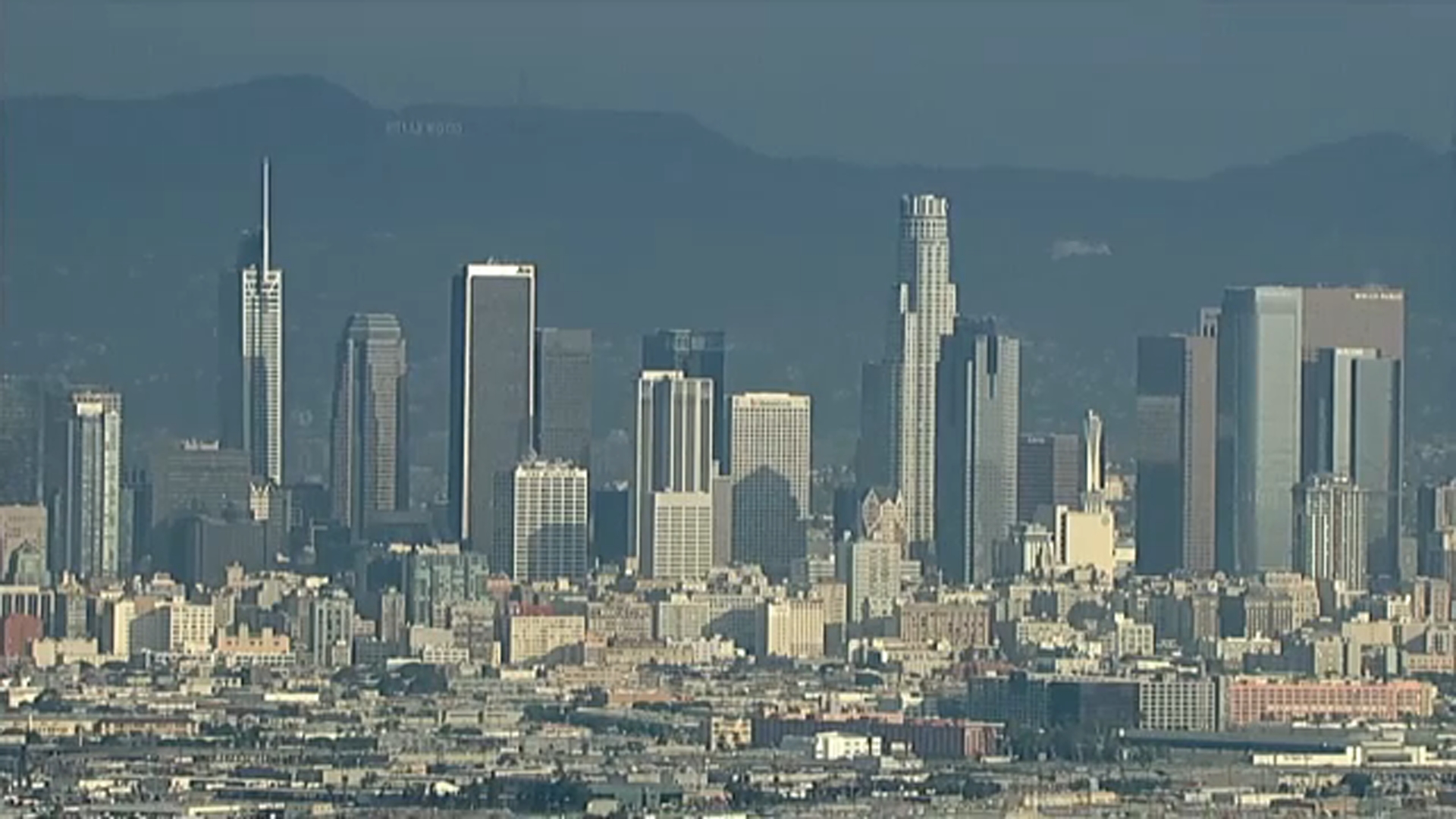
Forecasts generally predict continued, albeit slower, population growth for Los Angeles and its surrounding areas. This ongoing growth fuels continuous urban development, from new residential towers to commercial complexes and cultural venues. For travelers, this means an ever-changing skyline and the constant emergence of new attractions, dining experiences, and entertainment options. New transportation initiatives, like the expansion of the Metro system, are designed to accommodate this growth, potentially making future travel within the city more efficient.
However, growth also presents challenges such as increased demand for resources and rising costs, which can affect everything from hotel prices to the overall ‘vibe’ of certain neighborhoods. Savvy travelers will keep an eye on these developments to adapt their plans accordingly.
Sustainability and Innovation
With a massive population in a region prone to environmental concerns (like water scarcity and air quality), Los Angeles is increasingly focused on sustainability and innovative urban solutions. This push impacts travelers in several positive ways: the emphasis on public parks and green spaces, the growth of eco-friendly accommodations, the rise of farm-to-table dining, and improved walkability in certain districts. As the city strives to become greener and more sustainable, it will likely offer more responsible and enriching travel experiences that align with modern ecological values.
In conclusion, the question “What is the population of Los Angeles City?” is far more than a simple query. The answer—approximately 3.8 to 3.9 million within the city and over 18 million in the wider metropolitan area—is a foundational piece of information that profoundly shapes every aspect of a travel experience to this iconic destination. It underpins its unparalleled diversity, complex infrastructure, vibrant economy, and the strategies travelers must employ to truly savor its magic. By understanding the numbers, visitors can gain a deeper appreciation for the sprawling, dynamic, and endlessly fascinating metropolis that is Los Angeles.
LifeOutOfTheBox is a participant in the Amazon Services LLC Associates Program, an affiliate advertising program designed to provide a means for sites to earn advertising fees by advertising and linking to Amazon.com. Amazon, the Amazon logo, AmazonSupply, and the AmazonSupply logo are trademarks of Amazon.com, Inc. or its affiliates. As an Amazon Associate we earn affiliate commissions from qualifying purchases.