
Florida, the Sunshine State, is synonymous with endless summer, pristine beaches, and vibrant attractions. While its warm climate is a major draw for travelers seeking an escape from colder climes, many visitors often wonder: “When does it actually start to cool down in Florida?” Understanding the state’s seasonal transitions is crucial for planning the perfect trip, whether you’re aiming for comfortable outdoor adventures, fewer crowds, or specific events. Far from a rapid shift, Florida’s “cooling down” is a gradual, welcome progression that transforms the travel experience.
Understanding Florida’s Climate: A Seasonal Overview
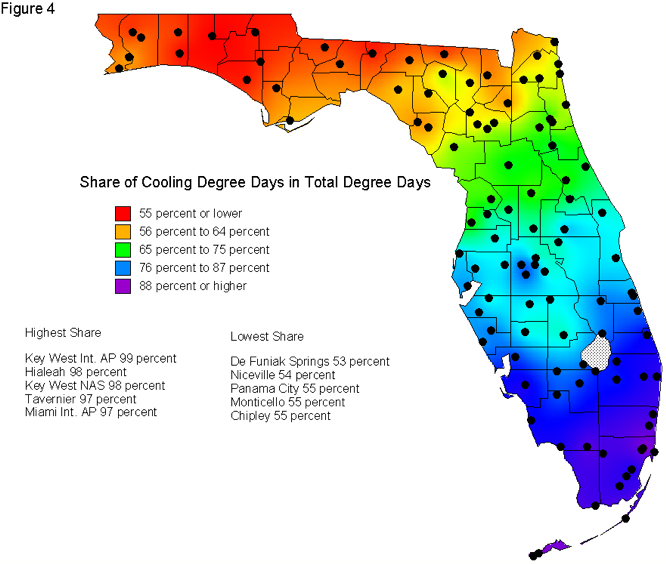
Florida’s climate is subtropical in the northern and central parts and tropical in the southern regions, including Miami and the Florida Keys. This means that while temperatures are generally warm year-round, there are distinct differences that impact travel comfort and activity choices. The concept of “cool” in Florida is relative, often meaning a drop in humidity more than a significant plunge in temperature, though cooler mornings and evenings become increasingly common.
The Endless Summer: June to September
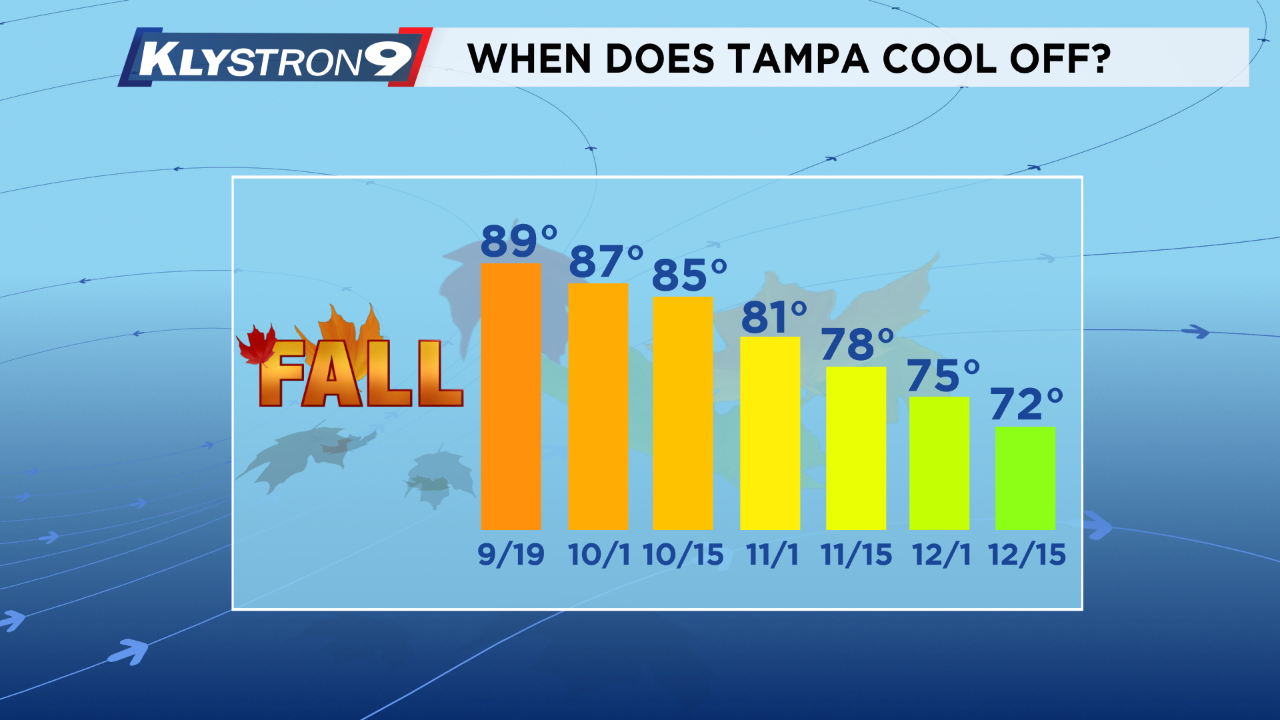
From June through September, Florida is firmly in its hot, humid, and rainy season. Daily high temperatures consistently hover in the high 80s and low 90s Fahrenheit (29-35°C), often feeling even warmer due to oppressive humidity. Afternoon thunderstorms are a daily occurrence, usually brief but intense, providing a temporary respite from the heat. This period also coincides with hurricane season, which peaks from August to October, requiring travelers to monitor weather forecasts closely. While theme parks remain popular, and water activities are a must, prolonged outdoor excursions can be challenging due to the heat and humidity.
The Transition: October and November
This is where the magic begins for those seeking more comfortable conditions. October marks the true beginning of the transition. While early October can still feel quite warm, especially in South Florida, the humidity starts to noticeably decrease. Northern Florida sees a more pronounced shift first. By late October, and certainly throughout November, the change is palpable across the state.
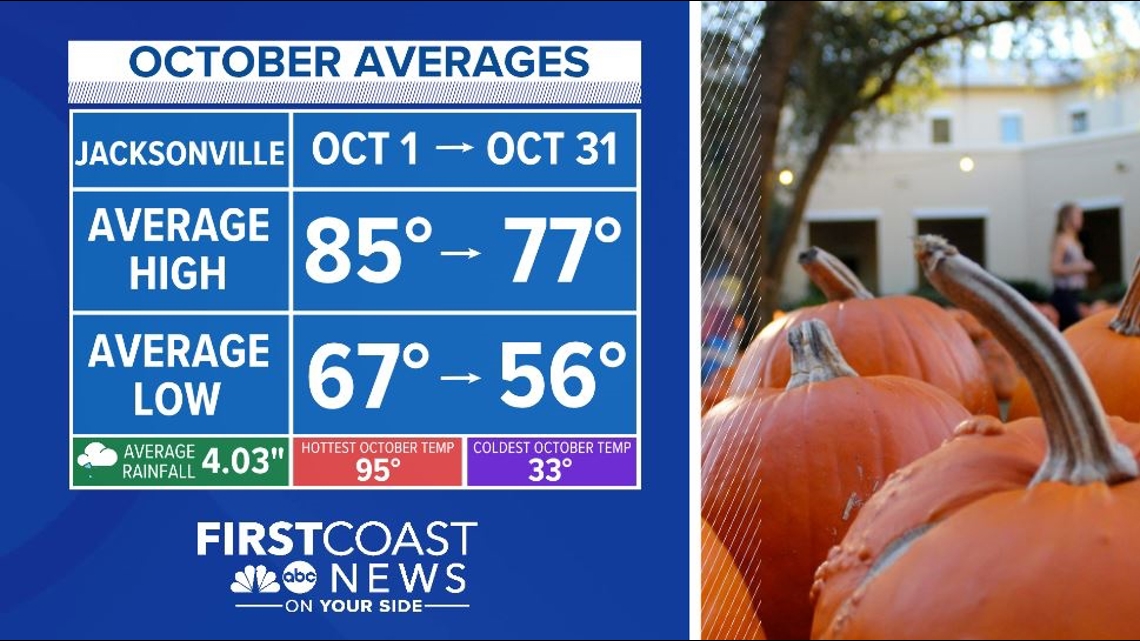
- October: Average daily highs begin to drop into the low to mid-80s Fahrenheit (27-30°C). Humidity levels become more manageable, and the frequency of afternoon thunderstorms diminishes significantly. Evenings become pleasantly mild, often dipping into the comfortable 60s (15-20°C). This month is often considered a “sweet spot” for many travelers, offering warm but not stifling weather before the peak tourist season fully kicks in.
- November: Florida truly starts to feel “cooler” in November. Daily highs typically range from the mid-70s to low 80s Fahrenheit (24-28°C) statewide, with significantly lower humidity. Nights can dip into the 50s and low 60s (10-17°C), making outdoor dining and evening strolls delightful. The threat of hurricanes also greatly diminishes by the end of the month. This period is ideal for exploring nature, enjoying outdoor festivals, and experiencing attractions without the intense summer heat.
Peak Season Perfection: December to February
These months represent Florida’s peak tourist season, and for good reason. The weather is at its most agreeable, offering consistently sunny skies, low humidity, and mild temperatures.
- December-February: Daily highs generally range from the mid-60s to mid-70s Fahrenheit (18-24°C) across much of the state, though South Florida and the Florida Keys often stay in the 70s (21-26°C). Nights can be genuinely cool, sometimes dropping into the 40s (4-9°C) in northern and central Florida. This is the best time for all types of outdoor activities, from golfing and hiking to beach days without the sweltering heat. The comfortable climate makes it perfect for snowbirds and families escaping winter.
Spring’s Gentle Embrace: March to May
Spring in Florida is generally delightful, offering a gradual warm-up before the summer heat fully returns.
- March: Similar to winter, March offers fantastic weather, with temperatures warming slightly but remaining very pleasant. Highs are typically in the 70s (21-26°C).
- April-May: Temperatures continue to climb, with April highs usually in the low to mid-80s (27-30°C) and May seeing mid-80s to low 90s (30-33°C). Humidity starts to increase, especially in May, signaling the approach of summer. While still enjoyable, the comfort level for extended outdoor activities begins to decline, particularly later in the spring.
Why Cooler Weather Matters for Your Florida Trip
The subtle shift in Florida’s climate has a profound impact on the overall travel experience. Choosing to visit during the cooler months can enhance your trip in several key ways.
Comfort and Outdoor Activities
Lower temperatures and significantly reduced humidity transform outdoor exploration. Imagine strolling through Disney World or Universal Studios Florida without constantly searching for shade, or enjoying a round of golf without feeling drenched after the first hole. Cooler weather opens up opportunities for activities that might be less appealing in summer, such as hiking in state parks, exploring historic districts like St. Augustine on foot, or enjoying wildlife viewing in Everglades National Park without the intense sun and pesky insects.
Managing Crowds and Costs
While the absolute coolest months (December-February) are also peak tourist season, the shoulder months of October and November often offer a sweet spot. You get much more pleasant weather than summer, but crowds may be slightly thinner, and accommodation prices potentially lower than the peak winter months. This can lead to a more relaxed experience at popular attractions and better deals on flights and hotels. Early spring (March) also offers excellent weather before the late spring break rushes.
Seasonal Events and Festivals
Florida’s cooler season is also prime time for a plethora of festivals and events. From food and wine festivals in Miami to art shows in St. Petersburg and holiday celebrations across the state, the pleasant weather encourages outdoor gatherings. Travelers can immerse themselves in local culture, sample regional cuisine, and enjoy live entertainment without the discomfort of oppressive heat.
Top Destinations to Enjoy Florida’s Cooler Months
While all of Florida benefits from the cooler weather, some destinations truly shine when the temperatures drop and the humidity recedes.
Orlando and Its Theme Parks
The self-proclaimed “Theme Park Capital of the World,” Orlando, is arguably at its best from late October through April. Navigating vast parks like Walt Disney World Resort or Universal Orlando Resort becomes a much more enjoyable experience when temperatures are in the 60s and 70s Fahrenheit. Long queues feel less taxing, and exploring multiple lands and attractions is more comfortable. The cooler months also bring special holiday events and decorations to the parks, adding an extra layer of magic.
The Florida Keys and Coastal Retreats
The Florida Keys, stretching from Key Largo to Key West, offer a distinctly tropical experience that becomes even more inviting in the cooler months. While they rarely get “cold,” the relief from summer’s stifling humidity makes a significant difference. Enjoy snorkeling, diving, fishing, or simply relaxing on the beach without the intense sun. Coastal cities like Sarasota, Naples, and St. Petersburg on the Gulf Coast also offer stunning beaches, vibrant arts scenes, and excellent dining, all enhanced by the pleasant weather.
Exploring Everglades National Park
The vast wilderness of Everglades National Park is best explored during Florida’s dry, cooler season (roughly November to April). During these months, water levels are lower, concentrating wildlife around permanent water sources, making sightings of alligators, wading birds, and other creatures more common. The lower humidity also means fewer mosquitoes, making airboat tours, kayaking, and hiking trails far more enjoyable and comfortable.
Historic Cities: St. Augustine and Miami
St. Augustine, the nation’s oldest continuously inhabited European-established settlement, is a treasure trove of history, charming streets, and unique architecture. Its outdoor nature makes it perfect for exploring on foot, a task much more pleasant when temperatures are mild. Wander through the Castillo de San Marcos, explore the historic downtown, or enjoy a ghost tour in the crisp evening air.
Miami, with its vibrant art deco district, world-class beaches, and Latin flair, truly comes alive in the cooler months. Enjoy outdoor dining in South Beach, explore the murals of Wynwood, or simply relax by the ocean without the overwhelming heat and humidity of summer.
Packing Essentials for Florida’s “Cooler” Season
Even during Florida’s cooler months, it’s essential to pack strategically. “Cooler” does not mean cold, especially compared to many northern climates.
Layering is Key
While days can still be sunny and warm enough for shorts and t-shirts, mornings and evenings, particularly from November to March, can be surprisingly cool, especially in central and northern Florida. Pack light layers: long-sleeved shirts, light sweaters, or a jacket. A light windbreaker can also be useful for breezy coastal areas or evenings.
Sun Protection Still Paramount
Even on cooler days, Florida’s sun is strong. Continue to pack and use high-SPF sunscreen, sunglasses, and a hat. The UV index remains high throughout the year, making sun protection a non-negotiable part of your packing list, regardless of the temperature.
Planning Your Ideal Florida Escape
Considering Florida’s weather patterns is paramount to maximizing your travel enjoyment. For those sensitive to heat and humidity, aiming for October, November, or the peak winter months of December through February will yield the most comfortable experience.
Booking Accommodations and Flights
If you plan to travel during the peak season (December-February), it’s advisable to book your flights and accommodations well in advance, as demand is high and prices tend to reflect this. For slightly fewer crowds and good weather, late October and November, or early March, offer an excellent balance.
Flexibility for the Best Experience
While general weather patterns are predictable, Florida’s weather can occasionally surprise. Being flexible with your itinerary allows you to adjust to any unexpected cool fronts or warmer days, ensuring you can make the most of your time in the Sunshine State.
In conclusion, Florida truly begins to cool down in October, with November offering a more consistent and noticeable drop in both temperature and humidity. The period from December through February represents the state’s most pleasant weather, ideal for travelers seeking comfortable conditions for extensive exploration and outdoor activities. By understanding these seasonal nuances, you can perfectly time your visit to enjoy all that Florida has to offer, without breaking a sweat.
LifeOutOfTheBox is a participant in the Amazon Services LLC Associates Program, an affiliate advertising program designed to provide a means for sites to earn advertising fees by advertising and linking to Amazon.com. Amazon, the Amazon logo, AmazonSupply, and the AmazonSupply logo are trademarks of Amazon.com, Inc. or its affiliates. As an Amazon Associate we earn affiliate commissions from qualifying purchases.