
Understanding the Role of a School Counselor in California
The journey to becoming a school counselor in California is a rewarding one, marked by a commitment to fostering student well-being and academic success. School counselors in the Golden State play a multifaceted role, acting as vital support systems for students navigating the complexities of their educational and personal lives. Their responsibilities extend far beyond academic advising, encompassing mental health support, social-emotional development, college and career readiness, and crisis intervention.
A school counselor’s day might involve individual counseling sessions addressing issues such as anxiety, peer conflicts, or family challenges. They also facilitate group counseling on topics like stress management or grief. Furthermore, they are instrumental in developing and implementing comprehensive school counseling programs aligned with California’s educational standards and the American School Counselor Association’s National Model. This proactive approach aims to create a supportive school climate where all students can thrive.
The impact of a skilled school counselor is profound. They empower students to develop self-awareness, build healthy relationships, make responsible decisions, and achieve their full potential. This profession requires a unique blend of empathy, psychological insight, pedagogical understanding, and a deep dedication to serving young people.
Key Responsibilities and Impact
- Academic Advising: Guiding students in course selection, academic planning, and monitoring progress toward graduation. This includes ensuring students meet the requirements for college admission or vocational training.
- Career Exploration: Introducing students to various career paths, helping them identify interests and strengths, and providing resources for exploring post-secondary options, including California’s diverse higher education landscape.
- Social-Emotional Support: Providing a safe space for students to discuss their feelings, learn coping mechanisms for stress and anxiety, and develop interpersonal skills. This is crucial for building resilience and mental well-being.
- College and Career Readiness: Assisting with college applications, scholarship searches, standardized test preparation (SAT, ACT), and exploring vocational and technical training opportunities.
- Crisis Intervention: Responding to emergencies, providing immediate support to students in distress, and collaborating with parents, staff, and external agencies when necessary.
- Program Development: Designing and implementing comprehensive counseling programs that address the developmental needs of the student population.
Educational Pathways to Becoming a School Counselor in California
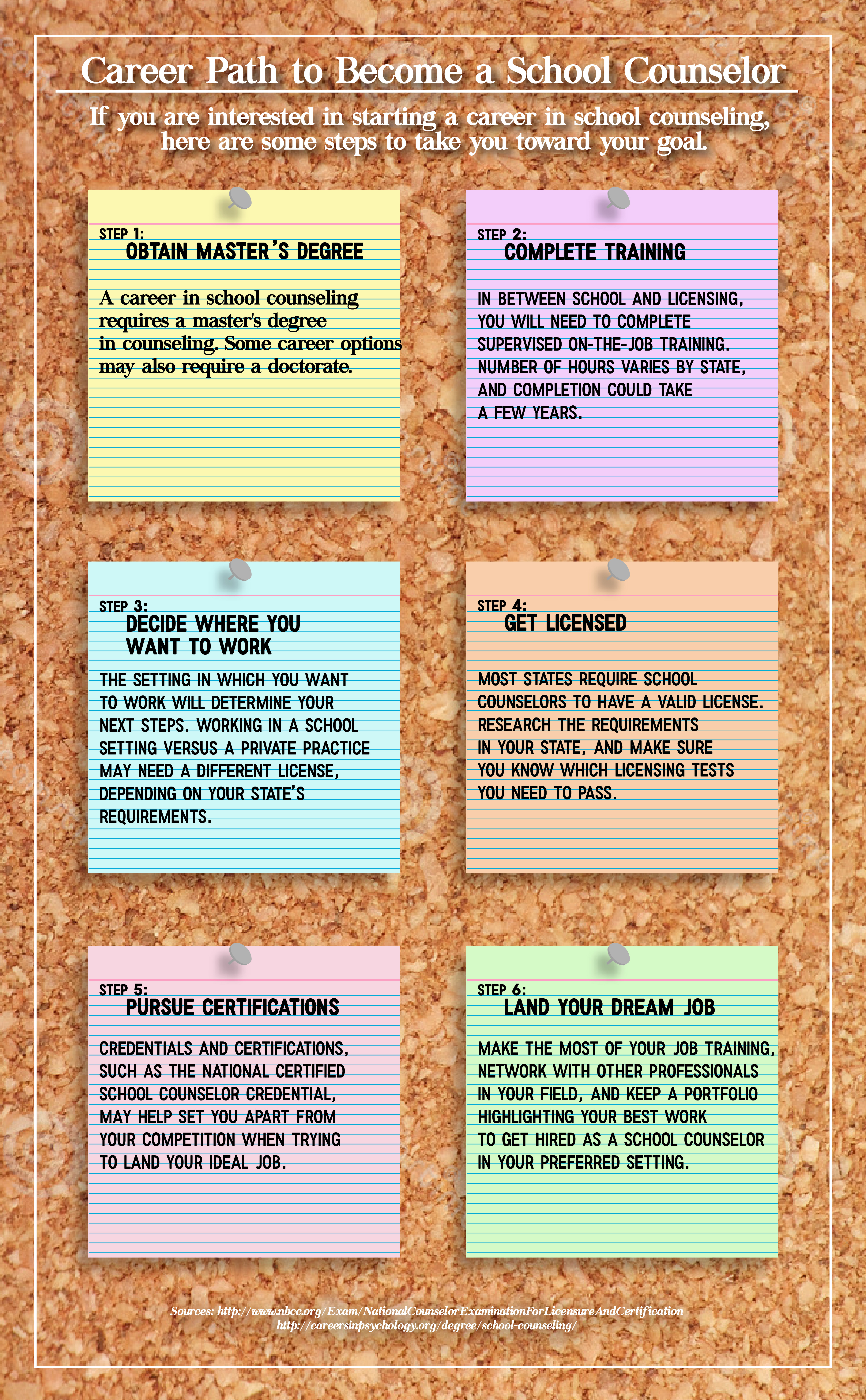
The path to becoming a certified school counselor in California is structured and requires specific educational qualifications. Aspiring counselors must first obtain a master’s degree in school counseling from a program accredited by the Council for Accreditation of Counseling and Related Educational Programs (CACREP) or an equivalent state-approved program. This rigorous academic preparation ensures that candidates possess the necessary theoretical knowledge and practical skills to effectively serve students.
Beyond the master’s degree, candidates must complete a supervised internship or practicum experience. This hands-on component, typically lasting a specified number of hours, allows students to apply their learning in real-world school settings under the guidance of experienced professionals. This practical exposure is invaluable for developing confidence and competence.
Upon completion of the degree and internship, individuals must apply for a School Counseling Credential from the California Commission on Teacher Credentialing (CTC). This credentialing process involves demonstrating competency in various areas, including counseling theory, child development, educational psychology, and legal and ethical issues. The CTC also requires a background check and may have additional requirements depending on the applicant’s prior experience and education.
Master’s Degree Programs
- Accreditation: Seek programs accredited by CACREP or approved by the CTC. Accreditation ensures the program meets high standards of quality and prepares graduates for credentialing.
- Curriculum: Programs typically cover topics such as counseling techniques, group dynamics, psychological assessment, multicultural counseling, substance abuse counseling, and crisis intervention.
- Duration: Master’s programs generally take two to three years of full-time study to complete.
Internship and Practicum
- Required Hours: Most programs mandate a minimum number of supervised hours in a school setting.
- Supervision: Interns work under the direct supervision of a credentialed school counselor or a qualified faculty member.
- Experience: This practical experience is crucial for developing essential counseling skills and gaining a deep understanding of the school environment.
California Commission on Teacher Credentialing (CTC)
- Application Process: Candidates must submit a formal application along with transcripts, verification of experience, and other required documentation.
- Examinations: While specific examinations may vary, demonstrating proficiency in core counseling competencies is essential.
- Background Check: A thorough background check, including fingerprinting, is a standard requirement for all credential applicants.

Gaining Practical Experience and Professional Development
Once an individual has completed their formal education and obtained their initial credential, the journey to becoming a highly effective school counselor continues. Gaining diverse practical experience is paramount. Many aspiring counselors begin their careers in entry-level positions, working in various school settings such as elementary, middle, or high schools. Each level presents unique challenges and opportunities to hone skills.
Furthermore, ongoing professional development is not just encouraged; it’s essential for staying current with best practices, emerging trends in mental health, and evolving educational policies. This can include attending workshops, participating in conferences, pursuing advanced certifications, and engaging in continuing education units (CEUs). Networking with other professionals is also a valuable aspect of career growth, fostering a collaborative environment and sharing of knowledge.
Mentorship plays a critical role in the development of new counselors. Seeking out experienced colleagues who can offer guidance, support, and constructive feedback can significantly accelerate professional growth and help navigate the complexities of the counseling profession.
Building a Diverse Skill Set
- Variety of Settings: Working in different school levels (elementary, middle, high school) provides exposure to a wide range of developmental stages and student needs.
- Specialized Roles: Opportunities may arise to focus on specific areas, such as college and career counseling, special education support, or leadership roles within the counseling department.
- Collaboration: Building strong relationships with teachers, administrators, parents, and community resources is vital for comprehensive student support.
Continuous Learning and Networking
- Conferences and Workshops: Attending events organized by professional organizations like the California Association of School Counselors (CASC) or the American School Counselor Association (ASCA) offers opportunities for learning and networking.
- Advanced Certifications: Pursuing specialized certifications in areas like trauma-informed care, substance abuse counseling, or career development can enhance expertise.
- Professional Organizations: Membership in professional associations provides access to resources, journals, and a network of peers.
- Mentorship: Actively seeking guidance from experienced counselors can provide invaluable insights and support.
Navigating the Job Market and Career Advancement
Securing a position as a school counselor in California involves a strategic approach to the job market. Understanding where to look for openings and how to present oneself effectively are key. School districts across the state regularly post vacancies on their websites, as well as on specialized education job boards. Crafting a compelling resume and cover letter that highlight relevant experience, educational background, and a passion for student support is crucial.
Interviewing for a school counselor position requires preparation to discuss your counseling philosophy, approaches to common student issues, and your understanding of California’s educational system. Demonstrating a proactive and collaborative spirit, along with a commitment to ethical practice, will leave a strong impression.
Career advancement for school counselors can take several forms. Many counselors choose to deepen their expertise within a specific school or district, becoming leaders in their field. Others may pursue administrative roles, such as head counselor or director of counseling services, which involve program oversight and staff supervision. Opportunities also exist to transition into roles within educational policy, advocacy, or counselor education at the university level. The demand for skilled and dedicated school counselors in California remains consistently high, offering a stable and fulfilling career path.
Finding Opportunities
- School District Websites: Regularly check the employment pages of school districts in your desired geographic areas.
- Online Job Boards: Utilize platforms dedicated to education employment, such as EdJoin.org, which is a primary resource for California school jobs.
- Networking: Leverage connections made through professional organizations, internships, and previous work experiences.
The Interview Process
- Prepare Your Philosophy: Be ready to articulate your counseling approach and its alignment with the school’s mission.
- Behavioral Questions: Practice answering questions about how you would handle specific student scenarios, ethical dilemmas, or crisis situations.
- Demonstrate Fit: Show genuine interest in the school’s community, its students, and its existing support systems.

Career Growth Paths
- Leadership Roles: Aspiring to become a head counselor or a director of counseling services involves managing programs, mentoring staff, and contributing to district-wide initiatives.
- Specialization: Developing expertise in areas like college admissions counseling, mental health interventions, or restorative justice can open doors to specialized positions.
- Beyond Schools: Some counselors transition into roles in government agencies, non-profit organizations focused on youth development, or as consultants for educational institutions.