
Choosing a career path is a foundational lifestyle decision, shaping not only your professional identity but also your daily routines, impact on the world, and personal fulfillment. For many, social work offers a deeply rewarding lifestyle, centered on advocacy, support, and community building. If you are considering a career dedicated to making a tangible difference in people’s lives, becoming a social worker in Florida presents a unique and impactful opportunity. This guide explores the educational journey, licensing requirements, and career prospects, offering a comprehensive look at embracing this vital profession within the Sunshine State.

Embracing the Social Work Lifestyle in Florida
The social work profession is more than just a job; it’s a lifestyle choice demanding empathy, resilience, and a profound commitment to human well-being. In Florida, this lifestyle takes on distinct characteristics, influenced by the state’s diverse population, unique demographics, and specific social challenges.
What Does a Social Worker Do?
Social workers are frontline professionals dedicated to helping individuals, families, groups, and communities enhance their well-being. They address a wide range of issues, from mental health and substance abuse to child welfare, poverty, and elder care. Their roles can involve counseling, case management, advocacy, policy development, and community organization. The core of a social worker’s lifestyle is often about navigating complex human situations, offering support, and empowering others to overcome obstacles. It requires strong communication skills, an ethical compass, and the ability to work collaboratively with other professionals and community resources.
Why Choose Social Work in Florida?
Florida offers a dynamic environment for social workers. As one of the fastest-growing states in the U.S., it boasts a rich tapestry of cultures, a significant elderly population, a large immigrant community, and unique challenges related to rapid development and environmental concerns. These factors create a substantial and ongoing demand for compassionate and skilled social workers across various sectors. The state’s diverse landscape—from bustling urban centers like Miami and Orlando to more rural communities—means that social workers can find specialized niches that align with their passions, whether it’s supporting veterans in Tampa, assisting families in Jacksonville, or working with children in Gainesville. The lifestyle here can range from intense advocacy in metropolitan areas to community-focused support in smaller towns, always with the underlying purpose of fostering positive change.
The Day-to-Day Realities and Rewards
A social worker’s daily life is rarely predictable. It can involve intensive one-on-one therapy sessions, navigating complex bureaucratic systems, collaborating with multidisciplinary teams, or responding to crises. While the work can be emotionally demanding and challenging, the rewards are profound. Witnessing clients achieve personal growth, helping families navigate difficult transitions, or contributing to systemic change provides an unparalleled sense of purpose and fulfillment. The lifestyle is one of constant learning and adaptation, requiring self-care strategies to maintain well-being while supporting others. In Florida, the ability to build a robust professional network and leverage state-specific resources becomes an integral part of sustaining this demanding yet satisfying career lifestyle.
Educational Pathway to Licensure
The journey to becoming a licensed social worker in Florida is structured, requiring specific educational credentials and supervised experience. This pathway ensures that practitioners are well-prepared to uphold ethical standards and provide competent care.
Bachelor of Social Work (BSW)
The foundational step for many aspiring social workers is a Bachelor of Social Work (BSW) degree. A BSW provides a generalist social work education, preparing graduates for entry-level positions in various settings, such as case management, community outreach, and direct service roles under supervision. BSW programs emphasize fundamental social work theories, ethics, human behavior, social policy, and cultural competence. Crucially, to be recognized for licensure pathways in Florida, your BSW program must be accredited by the Council on Social Work Education (CSWE). While a BSW allows you to begin working in the field, it typically doesn’t qualify you for independent clinical practice.
Master of Social Work (MSW) – The Standard for Clinical Practice
For those aspiring to become licensed clinical social workers, a Master of Social Work (MSW) is the standard and most commonly required degree. An MSW program builds upon the BSW foundation, offering advanced coursework in clinical practice, policy, research, and specialized areas such as mental health, family therapy, and substance abuse. MSW programs typically involve significant field education, including internships, providing invaluable hands-on experience under the guidance of experienced social workers. Like BSW programs, MSW degrees must also be CSWE-accredited to meet Florida’s licensing requirements. Many universities in Florida offer robust MSW programs, both online and in-person, catering to diverse student needs and schedules, making this advanced degree accessible to many wishing to pursue this lifestyle.
Field Education and Internships
A critical component of both BSW and MSW programs is field education, often referred to as internships or practicums. These supervised placements allow students to apply theoretical knowledge in real-world settings, develop practical skills, and gain exposure to different client populations and social work environments. For MSW students, the required hours of supervised field experience are substantial and are integral to preparing for clinical practice. These internships are often the first true taste of the social work lifestyle, offering insights into the daily challenges and triumphs of the profession. They are also crucial for building professional networks and identifying areas of specialization.
Navigating Florida’s Licensing Requirements
Once your education is complete, the next significant step in establishing your social work lifestyle in Florida is obtaining licensure. The Florida Board of Clinical Social Work, Marriage & Family Therapy, and Mental Health Counseling oversees the licensing process, which ensures that practitioners meet stringent qualifications for competent and ethical practice.
Registered Clinical Social Worker Intern (RCSWI)
Upon earning your CSWE-accredited MSW, the initial step toward becoming a Licensed Clinical Social Worker (LCSW) in Florida is to apply for registration as a Registered Clinical Social Worker Intern (RCSWI). This provisional license allows you to accumulate the necessary supervised clinical hours required for full licensure. As an RCSWI, you will work under the direct supervision of a qualified LCSW, gaining experience in assessment, diagnosis, and treatment planning. This internship period is a formative part of your professional development, translating academic knowledge into practical expertise.
Licensed Clinical Social Worker (LCSW) – Requirements
To become a fully Licensed Clinical Social Worker (LCSW) in Florida, you must fulfill several key requirements after your MSW and RCSWI registration:
- Supervised Clinical Hours: You must complete a minimum of 24 months of supervised experience, accumulating at least 1,500 hours of direct client contact and 100 hours of supervision, with at least one hour of supervision every two weeks. This supervised experience must be in the diagnosis and treatment of mental, psychosocial, and emotional disorders.
- National Clinical Exam: You must pass the Association of Social Work Boards (ASWB) Clinical Level Exam. This national examination assesses your knowledge and skills in various domains of clinical social work practice.
- Coursework: You will need to demonstrate completion of specific coursework, including a graduate-level course in human sexuality and a course on the transmission of HIV/AIDS.
- Application Process: After meeting all educational and experience requirements, you must submit a comprehensive application to the Florida Board, including transcripts, verification of supervision, and exam scores.
Other Social Work Licenses
While the LCSW is the most common and sought-after license for clinical practice in Florida, the state also offers other certifications, such as the Certified Master Social Worker (CMSW) for non-clinical roles requiring an MSW. However, for those looking to practice therapy, counseling, or provide independent clinical services, the LCSW is the definitive credential. Understanding these distinctions is crucial for aligning your professional goals with the appropriate licensing pathway.
Continuing Education (CE) Requirements for Renewal
Maintaining your social work lifestyle in Florida also involves ongoing professional development. LCSWs are required to complete continuing education (CE) units to renew their licenses every two years. These requirements typically include specific hours in ethics, domestic violence, and medical errors, alongside general social work topics. This commitment to lifelong learning ensures that social workers remain current with best practices, new research, and evolving ethical standards, continuously enhancing their ability to serve the community.
Building a Thriving Social Work Career in Florida
With your license in hand, Florida offers a broad spectrum of opportunities to carve out a fulfilling social work lifestyle. The demand for qualified professionals is high, and the potential for specialization and growth is significant.
Diverse Practice Settings
Social workers in Florida can pursue careers in an array of settings. These include:
- Healthcare: Hospitals, hospices, and community health centers, providing medical social work, crisis intervention, and discharge planning.
- Mental Health: Outpatient clinics, private practices, and residential facilities, specializing in therapy, substance abuse treatment, and crisis stabilization.
- Child Welfare: State agencies (like the Florida Department of Children and Families), non-profit organizations, and schools, focusing on child protection, adoption, and family support.
- Schools: Working with students, families, and school staff to address academic, social, and emotional challenges.
- Government and Policy: Advocating for social justice through policy development and program management at local, state, or federal levels.
- Gerontology: Supporting the elderly population in nursing homes, assisted living facilities, and home health agencies.
Each setting offers a distinct professional lifestyle, with varying levels of intensity, client populations, and day-to-day responsibilities.
Specializations and Niche Areas
The breadth of social work allows for significant specialization. In Florida, particular needs have led to thriving niches in areas such as:
- Substance Abuse Counseling: Addressing the widespread impact of addiction.
- Trauma-Informed Care: Working with individuals and communities affected by natural disasters (e.g., hurricanes) or personal trauma.
- Immigrant and Refugee Services: Supporting diverse populations navigating new environments.
- Military and Veteran Services: Assisting service members and their families in a state with a significant military presence.
Developing expertise in a niche area can enhance your career prospects and allow you to make a more focused impact within your chosen lifestyle.
Professional Development and Networking
Connecting with fellow professionals is vital for a thriving social work lifestyle. Organizations like the National Association of Social Workers (NASW) Florida Chapter provide valuable resources, networking opportunities, and advocacy for the profession. Attending conferences, workshops, and local chapter meetings can help you stay informed about current trends, learn new skills, and build a supportive community of peers. These connections are invaluable for career advancement, mentorship, and maintaining professional well-being in a demanding field.
Salary Expectations and Job Outlook in Florida
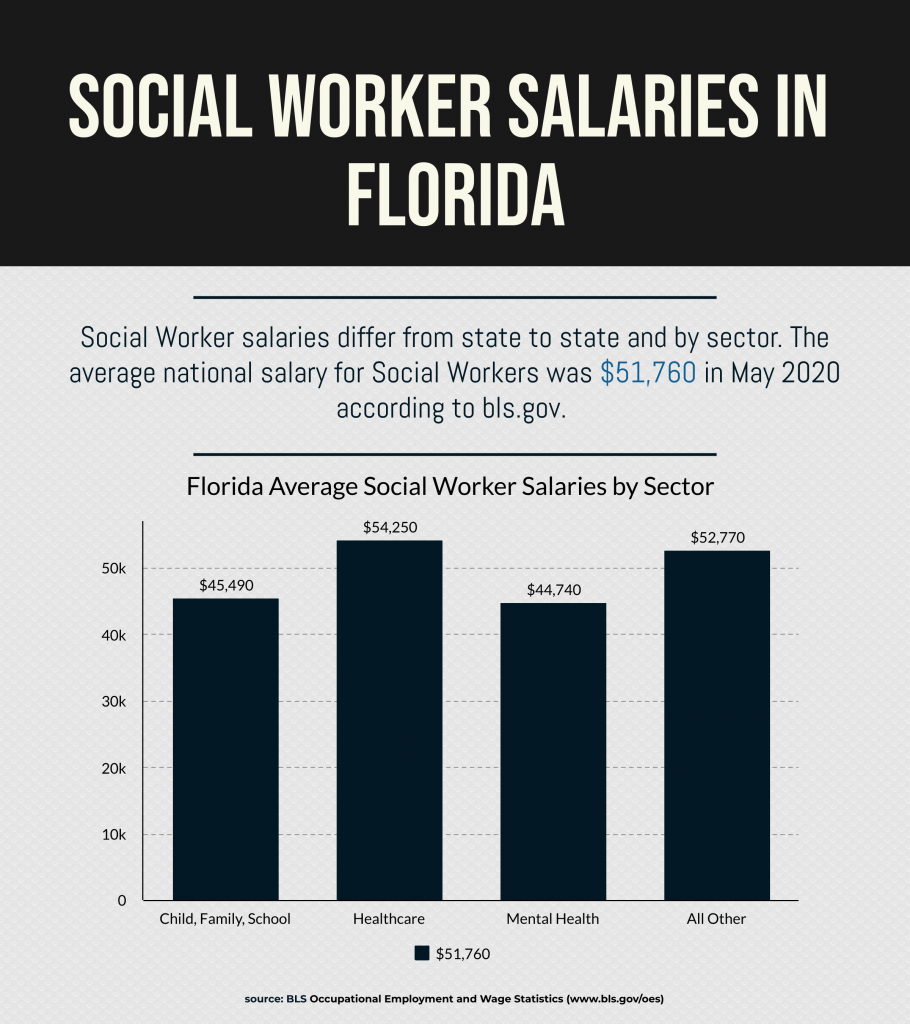
The job outlook for social workers in Florida is generally positive, with consistent demand across various sectors. Salaries can vary significantly based on experience, education level, specialization, and practice setting. Entry-level positions may offer modest starting salaries, but with experience, licensure, and specialization, earning potential increases substantially. The lifestyle of a social worker in Florida is typically one of stable employment and continuous opportunities for professional growth and impact.
Embracing the Florida Social Work Ethos
Becoming a social worker in Florida means more than just meeting requirements; it means embracing a particular ethos of service tailored to the state’s unique context. It’s a commitment to a lifestyle of continuous engagement with a vibrant, complex, and evolving community.
Serving Diverse Populations
Florida’s demographic diversity, from its large Latino and Caribbean populations to its significant number of retirees, presents both opportunities and challenges for social workers. A truly effective social worker in Florida embodies cultural competence, understanding the nuances of various ethnic groups, socio-economic backgrounds, and age-related needs. This aspect of the social work lifestyle fosters a rich learning environment and the chance to serve a broad spectrum of humanity.
Understanding State-Specific Challenges
Beyond demographic diversity, Florida presents specific environmental and social challenges. The state’s vulnerability to hurricanes and other natural disasters means social workers often play a critical role in disaster preparedness, response, and long-term recovery efforts, providing essential emotional and practical support to affected communities. Additionally, rapid population growth puts pressure on existing social services, requiring social workers to be innovative and resourceful in their practice.

The Impact of Your Work
Ultimately, the lifestyle of a social worker in Florida is defined by its impact. Whether you are counseling an individual in Orlando, advocating for policy changes in Tallahassee, or supporting families in Fort Lauderdale, your work directly contributes to the fabric of human well-being. It is a career that offers profound personal satisfaction, a sense of belonging to a vital professional community, and the continuous opportunity to foster positive change. For those seeking a purposeful and engaging lifestyle, the path to becoming a social worker in Florida offers a deeply meaningful journey.
LifeOutOfTheBox is a participant in the Amazon Services LLC Associates Program, an affiliate advertising program designed to provide a means for sites to earn advertising fees by advertising and linking to Amazon.com. Amazon, the Amazon logo, AmazonSupply, and the AmazonSupply logo are trademarks of Amazon.com, Inc. or its affiliates. As an Amazon Associate we earn affiliate commissions from qualifying purchases.