
Becoming an online notary in Florida opens up a flexible and in-demand career path, allowing individuals to provide essential notarial services remotely. This modern approach to notarization leverages technology to serve clients efficiently, making it an attractive option for both notaries and those seeking their services. Florida has established clear guidelines and requirements for its online notaries, ensuring the integrity and legality of remote notarizations. This guide will walk you through the essential steps and considerations for becoming a certified online notary in the Sunshine State.
Understanding Online Notarization in Florida
Online notarization, often referred to as remote online notarization (RON), allows a notary public to perform notarial acts using audio-visual technology to confirm the identity of the principal signing a document. This differs from traditional notarization, where the principal must physically appear before the notary. Florida law, specifically the Florida Electronic Notary Act, governs these remote services.

Key Differences from Traditional Notarization
The fundamental difference lies in the physical presence requirement. In traditional notarization, the signatory must be physically present with the notary. With online notarization, the notary and the signatory interact via a secure, real-time audio-visual communication platform. This technology ensures that the notary can observe the signing process and verify the identity of the individual, just as they would in person.
Legal Framework and Requirements
Florida’s framework for online notarization is designed to maintain the security and validity of notarized documents. Key legislative components include:
- Chapter 117, Florida Statutes: This chapter outlines the general duties and powers of notaries public.
- Florida Electronic Notary Act: This specific act details the requirements for implementing and performing remote online notarizations. It mandates the use of approved platforms and secure technologies.
To be eligible for online notarization in Florida, individuals must first be commissioned as a traditional notary public. The process then involves obtaining specific approval and training for remote notarization capabilities.
Benefits of Becoming an Online Notary
The appeal of becoming an online notary in Florida is multifaceted:
- Flexibility: Set your own hours and work from virtually anywhere with a reliable internet connection. This is particularly beneficial for individuals seeking supplementary income or a more adaptable work schedule.
- Increased Demand: The shift towards remote services has significantly boosted the demand for online notaries across various industries, including real estate, legal services, and financial institutions.
- Efficiency: Online platforms streamline the notarization process, reducing travel time and increasing the number of notarizations one can perform.
- Accessibility: Clients can access notarial services more conveniently, especially those who are geographically distant or have mobility challenges.
The Path to Becoming a Florida Online Notary
Becoming an online notary in Florida involves a structured process that builds upon existing notary qualifications. It requires adherence to specific state regulations and the adoption of approved technological solutions.
Step 1: Become a Commissioned Florida Notary Public
Before you can even consider online notarization, you must be a commissioned notary public in Florida. The requirements for this initial commission include:
- Age: Be at least 18 years old.
- Residency: Be a legal resident of Florida.
- Education: Possess a high school diploma or equivalent.
- Citizenship/Legal Status: Be a citizen of the United States or a legal permanent resident.
- Criminal Background: Have not been convicted of a felony or a crime involving moral turpitude, unless civil rights have been restored.
- Application Process: Complete a notary public application, undergo a background screening, and take a required training course.
- Oath and Bond: Take an oath of office and secure a surety bond.
Once commissioned as a traditional notary, you can then proceed to the specialized steps for online notarization.
Step 2: Complete the Online Notary Training Course
Florida mandates that all individuals seeking to perform remote online notarizations complete a specific training course. This course is designed to educate notaries on the legal and technical aspects of conducting remote notarizations.
- Course Content: The training typically covers topics such as the Florida Electronic Notary Act, identity verification methods for remote signings, secure audio-visual technology requirements, record-keeping for online notarizations, and ethical considerations.
- Provider Approval: Ensure that the training course you choose is approved by the Florida Department of State. You can usually find a list of approved providers on the Florida Secretary of State’s website.
- Completion Certificate: Upon successful completion of the course, you will receive a certificate. This certificate is a crucial document for your application to perform online notarizations.
Step 3: Obtain Necessary Technology and Software
To perform online notarizations, you will need specific technological tools that comply with Florida’s standards. This includes a secure platform that handles identity verification, audio-visual communication, and the electronic notarization process.
- Approved RON Platforms: Florida requires the use of Remote Online Notarization (RON) platforms that meet stringent security and authentication standards. These platforms are designed to prevent fraud and ensure the integrity of the notarization. Examples of features to look for include:
- Identity Proofing: Multi-factor authentication, knowledge-based authentication (KBA), and credential analysis.
- Secure Audio-Visual Connection: High-quality, encrypted live communication.
- Tamper-Evident Electronic Seal and Signature: A digital representation of the notary’s seal and signature that is securely attached to the document.
- Audit Trail: A comprehensive record of the entire notarization process, including who participated, when, and what actions were taken.
- Document Security: Encryption and secure storage of the notarized electronic documents.
- Hardware Requirements: You will need a reliable computer or device with a webcam and microphone that can support high-quality audio-visual communication. A stable internet connection is also paramount.
- Digital Certificate: Many RON platforms require you to obtain a digital certificate, which is used to create your electronic signature and seal.
Step 4: Apply for Online Notary Authorization
Once you have completed the training and have your technology in place, you must formally apply to the Florida Department of State for authorization to perform online notarizations.
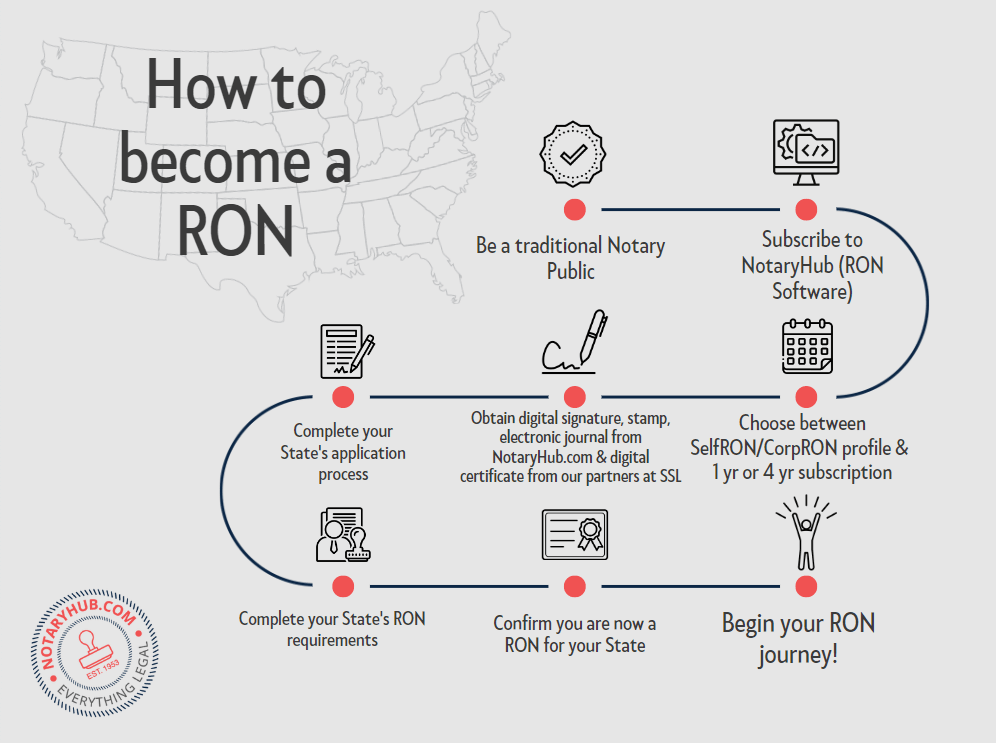
- Application Form: You will need to submit a specific application form for remote online notarization. This application will likely require information about your existing notary commission, your completed online notary training, and potentially details about the RON platform you intend to use.
- Supporting Documents: Be prepared to submit your certificate of completion for the online notary training course and any other required documentation as specified by the Department of State.
- Fees: There may be application fees associated with this authorization.
Step 5: Obtain an Electronic Seal and Signature
As an online notary, you will need a unique electronic seal and signature that complies with Florida’s regulations.
- Electronic Seal: This is a digital image that represents your official notary seal. It is applied to electronic documents to authenticate the notarization.
- Electronic Signature: This is your digital signature, often tied to your electronic seal. It is used to sign electronic documents and authenticate your role in the notarization.
- Compliance: Ensure that your electronic seal and signature meet the technical specifications and security requirements outlined by the Florida Department of State and your chosen RON platform.
Maintaining Your Online Notary Status
Becoming an online notary is not a one-time process. Ongoing compliance and professional development are essential to maintain your commission and ensure you are operating within the legal framework.
Record Keeping and Audit Trails
Florida law requires online notaries to maintain detailed records of all notarizations performed. This is crucial for accountability and legal protection.
- Journaling: You will need to keep an electronic journal of all notarial acts. This journal should include information such as the date and time of the notarization, the type of document notarized, the name and signature of the principal, the method used to verify identity, and any other details required by law.
- Audit Trails: The RON platform you use will generate an audit trail for each notarization. This trail is a critical component of your record-keeping and should be securely stored for the required retention period.
- Document Retention: Understand the specific requirements for retaining electronic documents and audit trails as mandated by Florida statutes.
Technology Updates and Security Practices
The landscape of technology is constantly evolving, and online notaries must stay abreast of updates and best practices.
- Platform Updates: Regularly update your RON software and ensure your hardware meets the current requirements of your chosen platform.
- Security Measures: Implement strong password policies, use secure Wi-Fi networks, and be vigilant about protecting your personal and professional information to prevent unauthorized access.
- Continuing Education: While not always mandatory for online notary status renewal, participating in continuing education courses related to cybersecurity, new technologies, and changes in notary law can be highly beneficial.
Renewal and Compliance
Your notary commission, and by extension your authorization to perform online notarizations, will have expiration dates. It is imperative to be aware of these dates and to follow the renewal procedures.
- Commission Renewal: Renew your traditional notary commission as required by the state.
- Online Notary Authorization Renewal: There may be separate renewal processes or requirements for your online notary authorization. Consult the Florida Department of State for the most current information.
- Staying Informed: Keep yourself informed about any changes in Florida law or regulations pertaining to online notarization. The Florida Department of State is the official source for such updates.
Best Practices for Online Notaries in Florida
To excel as an online notary and build a reputable practice, consider adopting these best practices:
Professionalism and Client Interaction
Even though you are not physically present with your clients, maintaining a high level of professionalism is crucial.
- Clear Communication: Explain the process clearly to your clients, outlining what they need to do and what to expect.
- Patience: Be patient with clients who may be less familiar with technology. Offer clear, step-by-step guidance.
- Confidentiality: Uphold the highest standards of confidentiality regarding client information and documents.
- Ethical Conduct: Adhere strictly to the ethical guidelines and laws governing notaries public in Florida. Never notarize a document for someone you do not believe to be the principal or if you have doubts about their capacity or understanding.
Choosing the Right Tools and Services
Selecting the right RON platform can significantly impact your efficiency and client experience.
- Research Platforms: Thoroughly research different RON platforms, comparing features, pricing, security protocols, and customer support.
- User-Friendliness: Opt for a platform that is intuitive for both you and your clients.
- Reliability: Choose a platform known for its stability and reliability to minimize disruptions during notarizations.
- Customer Support: Ensure the platform offers responsive and helpful customer support in case you encounter any issues.
Building Your Online Notary Business
For those looking to make online notarization a primary income stream, consider the business aspects.
- Marketing: Develop a marketing strategy to reach potential clients. This could include a professional website, social media presence, and networking with legal professionals, real estate agents, and other businesses that frequently require notarizations.
- Pricing: Set competitive yet fair pricing for your services. Research the market rates in your area.
- Insurance: Consider professional liability insurance (Errors & Omissions insurance) to protect yourself against potential claims.
- Networking: Connect with other legal professionals and notaries in Florida. Building a network can lead to referrals and valuable professional relationships.
By following these guidelines and committing to continuous learning and professional development, you can successfully establish yourself as a trusted and efficient online notary in Florida, contributing to the modern landscape of legal and administrative services.
LifeOutOfTheBox is a participant in the Amazon Services LLC Associates Program, an affiliate advertising program designed to provide a means for sites to earn advertising fees by advertising and linking to Amazon.com. Amazon, the Amazon logo, AmazonSupply, and the AmazonSupply logo are trademarks of Amazon.com, Inc. or its affiliates. As an Amazon Associate we earn affiliate commissions from qualifying purchases.