
California, often dubbed the Golden State, represents a unique blend of opportunity, innovation, and an unparalleled lifestyle. From the sun-drenched beaches of San Diego to the tech hubs of Silicon Valley and the vibrant cultural tapestry of Los Angeles and San Francisco, the appeal of making California your permanent home is undeniable. However, the path to officially becoming a California resident is more nuanced than simply moving your belongings across state lines. It involves a series of legal, financial, and personal steps designed to demonstrate your genuine intent to make the Golden State your fixed and permanent abode.
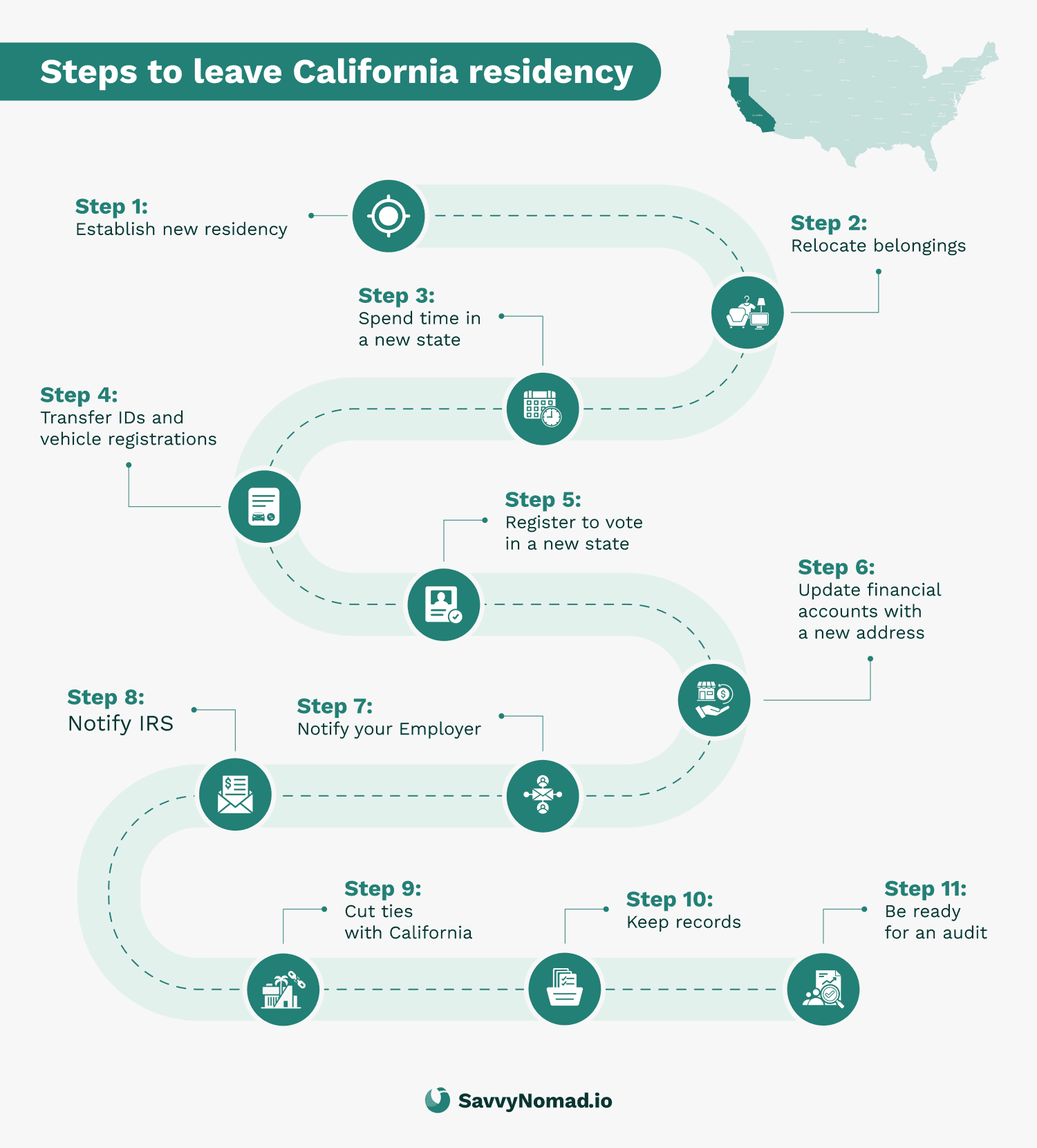
This comprehensive guide delves into the essential aspects of establishing California residency, viewed through the lens of a significant lifestyle transition. We’ll explore not just the “how-to,” but also the “why it matters” for your daily life, financial well-being, and integration into your new community. Understanding these intricacies is crucial for anyone seeking to fully embrace the California lifestyle, from accessing in-state tuition benefits to navigating the state’s tax landscape.
Understanding California Residency: The Basics
Establishing residency in California is a multifaceted process that goes beyond merely having a physical presence in the state. It hinges on the concept of “domicile,” which is the place where you intend to make your true, fixed, and permanent home, and to which you intend to return whenever you are absent. The state considers a variety of factors to determine if your domicile has genuinely shifted to California, looking for clear evidence of your intent to abandon your former residence and establish a new one.
What Defines Residency?
At its core, California residency is defined by intent, accompanied by overt actions that demonstrate that intent. While there isn’t a single checklist that automatically grants you resident status, several key indicators are weighed heavily by state agencies, particularly the Franchise Tax Board (FTB) for tax purposes, and public universities for tuition rates.
One common misconception is that the “183-day rule” is the sole determinant. While spending more than half the year (183 days) in California is a significant factor and often creates a presumption of residency for tax purposes, it is not conclusive on its own. The state also considers where you keep your most treasured possessions, where your spouse and dependent children reside, where you are registered to vote, where your vehicles are registered, and where you hold your professional licenses, among other things. The cumulative weight of these actions paints a picture of your true domicile. For example, if you spend 200 days in California but still maintain a primary home, family, and extensive financial ties in another state, the FTB may still deem you a non-resident. It’s about a complete lifestyle shift, not just a temporary stay.
Why Does Residency Matter?
The implications of establishing California residency are substantial, touching almost every aspect of your life in the state. These benefits and obligations are often what drive individuals to formally pursue resident status, profoundly impacting their financial and personal lifestyle choices.
- Taxation: Perhaps the most significant impact relates to state income taxes. California has a progressive income tax system, and residents are taxed on all income, regardless of where it was earned. Non-residents, conversely, are generally only taxed on income derived from California sources. Establishing residency clearly defines your tax obligations and can lead to significant financial changes depending on your income level and prior state of residence.
- In-State Tuition: For students and families, obtaining resident status is critical for accessing in-state tuition rates at public institutions like the University of California (UC) and California State University (CSU) systems. The difference between in-state and out-of-state tuition can amount to tens of thousands of dollars annually, making it a pivotal factor in educational planning and affordability.
- Voting Rights and Civic Engagement: Becoming a resident grants you the right to register to vote in California elections, allowing you to participate in shaping the state’s future and engaging directly with its vibrant political landscape.
- Access to State Services: Residency is a prerequisite for accessing various state-funded services, benefits, and licenses, from healthcare programs to professional certifications. It integrates you fully into the state’s social and economic infrastructure.
Essential Steps to Establish Your California Lifestyle
Transitioning to a California lifestyle requires more than just a desire; it demands concrete actions that demonstrate your commitment to making the state your permanent home. These steps are practical manifestations of your intent to establish domicile.
Securing Your Home Base
The first and most fundamental step is establishing a physical residence. This provides the tangible proof that you have a place to live permanently in California.
- Renting or Buying Property: Whether you sign a long-term lease agreement for an apartment in Oakland, purchase a home in Sacramento, or settle into a condo in Long Beach, securing a definitive primary residence is crucial. Your lease agreement or property deed serves as strong evidence of your intent.
- Utility Accounts: Once you have a home, transfer or establish utility accounts (electricity, gas, water, internet) in your name. Bills sent to your California address are key documents demonstrating your physical presence and financial ties to the state.
Updating Your Official Records
Your official documentation needs to reflect your new California address and status. This is where the state directly tracks your residency.
- Driver’s License or ID: Obtain a California driver’s license or state identification card as soon as possible. The California DMV requires you to do so within 10 days of establishing residency. This is often considered one of the most compelling pieces of evidence of your intent.
- Vehicle Registration: If you own a vehicle, you must register it with the California DMV within 20 days of establishing residency. Update your insurance policy to reflect your new California address.
- Voter Registration: Register to vote in California. This is a clear declaration of your intent to participate in the state’s civic life and a strong indicator of residency.
Financial and Professional Integration
Integrating your financial and professional life into California further solidifies your resident status and impacts your daily lifestyle.

- Bank Accounts: Open new bank accounts with a California address or update your existing accounts to reflect your new address. This shows a financial anchor in the state.
- Employment: Seek employment within California. Your employment contract and pay stubs from a California employer are strong evidence of your economic integration and lifestyle commitment. If you are self-employed, register your business in California.
- Professional Licenses: If your profession requires state licensing (e.g., medical, legal, real estate), transfer your license to California or obtain a new one.
Demonstrating Intent: Proving Your Commitment to California
Beyond the logistical steps, truly becoming a California resident involves a shift in your overall lifestyle and demonstrating a clear, unequivocal intent to make the Golden State your permanent home. This often means actively disengaging from your previous state of residence.
Cutting Ties with Your Previous State
To prove intent, it’s often as important to show you’ve left your old life behind as it is to show you’ve started a new one.
- Close Out-of-State Accounts: Close bank accounts, safe deposit boxes, and other financial accounts in your former state.
- Change Mailing Address: File a change of address with the U.S. Postal Service and update your address with all correspondence, subscriptions, and personal contacts.
- Sell or Lease Out-of-State Property: If you owned property in your previous state, selling it or leasing it out can demonstrate a clear break. Maintaining a vacant home in another state can complicate residency claims.
- Update All Official Documents: Ensure your passport, federal tax records, and any other official documents reflect your California address.
Embracing California’s Community Life
Integrating into the local community reflects a deeper commitment to the California lifestyle beyond mere physical presence.
- Healthcare and Professional Services: Establish relationships with California doctors, dentists, and other healthcare providers. Find local attorneys, accountants, or other professionals as needed.
- Community Involvement: Join local clubs, religious organizations, gyms, or volunteer groups in your California community. This demonstrates social integration and a commitment to building a life there.
- Family Ties: If applicable, enrolling children in California schools is a very strong indicator of family domicile.
- Estate Planning: Update your will, trusts, and other estate planning documents to reflect California law and your new domicile.
Tax Implications and Obligations
Understanding California’s tax structure is a crucial component of your new lifestyle and obligations.
- State Income Tax: Familiarize yourself with California’s progressive state income tax rates. As a resident, you’ll be subject to these on all worldwide income.
- Property Tax: If you purchase property, understand California’s property tax system, including Proposition 13 and local assessments.
- Sales Tax: Be aware of the state and local sales tax rates on goods and services.
- File California Tax Returns: File your California state income tax returns accurately, declaring yourself a resident.
Special Considerations for Specific Lifestyles
While the general principles apply broadly, certain situations present unique challenges or specific pathways to establishing California residency.
Students and In-State Tuition
For those pursuing higher education, gaining California residency for in-state tuition purposes has specific and rigorous requirements. Generally, an adult student (over 18) must demonstrate financial independence and live in California for at least one year and one day prior to the residency determination date, with clear intent to establish domicile. They must also engage in all the other acts demonstrating residency, such as obtaining a California driver’s license, registering to vote, and securing employment. For dependent students, the parents must establish California residency. The rules are complex and strictly enforced by the University of California and California State University systems, requiring meticulous documentation and planning.
Remote Workers and Digital Nomads
The rise of remote work has introduced complexities for residency. If your employer is based outside of California but you choose to live and work in the state, you must still establish California residency by fulfilling all the aforementioned criteria. This means physically residing in California, having a California mailing address, obtaining a California driver’s license, and demonstrating your intent to remain permanently. For tax purposes, even if your employer is in another state, your income will likely be subject to California income tax as a resident. It’s crucial for remote workers to clearly delineate their domicile to avoid potential dual-residency tax issues.

Military Personnel
Active duty military personnel and their spouses often have special rules regarding residency. Generally, military members can retain their domicile in their home state regardless of where they are stationed. However, if a service member or their spouse takes affirmative steps to establish California as their new domicile (e.g., registering to vote, obtaining a California driver’s license, etc., and demonstrating intent), they can become California residents. This is particularly relevant for in-state tuition purposes for military families.
Becoming a California resident is a significant lifestyle decision that requires careful planning and a clear demonstration of intent. It’s a journey that involves more than simply moving; it’s about making a conscious choice to embrace the opportunities, challenges, and vibrant community life that the Golden State offers. By meticulously following these steps and documenting your journey, you can confidently establish your new life and truly become a part of the California story.
LifeOutOfTheBox is a participant in the Amazon Services LLC Associates Program, an affiliate advertising program designed to provide a means for sites to earn advertising fees by advertising and linking to Amazon.com. Amazon, the Amazon logo, AmazonSupply, and the AmazonSupply logo are trademarks of Amazon.com, Inc. or its affiliates. As an Amazon Associate we earn affiliate commissions from qualifying purchases.