
Understanding the Lifestyle Impact of a Name Change
A child’s name is more than just a label; it’s a cornerstone of their identity, a deeply personal element that shapes how they perceive themselves and how the world perceives them. For families in California considering a name change for a child, the decision often transcends simple administrative adjustments, touching upon significant lifestyle implications. It can stem from a desire to correct a misspelling, reflect a new family structure post-marriage or divorce, honor cultural traditions, or simply provide a child with a name that better suits their evolving personality. Understanding the profound impact this change can have on a child’s daily life, emotional well-being, and future trajectory is crucial for a smooth and positive transition.
Reasons Behind the Decision: A Family’s Evolving Narrative
The motivations behind changing a child’s name are as varied as families themselves. Sometimes, it’s a practical matter, like aligning surnames after a remarriage to foster a sense of unity within a blended family, thereby simplifying daily interactions, school registrations, and travel arrangements. Other times, the impetus is more deeply personal, such as correcting a name that has proven difficult or embarrassing for the child, or aligning with a cultural heritage previously overlooked. For families who have adopted, a name change might be a powerful way to integrate the child fully into their new family unit, symbolizing a fresh start and a strong sense of belonging. Each of these scenarios represents a shift in the family’s narrative, a deliberate choice to shape their collective lifestyle and identity in a way that best supports all members. This proactive approach to identity management is a key aspect of modern family lifestyle planning, ensuring harmony and minimizing future complications.
Identity and Belonging: Shaping a Child’s Future
The impact of a name change on a child’s sense of identity and belonging cannot be overstated. A name that fits well can boost confidence, reduce confusion, and foster a stronger sense of self. Conversely, a name that causes distress or misalignment can affect a child’s social interactions, academic experience, and overall self-esteem. When parents carefully consider the implications of a name change, involving older children in the discussion where appropriate, they empower their child to embrace their new identity with confidence. This process is about more than just legal paperwork; it’s about nurturing a child’s emotional landscape, ensuring they feel valued, understood, and securely rooted within their family and community. From playground introductions to future career paths, a name carries weight, and consciously choosing one is an act of profound care that influences a child’s lifestyle trajectory for years to come.
Navigating the Legal Landscape in California for Family Well-being
Changing a child’s name in California involves a structured legal process designed to protect the child’s best interests while ensuring all parties’ rights are respected. While the legal steps might seem daunting, approaching them with clear information and an understanding of how to integrate them into your family’s routine can minimize stress and disruption to your lifestyle. The process typically involves filing a petition with the Superior Court, providing notice, and attending a court hearing. Successful navigation requires attention to detail, adherence to deadlines, and often, the cooperation of both parents.
Initiating the Process: From Petition to Superior Court
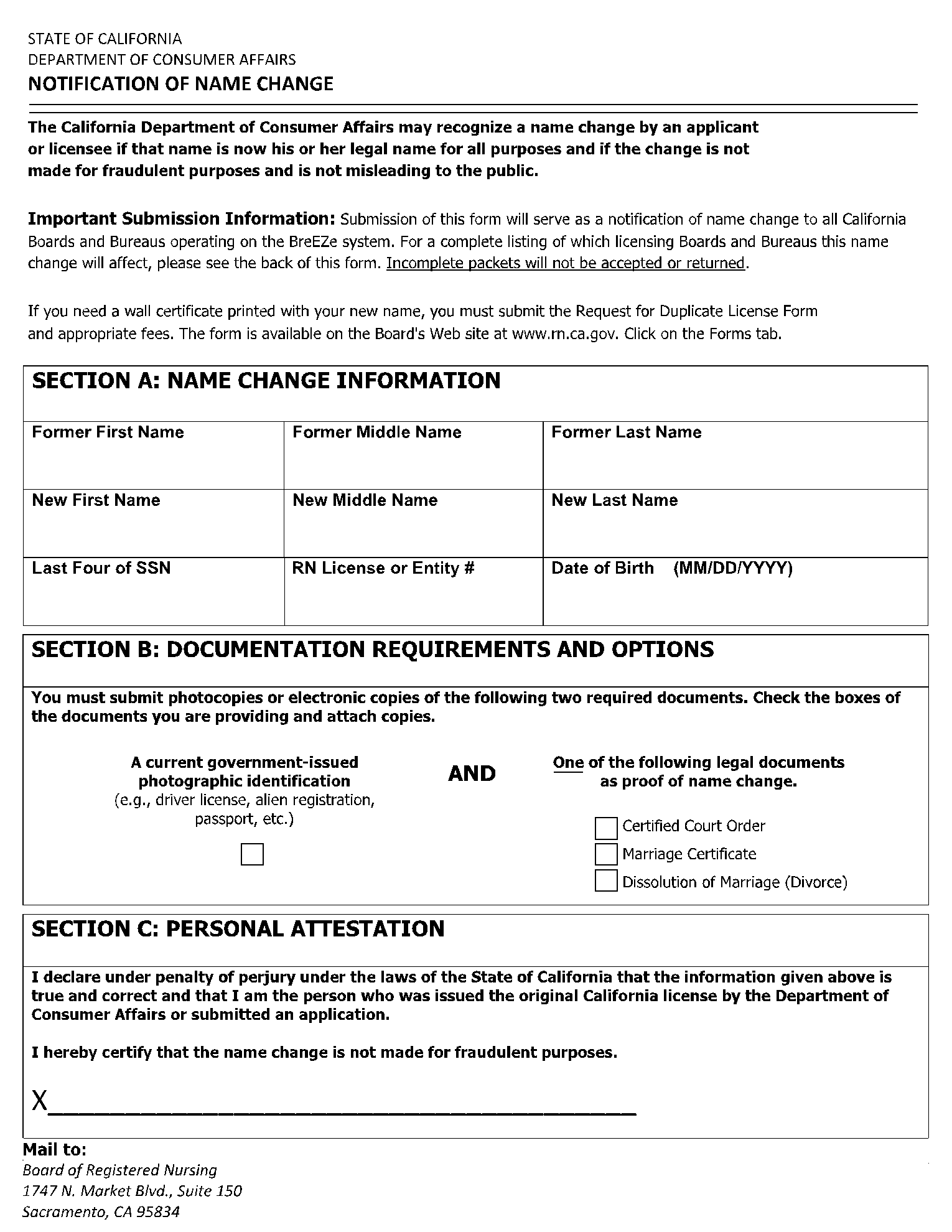
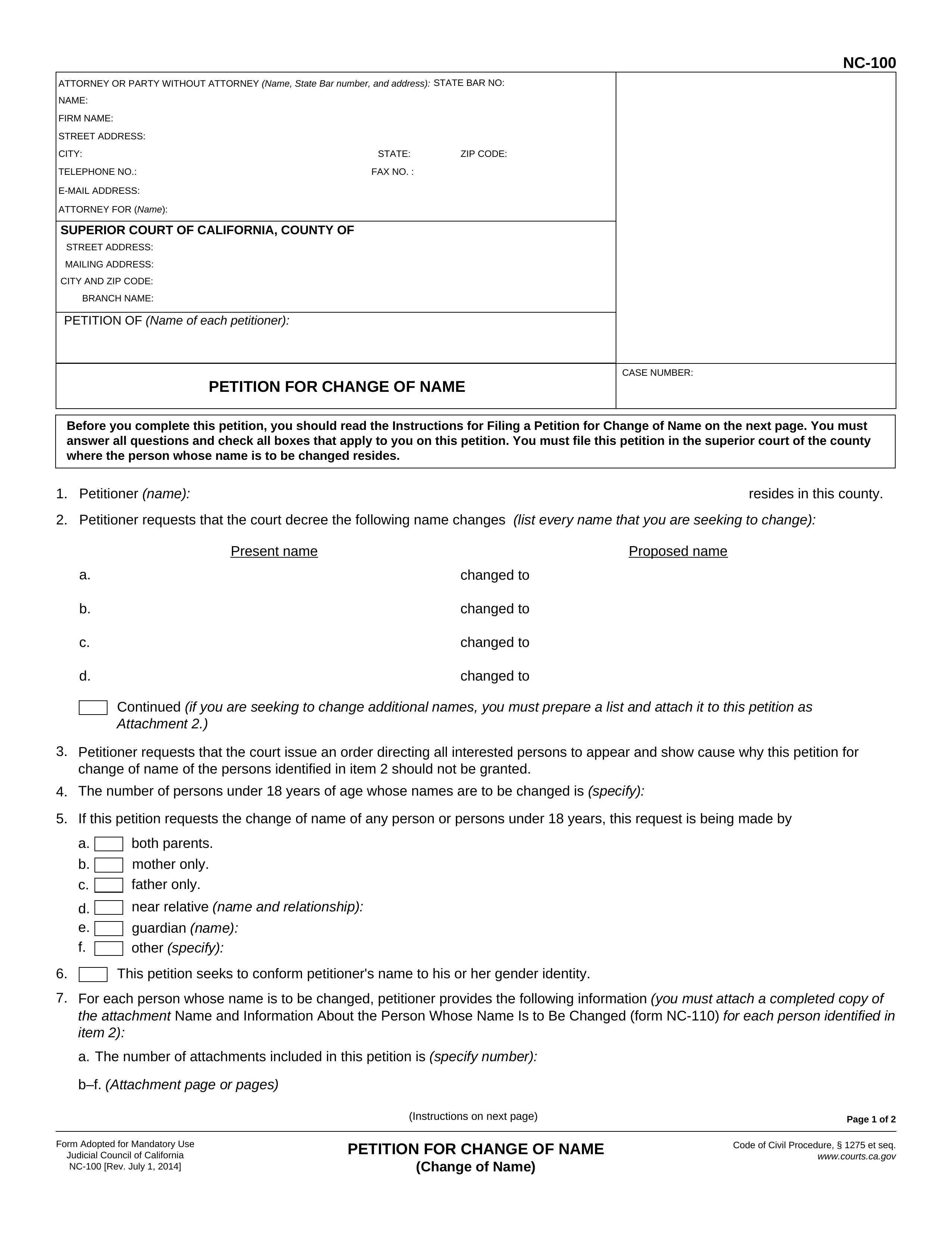
The first step in changing a child’s name in California is to file a “Petition for Change of Name” with the Superior Court in the county where the child resides. This petition is a formal request that outlines the current name, the proposed new name, and the reasons for the change. It also requires detailed information about the child and parents, including their addresses and any relevant marital or custody arrangements. Parents must complete specific forms, such as Form NC-100 (Petition for Change of Name) and Form NC-110 (Attachment to Petition for Change of Name), ensuring all necessary fields are accurately filled. The court filing fees can vary, and it’s essential to confirm the exact amount with the local court clerk or explore options for fee waivers if eligible. Taking the time to prepare these documents meticulously can prevent delays, allowing families to move forward with their lifestyle adjustments sooner rather than later.
Public Notice and Court Hearing: Streamlining for Busy Families
Following the filing of the petition, California law generally requires that public notice of the proposed name change be given. This typically involves publishing an “Order to Show Cause for Change of Name” (Form NC-120) in a newspaper of general circulation in the county for four consecutive weeks. This step allows anyone who might have an objection to the name change to come forward. While this might seem like an intrusion into a family’s private affairs, it is a legal safeguard. After the publication period, a Proof of Publication (Form NC-130) must be filed with the court.
A court hearing will then be scheduled. During this hearing, a judge reviews the petition, considers the reasons for the name change, and ensures that it is in the child’s best interest. For a child under 18, both parents typically must consent to the name change, or the petitioning parent must demonstrate that the non-petitioning parent has been properly notified and given an opportunity to object. If the non-petitioning parent cannot be found, specific steps to demonstrate diligent efforts to locate them will be required. Preparing for this hearing by having all documentation in order and being ready to articulate the reasons for the change clearly can help streamline the process and minimize disruption to the family’s busy lifestyle.
Parental Consent and Child’s Assent: A Unified Family Front
For a minor, securing the consent of both parents is a critical component of the name change process in California. If both parents are alive, have parental rights, and can be located, their agreement is generally required. If only one parent is filing the petition, they must serve notice to the other parent, allowing them an opportunity to object. In cases where a parent’s whereabouts are unknown, the petitioner must demonstrate that they made reasonable efforts to locate them.
For older children, particularly those around 12 years of age or older, the court may also consider the child’s wishes. While not always legally binding, a child’s assent or preference can be a significant factor in the judge’s decision, emphasizing their developing identity and lifestyle choices. Encouraging open communication with your child about the name change, explaining the reasons, and addressing any concerns they may have can foster a sense of empowerment and ensure their emotional well-being throughout the process. A unified family front, reflecting mutual understanding and agreement, greatly facilitates a positive outcome.
Future-Proofing Your Family’s Identity: Travel, Education, and Beyond
Once the court grants a child’s name change, the lifestyle implications extend far beyond the immediate legal process. Updating all official records is paramount to prevent future administrative headaches, especially concerning travel, education, and healthcare. A mismatched name on different documents can lead to significant disruptions in family plans, from delayed international trips to complications with school enrollment or medical appointments. Proactively managing these updates ensures a seamless transition into the child’s new identity and safeguards the family’s future lifestyle experiences.
Updating Official Records: From Birth Certificate to Passport
The first crucial step after receiving the “Order Changing Name” (Form NC-130) from the Superior Court is to obtain certified copies of the order. These copies are essential for updating all official records. The most fundamental document to change is the child’s birth certificate. In California, this is done through the California Department of Public Health. You’ll typically need to submit an application and a certified copy of the court order.
Once the birth certificate is updated, you can proceed with other vital documents. The child’s Social Security record must be updated with the Social Security Administration. Following this, if the child has a passport or if the family plans international travel, applying for a new passport reflecting the changed name is critical. The U.S. Department of State requires specific documentation for this, including the court order and the updated birth certificate. A mismatch between a child’s name on a passport and other identification can cause severe issues at border control, making comprehensive updates a non-negotiable part of future-proofing your family’s travel lifestyle.
Educational and Healthcare Systems: Ensuring Seamless Transitions
Beyond travel documents, ensuring that educational and healthcare records reflect the child’s new name is vital for their daily life and well-being. Informing the child’s school district and individual school about the name change is essential for updating their academic records, enrollment information, and any standardized testing profiles. This prevents confusion in the classroom, ensures correct identification in school databases, and helps teachers and administrators adapt quickly. Similarly, all healthcare providers—from pediatricians to dentists and specialists—must be notified to update medical records, insurance information, and prescription profiles. This ensures continuity of care and prevents potential administrative errors that could impact treatment or billing. A comprehensive approach to these updates helps avoid unnecessary complications in a child’s daily routine and maintains the smooth operation of family life.
The Long-Term Lifestyle Implications: Travel and Legal Standing
The long-term lifestyle implications of a properly executed name change are overwhelmingly positive. With all documents aligned, families can enjoy seamless travel, confident that their child’s identity is consistent across all official records. This consistency simplifies future administrative tasks, such as applying for college, obtaining a driver’s license, or even registering for sports leagues. Furthermore, a legally updated name ensures the child’s legal standing is clear and unambiguous in all aspects of life, providing peace of mind for both the child and parents. By diligently managing the post-court order updates, families establish a stable foundation for their child’s identity, supporting a harmonious and uncomplicated lifestyle for years to come.
Emotional and Social Considerations for a Harmonious Family Life
While the legal and administrative steps of changing a child’s name are critical, the emotional and social aspects are equally important for fostering a harmonious family life and ensuring the child’s well-being. A name change is a significant event that can affect a child’s sense of self, their relationships with peers, and their integration into various social circles. Thoughtful communication and support from parents can help a child navigate this transition smoothly, turning a potentially challenging situation into a positive chapter in their lifestyle journey.
Communicating with Your Child: Fostering Understanding and Acceptance
Open and honest communication is paramount, especially if the child is old enough to understand the concept of their name. For younger children, the explanation can be simple and positive, focusing on how their new name is a special part of their family’s story. For older children, involving them in the decision-making process, explaining the reasons for the change, and addressing any concerns they might have can foster a sense of ownership and reduce anxiety. It’s important to validate their feelings, whether they are excited, hesitant, or confused. Reassure them that while their name may change, their identity, their family’s love, and who they are as a person remains constant. This sensitive approach to communication helps the child internalize the change positively, facilitating a healthier emotional lifestyle.
Informing Wider Circles: School, Family, and Friends
Once the name change is legally finalized and the child is comfortable with their new name, it’s time to inform their broader social circles. The school is a primary point of contact; a simple, clear communication to teachers, school administrators, and support staff can help ensure the child is addressed correctly from the outset. This prevents awkward situations and supports the child’s confidence in their new name. Similarly, informing close family members and friends, either in person or through a thoughtful announcement, allows them to adapt and use the new name consistently. Providing a brief explanation, similar to what was shared with the child, can prevent misunderstandings and encourage supportive behavior from their extended network. This collective effort from the family’s social ecosystem contributes significantly to the child’s smooth integration into their new identity within their daily lifestyle.
Embracing the New Identity: A Positive Family Transition
The period following a name change is an opportunity for families to embrace and celebrate the child’s new identity. This might involve small, positive rituals, such as updating personalized items, creating new family traditions that acknowledge the change, or simply consistently using the new name with enthusiasm. Encourage the child to introduce themselves by their new name, practicing with them if necessary, to build their confidence. It’s also important to be patient; transitions take time, and occasional slips by family members or friends are normal. Gentle reminders, rather than reprimands, can reinforce the new name without causing distress. By actively supporting and celebrating this significant lifestyle adjustment, families can ensure the child feels fully embraced and confident in their updated identity, setting a positive tone for their future.
LifeOutOfTheBox is a participant in the Amazon Services LLC Associates Program, an affiliate advertising program designed to provide a means for sites to earn advertising fees by advertising and linking to Amazon.com. Amazon, the Amazon logo, AmazonSupply, and the AmazonSupply logo are trademarks of Amazon.com, Inc. or its affiliates. As an Amazon Associate we earn affiliate commissions from qualifying purchases.