
While the allure of new adventures often draws us to explore the vast landscapes of California – from the sun-drenched beaches of Southern California to the majestic peaks of the Sierra Nevada – the practicalities of vehicle ownership can sometimes feel like a detour from our travel dreams. For those residing in the Golden State, understanding how to navigate the process of changing a car title is a crucial piece of knowledge, especially when relocating, selling a vehicle, or inheriting one. This guide will demystify the steps involved, ensuring a smooth transition for your vehicle ownership in California.
Understanding the California Car Title
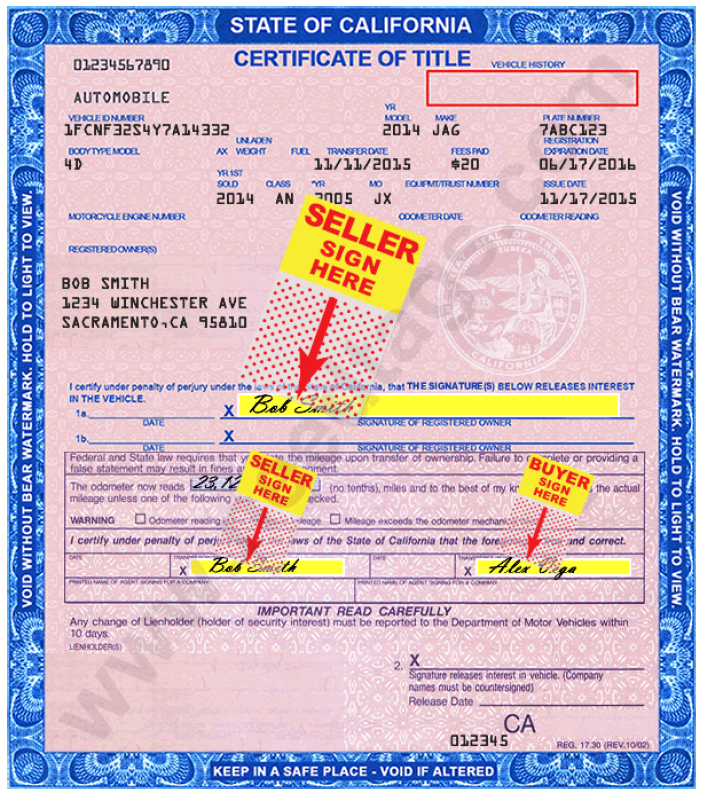
Before delving into the “how-to,” it’s essential to grasp what a car title, officially known as the Certificate of Title, represents. In California, this document is issued by the California Department of Motor Vehicles (DMV) and serves as proof of legal ownership of a vehicle. It contains vital information such as the vehicle’s Vehicle Identification Number (VIN), make, model, year, registered owner’s name and address, and any lienholders. A clean title signifies that the vehicle has no outstanding financial obligations or legal claims against it, making it a critical document for any transaction or transfer of ownership.
The process of changing a car title in California primarily falls under the purview of the California DMV. While the core principles remain consistent, the specific documentation and procedures can vary slightly depending on the circumstances of the title transfer. Whether you’ve purchased a used car, gifted a vehicle to a family member, inherited a car, or are moving to California with a vehicle registered elsewhere, understanding these nuances will streamline the process and save you valuable time and potential headaches.
The California DMV is the sole authority responsible for issuing and updating vehicle titles. They have established specific forms and requirements to ensure the accuracy and legality of every title transfer. It’s always advisable to visit the official California DMV website or one of their local offices for the most up-to-date information and forms, as regulations can evolve.
When Do You Need to Change a Car Title in California?
Several common scenarios necessitate a change in car title within California. Understanding these situations will help you identify when this process is relevant to your personal circumstances.
Acquiring a Vehicle
- Purchasing a Used Vehicle: This is perhaps the most frequent reason for a title change. When you buy a used car from a private seller or a dealership, the seller must sign over the existing title to you. You then take this signed title, along with other required documentation, to the California DMV to officially transfer ownership into your name. This process ensures you are legally recognized as the new owner and can register the vehicle.
- Inheriting a Vehicle: If you inherit a vehicle, the process of transferring the title will depend on whether the deceased had a will and if the vehicle was part of a trust. Generally, you will need the death certificate, the original title, and potentially other legal documents to prove your right to inherit the vehicle. The California DMV will guide you through the specific requirements for estate transfers.
- Receiving a Vehicle as a Gift: When a vehicle is gifted, the process is similar to a sale, but without a monetary exchange. The donor will sign over the title to the recipient. Depending on the relationship and California tax laws, there might be specific forms or exemptions to consider.
Relocating to California
- Bringing a Vehicle from Another State: If you move to California and bring a vehicle you already own, you will need to transfer the title from its previous state of registration to a California title. This typically involves surrendering your out-of-state title and registration, obtaining a California VIN verification (often done by law enforcement or authorized inspection stations), and completing the necessary California DMV forms. You will also need to register the vehicle in California.
Other Ownership Changes
- Adding or Removing a Registered Owner: If you need to add a co-owner to your vehicle’s title or remove an owner (e.g., after a divorce or separation), a title change will be required. This often involves completing specific forms and having all parties involved sign the necessary documents.
- When a Lien is Satisfied: If you had a loan on your vehicle and have paid it off, the lienholder will typically release their claim on the title. You will then need to submit this release to the California DMV to obtain a clear title in your name.
The Title Transfer Process: Step-by-Step Guide
Navigating the California DMV can seem daunting, but breaking down the title transfer process into manageable steps will make it more accessible. The primary goal is to correctly complete the necessary paperwork and provide all required documentation.
Step 1: Gather the Essential Documents
The success of your title change hinges on having the correct paperwork. The specific documents needed will vary slightly depending on the situation, but the core items are:
- The Current Vehicle Title: This is the most crucial document. It must be the original title, not a copy. The seller (or previous owner) must have signed it over to you in the designated sections. Ensure all information on the title is accurate and matches the vehicle and the parties involved. If there’s a lienholder listed, their release of the lien will also be required.
- Bill of Sale: While not always mandatory for private party sales if the title is properly completed, a Bill of Sale is highly recommended. It serves as a record of the transaction, including the sale price, date, VIN, and the names and signatures of both buyer and seller. The California DMV provides a template for this.
- Application for Title or Registration (Form REG 343): This is the primary application form you’ll fill out to request a new title and registration in your name. You can download this form from the California DMV website.
- Smog Certification: In most cases, you will need a valid smog certification for the vehicle, especially if it’s a gasoline-powered vehicle and not a new purchase from a dealership. The seller is typically responsible for providing a current smog certificate, but it’s wise to confirm this during the transaction. There are some exemptions, such as for very new vehicles or electric vehicles.
- Odometer Disclosure: For vehicles less than 10 years old, you will need to accurately record the odometer reading. This is usually done on the title itself or on a separate odometer disclosure statement.
- Proof of Insurance: You will need to provide proof of current California auto insurance before you can register the vehicle and receive new plates.
Step 2: Complete the Necessary Forms Accurately
Accuracy is paramount when filling out California DMV forms. Any errors or omissions can lead to delays or rejection of your application.
- Application for Title or Registration (REG 343): Fill out all sections completely and legibly. This includes your personal information, vehicle details, and any lienholder information if applicable.
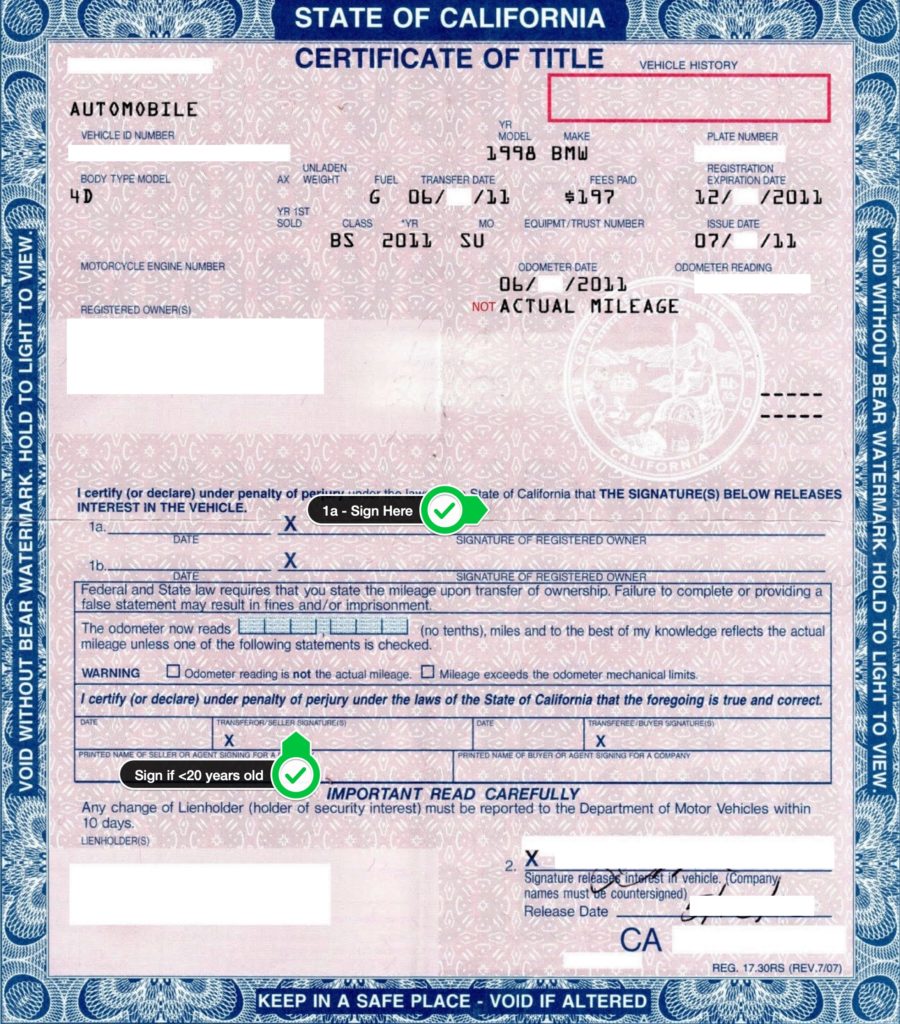
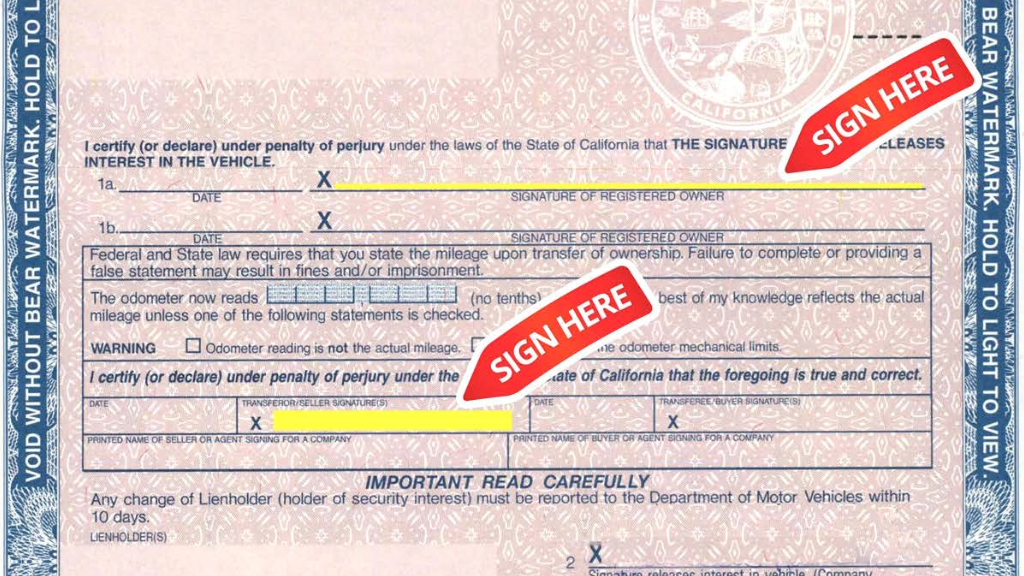
- Transfer of Ownership Sections on the Title: The seller must sign and print their name in the designated “Seller” section of the title. You, as the buyer, will sign and print your name in the “Buyer” section. Ensure there are no corrections or white-out on these signature lines, as this can invalidate the transfer.
- Bill of Sale (if applicable): Complete this form with all the required details.
Step 3: Submit Your Application to the California DMV
Once you have all your documents in order and forms completed, you can submit them to the California DMV. You have a few options for submission:
- In Person: Visiting a local California DMV office is the most direct way. Be prepared for potential wait times. You can schedule an appointment online to minimize your wait.
- By Mail: In some cases, you may be able to mail your application, especially for certain types of transfers or renewals. Check the California DMV website for specific instructions on mail-in services.
- Through a Licensed Registration Service: Private companies are licensed by the California DMV to handle registration and title transfers. These services often charge a fee but can expedite the process and provide a more convenient experience, especially if you are unfamiliar with the procedures.
When you submit your application, you will also be required to pay the applicable fees. These fees include the transfer fee, use tax (if applicable, based on the purchase price of the vehicle), and registration fees. The exact amount will vary depending on the vehicle and your California location.
Navigating Specific Scenarios and Potential Challenges
While the general process for changing a car title in California is outlined above, certain situations can present unique complexities. Being aware of these can help you prepare and address them proactively.
Dealing with Out-of-State Titles
Bringing a vehicle from another state to California requires a specific process to ensure the vehicle meets California standards and to establish California ownership.
- VIN Verification: You will need to have the vehicle’s Vehicle Identification Number (VIN) verified by an authorized inspector. This is typically done by California Highway Patrol (CHP) officers, local law enforcement, or licensed VIN verifiers.
- Smog Check: Even if the vehicle passed a smog check in its previous state, it will likely need to pass a California smog inspection.
- Surrender of Out-of-State Title: You will need to surrender your out-of-state title to the California DMV as part of the application for a California title.
Lost or Damaged Titles
If the original title is lost or damaged, you will need to apply for a duplicate title before you can transfer ownership. This involves completing a “Application for Duplicate or Paperless Title” (REG 227) form and paying the associated fees. The California DMV will then issue a new title.
Vehicles with Liens
When a vehicle has an outstanding loan, the lienholder (usually a bank or financial institution) holds the title until the loan is fully repaid. Once the loan is satisfied, the lienholder must sign off on the title (or provide a lien release document) to relinquish their claim. You will need this release to transfer the title into your name.
Private Sales vs. Dealerships
Purchasing from a dealership generally simplifies the title transfer process. Dealerships are accustomed to California DMV procedures and will often handle most of the paperwork for you, rolling the fees into your purchase agreement. Private sales, however, place the responsibility of ensuring all paperwork is correctly completed squarely on the buyer and seller. It’s crucial for both parties to be diligent and understand their roles.
Importance of Timeliness
California law requires that title transfers and registrations be completed within a specific timeframe after taking possession of a vehicle. Failure to do so can result in penalties and late fees. For new residents bringing a vehicle into California, you typically have 20 days to register your vehicle. For vehicle purchases within California, the transfer of ownership must be reported to the DMV within 10 days, and the application for title should be submitted within 30 days.
By understanding these steps and potential challenges, you can approach the process of changing a car title in California with confidence. Whether you’re embarking on a cross-country road trip or simply making a local move, ensuring your vehicle’s title is in order is a fundamental step in your California journey. Remember to always refer to the official California DMV website for the most accurate and current information.
LifeOutOfTheBox is a participant in the Amazon Services LLC Associates Program, an affiliate advertising program designed to provide a means for sites to earn advertising fees by advertising and linking to Amazon.com. Amazon, the Amazon logo, AmazonSupply, and the AmazonSupply logo are trademarks of Amazon.com, Inc. or its affiliates. As an Amazon Associate we earn affiliate commissions from qualifying purchases.