
California, often referred to as the Golden State, is a land of unparalleled diversity, from its sprawling metropolises and iconic landmarks to its vibrant cultural tapestry. For those who choose to call this dynamic state home, whether for a short-term lifestyle experience or a permanent relocation, becoming civically engaged is an integral part of truly understanding and contributing to its unique character. Just as one might explore the local cuisine or discover hidden travel gems, understanding and participating in the democratic process is a fundamental aspect of the California lifestyle.
One significant way residents engage with the political landscape is through their voter registration, specifically their party affiliation. Changing your party affiliation in California is a straightforward process, but one that carries importance, particularly when it comes to primary elections and expressing your political identity. This guide will walk you through the nuances of California’s voter registration system, the practical steps to update your affiliation, and how this seemingly simple act connects to a deeper engagement with life in the Golden State.

Navigating California’s Political Landscape: A Lifestyle Choice
California’s political environment is as diverse as its geography, reflecting the varied lifestyles, industries, and cultures found across the state. From the tech hubs of Silicon Valley to the agricultural heartland of the Central Valley, and from the liberal enclaves of San Francisco to the more conservative pockets of Orange County, the political leanings of communities can significantly shape the local lifestyle, public services, and even the types of tourism and accommodation options available. Understanding your party affiliation and how it functions within this diverse ecosystem is key to informed civic participation.
Understanding California’s Voter Registration System: Open vs. Closed Primaries
Before diving into how to change your affiliation, it’s essential to grasp California’s unique voter registration framework. The state primarily utilizes a “top-two” primary system for most partisan offices (excluding presidential primaries), meaning the top two vote-getters, regardless of party affiliation, advance to the general election. However, party affiliation remains crucial for presidential primaries and for voters who wish to participate directly in a specific party’s nominating process.
Many voters in California choose to register as “No Party Preference” (NPP). This status grants them flexibility, as they can often request a ballot for a specific party’s presidential primary if that party permits it (often the Democratic Party, but less commonly the Republican Party). However, if you wish to vote directly in a “closed” primary for a specific party, or if you prefer a streamlined voting experience where your party ballot is automatically sent, formally affiliating with a party is the way to go.
Consider the lifestyle implications of your choice. In vibrant cities like Los Angeles or San Diego, civic engagement is often intertwined with local identity. Your party affiliation can sometimes reflect your alignment with specific community values, development initiatives, or even environmental policies that directly impact local attractions, transportation, and quality of life. For residents considering long-term accommodation or business ventures, understanding the prevailing political currents can be as important as researching local schools or property values.
The Practical Steps to Update Your Affiliation in California
Changing your party affiliation in California is designed to be accessible and straightforward. Whether you’re a new resident setting down roots or a long-time Californian whose political views have evolved, the process can be completed through several convenient channels. There’s no complex bureaucracy or significant waiting period; instead, the state prioritizes making voter participation easy.
Online Voter Registration: The Digital Path
The most convenient and increasingly popular method to update your party affiliation is through the official California online voter registration system. This digital gateway, managed by the California Secretary of State, allows you to make changes from the comfort of your home, ideal for those who prefer a modern, efficient approach to civic duties.
To utilize the online system, you will need:
- Your California Driver’s License or California Identification Card number.
- The last four digits of your Social Security number.
- Your date of birth.
The process involves visiting the California Secretary of State’s voter registration website, clicking the “Register to Vote” or “Update My Registration” option, and following the prompts. You’ll be asked to provide your personal information, current address, and then, crucially, you’ll have the opportunity to select your desired political party affiliation from a list of recognized parties, or to choose “No Party Preference.” Once submitted, the system will electronically forward your updated registration to your county elections office. This method is not only fast but also allows for immediate confirmation of your submission.
Paper Registration: Traditional Methods and Mail-in Forms
For those who prefer a more traditional approach or do not have the required California ID, updating your party affiliation via a paper voter registration form is always an option. These forms are readily available at various public locations across the state, ensuring accessibility for all residents, including travelers considering extended stays or permanent relocation.
You can typically find paper registration forms at:
- Post offices.
- DMV offices (when applying for or renewing a driver’s license/ID).
- Public libraries.
- County elections offices (e.g., the Los Angeles County Registrar-Recorder/County Clerk).
- Many community events or public service counters.
Simply pick up a form, fill out the required information, making sure to clearly mark your new party affiliation (or NPP status), and then sign and date it. The completed form must be mailed to the Secretary of State’s office or your county elections official. No postage is required if you use the pre-addressed mailer on the form. This method offers a tangible record of your submission and is a reliable way to ensure your preferences are updated.
In-Person Changes: Visiting Your County Elections Office
For a personalized experience or if you have specific questions, visiting your local county elections office in person is an excellent choice. This can be particularly beneficial if you need immediate assistance or clarification on your voter status. Every county in California has an elections office – for example, residents in the state capital can visit the Sacramento County Voter Registration & Elections office.

At these offices, staff members are available to guide you through the process, provide forms, and help you ensure all information is correct. You can fill out a new voter registration card on-site, specifying your new party affiliation, and hand it directly to an elections official. This guarantees your change is received and processed efficiently. It’s also an opportunity to pick up additional voter information, learn about local elections, or inquire about polling places and other civic opportunities that might enhance your understanding of the local community.
Key Timelines and Considerations for California Voters
Understanding the procedural steps is only part of the equation; knowing when to make changes and what the implications are is equally important. California’s electoral calendar has specific deadlines that impact when your party affiliation change will take effect, particularly concerning upcoming elections.
Registration Deadlines and Conditional Voter Registration
To ensure your party affiliation change is processed in time for a specific election, you must update your voter registration at least 15 days before Election Day. This traditional deadline allows county election officials ample time to process all new registrations and changes, update voter rolls, and prepare election materials, including printing ballots.
However, California offers a safety net for those who miss the 15-day deadline: Conditional Voter Registration (CVR). This innovative provision allows individuals to register and vote provisionally at their county elections office or a designated polling place during the 14 days leading up to an election, including Election Day itself. If you’re a recent mover to a California city, or if your travel plans caused you to miss the regular deadline, Conditional Voter Registration ensures you can still participate. Your provisional ballot will be counted once your eligibility and registration are verified. This reflects California’s commitment to broad voter access, embodying a civic-minded lifestyle for all its residents.
Verifying Your Registration and New Affiliation
After submitting your change, it’s always a good practice to verify that your new party affiliation has been successfully updated. The California Secretary of State provides an online “Voter Status Tool” where you can check your current registration details, including your party affiliation. Simply enter your driver’s license/ID number, date of birth, and the last four digits of your Social Security number, and your information will appear.
Typically, it takes a few days to a couple of weeks for changes to be reflected in the online system, depending on the volume of registrations being processed by your county. Receiving confirmation provides peace of mind and ensures you are all set for the next election cycle, ready to engage with the political process that shapes the California experience.
Impact on Primary Elections: Understanding Your Ballot Access
The most significant immediate impact of changing your party affiliation (or selecting “No Party Preference”) occurs during primary elections, particularly presidential primaries.
- Affiliated Voters: If you are registered with a political party (e.g., Democratic, Republican, Green, Libertarian, Peace and Freedom, American Independent), you will automatically receive that party’s ballot for the primary election.
- No Party Preference (NPP) Voters: If you are registered as NPP, you may have options depending on the rules of each party. For instance, the Democratic Party in California often allows NPP voters to “cross over” and request a Democratic presidential primary ballot. Other parties, like the Republican Party, typically have “closed” primaries, meaning only voters formally affiliated with that party can vote in their primary. NPP voters would not be able to vote in such primaries.
Understanding these rules is crucial for effective civic participation and ensures your ballot reflects your intended choices. It allows you to tailor your voting experience to your political lifestyle and preferences, ensuring your voice is heard in the early stages of candidate selection.
Beyond Affiliation: Engaging with California’s Dynamic Civic Life
While changing your party affiliation is a specific administrative task, it serves as a gateway to broader civic engagement, which itself is a vital component of the California lifestyle. California offers a rich tapestry of opportunities for residents and long-term visitors to participate actively in their communities, influencing everything from local governance to the preservation of natural landmarks and the promotion of sustainable tourism practices.
Civic Engagement as a California Lifestyle
Engaging with California’s civic life extends far beyond merely casting a vote. It encompasses attending local city council meetings in Santa Monica, volunteering for environmental causes along the Pacific Coast, or joining community groups that advocate for better public transportation in San Jose. Each of these actions contributes to the vibrant social fabric of the state and directly impacts the daily lives of residents and the experiences of visitors.
For someone living in a bustling urban center like Los Angeles, civic engagement might involve participating in discussions about urban development projects that could bring new hotels or cultural attractions. In a more rural area of Northern California, it might mean supporting initiatives to protect redwood forests or enhance local agritourism. The choice of party affiliation can sometimes reflect a deeper commitment to specific policy areas that define your personal lifestyle and community aspirations within California.
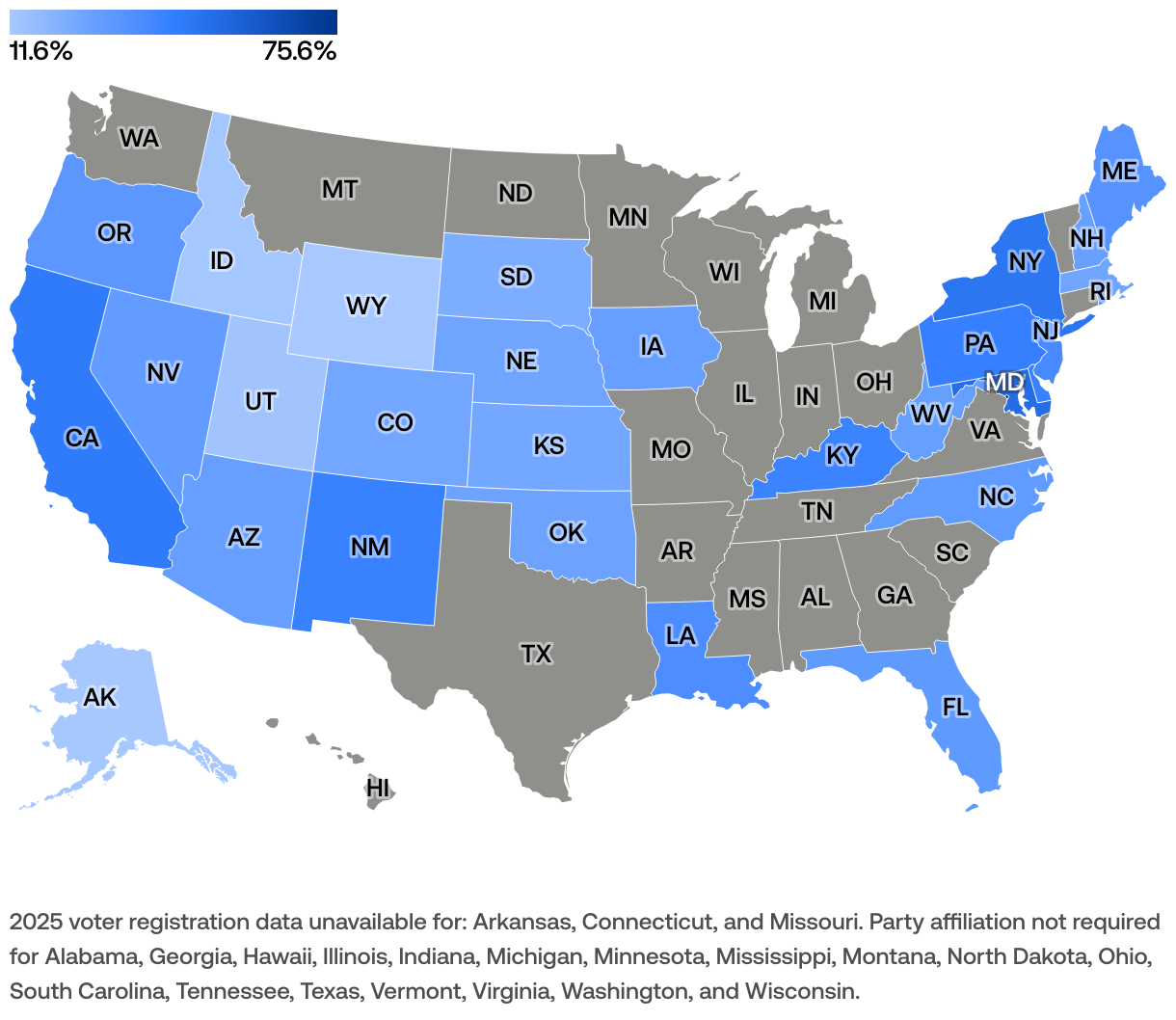
Exploring California’s Diverse Regions Through a Civic Lens
California’s regions possess distinct identities, often shaped by their unique histories, economies, and political leanings. Understanding these regional differences through a civic lens can enrich your experience of the state, whether you’re planning a weekend getaway or seeking a new place to call home.
- Southern California: Known for its entertainment industry, diverse population, and often complex urban issues, civic discussions here might revolve around housing, traffic, and balancing economic growth with environmental concerns. A party affiliation here could align you with movements seeking to address these specific challenges.
- Northern California: With its tech innovation, environmental consciousness, and progressive social policies, civic life in areas like the Bay Area often focuses on sustainability, social justice, and technological ethics.
- Central Valley: As the agricultural heartland, civic issues here often center on water rights, agricultural policy, and economic development, offering a different perspective on the state’s political landscape.
By understanding how your party affiliation fits into these regional contexts, you gain a deeper appreciation for the diverse “lifestyles” available across California. It’s not just about politics; it’s about connecting with the local culture, understanding the forces that shape your immediate environment, and contributing to the future of the communities you engage with.
Changing your party affiliation in California is a straightforward yet meaningful act of civic participation. It ensures your voice is heard in the electoral process and aligns your political identity with your personal values and the community you inhabit. Whether you leverage the efficiency of online registration, the reliability of paper forms, or the direct interaction of an in-person visit, the state makes it easy to update your status. Beyond the administrative steps, this act is a reminder that living in California is about more than just enjoying its scenic beauty and vibrant attractions; it’s about being an engaged member of a dynamic and diverse society, contributing to the lifestyle and future of the Golden State.
LifeOutOfTheBox is a participant in the Amazon Services LLC Associates Program, an affiliate advertising program designed to provide a means for sites to earn advertising fees by advertising and linking to Amazon.com. Amazon, the Amazon logo, AmazonSupply, and the AmazonSupply logo are trademarks of Amazon.com, Inc. or its affiliates. As an Amazon Associate we earn affiliate commissions from qualifying purchases.