
Embarking on a journey of personal transformation often involves significant milestones, and for many, changing one’s last name in Colorado represents a profound step in a new life chapter. Whether spurred by marriage, divorce, or a desire for a fresh start, the process requires careful navigation through legal avenues. This administrative act, while seemingly straightforward, is a foundational element in shaping one’s identity within the vibrant landscape of the Centennial State, impacting everything from official documentation to personal branding and future lifestyle choices, including travel and professional endeavors. Understanding the precise steps ensures a smooth transition, allowing you to fully embrace your updated identity and focus on the adventures that lie ahead.
Embracing a New Identity in the Centennial State
Changing your last name is more than a mere administrative formality; it’s a declaration of a new phase in life. For those residing in or planning to establish a life in Colorado, this decision often aligns with significant personal milestones. It can signify the joyous beginning of a marital union, the thoughtful conclusion of a previous one, or a deeply personal choice to realign one’s identity with their authentic self. In a state renowned for its opportunities for outdoor adventure and personal growth, adopting a new name can symbolize a fresh ascent, much like conquering one of Colorado’s majestic peaks. This section delves into the various life events that typically prompt a name change and sets the stage for understanding the legal framework within Colorado.
The Catalyst for Change: Why People Change Their Names
The motivations behind a name change are as diverse as the individuals themselves. For many, marriage is the primary driver, symbolizing unity and a shared future. Newlyweds often choose to adopt one spouse’s surname, hyphenate both, or create a new blended name. Conversely, divorce frequently prompts a return to a maiden name or a previous surname, representing a desire for independence and a clear separation from the past.
Beyond these common scenarios, individuals may seek a name change for deeply personal reasons. This could include correcting a misspelling, disassociating from a difficult family history, affirming a gender transition, or simply desiring a name that better reflects their personal brand or aspirations. Each of these reasons carries a unique weight, making the legal process a highly individualized journey that impacts one’s daily life, professional interactions, and even how they experience travel and engage with new cultures.
Navigating Life’s Transitions in Colorado
Colorado’s legal system provides clear pathways for individuals seeking to change their name. The approach you take largely depends on the circumstances surrounding your decision. For changes tied to marriage or divorce, the process is typically streamlined as part of the existing legal proceedings. However, for all other voluntary name changes, a petition must be filed with a Colorado District Court or County Court, requiring a more extensive judicial process. Understanding these distinctions is crucial for anyone looking to alter their identity legally in the Centennial State. The choice to live and thrive in Colorado is a lifestyle decision, and managing one’s personal identity through a name change is an integral part of shaping that lifestyle.
Navigating the Legal Landscape of Name Change in Colorado
The legal framework for changing your last name in Colorado is designed to ensure clarity and proper documentation of your identity. While the fundamental steps involve court petitions and official declarations, the specific path varies based on the reason for the name change. It’s essential to identify the correct procedure to avoid delays and ensure your new name is legally recognized across all facets of your life.
Voluntary Name Changes: The Petition Process
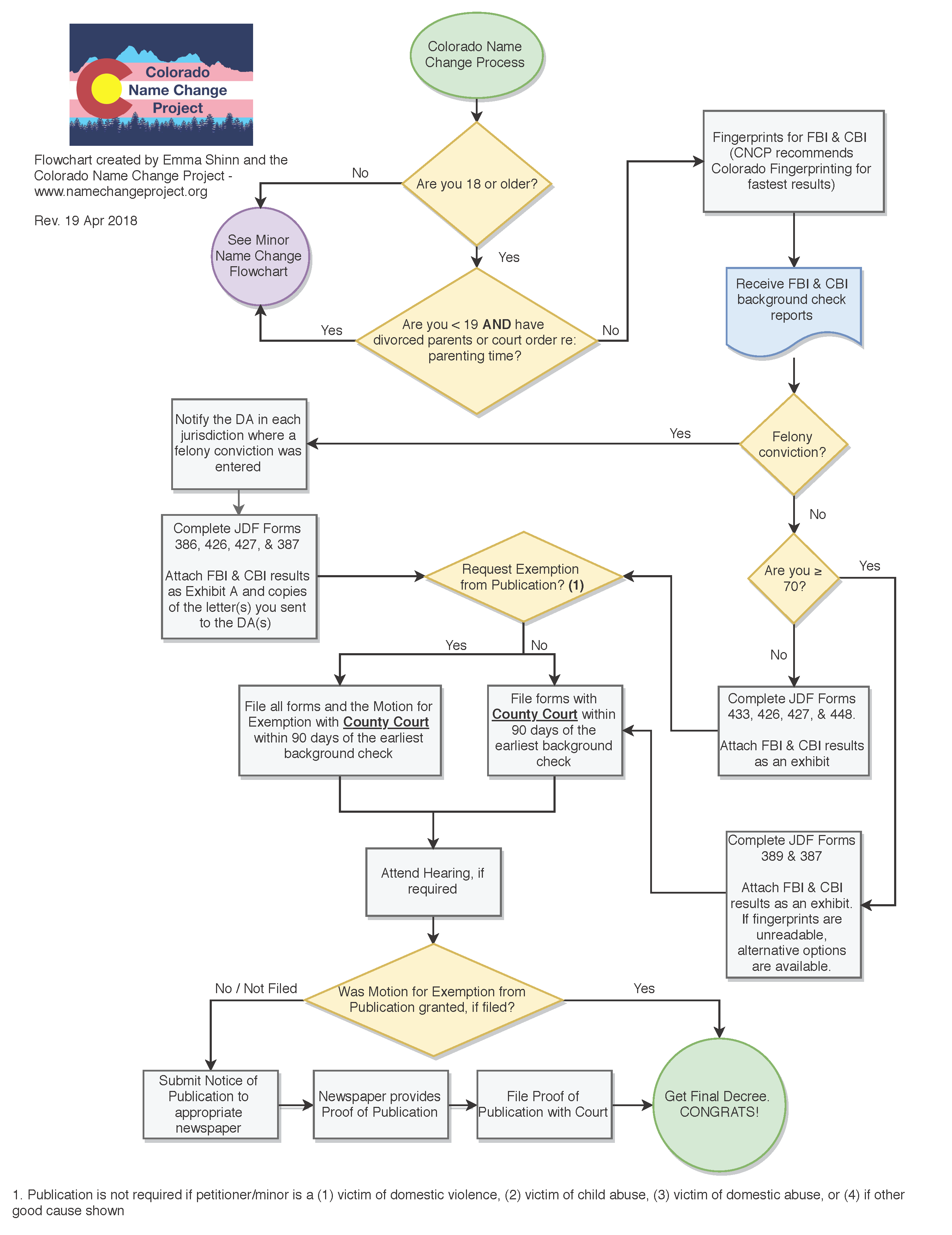
For those changing their name outside of marriage or divorce proceedings, Colorado requires filing a petition with a civil court. This process is generally overseen by a District Court or a County Court, depending on the specific circumstances and local jurisdiction. The core steps typically involve:
- Completing the Petition: You will need to fill out specific forms provided by the Colorado State Judicial Branch. These forms require personal information, your current name, the desired new name, and a clear reason for the change. It is crucial to be accurate and thorough, as any discrepancies can lead to rejection or delays.
- Filing with the Court: Once completed, the petition must be filed with the clerk of courts in the county where you reside. A filing fee is typically required, though waivers may be available for individuals who meet certain income criteria.
- Publication Requirement: In most voluntary name change cases, Colorado law mandates that you publish notice of your intent to change your name in a local newspaper. This is a legal safeguard to inform the public and allow anyone with a legitimate objection to come forward. Proof of publication must then be submitted to the court.
- Court Hearing: A hearing will be scheduled where a judge reviews your petition and ensures all legal requirements have been met. The judge will typically ask about your reasons for the change and confirm that the change is not for fraudulent purposes.
- Obtaining the Court Order: If the judge approves your petition, they will issue an “Order for Change of Name.” This document is your official proof of the name change and is critical for updating all other personal and legal records. It is advisable to obtain multiple certified copies, as various agencies will require them.
Name Changes Due to Marriage or Divorce
The process for changing your name due to marriage or divorce is often less complex, as the name change can be directly incorporated into the existing legal documents.
Marriage-Related Name Changes
When getting married in Colorado, you can indicate your desired new last name directly on your marriage license application. Once the marriage license is issued and returned to the county clerk and recorder, it serves as your legal document for updating your name with other agencies. This method avoids the need for a separate court petition, streamlining the process significantly. The marriage certificate becomes the essential document for updating your driver’s license, passport, Social Security Administration records, and more.
Divorce-Related Name Changes
During divorce proceedings in Colorado, either spouse can request to resume a maiden name or a former name as part of the divorce decree. This request is typically included in the initial divorce petition or the final settlement agreement. Once the divorce is finalized and the decree is issued by the court, it serves as the official legal document for updating your name with relevant government agencies. If a name change was not requested or granted during the divorce, you would need to follow the voluntary name change petition process described above.
Regardless of the catalyst, understanding these distinct pathways is fundamental to successfully navigating your name change in Colorado and setting the stage for a fully realized new personal identity.
Essential Documentation and Steps for Colorado Residents
Once you have secured your court order for a voluntary name change, or your marriage certificate/divorce decree, the journey to fully actualizing your new identity begins. This crucial phase involves updating all your official records and personal documents. It’s a systematic process that impacts every aspect of your life, from your ability to travel internationally to your financial standing and professional interactions. Being organized and meticulous during this stage will prevent future complications and allow you to seamlessly transition into your new lifestyle in Colorado.
Gathering Required Paperwork
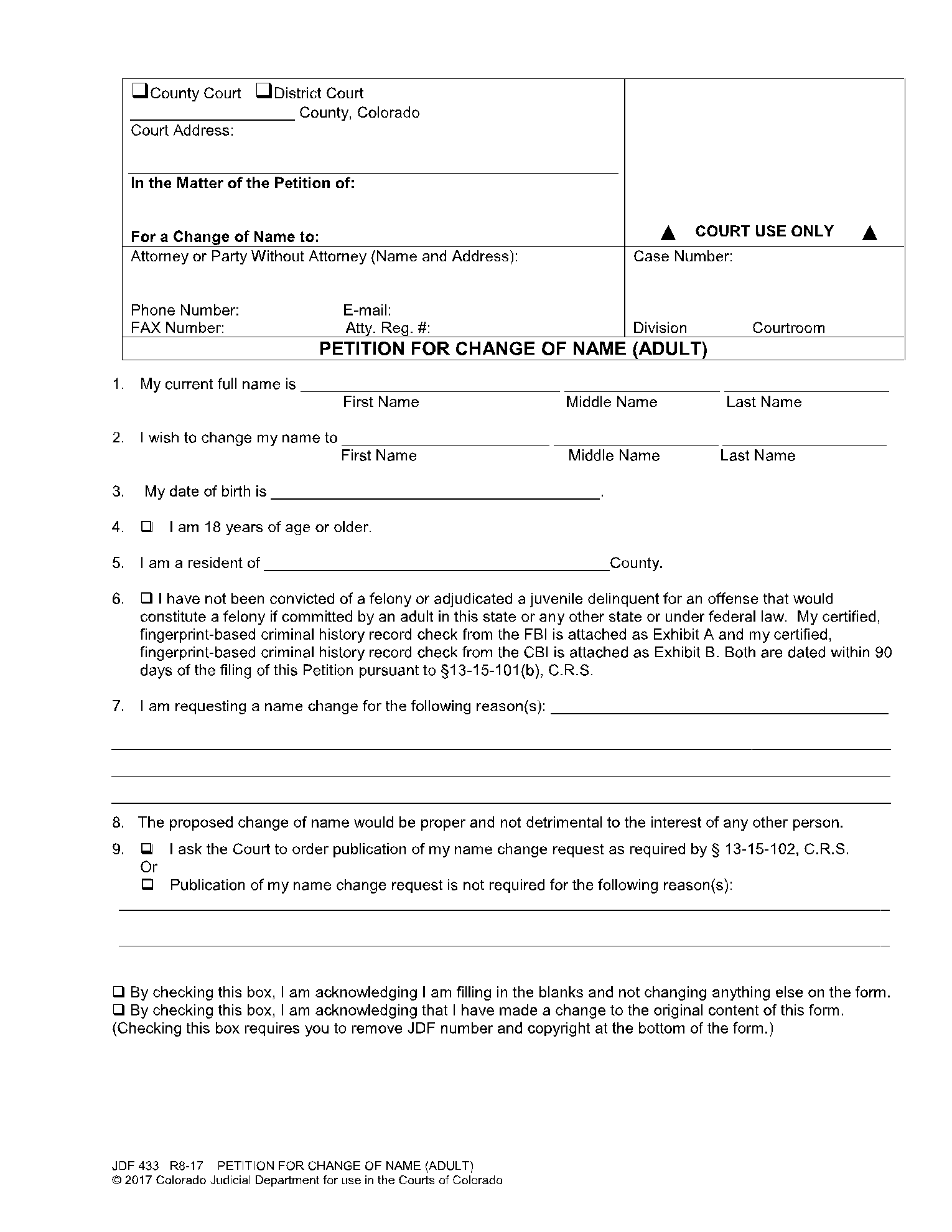
Before you begin contacting various agencies, ensure you have multiple certified copies of your legal name change document. This includes your court order, marriage certificate, or divorce decree. These certified copies will be required by almost every institution you deal with, and some may retain a copy.
Filing with Key Government Agencies
The most critical step after obtaining your legal document is to update your name with federal and state agencies. This sequence is often important, as some agencies require your name to be updated with others first.
1. Social Security Administration (SSA)
This is typically the first place to update your name. The Social Security Administration requires you to submit an Application for a Social Security Card (Form SS-5), along with proof of your name change (court order, marriage certificate, or divorce decree) and proof of identity (driver’s license, passport). Updating your SSA record ensures your earnings are correctly attributed to your new name and is a prerequisite for many other updates.
2. Colorado Department of Revenue Division of Motor Vehicles (DMV)
Once your name is updated with the Social Security Administration, your next stop should be the Colorado Department of Revenue Division of Motor Vehicles to update your driver’s license or state ID card. You’ll typically need your updated Social Security card, your legal name change document, and often proof of residency in Colorado. Having an updated ID is crucial for everyday life and travel within the country.
3. U.S. Department of State (Passport)
If you have a passport or plan to travel internationally, updating your passport with the U.S. Department of State is essential. The process and required forms (DS-82 for existing passports, DS-11 for new passports) depend on how recently your current passport was issued and whether it’s still valid. You will need your legal name change document, your existing passport (if applicable), and new passport photos. It’s vital that your passport reflects your current legal name to avoid issues when crossing borders.
4. Internal Revenue Service (IRS)
While the Internal Revenue Service usually receives name updates from the Social Security Administration, it’s a good practice to notify them directly, especially if you anticipate filing taxes under your new name soon. Ensure your name on file matches your SSA record to avoid delays in tax refunds or other issues.
Updating Your Identity Beyond Government Agencies
With your primary government identifications updated, you’ll need to systematically work through all other entities that hold your personal information. This phase is about aligning your daily life and financial footprint with your new identity.
- Financial Institutions: Banks, credit card companies, investment firms, and loan providers (mortgage, auto, student loans) all need to be notified. Bring your legal name change document and your updated government ID (like your driver’s license).
- Employment Records: Inform your employer, including HR and payroll departments, to update your name on all employment records, benefits, and tax documents (W-2, 401k).
- Educational Institutions: If you are a student or plan to request transcripts, ensure your name is updated with your college or university.
- Utilities and Services: Update your name with utility companies (electric, gas, water, internet), phone providers, and any other regular service providers.
- Healthcare Providers and Insurance: Notify your doctors, dentists, and health insurance providers. This ensures your medical records reflect your correct name and prevents billing issues.
- Professional Licenses: If you hold any professional licenses (e.g., real estate, legal, medical), contact the relevant licensing boards to update your credentials.
- Mail and Subscriptions: Update your name on magazine subscriptions, online shopping accounts, and other personal services.
This comprehensive update process, while time-consuming, is critical for seamless living and for ensuring your new identity is universally recognized as you continue to shape your life and adventures in Colorado and beyond.
Beyond the Courthouse: Updating Your Lifestyle Footprint
Changing your last name in Colorado is a foundational step in a personal evolution, but its impact extends far beyond the legal documents. It’s about integrating your new identity into every facet of your lifestyle, from how you manage your finances to how you pursue your passions, including travel and community engagement. This final stage ensures that your updated name is a seamless part of your daily existence, reflecting your current self and paving the way for future opportunities without administrative hurdles.
Financial and Professional Updates for a Seamless Transition
A smooth financial transition is paramount when changing your name. Every financial account you hold, from checking and savings to credit cards, loans, and investments, must be updated. This often requires visiting bank branches or submitting official documentation. Failing to do so can lead to complications with transactions, credit reports, and even identity verification. For instance, receiving a large payment in your old name after your accounts are in your new name could cause unnecessary delays or require additional verification.
Professionally, your new name should be reflected in all work-related documents. This includes your professional licenses, certifications, email addresses, business cards, and online professional profiles (like LinkedIn). For entrepreneurs or those working in industries that rely heavily on personal branding, this step is particularly important for maintaining consistency and credibility. A newly updated name can signal a fresh start or a refined professional identity, aligning with your career aspirations in a thriving city like Denver or other bustling Colorado hubs.
Consider updating your name on any property deeds or vehicle titles as well. While often overlooked, these significant assets require accurate identification to avoid legal issues down the line. It’s a reflection of ensuring your entire life’s portfolio aligns with your current legal identity.

Travel Documents and Future Adventures
For those with a penchant for exploration, updating travel documents is a non-negotiable step. Your passport, as detailed earlier, must reflect your new name to ensure smooth international travel. However, also consider any frequent flyer programs, hotel loyalty memberships, and travel insurance policies. Booking tickets in a name that doesn’t match your passport can lead to denied boarding or significant fees to correct the discrepancy. For individuals who frequently travel, proactively updating these accounts ensures that your future adventures, whether a skiing trip to Aspen or an international excursion, remain hassle-free and enjoyable.
Beyond formal documents, think about updating your name on online profiles, social media accounts, and email addresses. While not legally binding, these personal platforms contribute to your overall digital footprint and how you are perceived by others. Consistency across all platforms reinforces your new identity and simplifies communication.
Ultimately, changing your last name in Colorado is a journey of meticulous administrative work interwoven with profound personal significance. It’s about taking ownership of your identity and ensuring that every official record, every financial transaction, and every future travel plan accurately reflects who you are. By diligently following these steps, you not only comply with legal requirements but also empower yourself to embrace a fully integrated and authentic lifestyle in the Centennial State, ready for whatever new opportunities and adventures await.
LifeOutOfTheBox is a participant in the Amazon Services LLC Associates Program, an affiliate advertising program designed to provide a means for sites to earn advertising fees by advertising and linking to Amazon.com. Amazon, the Amazon logo, AmazonSupply, and the AmazonSupply logo are trademarks of Amazon.com, Inc. or its affiliates. As an Amazon Associate we earn affiliate commissions from qualifying purchases.