
Alaska is a land of unparalleled natural beauty and immense wildlife, and few experiences capture the spirit of the Last Frontier quite like witnessing the majestic breaching of a humpback whale or the playful antics of orcas. For travelers planning a trip to this extraordinary destination, understanding the optimal timing for whale watching is paramount to a successful and memorable adventure. Alaska’s waters teem with various whale species throughout much of the year, but certain months offer a significantly higher probability of encounters and a richer viewing experience.
Understanding Alaska’s Whale Migration Patterns
Alaska’s coastal waters serve as a vital feeding ground for several whale species, particularly during the warmer months. The primary drivers behind their presence are the abundant marine resources that become readily available. Understanding these migratory patterns is the first step in pinpointing the prime whale-watching season.
Humpback Whales: The Summer Spectacle
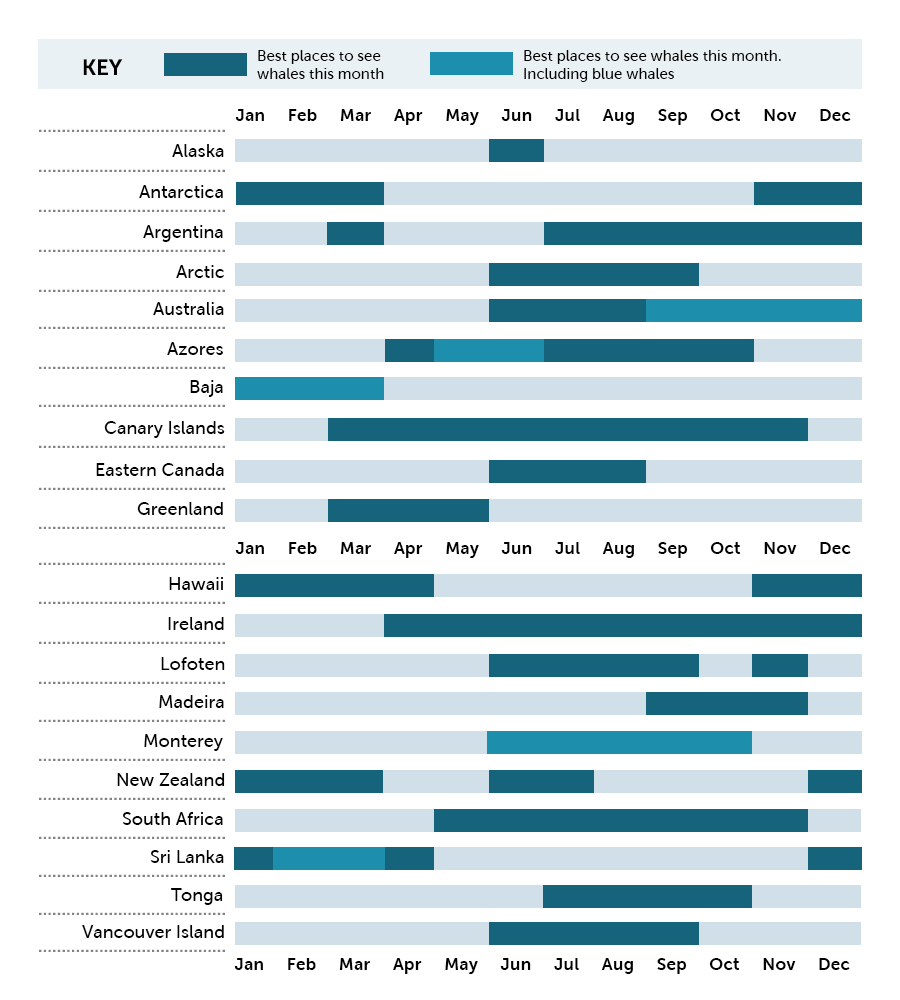
Humpback whales are arguably the most sought-after whale species by Alaska’s visitors, and for good reason. These gentle giants undertake epic migrations from their breeding grounds in warmer waters to Alaska’s nutrient-rich fjords and bays during the spring and summer. Their presence is most pronounced from May through September.
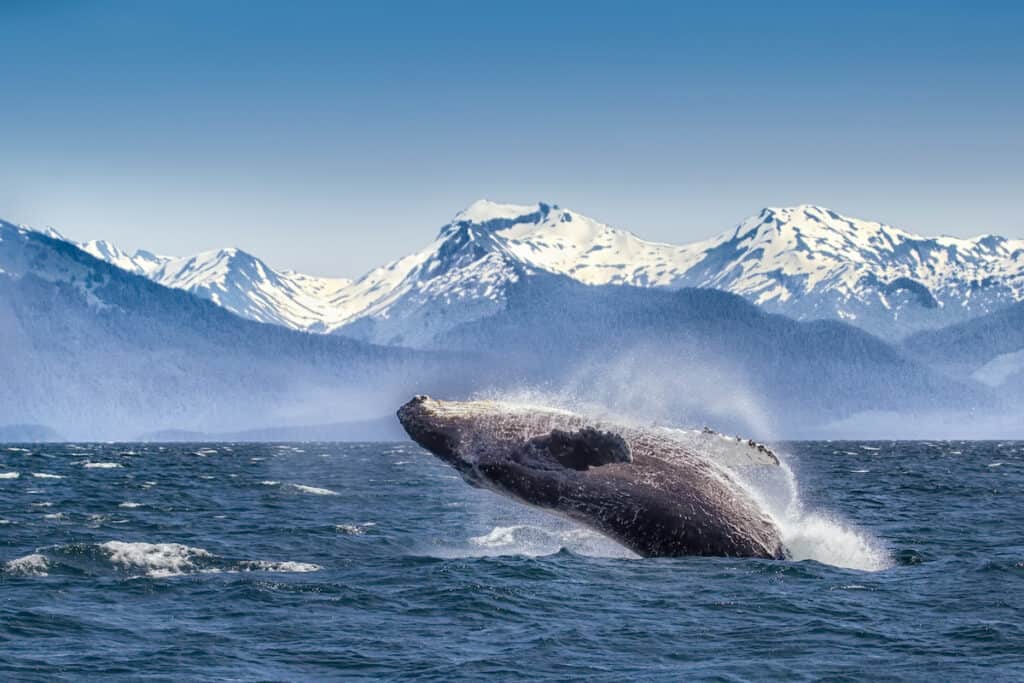
During these months, humpbacks feed voraciously on krill and small fish, such as herring and sand lance. This intense feeding activity often brings them closer to shore and leads to spectacular surface behaviors, including breaching, tail slapping, and bubble-net feeding, where groups of whales coordinate to trap prey.
The peak season for humpback whale sightings in most of Alaska’s popular whale-watching destinations, such as Juneau, Ketchikan, and Homer, is generally from June to August. By late September, many humpbacks begin their journey back south, so earlier in the summer often means more whales and more active displays.
Orcas: The Apex Predators
Orcas, also known as killer whales, are a more elusive but equally thrilling sight. Unlike humpbacks, orcas are resident in Alaskan waters year-round, but their movements are dictated by the availability of their prey. Different pods specialize in hunting various marine mammals and fish, leading to seasonal congregations.
Transient orca pods, which primarily prey on marine mammals like seals and sea lions, are often seen in areas where their food sources are abundant. Resident orca pods, which feed mainly on fish, particularly salmon, are also frequently sighted.
The best times to see orcas in Alaska are generally from May to September, with strong sightings reported in areas like Glacier Bay National Park and Preserve and the Inside Passage. While they can be seen outside of these months, the warmer season offers more opportunities for boat tours and increased marine mammal activity that attracts them.
Other Whale Species
Beyond humpbacks and orcas, Alaska’s waters are home to other fascinating cetaceans.
- Gray whales are migratory and pass through Alaskan waters on their way to and from their breeding lagoons in Baja California. The spring migration, typically April and May, sees them heading north, while the fall migration, in September and October, has them heading south. They are often seen closer to shore.
- Minke whales are also common in Alaska from May to September and are known for their speed and sleek appearance.
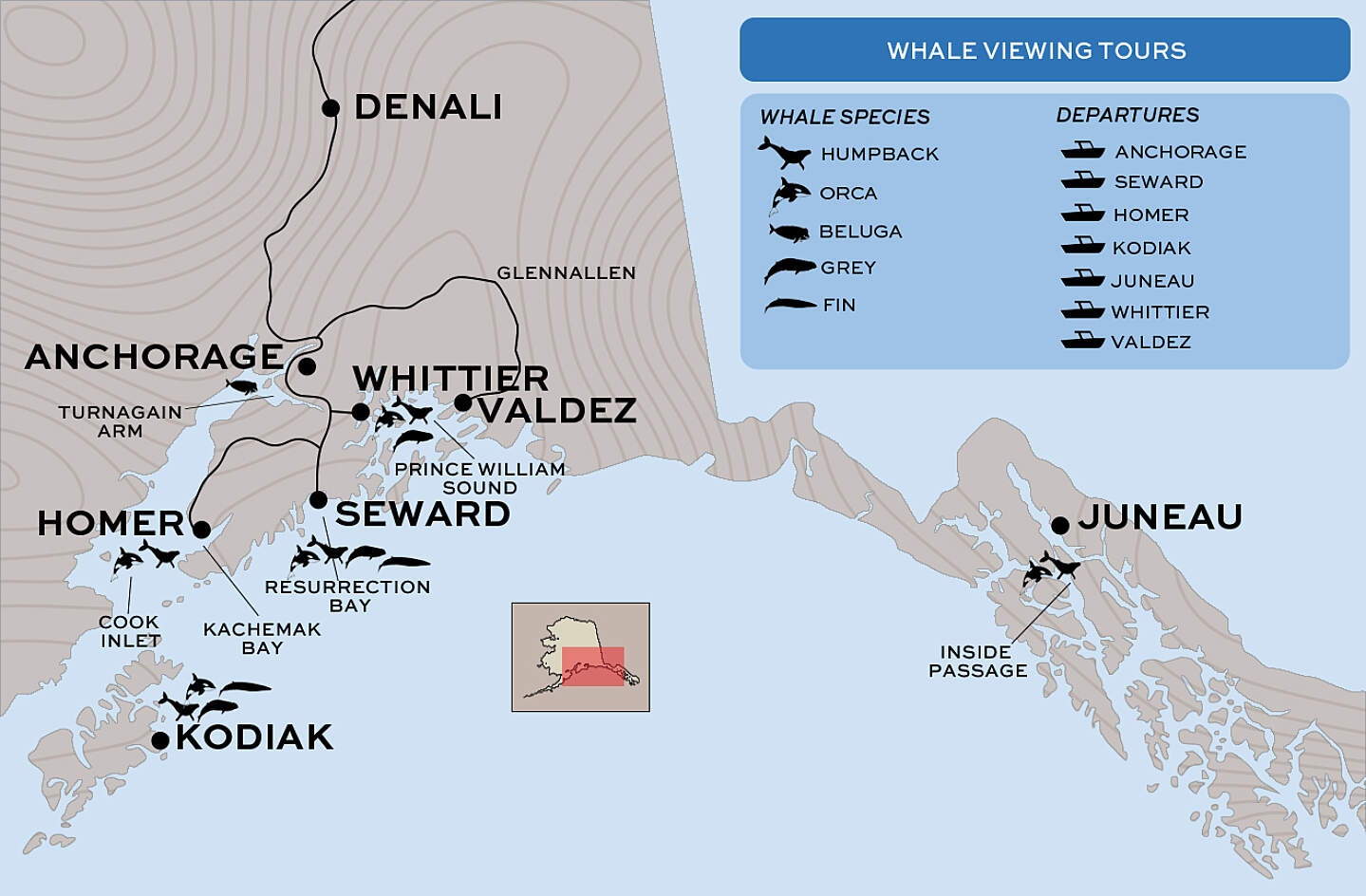
- Beluga whales, with their distinctive white color and bulbous foreheads, can be seen in certain areas, particularly around Cook Inlet near Anchorage, though sightings are less predictable than humpbacks or orcas.
The Optimal Whale Watching Season: A Month-by-Month Breakdown
While the broad strokes of whale migration suggest summer as the prime time, a more granular look at the months can help refine your travel plans.
May: The Early Arrival
May marks the beginning of the whale watching season in Alaska. As the ice recedes and the waters warm, the first humpback whales begin to arrive in their feeding grounds. While the numbers may not be as high as in mid-summer, May offers the advantage of fewer crowds and potentially more pristine natural settings. Orca sightings are also possible, especially in areas known for their resident pods. This is a great month for travelers seeking a quieter, more intimate wildlife experience.
June: The Full Bloom
June is widely considered one of the best months for whale watching in Alaska. The majority of humpback whales have arrived, and their feeding behaviors become more active. The days are long, offering ample daylight for excursions. Many tour operators are fully operational, and the marine ecosystem is vibrant with activity. Orca sightings are also frequent. The scenery is breathtaking, with snow-capped mountains and lush green forests forming a stunning backdrop to the marine life.
July: The Peak of the Season
July represents the absolute peak of the whale watching season in Alaska. Humpback whales are in full feeding mode, and the chances of witnessing spectacular breaching and bubble-net feeding are at their highest. This is also a prime time for seeing other marine mammals, such as sea otters, seals, and sea lions, which are often found in proximity to feeding whales. Popular destinations like Gustavus (gateway to Glacier Bay) and Icy Strait Point experience their highest visitor numbers for whale watching during this month.
August: Continued Abundance
August continues the excellent whale watching opportunities seen in July. The whales are still actively feeding, and the seas are generally calmer than in the earlier summer months. The extended daylight hours remain a significant advantage for tour operators and wildlife enthusiasts alike. While some of the earliest arrivals may begin their southern migration towards the end of August, the majority of the population remains, ensuring consistent and rewarding encounters. The fall colors begin to emerge in the surrounding landscapes, adding another layer of beauty to the experience.
September: A Season’s End and a Farewell
September offers a transitional period for whale watching in Alaska. The peak numbers of humpbacks begin to dwindle as they depart for warmer waters. However, it is still a very viable month for sightings, and those who travel in early September can still experience excellent whale activity. September is also a good month for seeing gray whales on their southbound migration. Furthermore, the crisp autumn air and the changing foliage create a unique and beautiful atmosphere. For those who prefer fewer crowds and a more serene experience, early to mid-September can be an ideal time to visit.
Factors Influencing Whale Sightings
Beyond the calendar, several environmental and behavioral factors can influence the success of your whale watching expedition.
Water Conditions and Weather
Calm seas and clear skies generally make for more comfortable and productive whale watching. Favorable weather allows tour boats to venture further and stay out longer. While whales are present in all types of weather, rough seas can limit visibility and the duration of tours. The summer months in Alaska generally offer more predictable and milder weather patterns, contributing to their status as prime viewing times.
Prey Abundance
Whale presence is directly tied to food availability. When krill and small fish populations are dense, whales will congregate in those areas. Factors like ocean currents, water temperature, and seasonal plankton blooms influence the distribution and abundance of these prey species, which in turn dictates whale locations. Experienced local guides and captains are adept at reading these environmental cues and know the best spots to find feeding whales.
Location Within Alaska
Alaska is a vast state with an extensive coastline, and different regions offer varied whale watching experiences.
- Southeast Alaska: This region, often referred to as the Alaska Panhandle, is a prime destination for humpback whale watching. Cities like Juneau, Ketchikan, and Sitka are popular departure points for whale watching tours that explore areas like Tracy Arm Fjord and Frederick Sound. The Inside Passage is also a renowned area for humpback and orca sightings.
- Southcentral Alaska: The waters around Kenai Peninsula and Cook Inlet offer opportunities to see humpbacks, orcas, and even beluga whales, particularly around towns like Homer and Seward.
- Western Alaska: While less accessible to typical tourist itineraries, areas like Bering Sea and Bristol Bay are important feeding grounds and migration routes for various whale species, but are generally visited by more specialized expeditions.
Planning Your Alaskan Whale Watching Adventure
To maximize your chances of a successful whale watching trip, consider these planning tips.
Choosing the Right Tour Operator
Selecting a reputable tour operator is crucial. Look for companies with experienced captains and naturalists who are knowledgeable about whale behavior and conservation. Many operators offer specialized tours, from small boat expeditions for intimate encounters to larger vessels for comfort and stability. Research reviews and inquire about their commitment to responsible wildlife viewing practices. Companies operating out of major ports like Juneau and Ketchikan are plentiful and offer a range of options.
What to Pack
Even in summer, Alaska’s weather can be unpredictable and cool, especially on the water. Pack layers, including waterproof and windproof outer shells, warm sweaters or fleeces, hats, gloves, and comfortable, closed-toe shoes. Binoculars are essential for spotting whales at a distance, and a good camera with a zoom lens will help you capture the magic. Sunscreen and sunglasses are also important, as the sun can be intense, especially when reflected off the water.
Combining Whale Watching with Other Alaskan Experiences
A whale watching trip can be the centerpiece of a larger Alaskan adventure. Consider incorporating visits to other natural wonders like Denali National Park and Preserve, exploring the charming coastal towns, or indulging in activities like kayaking, fishing, or glacier viewing. Many cruise lines also offer extensive itineraries that include dedicated whale watching excursions.
In conclusion, while whale sightings are possible throughout much of the warmer season in Alaska, the period from June through August offers the most consistent and spectacular opportunities to witness these magnificent creatures in their natural habitat. However, travelers seeking a more serene experience with still-excellent chances for encounters might consider the shoulder months of May and early September. Whichever time you choose, prepare for an unforgettable journey into the wild heart of Alaska.
LifeOutOfTheBox is a participant in the Amazon Services LLC Associates Program, an affiliate advertising program designed to provide a means for sites to earn advertising fees by advertising and linking to Amazon.com. Amazon, the Amazon logo, AmazonSupply, and the AmazonSupply logo are trademarks of Amazon.com, Inc. or its affiliates. As an Amazon Associate we earn affiliate commissions from qualifying purchases.