
Navigating the vast network of toll roads across the Lone Star State can be a breeze, but it can also lead to an unexpected paper trail if you’re not diligent. Texas boasts an extensive and modern toll road system, designed to alleviate congestion and facilitate smoother travel throughout its major metropolitan areas and beyond. From the bustling highways of Houston and Dallas-Fort Worth to the scenic byways of the Hill Country, encountering a toll is a common part of the Texas driving experience. However, for many travelers, especially those visiting from out of state or new to Texas, understanding how these tolls are collected and, more importantly, how to determine if you have any outstanding balances can be a point of confusion. This guide aims to demystify the process, providing clear, actionable steps to ensure you remain on the right side of toll road etiquette and avoid potential penalties.
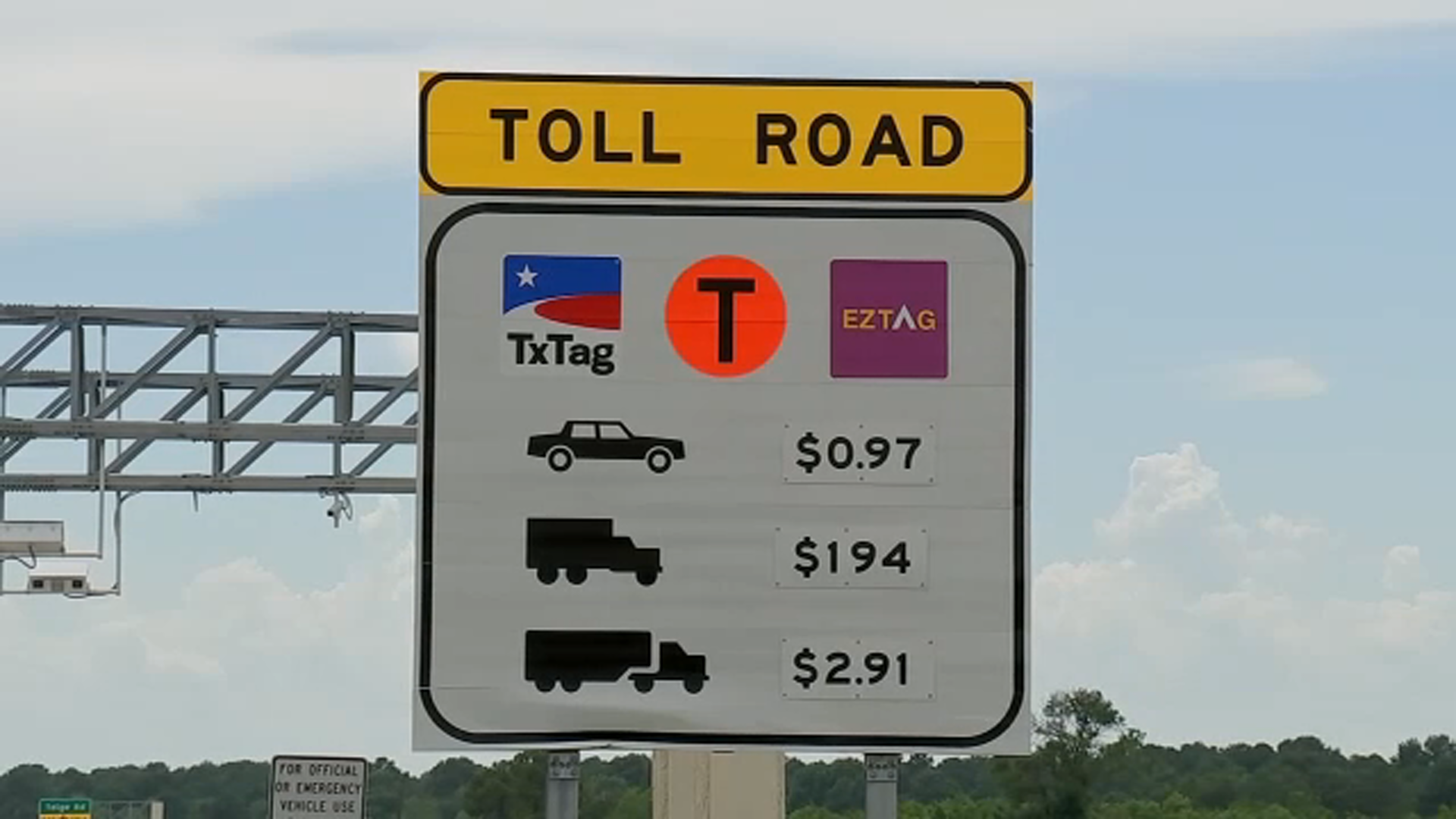
Understanding the mechanisms behind toll collection in Texas is the first step. Most toll roads in the state utilize electronic toll collection (ETC) systems, commonly known as “toll tags” or transponders. These devices, affixed to your vehicle’s windshield, communicate with readers as you pass through toll plazas, automatically deducting the toll amount from a pre-paid account or billing you directly. However, not all vehicles are equipped with these tags, and sometimes, even with a tag, issues can arise with payment processing. This is where the need to check for outstanding tolls becomes paramount.
Understanding Texas Toll Collection Systems
Texas employs several types of toll collection systems, each with its own method of identifying and charging vehicles. Familiarizing yourself with these will help you anticipate how you might be billed and where to look for information.
Toll Tags and Transponders
The most prevalent method of toll payment in Texas is through a dedicated toll tag. Several agencies operate these systems, with the most common being:
- TxTag: Primarily used by the Texas Department of Transportation (TxDOT) on state-managed toll roads, including those in the Austin area like SH 130 and parts of SH 45.
- Autopass: Used by the North Texas Tollway Authority (NTTA) for toll roads in the Dallas-Fort Worth Metroplex, such as the Sam Rayburn Tollway and Dallas North Tollway.
- EZ Tag: Operated by the Harris County Toll Road Authority (HCTRA) for toll roads in Harris County, including the Sam Houston Tollway and Westpark Tollway in Houston.
- Capital Pass: Another option for the Austin area, often managed in conjunction with TxTag.
If you have a toll tag, your account is typically managed online through the respective agency’s website. You can usually log in to view your transaction history, check your balance, and manage your payment information. It’s crucial to ensure your account is always adequately funded or that your payment information is up-to-date to avoid missed payments and potential invoices.
Pay By Mail and License Plate Recognition
For vehicles without a toll tag, Texas toll roads often employ a “Pay By Mail” or “Statement Bill” system. This is typically facilitated through license plate recognition technology. As your vehicle passes through a toll point, cameras capture your license plate number. The toll authority then researches the vehicle’s registration information through the Texas Department of Motor Vehicles (DMV) to send a bill to the registered owner’s address.
This system is convenient for occasional users but can be problematic if your address has changed and you haven’t updated your DMV records, or if the billing system experiences delays. It’s also important to note that Pay By Mail invoices often come with additional administrative fees, making them more expensive than using a toll tag.
Methods to Check for Outstanding Tolls in Texas
Given the various ways tolls are collected, a multi-pronged approach might be necessary to ensure you’ve accounted for all potential outstanding balances. The primary methods involve checking with the individual toll authorities or through a consolidated service if available.
Direct Inquiry with Toll Authorities
The most definitive way to check if you owe tolls is to contact the specific toll authorities that operate the roads you may have traveled. Since different regions and even different roads within a region might be managed by separate entities, this often requires knowing which toll systems are prevalent in the areas you’ve driven.
For TxTag Users (and potential TxTag roads):
- Website: Visit the official TxTag website. You will need to create an account or log in with your existing credentials. Here, you can view your account history, check current balances, and review any outstanding invoices. If you don’t have a TxTag, you can still sometimes check for unpaid tolls by license plate through their portal, though this feature’s availability might vary.
- Phone: Contact TxTag customer service for assistance. Their contact information can be found on their website.
For NTTA Users (and North Texas Tollway Authority roads):
- Website: Go to the NTTA website. Log in to your existing Autopass account to review your statement and balance. If you do not have an Autopass account but believe you may have incurred tolls on NTTA roads, their website usually provides a way to search for unpaid tolls by license plate number.
- Phone: Reach out to NTTA customer service for personalized assistance.
For HCTRA Users (and Harris County Toll Road Authority roads):
- Website: Navigate to the Harris County Toll Road Authority (HCTRA) website. Log in to your EZ Tag account. Similar to the other authorities, HCTRA typically offers a search function on their website where you can enter your license plate number to check for any outstanding tolls.
- Phone: Contact HCTRA customer support for help with your account or to inquire about potential unpaid tolls.
Other Regional Toll Authorities:
While TxTag, NTTA, and HCTRA cover a significant portion of Texas toll roads, other smaller authorities or private toll road operators might exist. If you traveled on a toll road not covered by these major entities, a quick search for the specific toll road name along with “toll authority” or “customer service” should lead you to the correct contact information.
Utilizing License Plate Search Functions
Most Texas toll authorities understand that not everyone uses a toll tag. Therefore, they provide online tools to check for unpaid tolls using just your license plate number. This is an indispensable feature for visitors or residents who occasionally use toll roads without a tag.
How to Use License Plate Search:
- Identify the likely toll authority: Based on the region you traveled in (e.g., Dallas, Houston, Austin), determine which authority manages the toll roads there.
- Navigate to their website: Go to the official website of that toll authority.
- Locate the “Pay Tolls” or “Search Unpaid Tolls” section: This is usually prominently displayed on the homepage or within a customer service or payment portal.
- Enter your license plate information: You will be prompted to enter your license plate number and often the state of issuance.
- Review the results: The system will then search its database for any outstanding tolls associated with that license plate.
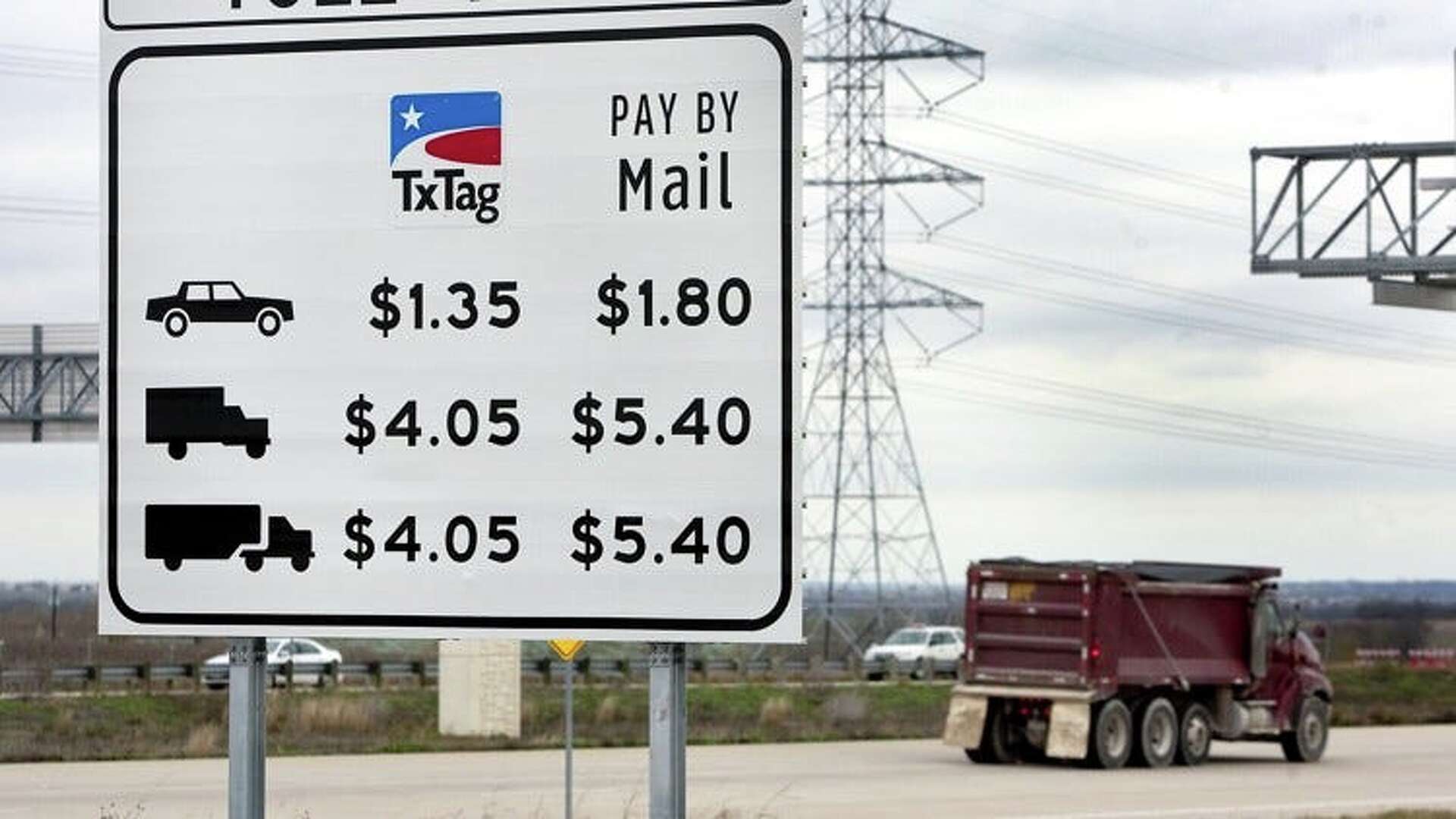
It is important to be aware that there can be a time lag between traveling on a toll road and the toll appearing in the system, especially for Pay By Mail invoices. Therefore, if you’ve recently traveled, you might not see immediate results. Patience is often required.
Checking Your Vehicle Registration Address
For those who receive bills by mail, ensuring your vehicle registration address is up-to-date with the Texas DMV is critical. If you’ve moved or your vehicle has changed hands, and the address on file is incorrect, you will miss any mailed invoices.
To update your address with the Texas DMV:
- Online: The Texas DMV website typically offers an online portal for address changes.
- By Mail or In Person: You can also update your address by submitting a form through the mail or by visiting a local county tax assessor-collector’s office.
By keeping your registration information current, you significantly increase the chances of receiving any toll invoices that are sent to you.
What to Do If You Discover You Owe Tolls
Finding out you have outstanding tolls can be a little stressful, but it’s usually a straightforward process to resolve. Acting promptly is key to avoiding escalating fees and potential issues.
Payment Options
Once you’ve confirmed you owe tolls, each authority will provide specific payment options. These generally include:
- Online Payment: The most common and convenient method. You can usually pay via credit card, debit card, or electronic check through the toll authority’s website.
- Payment by Phone: Some authorities allow you to pay over the phone with a customer service representative.
- Payment by Mail: For Pay By Mail invoices, you’ll receive instructions on how to mail a check or money order. Be sure to include the invoice number and any other required information to ensure your payment is credited correctly.
- In-Person Payment: Less common, but some authorities may have physical locations where you can pay in person.
Understanding Fees and Penalties
It is crucial to understand that unpaid tolls often accrue late fees and administrative charges. The longer you delay payment, the more expensive the original toll will become. In some cases, persistent non-payment can lead to more serious consequences, such as:
- Collections: Your outstanding debt may be turned over to a collections agency, negatively impacting your credit score.
- Registration Holds: The Texas DMV can place a hold on your vehicle registration renewal, preventing you from registering your car until the outstanding tolls are paid.
- Warrants: In extreme cases, particularly if combined with other traffic violations, failure to address toll debts can lead to warrants.
Therefore, if you discover you owe tolls, your best course of action is to address it immediately. Contact the relevant toll authority to understand the exact amount due and the available payment methods. Many authorities offer amnesty programs or payment plans for individuals facing difficulties, so don’t hesitate to inquire about these options.
Proactive Measures for Stress-Free Toll Road Travel
Preventing the accumulation of unpaid tolls is far easier than dealing with them after the fact. Implementing a few proactive strategies can ensure your travels through Texas remain enjoyable and hassle-free.
Obtain a Toll Tag
The most effective way to manage tolls is by obtaining a toll tag from one of the major providers (TxTag, NTTA, or EZ Tag). Once you have a tag, you can typically use it on toll roads operated by other agencies within Texas and even in other states that participate in reciprocal agreements.
Benefits of a Toll Tag:
- Discounts: Toll tag users often receive discounted toll rates compared to Pay By Mail customers.
- Convenience: Automatic payment means no need to worry about remembering to pay individual tolls or dealing with mailed invoices.
- Consolidated Billing: You receive a single statement for all your toll usage, simplifying record-keeping.
When choosing a toll tag, consider where you’ll be traveling most frequently in Texas. While most tags are interoperable, understanding the primary service area can help with account management. Ensure your associated bank account or credit card has sufficient funds and is kept up-to-date.
Regularly Check Your Toll Tag Account
If you already have a toll tag, make it a habit to log into your account periodically—perhaps once a month. This allows you to:
- Monitor your balance: Ensure there are sufficient funds.
- Review transaction history: Verify that all tolls are being charged correctly.
- Update payment information: If your credit card expires or your bank account details change, update them promptly to avoid service interruptions.
- Check for notifications: Toll authorities often send important updates or alerts via email or through your online account.
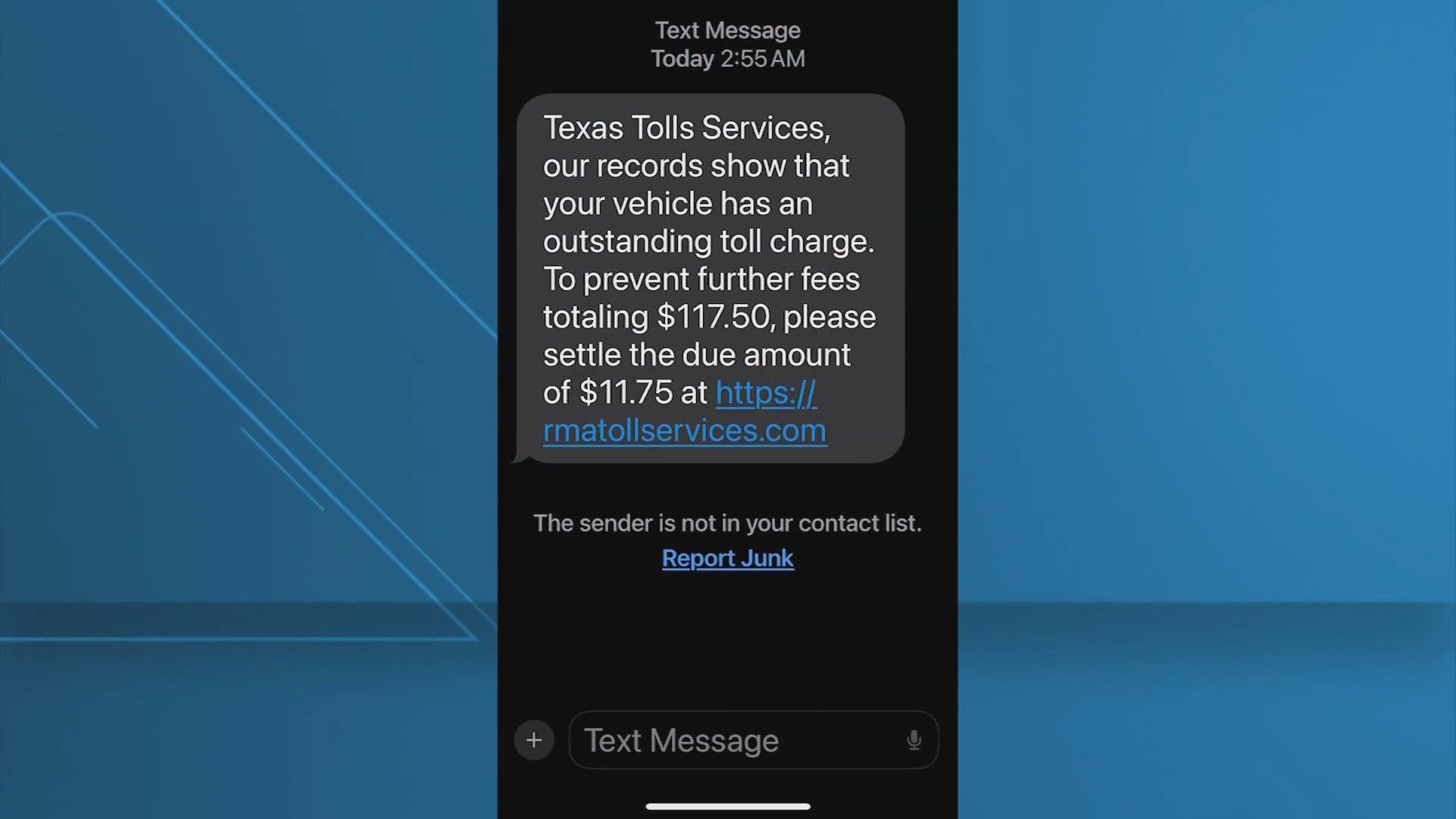
Be Mindful of Toll Road Signs
While driving, pay attention to road signs. Texas toll roads are generally well-marked, indicating the presence of tolls and the collection methods used. If you see signs for a toll plaza and you don’t have a toll tag, be aware that you will likely receive a bill by mail if you proceed. This awareness can help you make informed decisions about which routes to take, especially if you are trying to avoid tolls altogether.
By understanding how toll collection works in Texas and taking a few simple steps, you can ensure that your journeys are smooth, efficient, and free from the unexpected burden of unpaid tolls. Whether you’re a frequent traveler or a first-time visitor, staying informed is your best defense against unnecessary fees and administrative headaches.
LifeOutOfTheBox is a participant in the Amazon Services LLC Associates Program, an affiliate advertising program designed to provide a means for sites to earn advertising fees by advertising and linking to Amazon.com. Amazon, the Amazon logo, AmazonSupply, and the AmazonSupply logo are trademarks of Amazon.com, Inc. or its affiliates. As an Amazon Associate we earn affiliate commissions from qualifying purchases.