
California, a beacon of diverse landscapes, vibrant cities, and unparalleled natural beauty, beckons millions of tourists each year. From the sun-kissed beaches of Southern California to the majestic forests of the North, the Golden State offers an endless array of experiences. For visitors planning to enjoy the local culture, which often includes its world-renowned wine regions, craft breweries, and lively nightlife, understanding California’s alcohol laws and regulations is paramount. This guide provides essential insights into alcohol levels, legalities, and responsible consumption for tourists navigating the state.
Navigating California’s Blood Alcohol Content (BAC) Limits for Drivers
One of the most critical aspects of understanding “alcohol levels” in California pertains to driving under the influence (DUI) laws. For tourists planning to rent a car or drive their own vehicle, these regulations are non-negotiable and strictly enforced to ensure public safety.
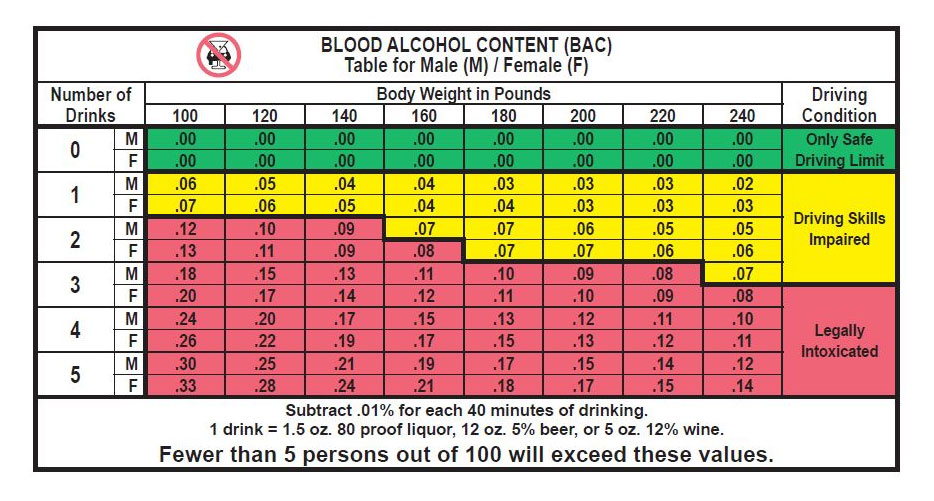
The Standard 0.08% Limit
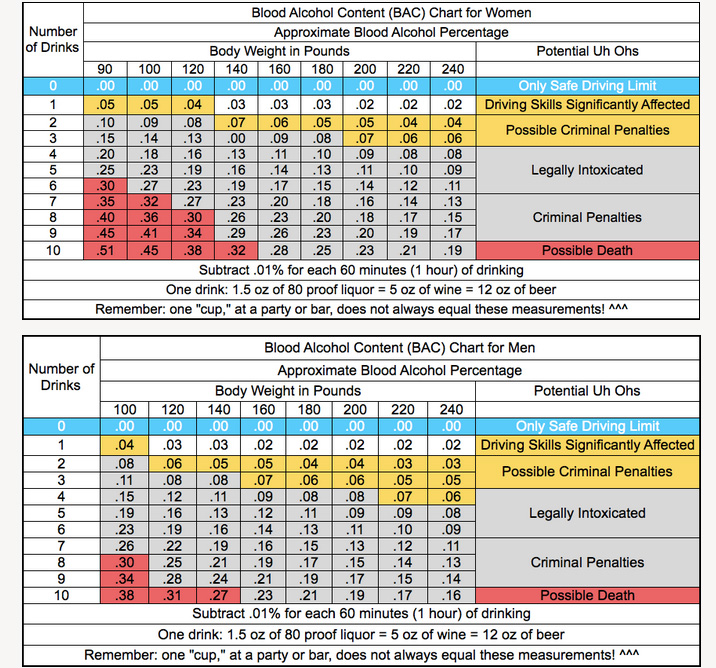
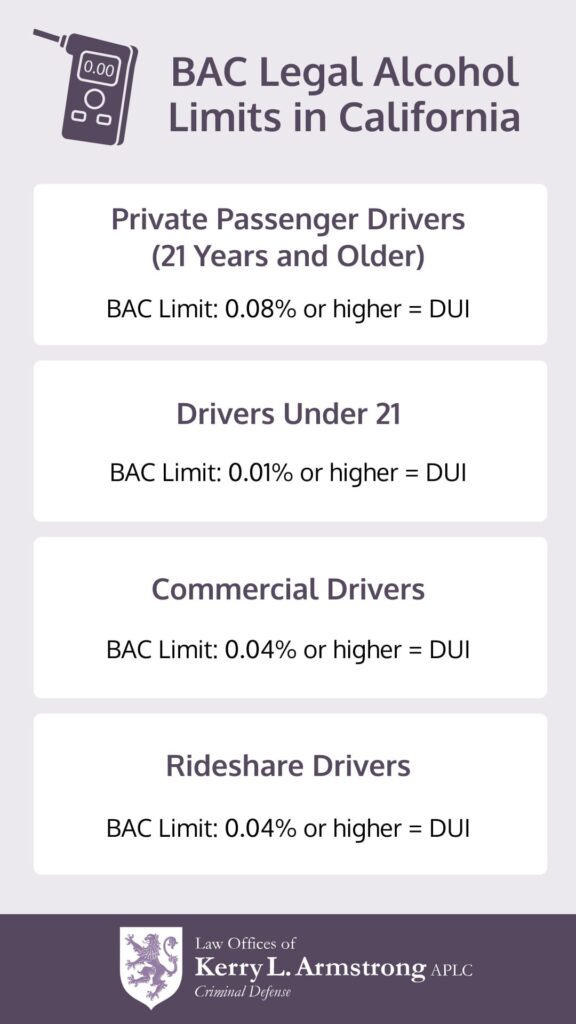
In California, the legal limit for Blood Alcohol Content (BAC) for most drivers aged 21 and over is 0.08%. This means that if your BAC is measured at 0.08% or higher, you are considered legally impaired and subject to DUI charges, regardless of whether you feel impaired. It’s crucial to remember that BAC can be affected by various factors, including body weight, metabolism, gender, amount of food consumed, and the type of alcohol. Even a single drink can significantly impact an individual’s BAC, making it wise to err on the side of caution.
“Zero Tolerance” for Underage Drivers
California enforces a strict “Zero Tolerance” policy for drivers under the age of 21. For these individuals, it is illegal to drive with a Blood Alcohol Content (BAC) of 0.01% or higher. This very low threshold effectively means that any alcohol consumption before driving for someone under 21 could lead to a DUI offense. Tourists traveling with younger family members who might be driving should be especially aware of this stringent law.
Commercial Drivers and Ride-Sharing Implications
For those holding a commercial driver’s license (CDL), including tourists operating commercial vehicles, the BAC limit is even lower: 0.04%. While most tourists won’t be driving commercial vehicles, it’s a testament to the state’s stringent stance on impaired driving.
For general tourists, the rise of ride-sharing services like Uber and Lyft and traditional taxis has provided excellent alternatives to driving after consuming alcohol. Leveraging these services, especially in urban centers like Los Angeles, San Francisco, or San Diego, is a highly recommended strategy for responsible tourism. Designated drivers within a group are also an excellent option.
Penalties and Legal Ramifications
A DUI conviction in California carries severe penalties, including hefty fines, mandatory DUI education programs, driver’s license suspension (even for out-of-state licenses), and potentially jail time. For international tourists, a DUI conviction could also impact future travel to the United States. The legal consequences far outweigh any perceived convenience of driving after drinking.
Legal Drinking Age and ID Requirements: What Tourists Need to Know
Beyond driving, understanding the legal age for alcohol consumption and the necessary identification is fundamental for tourists looking to enjoy California’s extensive culinary and nightlife scenes.
The 21-Year-Old Rule
The legal drinking age across the entire United States, including California, is 21 years old. This applies to purchasing, possessing, or consuming any alcoholic beverage. There are virtually no exceptions for tourists, regardless of their home country’s drinking age laws. Establishments serving alcohol, such as bars, restaurants, wineries, and breweries, are legally obligated to verify age.
Acceptable Forms of Identification
To avoid disappointment or legal issues, tourists must carry valid, government-issued photo identification when attempting to purchase or consume alcohol. Accepted forms typically include:
- A valid U.S. state driver’s license or ID card.
- A valid passport (for both U.S. and international visitors).
- A valid military ID.
Many establishments, especially those catering to a younger crowd, have strict policies and may refuse to accept foreign driver’s licenses as primary identification. A passport is generally the most universally accepted form of ID for international visitors. Always be prepared to present it. Falsifying identification or attempting to use another person’s ID to purchase alcohol is a criminal offense.
Consequences of Underage Drinking or Furnishing Alcohol
Tourists caught consuming alcohol underage or providing alcohol to a minor face significant legal penalties. These can include fines, arrest, and criminal charges. For establishments, serving an underage person can result in severe fines, license suspension, or even revocation of their liquor license. This strict enforcement contributes to the cautious approach taken by businesses when verifying age.
Understanding Alcohol Sales and Consumption Regulations
California’s regulations on where and when alcohol can be sold and consumed are vital for tourists to grasp, especially when planning activities or buying souvenirs.
On-Premise Consumption: Restaurants, Bars, and Venues
Alcohol can be legally purchased and consumed at licensed establishments such as restaurants, bars, breweries, wineries, and entertainment venues. These places operate under strict California Department of Alcoholic Beverage Control (ABC) regulations. Most restaurants offer a range of alcoholic beverages, from beer and wine to spirits, often complementing their cuisine. Bars and nightclubs are dedicated to serving alcohol and typically operate later into the night. It’s generally permitted to take unfinished wine bottles from restaurants home, provided they are securely corked or sealed and placed in the trunk of a car (if driving).
Off-Premise Purchases: Liquor Stores, Supermarkets, and Delivery
For those wishing to enjoy alcohol in a private setting, such as a rented vacation home or hotel room, alcohol can be purchased from licensed retailers. This includes grocery stores, supermarkets, convenience stores, and dedicated liquor stores.
- Purchasing Hours: The general hours for alcohol sales for off-premise consumption are between 6:00 AM and 2:00 AM, seven days a week. However, individual store hours may vary.
- Delivery Services: Alcohol delivery services have become increasingly popular, allowing tourists to order beverages directly to their accommodation. These services are also subject to the same age verification and sales hour regulations.
Public Consumption Laws and Open Container Rules
A key rule for tourists to remember is California’s open container law. It is generally illegal to consume alcoholic beverages in public places, such as streets, sidewalks, parks, beaches, and in vehicles, unless specifically allowed by local ordinances or within designated licensed areas (e.g., outdoor patios of restaurants).
- Vehicles: It is illegal for any person to have an open container of alcohol in a vehicle, whether in the driver’s or passenger’s possession. An open container is defined as any container that has been opened, has a broken seal, or from which the contents have been partially removed. If transporting an open container, it must be stored in the trunk or a non-passenger area of the vehicle.
While some cities might have specific permits for events allowing public alcohol consumption, tourists should assume that open container laws are in effect unless clearly stated otherwise. Violating these laws can lead to fines and other legal issues.
Last Call and Serving Hours
In California, the “last call” for alcohol service at on-premise establishments (bars, restaurants, etc.) is typically 1:30 AM, with all alcoholic beverages required to be off tables and consumed by 2:00 AM. After 2:00 AM, no alcohol can be sold or served until 6:00 AM. These hours are statewide, though specific local regulations or establishment policies might lead to earlier closing times. Tourists should plan their nightlife activities accordingly to avoid missing the last call.
Experiencing California’s Beverage Culture Responsibly
California is celebrated globally for its contributions to the culinary world, and its beverage scene is no exception. Responsible exploration allows tourists to fully appreciate these offerings.
Exploring Wine Country and Craft Breweries
The state boasts world-renowned wine regions like Napa Valley, Sonoma County, and Paso Robles, alongside a thriving craft beer industry with breweries popping up from San Diego to Eureka.
- Wineries: Many wineries offer tasting experiences, allowing visitors to sample various wines. These often include educational components about viticulture and winemaking. It’s common to purchase bottles directly from the tasting room.
- Breweries: Craft breweries frequently feature taprooms where visitors can try different brews, often accompanied by food trucks or in-house kitchens.
- Responsible Sampling: When visiting these establishments, remember that tasting rooms are designed for sampling, not excessive consumption. Always have a plan for transportation, stay hydrated, and consider spitting out samples rather than swallowing if you plan to visit multiple locations.
Designated Drivers and Transportation Alternatives
Given the strict DUI laws, planning transportation is paramount.
- Designated Driver: If traveling in a group, appoint a designated driver who abstains from alcohol.
- Ride-Sharing & Taxis: As mentioned, services like Uber and Lyft are widely available in most urban and even some rural areas (especially wine country). Taxis are also an option.
- Public Transportation: Major cities like San Francisco and Los Angeles have extensive public transport systems that can be utilized.
- Tours: Many wine and brewery tours include transportation, offering a worry-free way to experience multiple locations.
Pace Yourself: Food, Water, and Moderation
Moderation is key to enjoying California’s offerings safely.
- Eat First: Consuming food before and during alcohol intake slows the absorption of alcohol into the bloodstream.
- Stay Hydrated: Alternate alcoholic drinks with water to prevent dehydration, especially in California’s often warm climate.
- Know Your Limits: Be aware of your personal tolerance and stick to it. Alcohol affects everyone differently.
The Social Aspect: Tipping and Etiquette
When enjoying drinks in California, remember that tipping for service is customary and expected. Bartenders and servers typically receive 15-20% of the total bill for good service. Being polite and respectful to staff and fellow patrons enhances everyone’s experience.
Resources and Staying Informed
For the most up-to-date and authoritative information, tourists can always consult official state resources.
Official California Department of Alcoholic Beverage Control (ABC)
The California Department of Alcoholic Beverage Control (ABC) is the primary state agency responsible for regulating the manufacture, sale, purchase, possession, and transportation of alcoholic beverages. Their website provides detailed information on all relevant laws and regulations. While this article offers a comprehensive overview, the ABC website serves as the ultimate legal reference.
By understanding and respecting California’s alcohol laws and culture, tourists can ensure their visit is not only enjoyable but also safe and free of legal complications. The Golden State offers an incredible journey, and responsible choices enhance every moment of the adventure.
LifeOutOfTheBox is a participant in the Amazon Services LLC Associates Program, an affiliate advertising program designed to provide a means for sites to earn advertising fees by advertising and linking to Amazon.com. Amazon, the Amazon logo, AmazonSupply, and the AmazonSupply logo are trademarks of Amazon.com, Inc. or its affiliates. As an Amazon Associate we earn affiliate commissions from qualifying purchases.