
Entering the lobby of a premier establishment, whether it is a towering skyscraper in New York City or a historic boutique property in London, marks the official beginning of your travel experience. While the process of checking into a hotel might seem like a simple exchange of identification for a room key, it is a nuanced interaction that sets the tone for your entire stay. Mastering this process requires an understanding of hospitality standards, digital transitions, and the professional etiquette that governs high-end accommodations. From the bustling front desks of Marriott to the personalized greetings at a Four Seasons, knowing what to expect can transform a routine procedure into a seamless transition to luxury and comfort.

Pre-Arrival Preparation and Arrival Protocol
The check-in process actually begins long before you reach the hotel doors. Preparation is the key to avoiding delays, especially in high-traffic destinations like Las Vegas or during peak seasons in Paris. Ensuring you have the correct documentation and understanding the hotel’s specific policies will facilitate a much smoother entry.
Confirmation Documents and Identification
In the modern era of travel, digital confirmations are the norm, but having a physical or easily accessible digital copy of your reservation is essential. When checking into a hotel in the United States, a government-issued photo ID is mandatory. However, requirements become more stringent when traveling internationally. For instance, in Japan and most of Europe, local laws require the hotel to take a photocopy of your passport. At prestigious locations like The Savoy, the staff is trained to handle these documents with the utmost discretion and efficiency, but being ready to present them immediately saves valuable time for both the guest and the front office.
Arrival Logistics at the Front Desk
The physical arrival at the property often involves interacting with multiple layers of staff. If you are arriving at a luxury resort like the Bellagio, you will first encounter the bell-hop or valet. It is professional courtesy to inform them if you are checking in so they can tag your luggage appropriately. Once at the front desk, the standard check-in time is typically 3:00 PM or 4:00 PM. If you arrive early, the hotel may offer to store your luggage in a secure area while your room is prepared. Understanding these logistics helps manage expectations, particularly in busy metropolitan hubs where room turnover is high.
Mastering the Front Desk Interaction
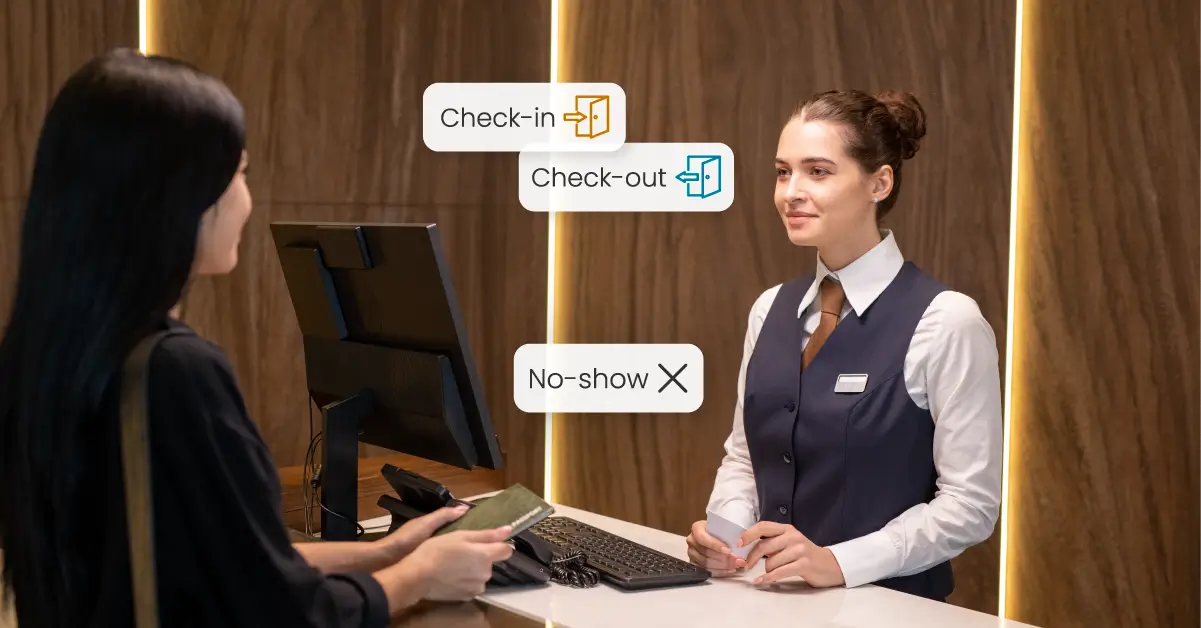
The interaction with the front desk agent is the heart of the check-in process. This is the moment where administrative details are finalized, and the guest’s specific needs are communicated. Professionalism on both sides of the desk ensures that the administrative burden is minimized.
Managing Security Deposits and Payments
One of the most misunderstood aspects of the hotel check-in is the security deposit or “incidental hold.” Hotels like Hilton or Hyatt will require a credit card upon arrival, even if the room is prepaid. This hold covers potential expenses such as room service, minibar usage, or damages. It is important to note that using a debit card for this purpose can result in a temporary withdrawal of funds from your bank account, which may take several business days to return after checkout. In luxury hubs like Dubai, these holds can be substantial, reflecting the high value of the amenities provided.
Room Assignments and Upgrade Strategies
The check-in process is also the primary opportunity to discuss room placement. If you have a preference for a high floor, a room away from the elevator, or a specific view—perhaps looking toward the Eiffel Tower in France—this is the time to mention it. For members of loyalty programs, such as those staying at a Ritz-Carlton, the agent will often acknowledge your status and check for available upgrades. While upgrades are never guaranteed, a polite inquiry about “available enhancements” is the professional way to seek a better room without appearing demanding.
Navigating the Digital Evolution of Check-In

Technology is rapidly reshaping the hospitality industry, offering guests more autonomy over how they enter their temporary homes. Many global brands are moving toward a “frictionless” experience that bypasses the traditional front desk entirely.
Mobile Check-In and Keyless Entry
Major hotel groups have invested heavily in mobile applications that allow guests to check in via their smartphones. In tech-forward cities like Tokyo, mobile check-in is becoming the standard. This system allows you to select your room from a digital floor plan and receive a digital key via Bluetooth. This is particularly advantageous for business travelers arriving late at night who wish to go directly to their suite without the formality of the lobby.
Contactless Kiosks and Automated Services
In addition to mobile apps, many mid-range and large-scale hotels have installed self-service kiosks. These stations allow you to scan your ID, swipe your credit card, and dispense your own key cards. While this lacks the personal touch of a concierge at the Mandarin Oriental in Hong Kong, it provides an efficient alternative for those who prioritize speed. Regardless of the method, the goal of these digital tools is to provide the guest with more control over their schedule.
Specialized Check-In Scenarios
Not every check-in follows the standard afternoon arrival. Understanding how to navigate unusual timing or high-end service expectations is vital for the seasoned traveler.
Early Arrivals and Late Check-Ins
Arriving on an overnight flight to the United Kingdom often means reaching your hotel by 8:00 AM, long before the previous guests have vacated their rooms. In these instances, “Early Check-In” is a request, not a right. Professional travelers often book the room for the night before to guarantee immediate access. Conversely, for late-night arrivals, it is crucial to notify the hotel if you will be arriving after midnight. Without notification, the hotel’s computer system may flag you as a “no-show” and release your room to other guests.
Check-In Procedures for Luxury Resorts and Boutique Properties
The experience at a world-class resort like the Burj Al Arab differs significantly from a standard commercial hotel. In these environments, check-in often happens in-room or while seated in a private lounge with a welcome drink. The staff will take over the handling of your documents and luggage immediately, allowing you to bypass the desk entirely. This “VIP check-in” is designed to emphasize relaxation and exclusivity from the moment you step onto the property.
Beyond the Lobby: Transitioning to Your Room
Once the paperwork is finished and the key is in hand, the final phase of checking in involves the transition to your personal space. This phase is about ensuring the room meets your standards and understanding the amenities at your disposal.
Concierge Services and Luggage Handling
If you are staying at a full-service hotel, a bellman will typically escort you or your luggage to the room. This is more than just a delivery service; it is an orientation. They can explain how to operate the room’s climate control, lighting systems, and any specialized technology. It is also the perfect time to ask the concierge for recommendations or to secure reservations at local landmarks or restaurants. A small tip for the bell-staff is a standard practice in the United States, though customs vary by country.
Inspecting the Room Amenities
The final step of a successful check-in is the room walkthrough. Before unpacking, professional travelers do a quick scan of the room to ensure everything is in order. Check that the Wi-Fi is functioning, the bathroom is stocked with the promised amenities, and the room matches the category you booked. If there is an issue, such as a missing amenity or a maintenance concern, it is best to report it immediately. Addressing these details right after check-in is much more effective than waiting until later in the evening when maintenance staff may be limited.
Checking into a hotel is the gateway to your travel experience. By approaching it with the right documents, a professional demeanor, and an understanding of modern hospitality technology, you ensure that your stay begins on a high note. Whether you are navigating the high-tech systems of Singapore or the traditional elegance of Italy, the principles of a smooth check-in remain the same: preparation, communication, and an appreciation for the service standards that make the world of hotels so diverse and welcoming.
LifeOutOfTheBox is a participant in the Amazon Services LLC Associates Program, an affiliate advertising program designed to provide a means for sites to earn advertising fees by advertising and linking to Amazon.com. Amazon, the Amazon logo, AmazonSupply, and the AmazonSupply logo are trademarks of Amazon.com, Inc. or its affiliates. As an Amazon Associate we earn affiliate commissions from qualifying purchases.