
When navigating the vibrant cultural landscape of Chicago, visitors often encounter a wealth of ephemeral yet informative materials: event handouts. These printed or digital guides, distributed at museums, festivals, theaters, and various attractions, serve as invaluable companions for enriching an experience. From detailed exhibit descriptions at the Art Institute of Chicago to performance schedules at the Goodman Theatre, these handouts encapsulate crucial details. However, the academic and personal pursuit of documenting one’s exploration or research can lead to a common question: how does one properly cite such a document, especially when its nature is somewhat informal compared to a published book or journal article? This guide focuses on the principles of citing event handouts within the context of Chicago’s dynamic tourism and cultural scene, offering a framework applicable to various citation styles.

The Ephemeral Nature of Event Handouts in Tourism
Event handouts, by their very design, are often transient. They are created to serve a specific purpose for a limited duration and are not typically archived for long-term scholarly use. This ephemerality presents a unique challenge for citation. Unlike a book that has an International Standard Book Number (ISBN) or a scholarly article with a Digital Object Identifier (DOI), event handouts rarely possess such enduring identifiers. Their value lies in their immediate relevance to the event they represent. For travelers documenting their journeys, researchers studying contemporary cultural practices, or students analyzing specific exhibitions, accurate citation ensures that the source of information is clearly attributed, allowing others to verify or learn more about the event.
Identifying Key Bibliographic Information
The first step in citing any document, including an event handout, is to meticulously identify all available bibliographic information. This requires careful observation and often a bit of detective work. For a Chicago event handout, consider the following elements:
- Author or Issuing Organization: Who produced the handout? This could be a specific museum department, a festival committee, a theater company, or even an individual curator. For example, a handout for a special exhibition at the Field Museum would likely be attributed to the museum itself, or perhaps the specific department responsible for the exhibition.
- Title of the Handout: What is the official title of the handout? This is usually prominently displayed. Sometimes, it might be a descriptive title rather than a formal one, such as “Exhibit Guide” or “Program Notes.”
- Title of the Event/Exhibition: What event or exhibition is the handout associated with? This is crucial context. For instance, a handout for a special exhibition at the Museum of Science and Industry would need to specify the name of that particular exhibition.
- Date of Publication or Distribution: When was the handout created or distributed? This is vital for understanding the context of the information. Often, this will be the date of the event itself.
- Location of Publication/Distribution: Where was the handout distributed? In this case, it would be Chicago, but specifying the venue (e.g., Navy Pier, Lincoln Park Zoo) can add further clarity.
- Page Numbers or Specific Sections: If the handout is multi-page, or if you are referencing a specific section, note the relevant page numbers or section titles.
Adapting Citation Styles for Event Handouts
While specific guidelines for citing event handouts might not be as codified as for traditional academic sources, established citation styles offer frameworks that can be adapted. The core principle remains consistent: provide enough information for your reader to locate and identify the source. We will explore how to approach this using common styles like Chicago, MLA, and APA, with a focus on providing comprehensive details relevant to Chicago’s tourism and cultural events.
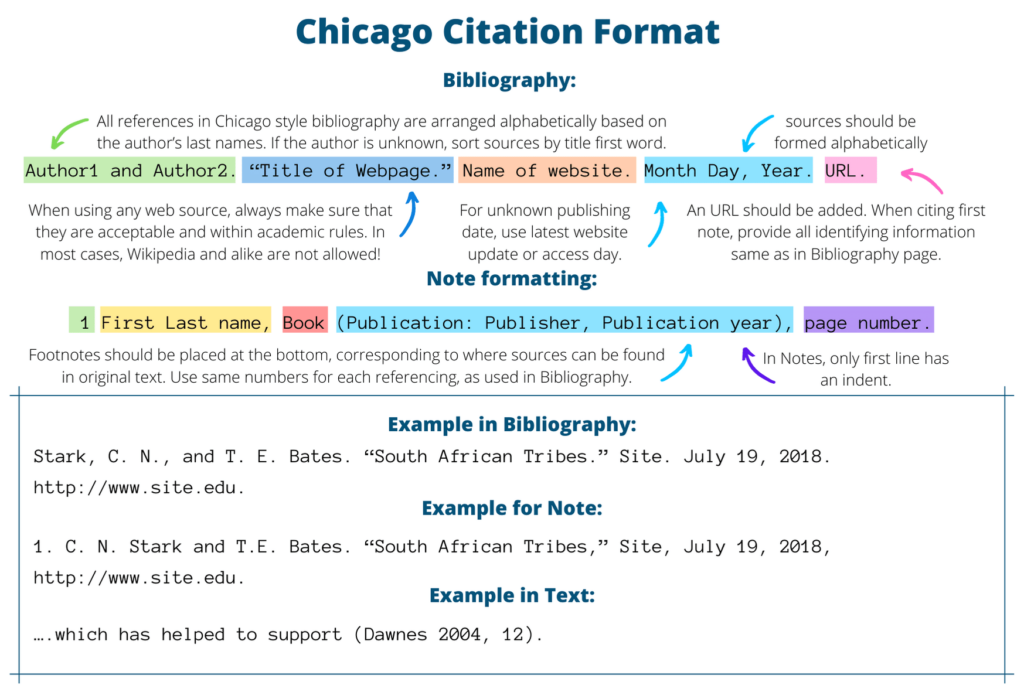
Chicago Style (Notes and Bibliography)
The Chicago Manual of Style is widely used in the humanities and social sciences, making it a relevant choice for those documenting their experiences with Chicago’s cultural offerings.
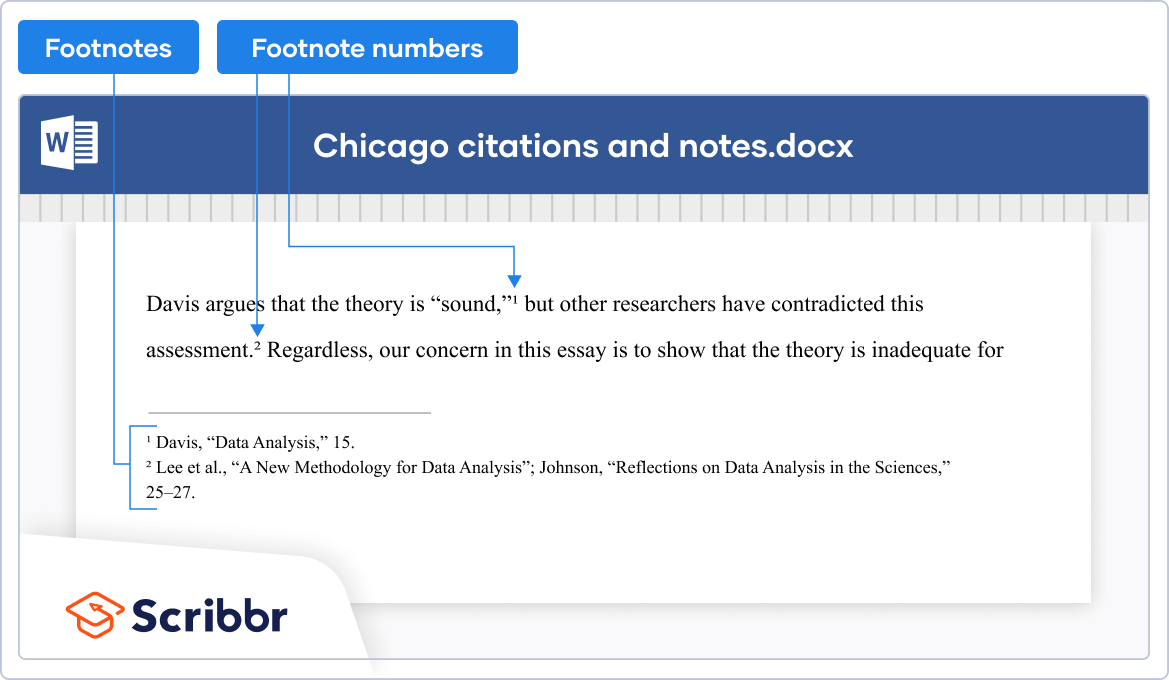
Note Citation
In a footnote or endnote, you would present the information clearly.
Example:
- Exhibit Guide: “Impressionism in America,” Art Institute of Chicago, May 15, 2023.
- Program Notes, “A Streetcar Named Desire,” Goodman Theatre, November 8, 2023.
- Festival Map and Schedule, Lollapalooza [Year], Grant Park, [City], [State]. (If the year is clear and city/state are implicitly known from context, they might be omitted, but for clarity, especially for future reference, it’s best to include).
Bibliography Citation
In the bibliography, the entry should be alphabetized and presented in a slightly more structured format.
Example:
Art Institute of Chicago. “Impressionism in America” Exhibit Guide. May 15, 2023.
Goodman Theatre. “A Streetcar Named Desire” Program Notes. November 8, 2023.
Lollapalooza. Festival Map and Schedule. [Year]. Chicago, Illinois.
When an individual author is clearly credited on the handout, include their name.
Example (Note):
- Jane Doe, “Exploring Ancient Egypt,” Field Museum Exhibit Handout, July 22, 2023.
Example (Bibliography):
Doe, Jane. “Exploring Ancient Egypt.” Field Museum Exhibit Handout. July 22, 2023.
MLA Style (Works Cited)
The Modern Language Association (MLA) style is common in literature and other humanities fields.
Works Cited Entry
MLA emphasizes the author, title, and publication information. For an event handout, you might treat it as a personal or organizational publication.
Example:
Art Institute of Chicago. Impressionism in America Exhibit Guide. 15 May 2023.
Goodman Theatre. A Streetcar Named Desire Program Notes. 8 Nov. 2023.
If an individual is the author:
Example:
Doe, Jane. “Exploring Ancient Egypt.” Exhibit Handout. Field Museum, 22 July 2023.
APA Style (Reference List)
The American Psychological Association (APA) style is prevalent in social sciences and education. APA focuses on author, date, title, and source.
Reference List Entry
For APA, you would typically treat a handout as a “report” or “unpublished work” if a formal publication is lacking.
Example:
Art Institute of Chicago. (2023, May 15). Impressionism in America exhibit guide.
Goodman Theatre. (2023, November 8). A Streetcar Named Desire program notes.
If an individual author is credited:
Example:
Doe, J. (2023, July 22). Exploring ancient Egypt [Exhibit handout]. Field Museum.
Citing Digital Handouts and Online Resources
In the digital age, many Chicago cultural institutions offer event handouts as downloadable PDFs on their websites. When citing these, include information about the retrieval of the source.
Adding Retrieval Information
For online versions, adding the website address and the date of access is crucial, especially since web content can change or disappear.
Chicago Style (Notes and Bibliography)
Example (Note):
- “Guide to the Architecture Boat Tour,” Chicago Architecture Foundation, https://www.architecture.org/tour-guide (accessed July 10, 2024).
Example (Bibliography):
Chicago Architecture Foundation. “Guide to the Architecture Boat Tour.” https://www.architecture.org/tour-guide (accessed July 10, 2024).
MLA Style (Works Cited)
Example:
Chicago Architecture Foundation. “Guide to the Architecture Boat Tour.” Chicago Architecture Foundation, www.architecture.org/tour-guide. Accessed 10 July 2024.
APA Style (Reference List)
Example:
Chicago Architecture Foundation. (n.d.). Guide to the architecture boat tour. Retrieved from https://www.architecture.org/tour-guide
Note: APA uses “n.d.” for “no date” if the publication date is not ascertainable. The retrieval date is generally not included in APA 7th edition unless the content is likely to change over time and the reference is not archived.
Best Practices for Clarity and Context
Regardless of the citation style, clarity and context are paramount when citing event handouts. Since these are often less formal than academic publications, providing as much descriptive detail as possible helps the reader understand the nature of your source.
Providing Contextual Detail
- Specify the Venue: Always mention the specific institution or venue where the handout was obtained. This anchors the information to a particular place and time within Chicago.
- Describe the Handout’s Purpose: Briefly explain what the handout is. Is it a guide, a program, a map, an informational sheet?
- Note Any Visuals or Special Features: If the handout includes unique maps, illustrations, or interactive elements that were important to your research or experience, consider briefly mentioning them.
- When in Doubt, Err on the Side of More Information: It is better to provide a little too much detail than not enough. This helps avoid ambiguity for your reader.
Citing Sections or Specific Information
If you are referencing a particular section of a handout, ensure your citation points to that specific content.
Notes and Bibliography (Chicago Style)
Example (Note):
- “Historical Overview,” in Exhibit Guide: “A Century of Chicago Theater,” The National Museum of the American Indian, Chicago Branch, August 1, 2023, p. 3.
Example (Bibliography):
The National Museum of the American Indian, Chicago Branch. “Exhibit Guide: A Century of Chicago Theater.” August 1, 2023.
Works Cited (MLA Style)
Example:
The National Museum of the American Indian, Chicago Branch. “Historical Overview.” A Century of Chicago Theater Exhibit Guide, 1 Aug. 2023, p. 3.
Reference List (APA Style)
Example:
The National Museum of the American Indian, Chicago Branch. (2023, August 1). A century of Chicago theater [Exhibit guide, Section: Historical Overview].
By applying these principles, you can effectively and accurately cite event handouts encountered during your explorations of Chicago’s rich tapestry of events and attractions. This ensures that your work is well-supported, credible, and contributes to a deeper understanding of the cultural experiences you document. Whether you are a tourist documenting your travels through the Windy City, a student researching a specific exhibition, or a writer crafting a piece about local culture, mastering the art of citing these often-overlooked documents is a valuable skill.
LifeOutOfTheBox is a participant in the Amazon Services LLC Associates Program, an affiliate advertising program designed to provide a means for sites to earn advertising fees by advertising and linking to Amazon.com. Amazon, the Amazon logo, AmazonSupply, and the AmazonSupply logo are trademarks of Amazon.com, Inc. or its affiliates. As an Amazon Associate we earn affiliate commissions from qualifying purchases.