
Embarking on a cross-country journey from the mile-high city of Denver, Colorado, to the historic shores of Boston, Massachusetts, is a significant undertaking for any traveler. Whether for business or leisure, understanding the duration and nuances of this transcontinental flight is crucial for effective trip planning. This journey bridges two distinct American metropolises, traversing over 1,700 air miles and spanning multiple time zones. The question of “how long” is more complex than a single number, influenced by a myriad of operational and atmospheric factors.
Understanding Flight Duration: Direct vs. Connecting Flights
The most significant determinant of your total travel time from Denver to Boston is whether you opt for a direct (non-stop) flight or one with layovers. The difference can be several hours, profoundly impacting your arrival time and overall travel experience.

Non-Stop Journeys
For travelers prioritizing speed and convenience, non-stop flights are the ideal choice. These flights offer the most efficient way to travel between Denver International Airport (DEN) and Boston Logan International Airport (BOS). On average, a direct flight between these two cities typically ranges from 3 hours and 30 minutes to 4 hours and 15 minutes. This duration covers the actual time the aircraft is airborne.
Major airlines such as United Airlines, Southwest Airlines, American Airlines, Delta Air Lines, and JetBlue frequently offer non-stop services on this route. The specific time can vary slightly depending on the airline, the particular aircraft model used, and daily operational factors. When booking, always check the listed flight time carefully, as slight variations are common.
The Reality of Connecting Flights
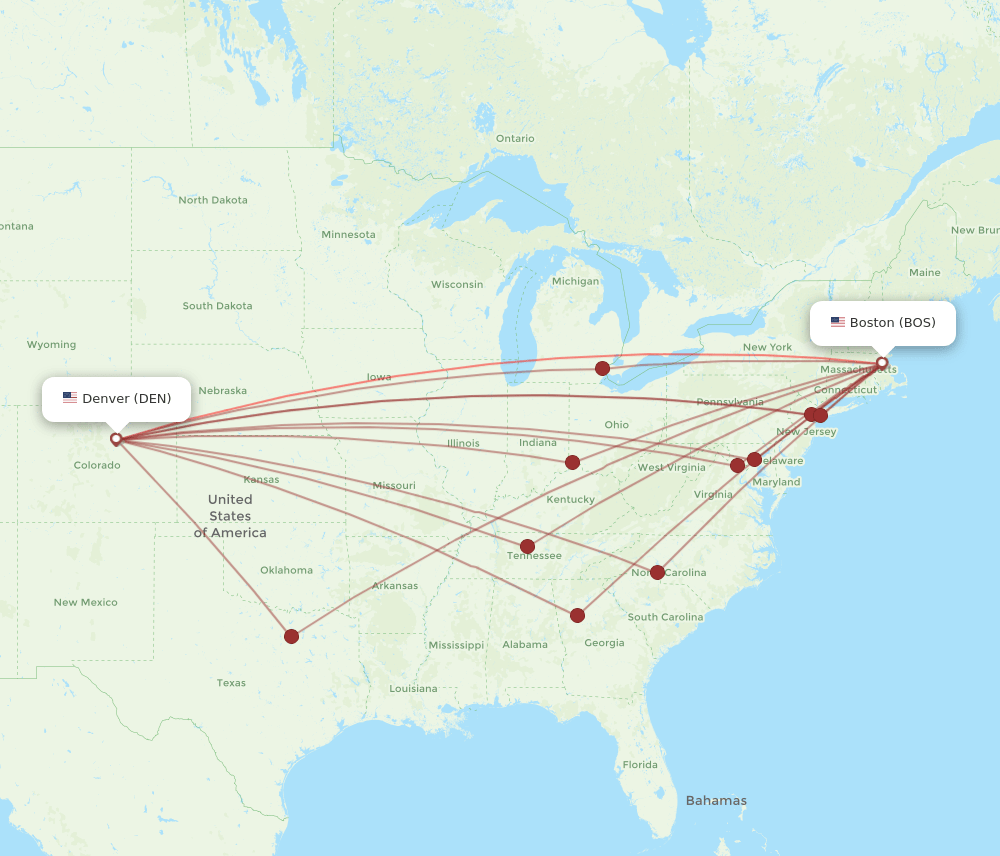
While non-stop flights are preferred, they might not always be available or fit every budget. Connecting flights involve at least one stop, usually in a hub city like Chicago, Atlanta, Dallas, or Charlotte. The total duration for a connecting flight can span anywhere from 6 hours to 10+ hours, depending largely on the layover time and the efficiency of the connecting airport.
When evaluating connecting flights, consider not just the layover duration but also the airport’s reputation for on-time performance and the ease of navigating between terminals. Shorter layovers (under an hour) can be risky due to potential delays with the first flight, while longer ones (3+ hours) can make for a very drawn-out travel day. While often more economical, connecting flights demand greater patience and flexibility. The total journey time includes taxiing, take-off, flight time to the layover, taxiing and waiting at the layover airport, boarding the connecting flight, and the subsequent flight and landing procedures.
Factors Influencing Flight Time
Beyond the basic direct versus connecting distinction, several intricate factors can subtly, or sometimes significantly, alter the actual flight time from Denver to Boston. Understanding these variables can help set realistic expectations and appreciate the complexities of modern air travel.
Air Speed and Jet Stream
One of the most powerful natural phenomena affecting flight duration is the jet stream. These fast-flowing, narrow air currents in the atmosphere generally move from west to east. Consequently, flights traveling eastward (like Denver to Boston) often benefit from a tailwind, which can shave valuable minutes off the journey. Conversely, westbound flights frequently contend with headwinds, extending their travel time. The strength and precise location of the jet stream fluctuate daily, leading to minor variations in expected flight times.
Aircraft Type
Different aircraft models possess varying cruising speeds and operational efficiencies. A modern, wide-body jet, for instance, might be capable of a slightly faster cruising speed than an older, narrower-body aircraft. While the difference on a route of this length might only be a few minutes, it is a contributing factor. Airlines select aircraft based on route demand, operational costs, and fleet availability, which can subtly influence the average flight time for a given airline on this specific route.
Air Traffic Control and Delays
The national airspace is a highly regulated and complex network. Air traffic control (ATC) manages the flow of thousands of flights daily. Even on a seemingly clear day, congestion around major hubs like Denver or Boston can lead to ground delays (waiting for take-off slots) or airborne holding patterns (circling before landing). These ATC-induced delays, while usually brief, add to the total travel time and are an unavoidable part of flying in busy airspace. Major events or system failures can also cause more substantial delays.
Weather Conditions

Weather is an undeniable factor that can impact flight duration and overall travel plans. Strong headwind conditions, particularly at higher altitudes, can increase flight time by requiring more engine thrust and reducing ground speed. Severe weather systems, such as thunderstorms, snowstorms, or fog, at either the departure or arrival airport, can lead to rerouting, delayed take-offs, holds, or even diversions, all of which extend the journey. While airlines and pilots strive for the most efficient path, safety always takes precedence, meaning weather-related adjustments are common.
Maximizing Comfort on a Cross-Country Flight
A flight from Denver to Boston, even a direct one, still qualifies as a medium-haul journey. Being prepared for several hours in the air is key to ensuring a pleasant experience.
Pre-Flight Preparations
Before you even step foot in Denver International Airport, thoughtful preparation can enhance your comfort.
- Choose your seat wisely: If possible, select an aisle seat for easier movement, a window seat for views and leaning, or an exit row for extra legroom. Many airlines offer seat selection during booking or check-in.
- Pack smart: Have essentials like chargers, headphones, a book or e-reader, and any necessary medications easily accessible in your personal item.
- Dress in layers: Cabin temperatures can fluctuate, so layering allows you to adjust. Opt for comfortable, loose-fitting clothing.
- Hydrate: Start hydrating well before your flight and continue throughout the journey. Dehydration is common in dry cabin air.
In-Flight Essentials
Once airborne, these tips will help you manage the hours effectively:
- Stay hydrated: Continue to drink water regularly. Limit caffeine and alcohol, as they can contribute to dehydration.
- Move frequently: Stand up and stretch, walk the aisle if permitted, and do simple in-seat exercises to promote circulation and prevent stiffness.
- Entertain yourself: Download movies, podcasts, or music beforehand. Many airlines offer in-flight entertainment, but having your own options is a good backup.
- Snacks: While airlines offer snacks, having your preferred healthy options can be a lifesaver, especially if you have dietary restrictions.
- Neck pillow and eye mask: These can significantly improve your ability to rest, particularly if you plan to sleep.
Beating Jet Lag (Eastbound Implications)
Traveling from Denver (Mountain Time Zone) to Boston (Eastern Time Zone) means you will be moving forward by two hours. This eastward journey typically results in a more noticeable effect of jet lag than westbound travel.
To minimize the impact:
- Adjust your sleep schedule: A few days before your flight, try to shift your bedtime earlier by an hour or so each night.
- Set your watch: As soon as you board, change your watch to Boston time. Start mentally operating on your destination’s schedule.
- Sunlight exposure: Upon arrival, expose yourself to natural light during the day to help reset your circadian rhythm. Avoid excessive napping, even if you feel tired, to help you sleep better at the local bedtime.
- Stay active: Light exercise upon arrival can help your body adjust and reduce feelings of sluggishness.
Planning Your Trip: Denver to Boston Itinerary Considerations
Beyond the flight itself, the overall travel experience from Denver to Boston encompasses your journey to and from the airports and considerations for the best time to travel.
Departing from Denver International Airport (DEN)
Denver International Airport (DEN) is one of the busiest airports in the United States. It is located approximately 25 miles northeast of downtown Denver. Travelers should factor in adequate time for transit to the airport, parking or drop-off, check-in, and security screening. During peak travel times (early mornings, late afternoons, holidays), security lines can be extensive. Aim to arrive at least two hours before a domestic flight, especially if checking luggage. The airport offers various amenities, including dining and shopping, allowing for a comfortable wait once past security.
Arriving at Boston Logan International Airport (BOS)
Boston Logan International Airport (BOS) is conveniently located just a few miles from downtown Boston, making onward travel relatively straightforward. Options for reaching the city center or surrounding areas include:
- MBTA Silver Line (SL1): A free bus service from all terminals to South Station, connecting to subway and commuter rail.
- MBTA Blue Line: Free shuttle buses connect terminals to the Airport Station for direct subway access.
- Taxi/Rideshares: Readily available, but traffic can be heavy, especially during rush hour.
- Water Taxi: A scenic and often quicker option to various downtown Boston waterfront locations.
- Rental Cars: Available at the consolidated rental car facility, accessible by shuttle.
Best Times to Fly
The “best” time to fly depends on your priorities:
- Cost: Generally, Tuesdays, Wednesdays, and Saturdays often offer the lowest fares. Avoiding peak holiday periods and summer months can also yield savings.
- Comfort: Early morning flights are often less prone to delays due to air traffic congestion building up later in the day. Red-eye flights can save you a night of accommodation, but you might arrive feeling more tired.
- Weather: Spring (April-May) and Fall (September-October) typically offer pleasant weather in both Denver and Boston, minimizing weather-related disruptions and offering comfortable travel conditions.
In conclusion, a direct flight from Denver to Boston will typically take between 3 hours 30 minutes and 4 hours 15 minutes in the air. However, the total travel experience is shaped by your choices in flights, your preparedness, and external factors ranging from the jet stream to air traffic control. By understanding these elements, travelers can plan a more efficient and enjoyable journey across the American landscape.
LifeOutOfTheBox is a participant in the Amazon Services LLC Associates Program, an affiliate advertising program designed to provide a means for sites to earn advertising fees by advertising and linking to Amazon.com. Amazon, the Amazon logo, AmazonSupply, and the AmazonSupply logo are trademarks of Amazon.com, Inc. or its affiliates. As an Amazon Associate we earn affiliate commissions from qualifying purchases.