
Navigating the complexities of healthcare access is a crucial aspect of ensuring well-being for individuals and families. In the state of Texas, Medicaid plays a vital role in providing essential medical services to eligible low-income residents. Understanding the application process, eligibility criteria, and available resources is the first step toward securing this valuable coverage. This guide aims to demystify the process of claiming Medicaid in Texas, offering a comprehensive overview for prospective applicants.
Understanding Texas Medicaid Eligibility
Texas Medicaid is administered by the Texas Health and Human Services Commission (HHSC). Eligibility is determined based on several factors, primarily income, household size, age, disability status, and specific medical needs. It’s important to note that eligibility rules can be intricate and may vary for different groups.
Key Eligibility Categories
The Texas Medicaid program covers a range of individuals and families who meet specific criteria. These typically include:
- Children: Families with children who meet income guidelines are often eligible. This includes programs like the Children’s Health Insurance Program (CHIP), which provides coverage for children in families with incomes too high for Medicaid but still unable to afford private insurance.
- Pregnant Women: Pregnant individuals who meet income requirements can receive Medicaid to ensure access to prenatal care, delivery, and postpartum services.
- Low-Income Adults: While Texas has not expanded its Medicaid program to cover all low-income adults, certain groups may still qualify based on age, disability, or other specific circumstances. This often includes individuals who are elderly (65 or older) or have a qualifying disability.
- Individuals with Disabilities: Those who receive Supplemental Security Income (SSI) or meet disability criteria set by the Social Security Administration are often eligible for Medicaid.
- Families with Dependent Children: In some cases, families receiving Temporary Assistance for Needy Families (TANF) may also be eligible for Medicaid.
Income and Household Size
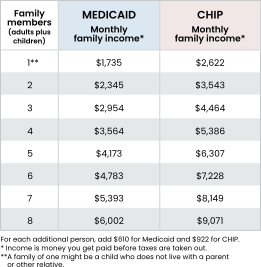
Income is a primary determinant of eligibility. HHSC uses a Modified Adjusted Gross Income (MAGI) methodology for most eligibility groups, which considers income after certain deductions. The specific income limits are subject to change and are often expressed as a percentage of the Federal Poverty Level (FPL). Household size also plays a significant role; larger households may have higher income limits. It is crucial to accurately calculate your household income and size when preparing your application.
Other Factors
Beyond income, other factors influence eligibility. For individuals with disabilities, a medical determination of disability is required. For elderly individuals, age is a key factor, and they may also need to meet certain asset limits depending on the specific program. Pregnancy status is also a critical category for eligibility.
The Application Process for Texas Medicaid
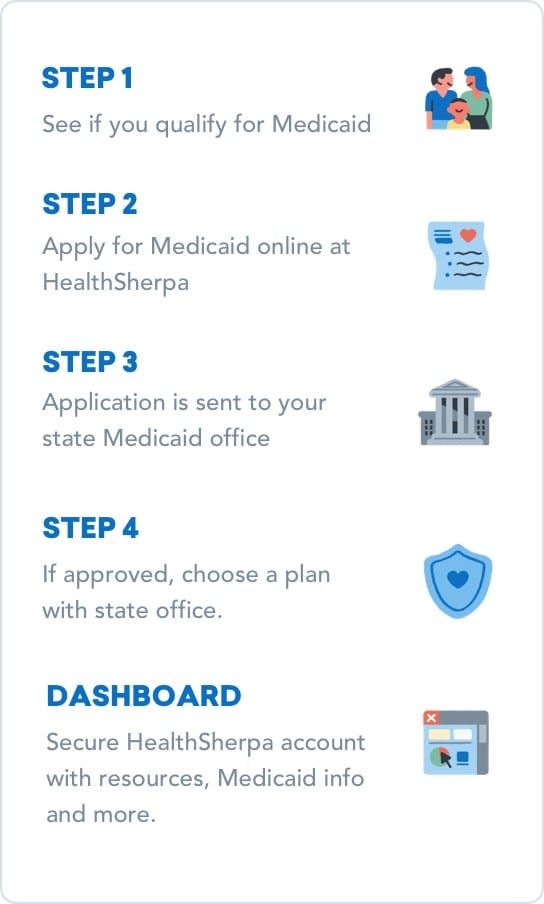
Applying for Texas Medicaid involves submitting an application to the Texas Health and Human Services Commission (HHSC). There are several convenient ways to apply, catering to different preferences and access levels.
Online Application
The most common and often the quickest method is applying online through the HHSC website. The online portal, YourTexasBenefits.com, guides applicants through a series of questions designed to determine eligibility. This platform allows you to save your progress, upload necessary documents, and track the status of your application. It is recommended to have all relevant personal and financial information readily available before starting the online application.
Application by Mail or Fax
For those who prefer not to apply online, or who lack internet access, paper applications are available. You can download an application form from the HHSC website, request one by phone, or pick one up from a local HHSC benefits office. Completed applications can then be mailed or faxed to the appropriate HHSC processing center.
In-Person Assistance
Local HHSC benefits offices across Texas offer in-person assistance for those who need help completing their applications or have specific questions. Visiting an office can be particularly beneficial for individuals who face language barriers or have complex eligibility situations. It is advisable to check the HHSC website or call their customer service line to find the nearest office and confirm operating hours and required documentation.
Required Documentation
Regardless of the application method, applicants will need to provide supporting documentation to verify their information. Common documents include:
- Proof of Identity: Such as a driver’s license, state-issued ID, or passport.
- Proof of Residency: Such as a utility bill or lease agreement showing your Texas address.
- Proof of Income: Such as pay stubs, tax returns, or letters of support. For self-employed individuals, this may involve business records.
- Proof of Household Size: Such as birth certificates for children.
- Medical Information: If applying based on disability, documentation from a healthcare provider or the Social Security Administration may be needed.
- Citizenship or Immigration Status: For non-U.S. citizens, proof of legal immigration status is required.

It is essential to have these documents organized and readily accessible to expedite the application review process.
Navigating the Texas Medicaid System
Once your Medicaid application is submitted, it will be reviewed by HHSC. The review process can take several weeks, and you may be contacted if additional information is required.
What to Expect After Applying
Upon submission, you will typically receive a confirmation that your application has been received. HHSC will then verify the information you provided. If your application is approved, you will receive a Medicaid card and information on how to access services. If your application is denied, you will receive a letter explaining the reasons for denial and your rights to appeal the decision.
Your Medicaid Benefits
Texas Medicaid covers a wide range of medical services, including doctor visits, hospital stays, prescription drugs, mental health services, and long-term care. The specific benefits you receive may depend on your eligibility group. It is important to understand your covered benefits and any limitations or co-payments that may apply.
Choosing a Healthcare Provider
Most Texas Medicaid beneficiaries are enrolled in a managed care plan. This means you will choose a primary care physician (PCP) from a network of providers associated with your chosen managed care organization. Your PCP will coordinate your care and refer you to specialists when necessary. HHSC provides resources to help you select a managed care plan and find providers in your area.
Re-determining Eligibility
Medicaid eligibility is not permanent. HHSC periodically reviews your case to ensure you still meet the eligibility requirements. This process is called redetermination, and it typically occurs annually. It is crucial to respond promptly to any requests from HHSC for updated information to avoid any interruption in your coverage. Failing to complete the redetermination process can lead to the termination of your benefits.
Seeking Assistance and Resources
Navigating healthcare programs can be challenging, and several resources are available to assist Texas residents in their pursuit of Medicaid coverage.
Texas Health and Human Services Commission (HHSC) Resources
The official website of HHSC is the primary source for information regarding Medicaid in Texas. It provides details on eligibility, application procedures, benefit plans, and frequently asked questions. Their customer service hotline is also available for direct assistance.
Navigating YourTexasBenefits.com
YourTexasBenefits.com is the central online portal for applying for and managing Medicaid and other assistance programs in Texas. The site offers step-by-step guidance, clear explanations of eligibility requirements, and the ability to submit and track applications. It is designed to be user-friendly, but if you encounter any difficulties, the website also provides links to help and support resources.
Local Community Organizations
Numerous non-profit organizations and community outreach programs throughout Texas offer free assistance with Medicaid applications. These organizations often have trained navigators who can help individuals understand their eligibility, gather necessary documents, and complete the application process. Searching for “Medicaid assistance [city name] Texas” can help you find local support services. These groups are invaluable for those who may face language barriers, have complex health needs, or simply require personalized guidance.
Legal Aid and Advocacy Groups
For individuals facing complex eligibility disputes or seeking to understand their rights, legal aid societies and patient advocacy groups can provide crucial support. These organizations offer free or low-cost legal services and can help navigate appeals processes if an application is denied or benefits are terminated.
By understanding the eligibility criteria, familiarizing yourself with the application process, and utilizing the available resources, Texas residents can successfully claim Medicaid and gain access to essential healthcare services. Proactive engagement and accurate information are key to securing this vital safety net.
LifeOutOfTheBox is a participant in the Amazon Services LLC Associates Program, an affiliate advertising program designed to provide a means for sites to earn advertising fees by advertising and linking to Amazon.com. Amazon, the Amazon logo, AmazonSupply, and the AmazonSupply logo are trademarks of Amazon.com, Inc. or its affiliates. As an Amazon Associate we earn affiliate commissions from qualifying purchases.