
Boston Terriers, affectionately known as the “American Gentleman,” are a beloved breed characterized by their distinctive tuxedo markings, expressive eyes, and spirited personalities. While their charm is undeniable, prospective owners often wonder about their full-grown size. Understanding the typical dimensions of a Boston Terrier is crucial for making informed decisions about accommodation, lifestyle, and overall suitability as a companion. This guide delves into the expected growth trajectory and mature size of these compact canines, focusing on factors that influence their development within a travel and lifestyle context.
Understanding Boston Terrier Size Standards
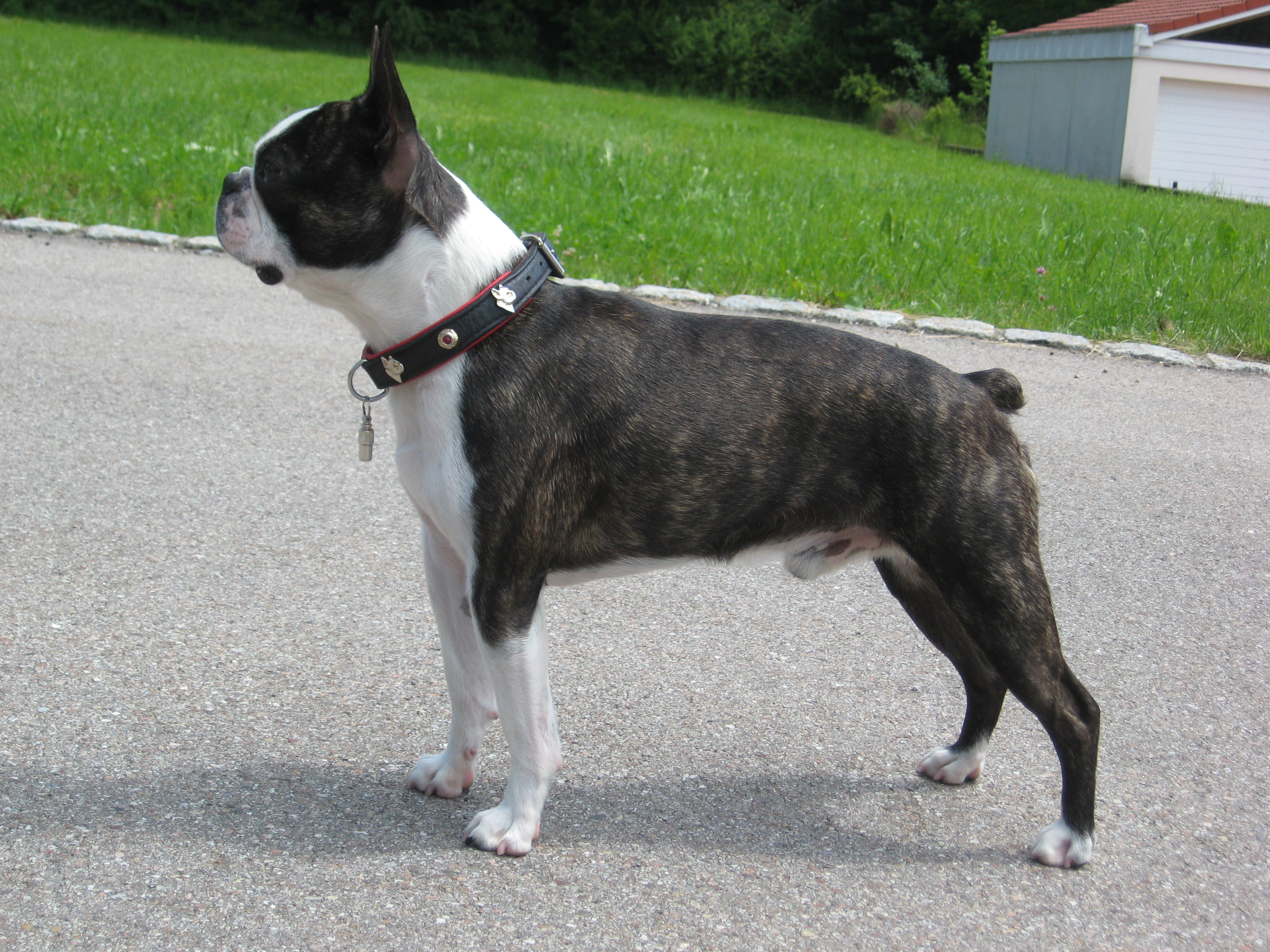
The breed standard for Boston Terriers, established by kennel clubs such as the American Kennel Club, categorizes them into three distinct weight classes. This differentiation is key to understanding their potential size. These classes are not about height but rather about how much the dog weighs at maturity, typically around 12 to 18 months of age.
Weight Classes and Their Implications
- Lightweight: These are the smallest Boston Terriers, typically weighing under 15 pounds (approximately 7 kg). They are wonderfully portable, making them ideal companions for travelers who prefer to take their pets along on excursions to various destinations. Their compact size allows them to comfortably fit under airplane seats, making air travel more feasible, and they can easily navigate smaller hotel rooms or rental apartments.
- Standard: The most common weight class for Boston Terriers falls between 15 and 20 pounds (approximately 7 to 9 kg). Dogs in this category still maintain a manageable size, offering a good balance between portability and a solid, sturdy build. They are well-suited for a variety of travel scenarios, from road trips to exploring cities like Boston or New York City.
- Open: This class includes Boston Terriers weighing over 20 pounds (approximately 9 kg), sometimes reaching up to 35 pounds (around 16 kg). While still considered a small to medium breed, these larger individuals require a bit more consideration for travel. They might necessitate larger travel crates, designated pet-friendly accommodations with more space, and careful planning for activities that might involve extensive walking or public transport.
Height and Body Structure
While weight is the primary classification factor, height also plays a role in a Boston Terrier’s overall size. At the shoulder (withers), a mature Boston Terrier typically stands between 15 and 17 inches (approximately 38 to 43 cm) tall. Their build is compact, muscular, and well-proportioned, giving them a sturdy rather than lanky appearance. Even the larger individuals within the “open” class will not exceed a height that categorizes them as a large breed. This inherent compactness is a significant advantage for those who enjoy an active lifestyle that incorporates their canine companions, whether exploring the parks of Paris or the beaches of California.
Factors Influencing a Boston Terrier’s Size
Several factors contribute to how big a Boston Terrier ultimately gets, and understanding these can help owners manage expectations and ensure their pet reaches a healthy adult weight.
Genetics and Bloodline
The most significant determinant of a Boston Terrier’s size is genetics. Dogs from reputable breeders who adhere to breed standards will generally produce offspring that fall within predictable size ranges. Bloodlines known for producing lighter or heavier individuals will pass these traits down. When considering a puppy, inquiring about the size of the parents and other relatives can provide a good indication of the potential adult size. This is particularly relevant when selecting a travel companion; if you envision frequent trips to places with strict pet policies or limited space, a lighter-weight Boston Terrier might be a more practical choice.
Nutrition and Diet
Proper nutrition is paramount during a Boston Terrier’s growth phase. A balanced diet tailored to their age and activity level supports healthy bone and muscle development. Overfeeding, especially during puppyhood, can lead to excessive weight gain, which can cause health problems and potentially result in a larger-than-average adult dog, even if genetics would have dictated a smaller size. Conversely, undernourishment can stunt growth.
- Puppyhood: High-quality puppy food formulated for small to medium breeds ensures adequate protein, vitamins, and minerals for optimal development. Portion control is essential to prevent rapid weight gain.
- Adulthood: Once fully grown, transitioning to an adult formula that maintains a healthy weight is crucial. For active Boston Terriers who accompany their owners on extensive travels or hikes, a slightly higher calorie intake might be necessary, but always under the guidance of a veterinarian.
Exercise and Activity Levels
While Boston Terriers are not known for requiring extensive exercise like some working breeds, regular physical activity plays a role in their overall development and health. Adequate exercise helps build lean muscle mass and prevents obesity, contributing to a well-proportioned physique.
- Daily Walks: Short to moderate daily walks are sufficient for most Boston Terriers. These outings are excellent opportunities for exploring local neighborhoods, parks, and even pet-friendly attractions in new cities.
- Playtime: Indoor play sessions and short bursts of outdoor activity, such as playing fetch in a hotel courtyard or a designated dog park, contribute to their fitness. Active dogs tend to have a more toned physique, which can influence their perceived size and how they carry themselves. For owners who plan frequent adventures to destinations like the Rocky Mountains or the coastal trails of Ireland, ensuring their Boston Terrier is fit and healthy is paramount.
Practical Considerations for Travel and Lifestyle
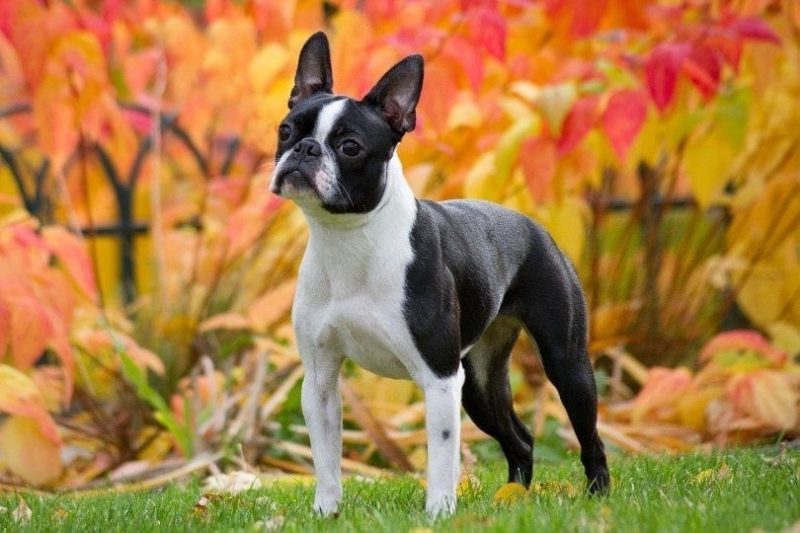
The size of a Boston Terrier has direct implications for various lifestyle choices, especially for those who embrace travel and an on-the-go existence.
Accommodation Choices
The size of your Boston Terrier can influence the types of accommodations you choose.
- Hotels and Resorts: Many hotels and resorts are pet-friendly, but size restrictions can apply. Lightweight and standard Boston Terriers are usually welcome without issue. Larger individuals might require confirmation of their weight and breed to ensure they meet the hotel’s policy. Consider hotels with ample outdoor space for potty breaks and exercise, such as the Kimpton Hotels known for their pet-inclusive policies, or resorts with dedicated pet amenities.
- Vacation Rentals: Apartments, villas, and cottages can offer more space and flexibility. A larger Boston Terrier will appreciate having more room to move around, especially during longer stays. Properties in cities like San Francisco or Austin often have charming backyards or are located near pet-friendly parks.
- Campsites and Glamping: For the more adventurous traveler, Boston Terriers of all sizes can be excellent camping companions. Their compact nature makes them easy to manage in tents or small camper vans. Destinations like Acadia National Park or the Great Smoky Mountains National Park offer beautiful outdoor experiences for you and your pet.
Transportation
The size of your Boston Terrier will dictate travel arrangements.
- Air Travel: Lightweight and standard Boston Terriers can often travel in a carrier that fits under the seat in the cabin. Open-class Boston Terriers might need to travel as checked baggage, depending on the airline’s specific regulations and the dimensions of their approved carriers. Always check with the airline well in advance.
- Car Travel: Boston Terriers are generally well-suited for road trips. A comfortable dog bed or a secured harness in the car ensures their safety. The size of the vehicle will, of course, influence how comfortably they can travel.
- Public Transportation: Navigating public transport, such as subways or buses in cities like London or Tokyo, often involves carrying your dog in a carrier. Lighter dogs are naturally easier to manage in these situations.
Activities and Daily Life
The size of your Boston Terrier also impacts the types of activities you can comfortably engage in.
- Urban Exploration: Their manageable size makes them excellent companions for exploring bustling cities, wandering through markets, or enjoying meals at outdoor cafes in destinations like Rome or Barcelona.
- Outdoor Adventures: While they can accompany you on hikes, their stamina is not comparable to larger breeds. Shorter hikes, leisurely strolls through parks, or visits to dog-friendly beaches are more appropriate. For owners who enjoy longer treks, ensuring your Boston Terrier is well-conditioned and not overexerted is key.
- Socialization: Their size makes them approachable and less intimidating in social settings, whether at a dog park in Sydney or during a casual meetup with fellow travelers.
Ensuring a Healthy and Well-Proportioned Boston Terrier
Regardless of their ultimate size, prioritizing a Boston Terrier’s health and well-being is paramount.
Veterinary Care
Regular check-ups with a veterinarian are essential throughout their life. This includes monitoring their growth, ensuring they are at a healthy weight, and addressing any potential health concerns common to the breed, such as breathing difficulties or eye issues. A vet can provide tailored advice on diet and exercise based on your individual dog’s needs.
Breed-Specific Considerations
Boston Terriers have certain physiological traits, such as their brachycephalic (short-nosed) structure, which can affect their tolerance for extreme temperatures and strenuous exercise. Owners should be mindful of this, especially when traveling to destinations with very hot or cold climates, or when planning rigorous outdoor activities. Understanding your dog’s limits is crucial for their safety and enjoyment.
Training and Temperament
A well-trained Boston Terrier, regardless of size, is a pleasure to travel with and integrate into various lifestyle settings. Early socialization and consistent training ensure they are well-behaved in public, around other people, and with other animals. This makes navigating accommodations, transportation, and tourist attractions much smoother.
In conclusion, while there’s a range to how big a Boston Terrier can get, their inherent charm and adaptable nature make them wonderful companions for a variety of lifestyles, particularly for those who enjoy exploring the world. By understanding their size standards, considering the influencing factors, and planning accordingly, owners can ensure their “American Gentleman” is a happy, healthy, and well-traveled member of the family.
LifeOutOfTheBox is a participant in the Amazon Services LLC Associates Program, an affiliate advertising program designed to provide a means for sites to earn advertising fees by advertising and linking to Amazon.com. Amazon, the Amazon logo, AmazonSupply, and the AmazonSupply logo are trademarks of Amazon.com, Inc. or its affiliates. As an Amazon Associate we earn affiliate commissions from qualifying purchases.