
While the primary focus of Life Out of the Box revolves around enriching your travel experiences, from exploring vibrant destinations and discovering unique attractions to finding the perfect accommodation and immersing yourself in local culture, we understand that life’s necessities can sometimes intersect with even the most adventurous plans. Access to healthcare is a fundamental aspect of well-being, impacting our ability to fully enjoy life, including travel and exploration. Therefore, understanding how to navigate essential services, like applying for Medicaid in Louisiana, is crucial for many residents. This guide aims to provide a clear and accessible overview of the process, ensuring that eligible individuals in the Pelican State can secure the healthcare coverage they need, allowing them to focus on their next great experience.

Understanding Louisiana Medicaid
Medicaid is a vital government program that provides health insurance to millions of Americans, including low-income individuals, families, pregnant women, elderly adults, and people with disabilities. In Louisiana, the program is administered by the Louisiana Department of Health (LDH) through its Medicaid program. Eligibility for Louisiana Medicaid is based on specific criteria related to income, household size, disability status, and age. It’s a comprehensive program designed to ensure that essential medical services are accessible to those who might otherwise struggle to afford them. This includes doctor visits, hospital stays, prescription drugs, and various other healthcare needs. By understanding the basics of the program, individuals can take the first step toward securing this crucial benefit.
Who is Eligible for Louisiana Medicaid?
Eligibility for Louisiana Medicaid is determined by several categories. Generally, you may be eligible if you meet the income and household size requirements for one of the following groups:
- Children: Children in low-income families are often eligible. The specific income limits vary based on the number of children and their age.
- Pregnant Women: Pregnant women with low incomes can receive Medicaid benefits to ensure they and their developing babies receive necessary prenatal and postnatal care.
- Parents and Caregivers: Parents or other relatives who are the primary caregivers for dependent children may be eligible if their household income falls within the program’s guidelines.
- Adults Under 65: For adults without dependent children, eligibility has been expanded through the Affordable Care Act. If your household income is below a certain percentage of the federal poverty level, you may qualify. This expansion has significantly broadened access to healthcare for many working adults in Louisiana.
- Elderly Adults (65 and older): Seniors with limited income and resources may qualify for Medicaid, often supplementing Medicare benefits to cover long-term care and other healthcare expenses.
- Individuals with Disabilities: People who are disabled and meet specific income and asset limits can receive Medicaid benefits to help cover medical costs, including personal care services and assistive devices.
It’s important to note that income limits are set as a percentage of the Federal Poverty Level and are subject to change. Louisiana also has specific rules regarding assets for certain eligibility groups, particularly for the elderly and individuals with disabilities. The most accurate and up-to-date information on eligibility categories and income thresholds can always be found on the official Louisiana Department of Health website or by contacting the relevant agency.
What Services Does Louisiana Medicaid Cover?
Louisiana Medicaid provides a broad range of healthcare services to its beneficiaries. The specific services covered can vary slightly depending on the eligibility group, but generally include:
- Physician Services: Doctor’s office visits, specialist consultations, and preventive care.
- Hospital Services: Inpatient and outpatient hospital care, including emergency room visits.
- Prescription Drugs: Coverage for most prescription medications, subject to formularies and prior authorization requirements.
- Laboratory and X-ray Services: Diagnostic tests to help identify and manage health conditions.
- Early and Periodic Screening, Diagnostic, and Treatment (EPSDT) Services: Comprehensive healthcare services for children under 21, including regular check-ups and necessary treatments.
- Dental Services: Routine and emergency dental care for children, and limited services for adults.
- Vision Services: Eye exams and coverage for eyeglasses for children, and limited services for adults.
- Mental Health Services: Behavioral health services, including counseling and therapy.
- Home and Community-Based Services (HCBS): Services that allow individuals to receive care in their homes or communities rather than in institutional settings, crucial for many seniors and individuals with disabilities.
- Transportation: Non-emergency medical transportation to and from appointments for eligible individuals.
The aim is to provide a comprehensive healthcare safety net, ensuring access to essential medical treatments and preventive care. Understanding the scope of coverage can help beneficiaries make informed decisions about their healthcare and utilize their benefits effectively.
How to Apply for Louisiana Medicaid
The application process for Louisiana Medicaid is designed to be accessible, with multiple options available for individuals to submit their applications. The primary entity responsible for processing applications is the Louisiana Department of Children and Family Services (DCFS). Familiarizing yourself with the steps involved will make the application smoother and more efficient.
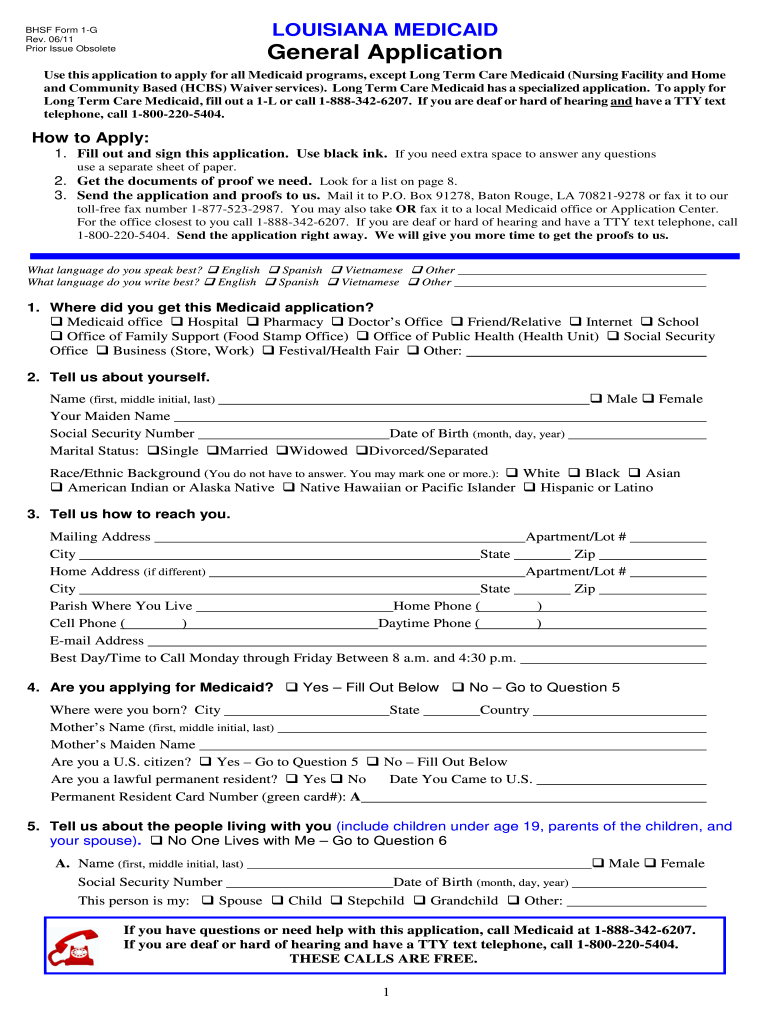
Step 1: Gather Necessary Information
Before you begin your application, it’s essential to gather all the required documentation. Having this information readily available will expedite the process. Key documents typically include:
- Proof of Identity: This can include a birth certificate, Social Security card, or driver’s license for all household members applying.
- Proof of Citizenship or Immigration Status: Documentation such as a birth certificate, U.S. passport, or lawful permanent resident card.
- Proof of Income: Pay stubs, unemployment benefits statements, Social Security award letters, pension statements, or any other documentation showing income for the last 30 days.
- Proof of Residency: A utility bill, lease agreement, or other official mail showing your address in Louisiana.
- Information about Household Members: Names, dates of birth, and Social Security numbers for all individuals in the household applying for Medicaid.
- Asset Information (if applicable): For certain eligibility categories, you may need to provide details about bank accounts, stocks, bonds, and other assets.
The specific documents required can vary based on your individual circumstances and the eligibility category you are applying under. It is always advisable to check the official Louisiana DCFS website or contact them directly for the most accurate and comprehensive list.
Step 2: Choose Your Application Method
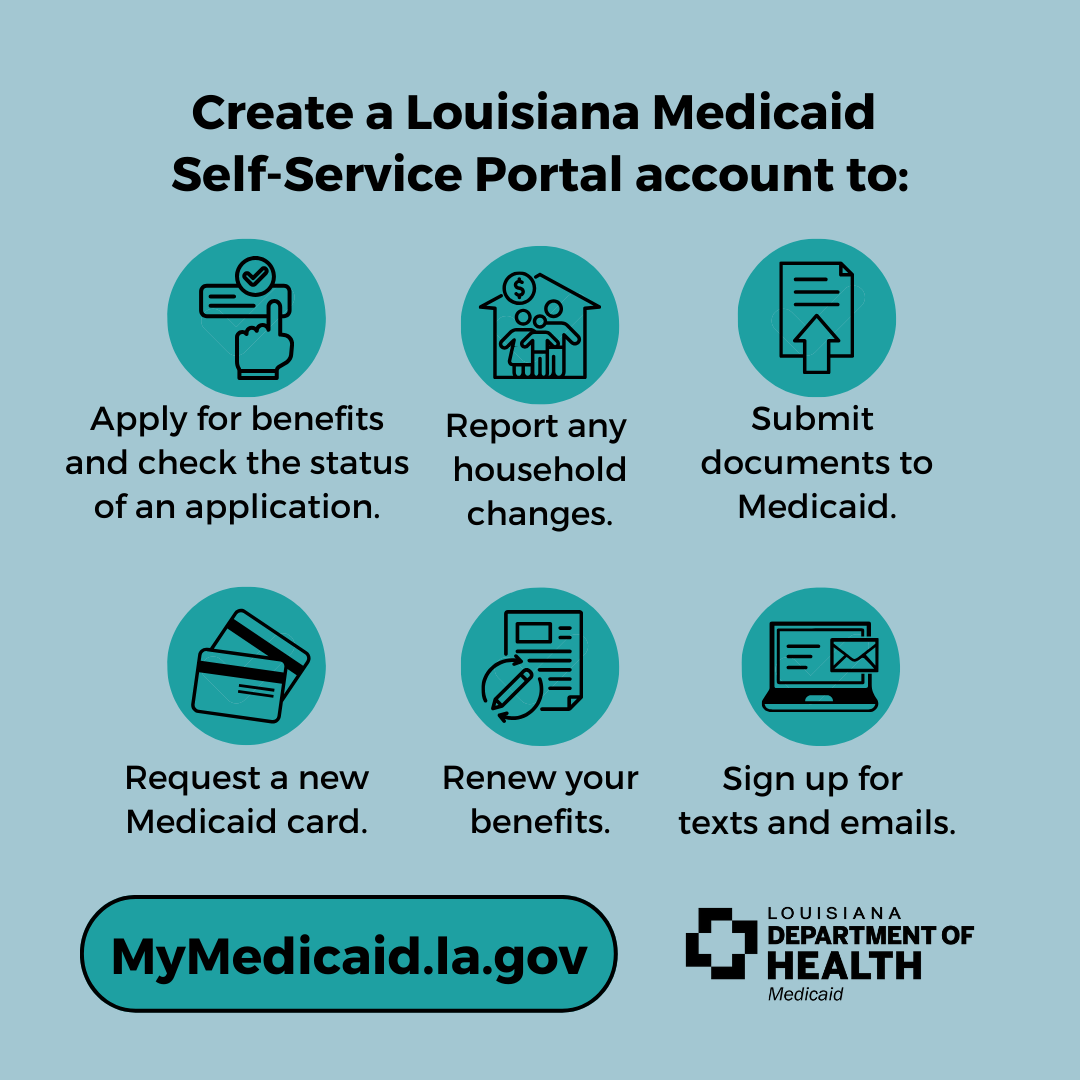
Louisiana offers several convenient ways to apply for Medicaid:
- Online Application: The fastest and most convenient method is to apply online through the LA CA$H website (www.lacash.la.gov). This portal allows you to create an account, fill out the application form, and upload supporting documents. It provides real-time application status updates and is available 24/7.
- In-Person Application: You can visit a local Louisiana DCFS office to apply in person. This is a good option if you need assistance with the application or prefer face-to-face interaction. You can find a list of office locations on the DCFS website.
- Mail or Fax: You can download an application form from the DCFS website, complete it, and mail or fax it to the appropriate office.
- Phone Application: In some cases, you may be able to start an application over the phone by calling the DCFS Customer Service Center.
The online application is generally recommended for its efficiency and ease of use. However, if you encounter any difficulties or have complex questions, the in-person or phone options can provide valuable support.
Step 3: Submit Your Application and Follow Up
Once you have completed the application form and gathered all necessary documents, submit them through your chosen method. If applying online, you will receive a confirmation and be able to track your application’s progress. If applying by mail or in person, you will receive a confirmation of receipt.
After submission, the Louisiana DCFS will review your application. They may contact you for additional information or clarification. It’s crucial to respond promptly to any requests to avoid delays. You will be notified of the decision on your eligibility. If approved, you will receive information on how to access your Medicaid benefits, often including a Louisiana Medicaid ID card. If your application is denied, you will receive a notice explaining the reason for the denial and information on how to appeal the decision. Staying organized and responsive throughout this process is key to a successful outcome.
Maintaining Your Louisiana Medicaid Coverage
Securing Louisiana Medicaid is a significant step, but it’s equally important to understand how to maintain your coverage. Eligibility is not permanent and is subject to periodic review. Proactive steps can help ensure you continue to receive the benefits you are entitled to without interruption.
Periodic Reviews and Renewals
Louisiana Medicaid beneficiaries are required to undergo periodic eligibility reviews, typically on an annual basis. This process is in place to ensure that individuals still meet the program’s requirements. You will receive a renewal packet in the mail or via your online account from the Louisiana DCFS. It is imperative to complete and return this packet promptly. This packet will ask for updated information regarding your income, household size, residency, and other relevant details.
Key actions for renewals include:
- Update Your Contact Information: Ensure your mailing address, phone number, and email address are up-to-date with DCFS. This is vital so you don’t miss important renewal notices.
- Respond Promptly: Complete and submit the renewal form by the deadline. Missing the deadline can lead to the termination of your benefits.
- Provide Accurate Information: Ensure all information provided is truthful and accurate. Any discrepancies can lead to complications.
- Keep Records: Retain copies of all submitted documents for your records.
Failure to complete the renewal process correctly and on time can result in the discontinuation of your Medicaid coverage.
Reporting Changes in Circumstances
Life circumstances can change, and it is your responsibility to report certain changes to Louisiana DCFS promptly. These changes can affect your eligibility for Medicaid. Examples of changes that should be reported include:
- Changes in Income: An increase or decrease in your earnings, or the earnings of other household members.
- Changes in Household Size: A new baby, a family member moving in or out, or a change in marital status.
- Changes in Residency: Moving to a new address within or outside of Louisiana.
- Changes in Employment Status: Gaining or losing a job, or starting a new business.
Reporting these changes can help ensure that your coverage remains accurate and that you are receiving the correct benefits for your current situation. You can report changes through the LA CA$H portal, by phone, or by visiting a local DCFS office.
Understanding Your Benefits and Rights
As a Medicaid recipient, you have certain rights and responsibilities. It’s important to understand what services your plan covers and how to access them. Your Louisiana Medicaid ID card is your key to accessing healthcare services. Familiarize yourself with the network of healthcare providers who accept Medicaid in your area.
If you have any questions about your benefits, coverage, or the application process, don’t hesitate to contact Louisiana Medicaid or the Louisiana Department of Health. They are there to provide assistance and ensure you can utilize your healthcare coverage effectively. While the intricacies of healthcare access might seem a world away from booking a boutique hotel in the French Quarter or planning a culinary tour of New Orleans, securing essential services like Medicaid ensures that residents have the foundational support needed to pursue all the enriching experiences that life, and Life Out of the Box, has to offer.
LifeOutOfTheBox is a participant in the Amazon Services LLC Associates Program, an affiliate advertising program designed to provide a means for sites to earn advertising fees by advertising and linking to Amazon.com. Amazon, the Amazon logo, AmazonSupply, and the AmazonSupply logo are trademarks of Amazon.com, Inc. or its affiliates. As an Amazon Associate we earn affiliate commissions from qualifying purchases.