
The iconic Hilton Hotels brand is a name synonymous with hospitality, luxury, and a global presence that spans continents. From the glittering towers of New York City to the sun-drenched beaches of Bali, Hilton properties offer travelers a consistent standard of quality and comfort. But when you check into a Hilton suite or enjoy the amenities of a Hilton resort, you might wonder: who actually owns this vast empire? The answer, like the hospitality industry itself, is complex and involves a multifaceted ownership structure.
The Hilton story is not one of a single individual or family holding all the reins. Instead, it’s a narrative of corporate evolution, strategic acquisitions, and the intricate workings of the public markets. Today, Hilton Worldwide Holdings Inc., the parent company of the Hilton brands, is a publicly traded entity. This means its ownership is distributed among its shareholders, a diverse group that can include individual investors, large institutional funds, pension plans, and mutual funds. These shareholders, in essence, collectively own the company.

Understanding the Hilton Empire: Brands, Ownership, and Management
To truly grasp who owns Hilton Hotels, we need to delve deeper into the corporate structure and the various ways the brand operates. It’s crucial to distinguish between owning the physical real estate and owning the brand and its management operations. This distinction is fundamental to understanding the modern hospitality landscape.
The Nuances of Hotel Ownership: Brand vs. Real Estate
The Hilton brand, encompassing a portfolio of distinct hotel brands like Waldorf Astoria Hotels & Resorts, Conrad Hotels & Resorts, Hilton Hotels & Resorts, Curio Collection by Hilton, DoubleTree by Hilton, Embassy Suites by Hilton, Tapestry Collection by Hilton, Hilton Garden Inn, Hampton by Hilton, Tru by Hilton, Homewood Suites by Hilton, and Home2 Suites by Hilton, is owned by Hilton Worldwide Holdings Inc. This parent company manages the brand’s reputation, sets operational standards, handles marketing and sales, and provides franchising and management services.
However, the physical buildings and land on which these Hilton hotels stand are often owned by separate entities. This is a common model in the hotel industry, known as asset-light strategy. Hilton primarily focuses on what it does best: brand management, hotel operations, and franchise development. It licenses its brands to third-party owners who then either hire Hilton to manage the property or operate it themselves under a franchise agreement.
- Franchise Model: In this scenario, an independent owner or company purchases the right to operate a Hilton branded hotel. They invest their capital in building or acquiring the property and are responsible for its day-to-day operations. In return, they pay fees to Hilton Worldwide Holdings Inc. for using the brand, access to its reservation system, marketing support, and adherence to Hilton’s quality standards. Many Hilton Garden Inn and Hampton by Hilton properties, for example, operate under this model.
- Managed Model: Here, Hilton Worldwide Holdings Inc. enters into a management agreement with a property owner. While the owner still retains ownership of the real estate, Hilton takes on the responsibility of managing the hotel’s operations. This includes hiring staff, overseeing guest services, implementing marketing strategies, and ensuring the hotel meets Hilton’s brand standards. This model is often employed for full-service and luxury properties, such as Waldorf Astoria or Conrad hotels, where the owner may not have extensive hospitality management experience or wants to leverage Hilton’s expertise.
This distinction is crucial. When you read about hotel sales or acquisitions, it’s often the real estate that is being bought or sold, not the Hilton brand itself. The brand remains under the umbrella of Hilton Worldwide Holdings Inc.
A Brief History of Hilton’s Ownership Journey
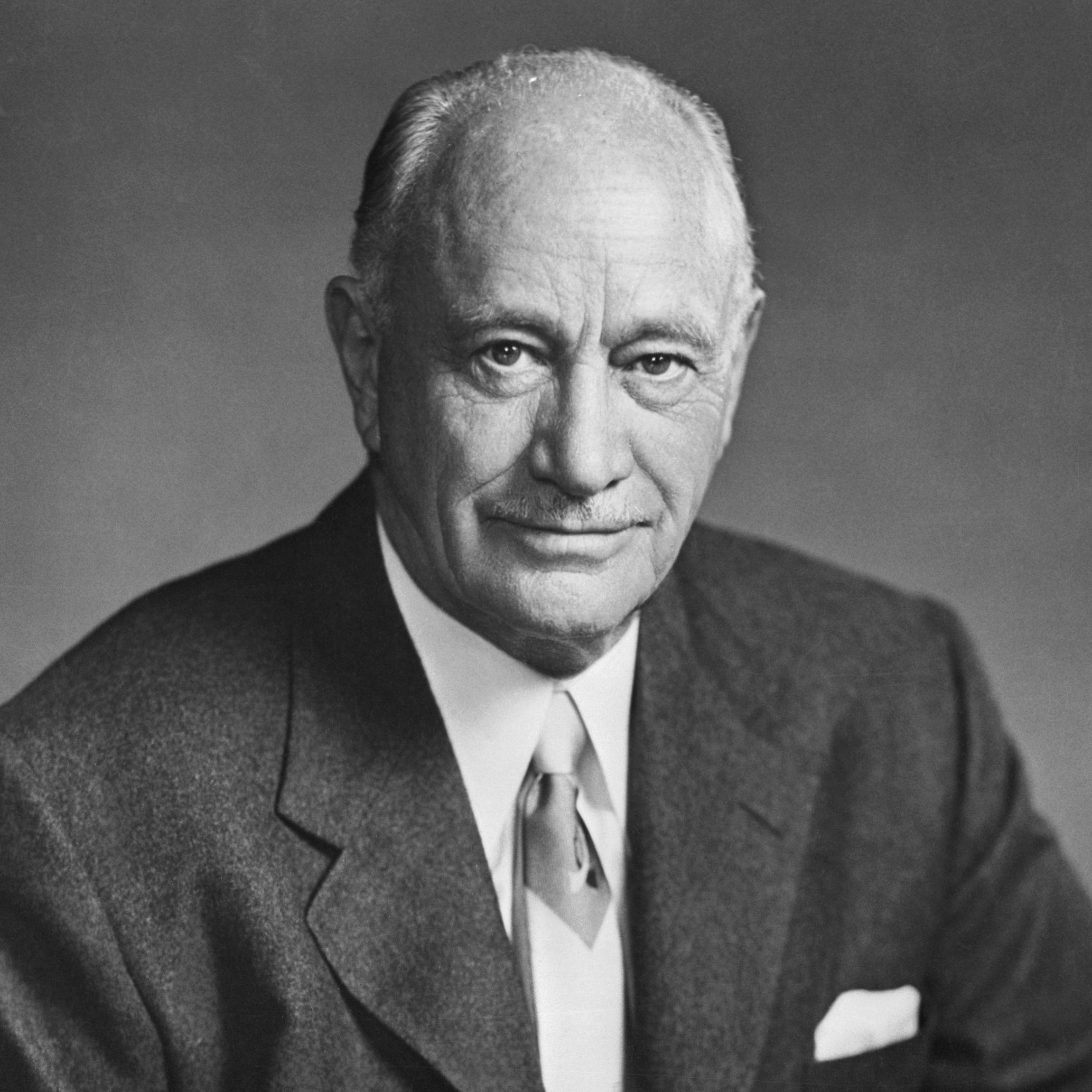
The ownership of Hilton Hotels has evolved significantly since its inception. Conrad Hilton purchased his first hotel, the Mobley Hotel, in Cisco, Texas, in 1919. Over the decades, the company grew, underwent public offerings, and saw periods of private ownership.
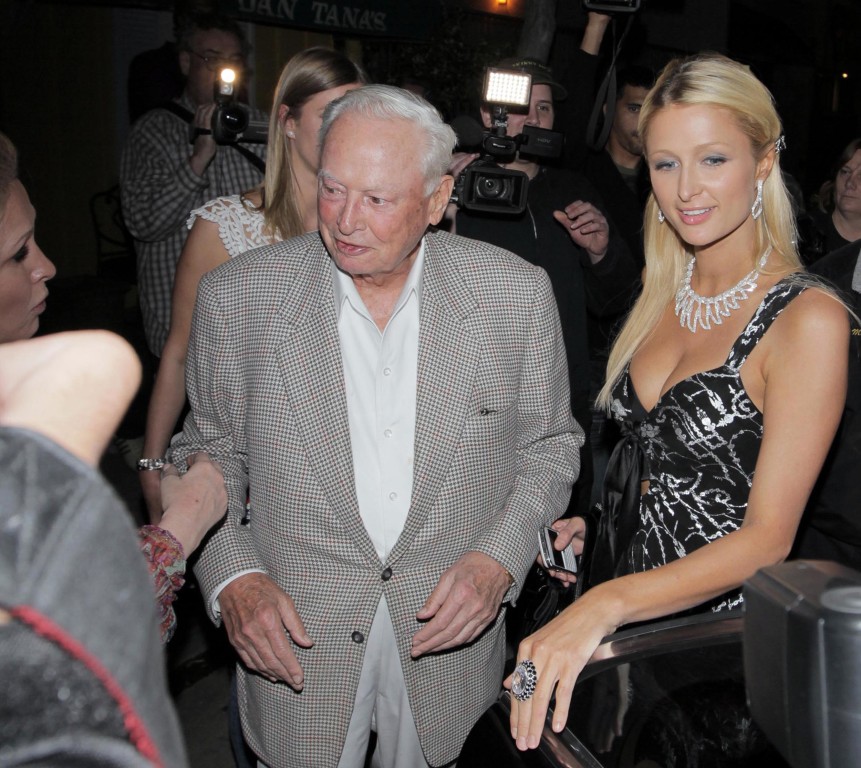
A pivotal moment in recent history was the acquisition of Hilton Hotels Corporation by the private equity firm Blackstone Group in 2007 for approximately $26 billion. Under Blackstone’s ownership, Hilton underwent significant restructuring and expansion. In 2013, Blackstone sold off its remaining stake in Hilton, marking the company’s return to the public market. Since then, Hilton Worldwide Holdings Inc. has been listed on the New York Stock Exchange, with its ownership primarily vested in its public shareholders.
This journey from a single hotel to a global hospitality giant, with its ownership evolving through various stages, highlights the dynamic nature of the business world and the strategic decisions that shape major corporations.
Navigating the Global Footprint: Hilton’s Diverse Portfolio
The sheer scale of Hilton’s operations is impressive. The company operates in over 120 countries and territories, boasting a portfolio of over 7,000 properties across its various brands. This global reach means that Hilton’s ownership structure is also influenced by regional regulations and investment landscapes.
Ownership Structures in Different Markets
While the overarching ownership of Hilton Worldwide Holdings Inc. resides with its shareholders, the specific ownership of individual properties can vary greatly depending on the local market. In some countries, real estate ownership laws might encourage direct ownership by hotel management companies, while in others, local partners or investment funds may hold significant stakes in the physical assets.
For instance, a luxury Waldorf Astoria property in Dubai might be owned by a sovereign wealth fund or a prominent local real estate developer, with Hilton Worldwide managing the operations under a long-term agreement. Conversely, a Hampton by Hilton in a less developed market might be a franchise operation owned by a local entrepreneur who invested in building the hotel to meet Hilton’s standards.
This decentralized approach to property ownership allows Hilton to expand its brand presence efficiently, leveraging local capital and expertise while maintaining control over brand standards and guest experience. It’s this intricate web of brand licensing, management contracts, and property ownership that allows Hilton to maintain its status as a global hospitality leader.
The Role of Shareholders and Institutional Investors
As a publicly traded company, the largest “owners” of Hilton Hotels are its shareholders. These can range from individual investors who buy shares through their brokerage accounts to massive institutional investors like mutual fund companies (e.g., Vanguard, BlackRock), pension funds, and hedge funds. These institutions often hold significant blocks of shares, giving them a considerable influence on the company’s governance and strategic direction through their voting rights at shareholder meetings.
The performance of Hilton Worldwide Holdings Inc. on the stock market, therefore, directly impacts the value of its shareholders’ investments. Factors such as occupancy rates, revenue per available room (RevPAR), expansion plans, and profitability all play a role in how investors perceive the company and its future prospects.
In conclusion, while the name “Hilton” evokes images of grand hotels and impeccable service, the ownership of this vast enterprise is not held by a single entity or individual. It is a testament to the power of public markets and strategic corporate structures, where Hilton Worldwide Holdings Inc. as the brand owner and operator, works in conjunction with a diverse array of property owners and a broad base of shareholders to deliver the exceptional experiences guests have come to expect from the Hilton portfolio. The next time you book a stay at a Hilton, remember that you are patronizing a brand owned by many, managed by experts, and built on a foundation of diverse ownership.
LifeOutOfTheBox is a participant in the Amazon Services LLC Associates Program, an affiliate advertising program designed to provide a means for sites to earn advertising fees by advertising and linking to Amazon.com. Amazon, the Amazon logo, AmazonSupply, and the AmazonSupply logo are trademarks of Amazon.com, Inc. or its affiliates. As an Amazon Associate we earn affiliate commissions from qualifying purchases.