
Navigating the healthcare landscape in Nevada can feel like a daunting task, especially when you are trying to balance the costs of living with the necessity of quality medical care. For many residents, understanding the eligibility requirements and application process for Medicaid is a vital step toward securing financial stability and health security. Whether you are a long-term resident of Las Vegas or have recently moved to the historic streets of Carson City, Medicaid serves as a cornerstone of public health support.
Understanding Medicaid Eligibility in Nevada
Medicaid is a joint federal and state program, which means that while it adheres to national guidelines, the specifics of implementation—and who qualifies—can vary by state. In the Silver State, the program is administered by the Division of Welfare and Supportive Services (DWSS).
Who Qualifies for Coverage?
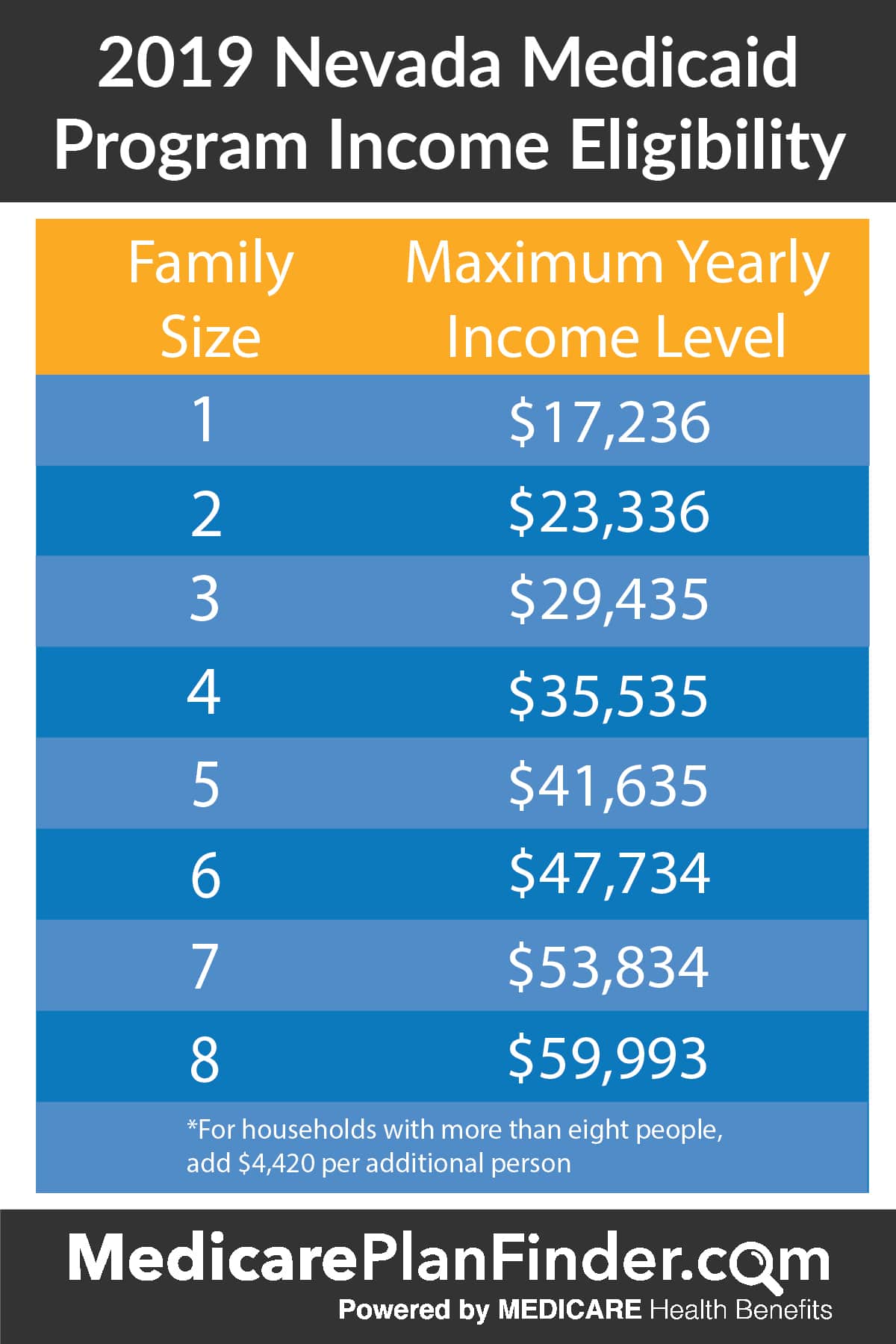
Eligibility is primarily determined by your household size and your Modified Adjusted Gross Income (MAGI). Nevada expanded its Medicaid program under the Affordable Care Act, which significantly broadened the pool of eligible adults. Generally, the program covers:
- Low-income families and children.
- Pregnant women meeting specific income criteria.
- Individuals aged 65 or older.
- People with disabilities, as defined by the Social Security Administration.
If you reside in the expansive suburbs of Henderson or the scenic outskirts of Reno, the financial threshold remains consistent across the state. It is essential to remember that even if you believe your income is slightly too high, you should still consider applying, as certain deductions—such as childcare costs or medical expenses—can sometimes shift your eligibility status.
The Role of Residency and Citizenship
To claim Medicaid in Nevada, you must be a resident of the state. This does not mean you must own property; it simply means you must maintain a home in the state with the intent to remain. Furthermore, you must be a U.S. citizen or hold a qualifying immigration status. Documentation such as a driver’s license from the Nevada Department of Motor Vehicles or a state-issued ID is typically requested to verify your residence.
The Application Process: Step-by-Step
Applying for benefits has become significantly more streamlined in recent years thanks to digital integration. You have several avenues to initiate your application, and selecting the right one can save you time and administrative frustration.
Applying Online Through ACCESS Nevada
The most efficient way to submit an application is through the ACCESS Nevada portal. This platform allows you to:
- Create an account to track the status of your application.
- Upload necessary documents, such as pay stubs, tax returns, and proof of identity.
- Receive notifications regarding your eligibility decision.
The portal is designed to guide you through the process, asking targeted questions that determine whether you qualify for Medicaid, SNAP (food assistance), or TANF (temporary assistance for needy families). If you are new to the system, taking the time to gather all your financial documents before logging in will make the process much smoother.
Alternative Submission Methods
While the digital route is highly recommended, it is not the only option. If you prefer in-person assistance, you can visit a local DWSS district office. There are locations scattered throughout the state, including in major hubs like North Las Vegas.
Staff members at these offices are trained to help individuals navigate the paperwork. If you have questions about whether your specific medical history or employment status impacts your claim, speaking with a caseworker can provide clarity that an automated website cannot. You may also request a paper application be mailed to you if you lack reliable high-speed internet access.
Managing Your Benefits and Renewals
Once you have been approved for Medicaid, your journey is not finished. Maintaining your eligibility is a proactive process that requires attention to detail throughout the year.
The Importance of Reporting Changes
One of the most common reasons individuals lose their Medicaid coverage is the failure to report “life changes” to the state. In Nevada, you are legally obligated to report changes in your household circumstances within 10 days. These changes include:
- A change in income (e.g., getting a new job or receiving a raise).
- A change in household size (e.g., marriage, birth of a child, or a family member moving out).
- A change in your contact information or address.
Updating your status through the ACCESS Nevada portal is the quickest way to ensure there is no lapse in your coverage. Failing to report a change could result in an overpayment of benefits, which you may eventually be required to pay back.
The Annual Redetermination Process
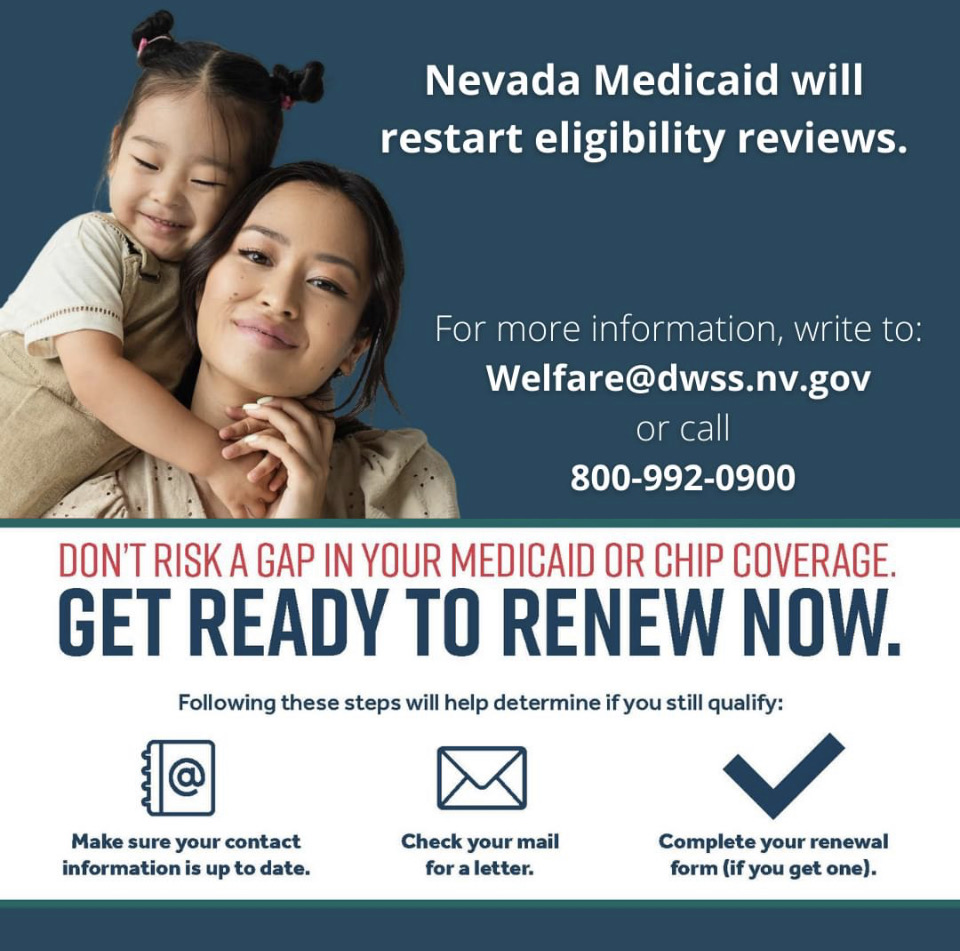
Medicaid eligibility is not a “set it and forget it” benefit. Every year, you will undergo a redetermination process to verify that you still meet the income and residency requirements. You will receive a notice via mail or through your online account when it is time to renew.
Do not ignore this notice. Even if your financial situation has not changed, the state requires current documentation to confirm your status. If you miss the deadline for redetermination, your benefits will automatically terminate, and you will have to reapply from scratch, which often involves a waiting period for new coverage to take effect.
Utilizing Your Medicaid Coverage in Nevada
After your application is approved, you will receive a Medicaid ID card. This card is your passport to medical services, ranging from primary care visits to prescription medications and emergency hospitalizations.
Finding a Provider
Not every doctor or specialist accepts Medicaid. When you are looking for a healthcare provider, ensure they are enrolled in the Nevada Medicaid network. You can search for participating providers through the Nevada Medicaid website or by calling the member services number on the back of your card.
If you live in more rural areas, such as near the Great Basin National Park, you may find that fewer providers are available within a short driving distance. In such cases, inquire about telehealth options, which have become a standard and accepted way to conduct non-emergency consultations.
Maximizing Available Services
Nevada’s Medicaid program is comprehensive, but members often underutilize the benefits available to them. Beyond doctor visits, your coverage may include:
- Routine dental and vision exams.
- Mental health and substance abuse counseling.
- Transportation assistance to and from medical appointments if you lack reliable transit.
- Case management for those with chronic health conditions.
By proactively managing your health through regular check-ups rather than waiting for an emergency, you not only improve your quality of life but also ensure that you remain in compliance with your plan’s requirements. Should you move to a new neighborhood, such as the vibrant Summerlin or the growing areas near Lake Tahoe, remember that your residency status remains key—update your address immediately to ensure your health insurance records accurately reflect your current life in the state.
Taking control of your healthcare starts with a clear understanding of these bureaucratic steps. By following the guidelines set forth by the state and staying diligent with your renewals, you can rest assured that you have the medical safety net necessary to thrive in Nevada.
LifeOutOfTheBox is a participant in the Amazon Services LLC Associates Program, an affiliate advertising program designed to provide a means for sites to earn advertising fees by advertising and linking to Amazon.com. Amazon, the Amazon logo, AmazonSupply, and the AmazonSupply logo are trademarks of Amazon.com, Inc. or its affiliates. As an Amazon Associate we earn affiliate commissions from qualifying purchases.