
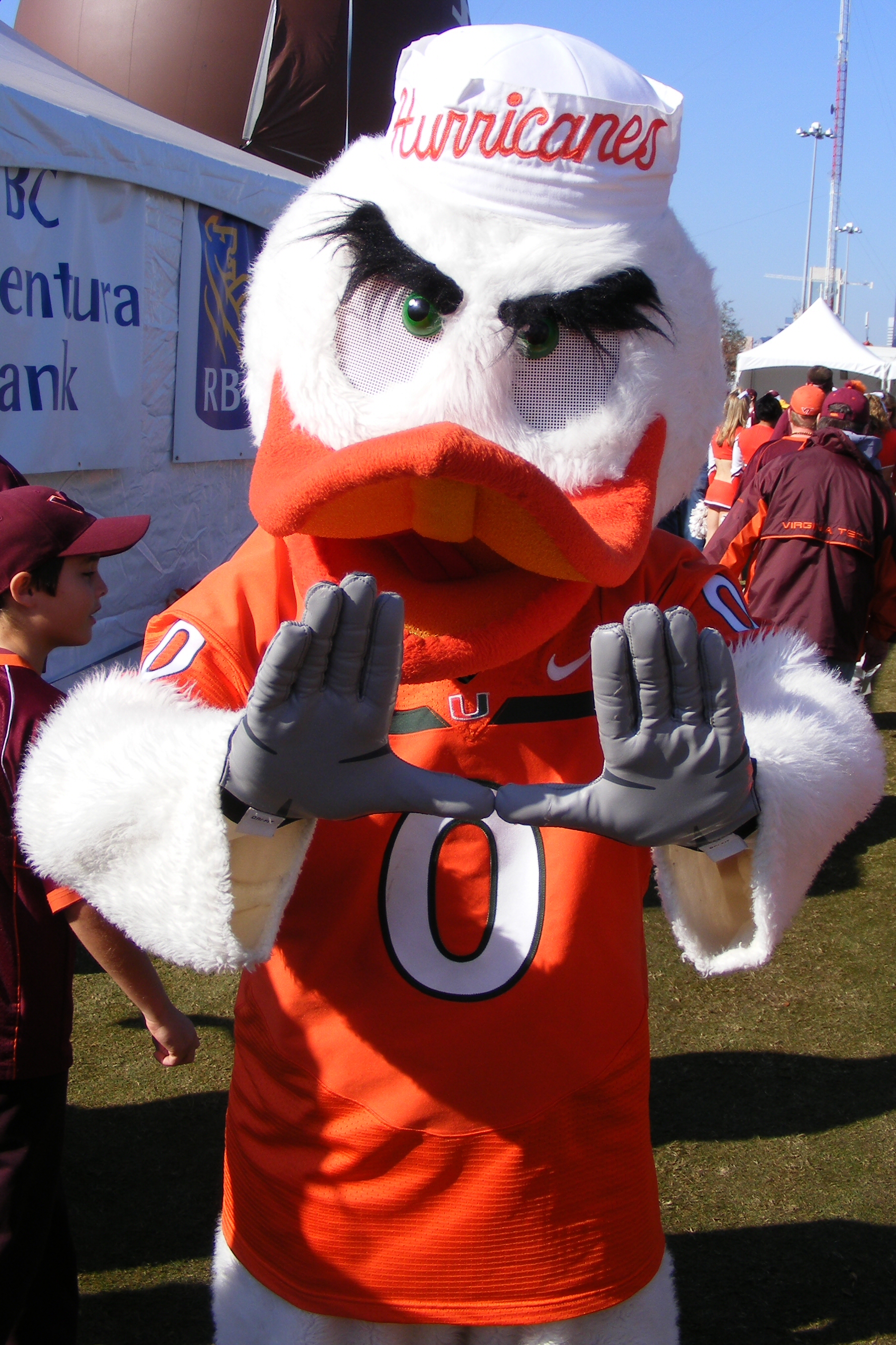
When visiting Coral Gables, a picturesque enclave within the vibrant landscape of Florida, one cannot help but notice the overwhelming presence of orange, green, and white. These colors define the spirit of the University of Miami, an institution that sits at the heart of the region’s academic and athletic identity. For tourists, prospective students, and sports enthusiasts alike, the question often arises: what exactly is the mascot that represents this powerhouse? The answer is Sebastian the Ibis, a figure as iconic to the local culture as the neon lights of Miami or the pristine sands of South Beach.
The Symbolism of the Ibis in Florida Culture
To understand why the University of Miami chose a wetland bird as its representative, one must delve into the unique ecosystem of South Florida. The American white ibis is a common sight in the Everglades and across the suburban lawns of the Sunshine State.
Resilience and Local Lore
According to folklore, the ibis is the last animal to flee before a hurricane and the first to return after the storm has passed. This trait of resilience made the bird the perfect symbol for a university that prides itself on strength, endurance, and the ability to thrive in the face of adversity. This deep connection to the regional environment serves as a bridge between the campus and the broader Florida landscape.
Architectural Presence
As you walk through the university campus, you will notice subtle artistic nods to the bird. It is not just a sports mascot; it is a cultural icon woven into the fabric of the university’s history. From the statues found in common areas to the merchandise sold at the University of Miami Bookstore, the Ibis serves as a unifying symbol for alumni and visitors.
Evolution of Sebastian the Ibis
While the Ibis has been the mascot since the university’s early days, its manifestation—Sebastian—has undergone several transformations to become the energetic character seen today at sporting events.
The Early Days of Representation
Before the modern costumed performer became a staple of the Hard Rock Stadium, the mascot was often represented by live birds or illustrated drawings. It wasn’t until the late 1950s that the first costumed version of Sebastian made his official appearance. This marked a shift from a mere logo to a high-energy performer capable of interacting with the crowd during high-stakes football games and university celebrations.
The Persona and Performance
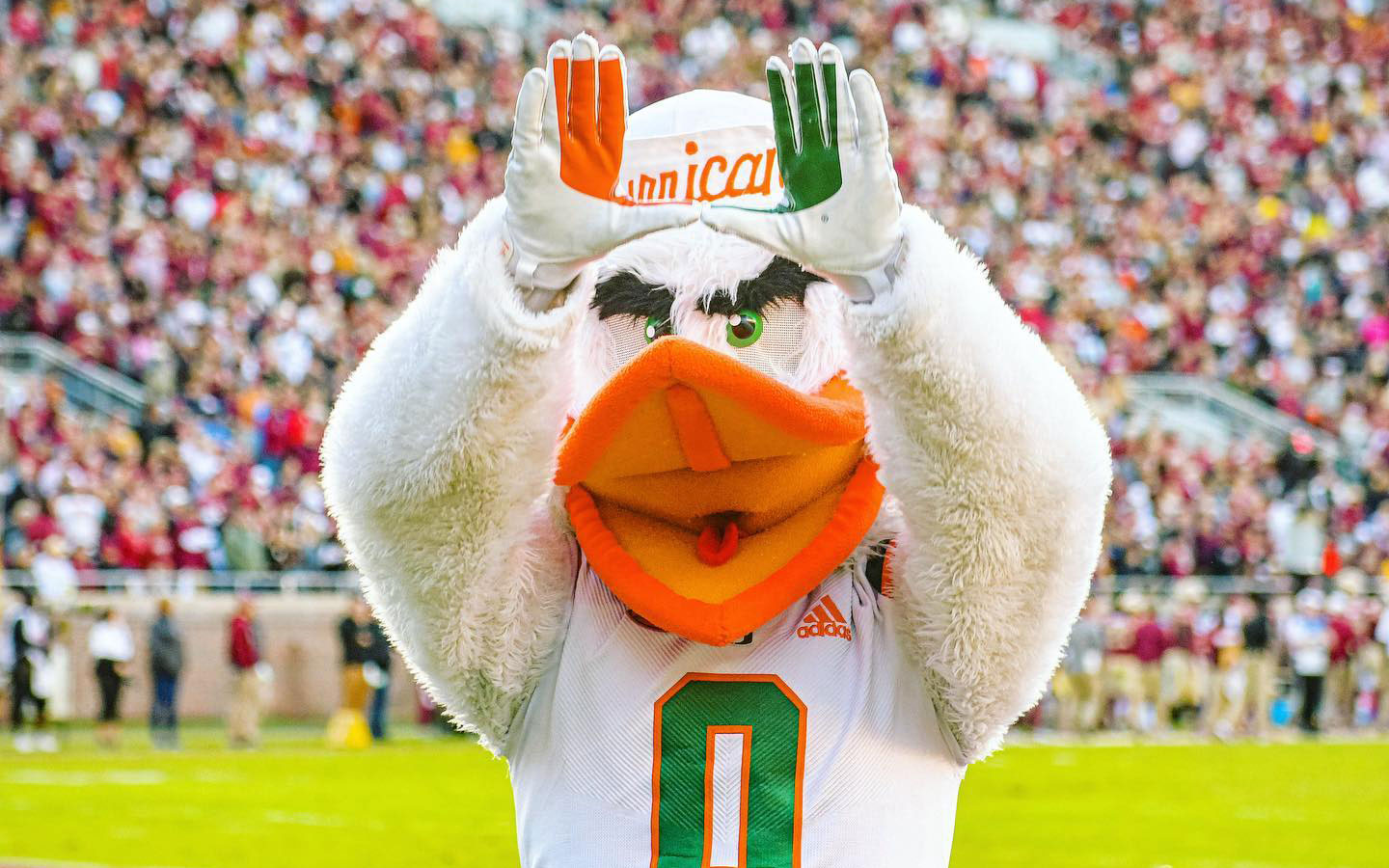
Sebastian is widely regarded as one of the most animated and recognizable mascots in collegiate sports. His performance style—often involving elaborate entrances, engaging with fans, and performing stunts—reflects the high-energy, entertainment-driven culture of Miami. For travelers attending a game, the performance of the mascot is often cited as a highlight of the NCAA experience, offering a uniquely American brand of showmanship.

The University of Miami as a Tourist Destination
Beyond the sports stadiums and the mascot, the University of Miami serves as a significant landmark for those exploring Coral Gables. The campus architecture, characterized by Mediterranean Revival influences, offers a aesthetic respite from the urban sprawl of the surrounding metropolitan area.
Exploring the Campus Grounds
Visitors often spend an afternoon walking through the Lowe Art Museum, which houses a diverse collection ranging from Renaissance paintings to indigenous artifacts. The lush, tropical landscaping provides a relaxing atmosphere that feels worlds away from the busy streets of Downtown Miami. It is a prime example of how educational institutions can function as cultural pillars within a tourism-heavy destination.
Proximity to Notable Landmarks
The strategic location of the university allows travelers to easily pair a campus visit with trips to nearby attractions. A short drive takes you to the historic Biltmore Hotel, a masterpiece of architecture that stands as a testament to the region’s early 20th-century development. Alternatively, outdoor enthusiasts can head toward Fairchild Tropical Botanic Garden to experience the diverse flora that makes Florida such a unique biome.
Why the Mascot Matters to Local Tourism
In the realm of Tourism, mascots like Sebastian serve as “humanized” landmarks. They provide a recognizable face for the community and help market the university—and by extension, the city—to a global audience.
Brand Identity and Souvenirs
For the casual visitor, purchasing a t-shirt or a hat featuring the Ibis is a popular way to commemorate a trip to South Florida. This branding extends the influence of the university into the souvenir markets of Bayside Marketplace and beyond. The mascot is not merely a sports figure; it is a piece of local identity that tourists carry home in their suitcases.
The Communal Experience of Sports Tourism
Sports-focused travel is a massive sector of the industry. When fans travel from across the United States to watch the Miami Hurricanes play, they aren’t just buying tickets for a game; they are buying into an experience that includes the mascot, the marching band, and the local traditions. Sebastian the Ibis acts as the conductor of this communal experience, guiding the emotional highs and lows of the game day environment.
Final Reflections for the Modern Traveler
When you visit Miami, take a moment to look past the beaches and the clubs. The culture is deeply rooted in institutions that hold tight to their history and symbols. Whether you are walking through the beautiful Coral Gables campus or catching a game at the Hard Rock Stadium, keep an eye out for the Ibis. It represents the spirit of a city that is always moving, always growing, and always resilient—much like the bird itself.
By understanding the significance of Sebastian, the traveler gains a deeper appreciation for the local pride that defines South Florida. It is these specific, localized nuances that transform a standard trip into a meaningful cultural exploration. From the halls of the University of Miami to the surrounding neighborhoods, the mascot remains a constant, cheering symbol of the unique energy that is unmistakably Miami.
LifeOutOfTheBox is a participant in the Amazon Services LLC Associates Program, an affiliate advertising program designed to provide a means for sites to earn advertising fees by advertising and linking to Amazon.com. Amazon, the Amazon logo, AmazonSupply, and the AmazonSupply logo are trademarks of Amazon.com, Inc. or its affiliates. As an Amazon Associate we earn affiliate commissions from qualifying purchases.