
Understanding the legal landscape surrounding property occupation is crucial, especially when discussing long-term dwelling outside conventional rental or ownership frameworks. While the term “squatters’ rights” often conjures images of unauthorized occupation, its legal basis in California is formally known as adverse possession. This complex legal doctrine outlines specific conditions under which a person can potentially gain legal title to property without the owner’s explicit permission, essentially becoming a form of non-traditional long-term accommodation. For individuals seeking to understand the nuances of long-term stays, whether as a property owner or an occupant, delving into adverse possession laws in California provides a unique perspective on property rights and occupancy.

Understanding Adverse Possession as a Form of Long-Term Accommodation
Adverse possession is not a simple concept of merely occupying an empty space; it is a stringent legal process with demanding requirements. In the context of “accommodation,” it represents the most extreme and legally challenging form of securing a long-term place to reside, distinctly separate from standard housing solutions like renting an apartment, owning a home, or even extended stays in serviced apartments or vacation rentals.
Defining Squatters’ Rights in a Legal Context
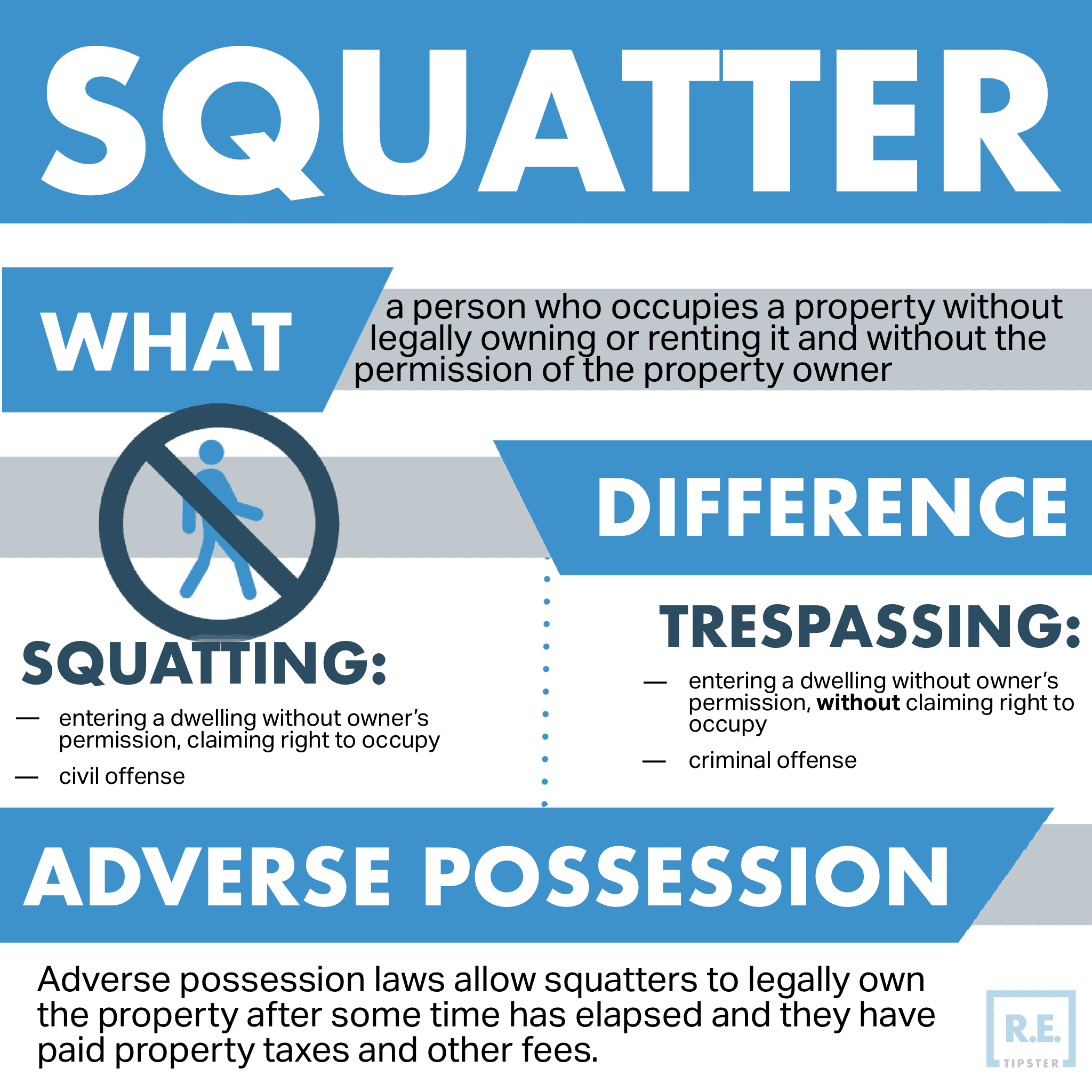
In California, “squatters’ rights” refers to the legal principle of adverse possession, which allows an individual to claim legal ownership of land or property if they meet specific criteria over a prescribed period. This is not an endorsement of unauthorized entry but rather an explanation of a historical legal mechanism. The intent behind adverse possession laws was to ensure productive use of land and to resolve property boundary disputes, rather than to facilitate the taking of property. From the perspective of long-term accommodation, it’s a rare and often litigious route to establishing a permanent dwelling, contrasting sharply with the security and legal clarity offered by traditional housing agreements.
Distinguishing from Tenancy and Trespassing
It is critical to differentiate adverse possession from both tenancy and simple trespassing. Trespassing involves entering or remaining on someone’s property without permission, with no intention or legal right to claim ownership, and it carries immediate legal consequences. Tenancy, on the other hand, is a contractual agreement for accommodation where an individual pays rent to an owner for the right to occupy a property for a specified period, enjoying clear legal protections and responsibilities. Adverse possession sits in a distinct legal space, characterized by an occupant’s open, notorious, and non-permissive use of land with the ultimate goal of acquiring title, rather than a temporary stay or an outright unlawful entry without intent to claim. The occupant, in this scenario, is effectively asserting a claim to permanent accommodation, albeit without the owner’s consent.
The Five Essential Elements for Adverse Possession in California
For an individual to successfully claim adverse possession in California, they must satisfy five strict legal requirements, each of which must be proven in court. These elements collectively demonstrate that the claimant has treated the property as their own for an extended period, publicly and without the true owner’s permission.
Actual Possession: Occupying the Property
The claimant must demonstrate “actual possession” of the property. This means they must physically occupy the land and use it as an owner would. This isn’t passive observation; it requires tangible acts of ownership such as living on the property, making improvements, maintaining the grounds, or enclosing the area. For someone seeking long-term accommodation, this translates to actively residing on and managing the property as if it were their undisputed home. Merely visiting occasionally or storing items is generally insufficient. The use must be consistent and indicative of a permanent dwelling.
Open and Notorious Possession: Visibility to the Owner
“Open and notorious” possession means that the occupation must be visible and obvious to the true owner and to the community. The adverse possessor cannot hide their presence; their occupation must be public enough that a reasonably diligent owner would become aware of it. This element prevents secret occupation from forming the basis of a claim. It ensures that the true owner has an opportunity to discover the adverse possession and take legal action to reclaim their property. For an occupant, this means living openly on the property, not attempting to conceal their long-term stay.
Hostile Claim: Occupying Without Permission
The term “hostile” in this context does not necessarily imply malice or ill will. Instead, it means that the occupation must be without the true owner’s permission. If the owner has granted permission (e.g., through a lease, rental agreement, or even an informal verbal consent), the occupation is not considered hostile, and adverse possession cannot be claimed. There are typically three interpretations of “hostile”:
- Claim of Right: The possessor intends to claim the land as their own.
- Color of Title: The possessor believes they have a valid deed to the property, even if it’s legally flawed.
- Simple Occupation: The possessor occupies the land knowing they don’t have legal right but intend to make it theirs.
Regardless of the interpretation, the crucial point is the absence of the owner’s consent for the long-term stay.
Continuous and Uninterrupted Possession: The Five-Year Requirement

The adverse possessor must maintain continuous and uninterrupted possession of the property for a statutory period. In California, this period is five years. This means the occupant must live on or use the property without significant breaks in possession. Abandoning the property for a period, even briefly, can break the continuity. Furthermore, if the true owner attempts to reclaim the property or initiates legal proceedings during this five-year window, it can interrupt the continuous possession, resetting the clock for the adverse possessor. This element underscores the commitment required for such an unconventional long-term accommodation.
Payment of Property Taxes: A Critical California Mandate
Perhaps the most challenging and distinctive requirement for adverse possession in California is the mandate that the adverse possessor must have paid all state and county property taxes on the property for the entire five-year statutory period. This is a very difficult hurdle to overcome, as property tax bills are typically sent directly to the record owner, and it is usually not possible for an unauthorized occupant to simply start paying taxes on someone else’s property without the owner’s knowledge or consent, or without a legal dispute over ownership already underway. This particular requirement significantly limits the practical application of adverse possession as a route to obtaining long-term accommodation in California, making it far more complex than in many other states.
Legal Ramifications for Property Owners and Occupants
The legal process of adverse possession carries significant ramifications for both the rightful property owner and the individual attempting to claim the property. It is a highly contentious area of law, almost always involving court disputes and substantial legal costs.
Owner’s Rights and Recourse: Eviction Proceedings
Property owners in California have clear legal rights to protect their property against unauthorized occupation. If an owner discovers someone on their property without permission, they can initiate eviction proceedings or an unlawful detainer action to remove the occupant. Taking prompt legal action is crucial, as allowing an occupant to remain undisturbed for an extended period could inadvertently strengthen a potential adverse possession claim. Owners should regularly monitor their properties, particularly vacant ones, to prevent such claims from arising. This proactive approach helps maintain the integrity of their investment and control over their long-term assets.
The Burden of Proof for the Adverse Possessor
The burden of proof rests entirely on the individual claiming adverse possession. They must present compelling evidence to the court that they have met every single one of the five elements mentioned above for the entire five-year period. This often involves detailed documentation, witness testimonies, and financial records (especially concerning property tax payments). Failing to prove even one element means the claim will be denied, and the occupant will be deemed a trespasser subject to immediate removal. This high bar makes successful adverse possession claims exceptionally rare.
Potential Legal Challenges and Costs
Attempting to claim adverse possession, or defending against such a claim, is a legally complex and expensive undertaking. Both parties typically incur significant legal fees for attorneys, court costs, and potentially expert witnesses (e.g., land surveyors). The process can be lengthy, emotionally draining, and financially burdensome, often stretching over years in the court system. For someone considering adverse possession as a route to long-term accommodation, these challenges highlight the immense difficulties and financial risks involved, making it an impractical and ill-advised strategy compared to legitimate housing options.
Broader Implications for Long-Term Dwelling and Property Ownership
While “squatters’ rights” might appear as a loophole for obtaining property, a deeper look reveals it as a formidable legal challenge rather than an easy path to long-term dwelling. Its existence largely serves historical purposes and specific property boundary disputes, not as a common method for securing a place to live.
The Rarity and Difficulty of Successfully Claiming Adverse Possession
Given the stringent requirements, particularly the payment of property taxes for five consecutive years, successfully claiming adverse possession in California is exceedingly rare. Most attempts fail because claimants cannot meet all criteria, or because the true owner intervenes long before the statutory period is met. The legal system is designed to protect property owners’ rights, and adverse possession is an exception to that protection, applied only under the most specific and clearly proven circumstances. It is by no means a guaranteed or straightforward method of acquiring accommodation.
Alternatives for Secure Long-Term Accommodation
For anyone seeking secure and legitimate long-term accommodation in California, exploring traditional and legally sound avenues is always the most advisable course. This includes:
- Renting: Engaging in a formal lease agreement for an apartment, house, or condo offers clear rights and responsibilities for both tenant and landlord.
- Purchasing Property: Acquiring property through conventional real estate transactions provides undeniable ownership and security.
- Long-Term Rentals and Sublets: Exploring extended-stay options, furnished apartments, or sub-leasing agreements can provide flexibility and stability.
- Homeless Shelters and Assistance Programs: For those facing housing insecurity, numerous governmental and non-profit organizations offer resources and support for safe, temporary, and sometimes long-term housing solutions.
Understanding adverse possession is important for property owners to protect their assets and for the public to comprehend a niche aspect of property law. However, as a strategy for securing long-term accommodation, it is fraught with legal peril, difficulty, and uncertainty, underscoring the value of established and legal pathways to housing.
LifeOutOfTheBox is a participant in the Amazon Services LLC Associates Program, an affiliate advertising program designed to provide a means for sites to earn advertising fees by advertising and linking to Amazon.com. Amazon, the Amazon logo, AmazonSupply, and the AmazonSupply logo are trademarks of Amazon.com, Inc. or its affiliates. As an Amazon Associate we earn affiliate commissions from qualifying purchases.