
Embracing Southern Culinary Tradition Through Barbecue
For many who explore the rich tapestry of American culture, the culinary landscape of the Southern United States stands as an irresistible attraction. At the heart of this gastronomic tradition lies barbecue, a slow-cooked art form that transcends mere cooking to become a cherished social ritual. Among its most iconic dishes is pulled pork, typically derived from a Boston Butt – the upper part of the pork shoulder. This succulent, smoky delicacy is not just food; it’s a narrative of community, heritage, and the quintessential hospitality of the American South.

For the discerning tourist seeking to immerse themselves in local culture, understanding and even attempting to recreate regional dishes offers an unparalleled experience. While visiting celebrated barbecue joints in destinations like Memphis, Kansas City, or the Carolinas is an essential part of any culinary tour, bringing that experience home – literally – elevates the journey. Learning how to cook a Boston Butt on your own gas grill transforms a passive appreciation into an active engagement with Southern food culture, offering a tangible “activity” and invaluable “tips” for replicating authentic flavors long after your travels conclude. It’s about capturing the essence of a place through its most beloved flavors, allowing you to share a piece of your adventures with friends and family, making it an ideal souvenir for the culinarily curious traveler.
The Gas Grill: A Tourist’s Gateway to Authentic Barbecue
The allure of pit-smoked barbecue, with its deep bark and tender interior, often conjures images of massive offset smokers or brick pits. While these traditional setups are iconic, they’re rarely practical for the average home cook or a tourist looking to replicate the experience post-travel. This is where the humble gas grill shines as an accessible and highly effective alternative. With the right techniques, your standard gas grill can be transformed into a surprisingly capable low-and-slow cooking apparatus, offering a gateway for culinary explorers to recreate the magic of Southern barbecue without specialized equipment. Embracing your gas grill for this endeavor is not a compromise but an ingenious adaptation, proving that authentic flavors are within reach for anyone dedicated to the craft.
Selecting Your Boston Butt: A Primer for Culinary Explorers
The journey to perfect pulled pork begins at the butcher’s counter. A Boston Butt, despite its name, comes from the front shoulder of the pig, not the rear. It’s prized for its rich marbling, connective tissue, and bone, all of which render down during slow cooking to create incredibly moist and flavorful meat.
When selecting your butt, aim for one weighing between 6-9 pounds (2.7-4 kg). A bone-in butt is often preferred by purists as the bone can impart extra flavor and assist in even heat distribution, though boneless varieties work perfectly well. Look for good marbling – streaks of fat throughout the muscle – which is crucial for moisture and tenderness. A firm, pinkish-red color indicates freshness. Don’t be shy to ask your local butcher for advice, as they are often a treasure trove of local culinary wisdom, a tip invaluable to any food tourist.
The Rub: A Flavor Journey
The dry rub is the soul of Southern barbecue, a protective and flavorful crust that develops into the coveted “bark.” While regional variations abound, a classic rub typically balances sweet, savory, and spicy elements. You can purchase excellent pre-made rubs, often inspired by specific regional styles, or create your own with pantry staples.
A simple, effective rub can consist of:
- 1/2 cup brown sugar
- 1/4 cup paprika
- 2 tablespoons salt
- 2 tablespoons black pepper
- 1 tablespoon garlic powder
- 1 tablespoon onion powder
- 1 tablespoon chili powder
- 1 teaspoon cayenne pepper (adjust to your spice preference)
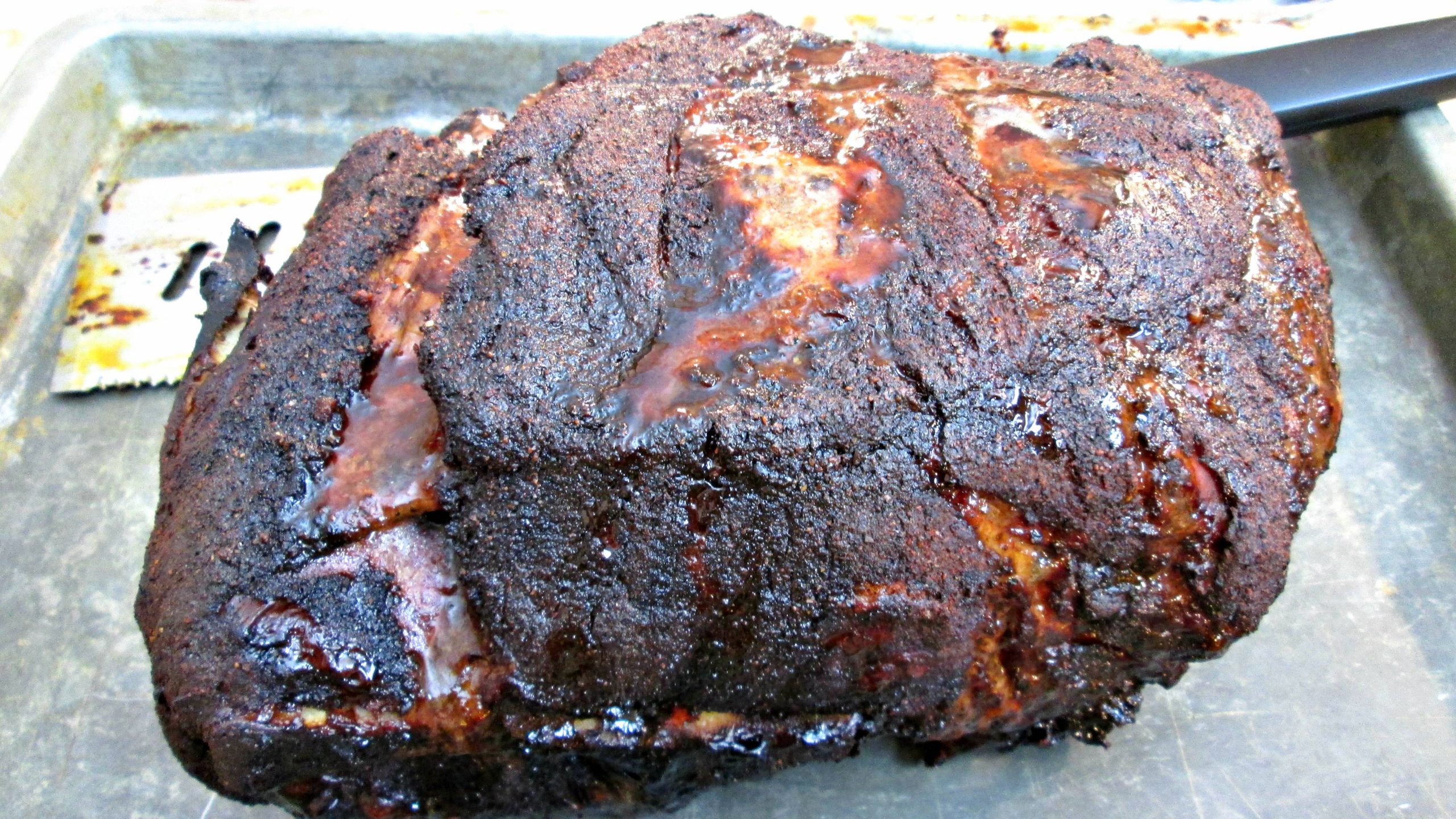
Mix all ingredients thoroughly. Pat your Boston Butt dry with paper towels, then generously coat it on all sides with the rub, pressing gently to adhere. For maximum flavor penetration, apply the rub 12-24 hours before cooking and let the butt rest, uncovered, in the refrigerator. This allows the rub to work its magic, creating a beautiful flavorful crust.
Low and Slow: The Heart of Pulled Pork Artistry
The secret to fork-tender pulled pork lies in maintaining a consistent low temperature over many hours. This technique breaks down the tough connective tissues in the pork shoulder, transforming them into gelatin and rendering the fat, resulting in a supremely moist and tender product.
- Prepare Your Gas Grill for Indirect Heat: The key to smoking on a gas grill is indirect heat. Turn on one or two burners on one side of your grill (e.g., the far right) to a medium-low setting. Leave the burners directly under where the pork will sit off. Your goal is to achieve a consistent grill temperature between 225-275°F (107-135°C). Use an accurate grill thermometer, not just the built-in lid thermometer, as they can be notoriously inaccurate.
- Add Smoke Flavor: This is crucial for replicating the authentic barbecue experience. Use a smoker box or simply wrap wood chips (soaked for 30 minutes in water) in a foil packet with a few holes poked in it. Place this packet directly over your lit burners. Good wood choices for pork include hickory, oak, or fruit woods like apple or cherry, each imparting a distinct flavor profile common in various Southern regions. Replenish wood chips every 45-60 minutes until the butt reaches about 160°F (71°C) internal temperature.
- Place the Pork: Once your grill is stable at the target temperature and producing smoke, place the seasoned Boston Butt on the unlit side of the grill, fat side up. Close the lid and resist the urge to peek frequently, as every time you open the lid, heat and smoke escape, prolonging the cooking process.
- Monitor Temperature: Use a reliable leave-in meat thermometer inserted into the thickest part of the butt, avoiding the bone, to track its internal temperature. The cooking time for a Boston Butt is lengthy, typically 1.5 to 2 hours per pound, but it’s done when it’s done, not by the clock.
The Art of the Spritz and Wrap
As your Boston Butt cooks, you’ll likely encounter “the stall.” This is a phenomenon where the internal temperature plateaus, often around 150-165°F (65-74°C), as moisture evaporates from the surface, cooling the meat. It can be frustrating, but it’s a normal part of the process.
To combat the stall and ensure moisture, consider spritzing the butt every hour or so after the first 3-4 hours of cooking. A simple spritz of apple cider vinegar, apple juice, or even plain water can help keep the surface moist and enhance the bark.
To push through the stall and accelerate cooking, many pitmasters employ the “Texas Crutch.” Once the internal temperature reaches around 160-170°F (71-77°C) and you’re happy with the bark development, wrap the Boston Butt tightly in heavy-duty aluminum foil or butcher paper. This traps moisture and heat, allowing the temperature to climb more quickly. Return the wrapped butt to the grill and continue cooking until it reaches a final internal temperature of 200-205°F (93-96°C) and is probe-tender, meaning a skewer or thermometer slides in with very little resistance, like soft butter.
The Grand Finale: Resting, Pulling, and Serving
The moment your Boston Butt hits the target temperature, the cooking is not over. The most critical step before pulling is resting. Remove the wrapped butt from the grill and place it in an insulated cooler (without ice) or on a counter, wrapped in a towel, for at least 1-2 hours. This resting period allows the muscle fibers to relax and reabsorb juices, resulting in incredibly moist and tender pulled pork. Skipping this step is a common mistake and will lead to dry meat.
Once rested, unwrap the butt. The bone, if present, should slide out easily. Using two forks, bear claws, or even clean gloved hands, begin to pull the meat apart. Discard any large pieces of fat or gristle, though some rendered fat adds incredible flavor. You can lightly shred the bark into the meat for added texture and flavor.
Serving your homemade pulled pork is where your culinary tourism truly comes alive. Pile the tender meat high on soft buns for classic sandwiches. Offer a variety of sauces, perhaps a tangy, vinegar-based Carolina sauce or a sweet, smoky Kansas City style sauce, allowing diners to customize their experience. Serve alongside traditional Southern sides such as creamy coleslaw, baked beans, and cornbread for an authentic barbecue feast.

Beyond the Grill: Integrating Pulled Pork into Your Travel Memories
Mastering the art of cooking a Boston Butt on a gas grill is more than just acquiring a new recipe; it’s an immersive dive into the vibrant food culture of the South. This “activity” allows you to recreate the sensory memories of your travels, bringing the smoky aroma and rich flavors of Southern barbecue to your own backyard.
Host a Southern-themed gathering for friends and family, sharing not only a delicious meal but also the stories of your travels and the cultural significance of this beloved dish. The process of preparing and enjoying pulled pork, from selecting the meat to perfecting the slow cook, becomes a living souvenir, a culinary skill that enhances your appreciation for regional cuisines. This hands-on approach to food tourism offers a deeper, more personal connection to the places you explore, ensuring that the tastes and traditions of your destinations linger long after your journey has ended.
LifeOutOfTheBox is a participant in the Amazon Services LLC Associates Program, an affiliate advertising program designed to provide a means for sites to earn advertising fees by advertising and linking to Amazon.com. Amazon, the Amazon logo, AmazonSupply, and the AmazonSupply logo are trademarks of Amazon.com, Inc. or its affiliates. As an Amazon Associate we earn affiliate commissions from qualifying purchases.