
Navigating the intricacies of business registration and taxation can be a formidable task, particularly for those new to the entrepreneurial landscape or expanding operations into a new state. For businesses operating within the vast and dynamic economic ecosystem of Texas, understanding how to obtain a Tax ID is a fundamental step towards legal compliance and efficient operation. This guide will demystify the process, providing a clear roadmap for securing the necessary identification numbers that are crucial for tax filings, banking, and various business transactions.
Understanding Tax Identification Numbers in Texas
Before delving into the “how-to,” it’s essential to grasp what a Tax ID is and why it’s indispensable for businesses in Texas. Essentially, a Tax ID serves as a unique identifier for tax purposes. The most common and widely recognized Tax ID is the Employer Identification Number (EIN), also known as a Federal Tax Identification Number. This is issued by the Internal Revenue Service (IRS) and is required for most business structures, including corporations, partnerships, and sole proprietorships with employees.
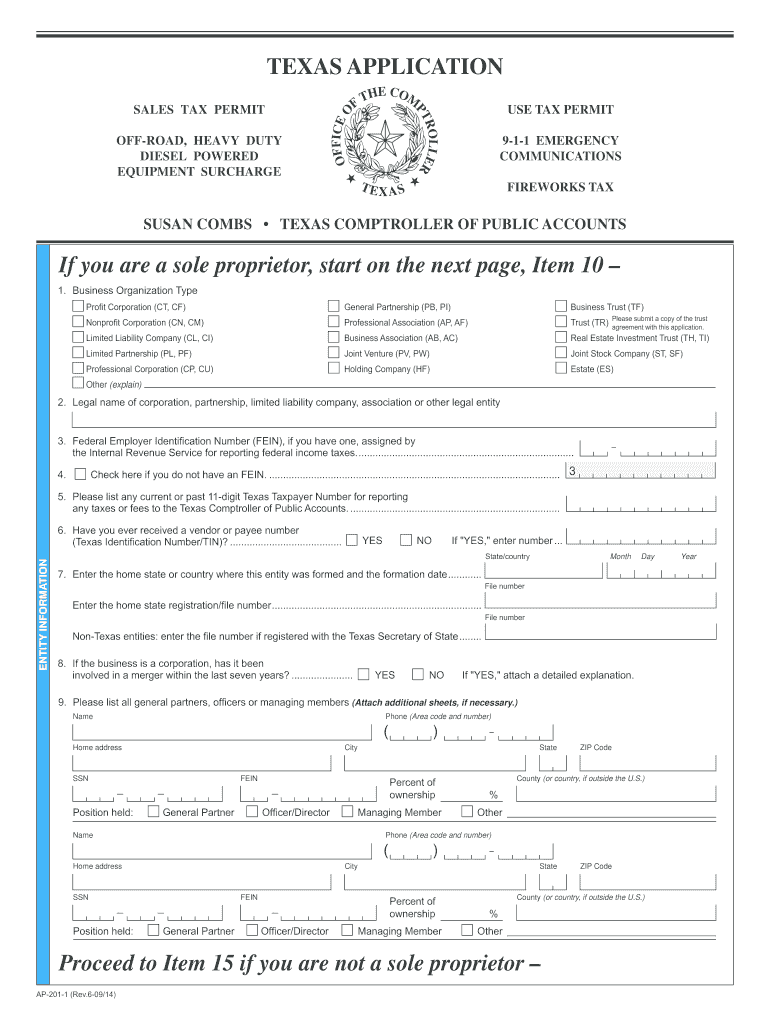
Beyond the federal EIN, Texas also utilizes state-specific tax identification mechanisms, primarily managed by the Texas Comptroller of Public Accounts. These are often related to state taxes such as sales tax, franchise tax, and unemployment tax.
The Employer Identification Number (EIN)
The EIN is the cornerstone of business tax identification in the United States and, by extension, in Texas. It functions much like a Social Security Number for individuals, but for businesses. It is used for a variety of critical business functions:
- Filing Federal Taxes: The IRS uses your EIN to track your business’s tax obligations and returns.
- Opening Business Bank Accounts: Most banks require an EIN to open a business checking or savings account, distinguishing business finances from personal ones.
- Hiring Employees: If your business plans to hire employees, an EIN is mandatory for reporting payroll taxes to the federal government.
- Operating as a Corporation or Partnership: These business structures are legally required to have an EIN.
- Applying for Business Licenses and Permits: Many federal and state licenses and permits require an EIN for application.
- Establishing Business Credit: An EIN is often a prerequisite for building a business credit history, which can be vital for securing loans and other forms of financing.
Sole proprietors who do not have employees and are not operating as a corporation or partnership may not be required to obtain an EIN. In such cases, they might use their Social Security Number (SSN) for tax purposes. However, obtaining an EIN can still offer benefits, such as separating business and personal finances and enhancing the professional image of the business.
Texas State Tax Identification
In Texas, businesses may need to register with the Texas Comptroller of Public Accounts to obtain tax permits for specific state taxes. The most common of these is the Texas Sales and Use Tax Permit.
- Sales and Use Tax Permit: If your business sells tangible personal property or taxable services in Texas, you are generally required to obtain a sales and use tax permit. This permit allows you to collect sales tax from your customers and remit it to the state. It also allows you to purchase items for resale without paying sales tax.
- Franchise Tax: Businesses operating in Texas may also be subject to the Texas Franchise Tax, a tax on the privilege of doing business in Texas. Registration for franchise tax purposes is also handled through the Texas Comptroller of Public Accounts.
- Unemployment Tax: Businesses that employ workers in Texas are typically required to register for unemployment tax with the Texas Workforce Commission (TWC).
The specific state tax identification requirements will depend on the nature of your business activities, your business structure, and whether you have employees.
Applying for an Employer Identification Number (EIN)
The process for obtaining an EIN is managed by the Internal Revenue Service (IRS) and is generally straightforward and free of charge. There are three primary methods for applying for an EIN:
1. Online Application (Recommended)
The most efficient and recommended method for obtaining an EIN is through the IRS’s online application portal.
- Eligibility: This method is available to entities organized and operating within the United States or U.S. territories.
- Process:
- Visit the official IRS website. Be sure to use the official government site to avoid fraudulent third-party services.
- Navigate to the “Apply for an Employer Identification Number (EIN) Online” section.
- Click on the “Apply Online Now” button.
- You will be guided through a series of questions about your business, including its legal structure, name, address, responsible party, and the type of business activity.
- Ensure you have all necessary information readily available before starting the application. This includes details about the business entity, such as the legal name, DBA (Doing Business As) name if applicable, and the names and SSNs of responsible individuals.
- Once the application is complete and submitted, you will typically receive your EIN immediately. You can then download and print your confirmation letter.
- Key Considerations:
- The online application is only available during specific hours of operation, typically Monday through Friday, 7 AM to 10 PM Eastern Time.
- You must complete the application in one session; you cannot save your progress.
- The primary applicant (responsible party) must have a valid Taxpayer Identification Number (TIN), which can be an SSN, Individual Taxpayer Identification Number (ITIN), or another EIN.
2. Fax or Mail Application
While less common and significantly slower, you can also apply for an EIN by fax or mail.
- Process:
- Download the Form SS-4, Application for Employer Identification Number, from the IRS website.
- Complete the form accurately and thoroughly. All information must be legible.
- For Fax: Fax the completed Form SS-4 to the appropriate IRS fax number, which can be found on the IRS website or within the form instructions.
- For Mail: Mail the completed Form SS-4 to the IRS address specified in the form instructions.
- Processing Times: Applications submitted by fax or mail can take several weeks to process. This method is generally not recommended for businesses that need an EIN quickly.
3. Telephone Application (Limited Availability)
International applicants or those unable to apply online or by fax/mail can apply by telephone.
- Eligibility: This option is primarily for entities with a U.S. address or those located outside the United States.
- Process: Call the IRS toll-free number at 800-829-8747. Be prepared to answer all the questions from Form SS-4 over the phone.
- Considerations: This method requires careful preparation to ensure you can answer all questions accurately and promptly.

Registering for Texas State Taxes
Once you have secured your federal EIN, the next step for many businesses in Texas is to register for state tax purposes, primarily with the Texas Comptroller of Public Accounts.
Obtaining a Sales and Use Tax Permit
If your business will be selling taxable goods or services in Texas, you must obtain a Sales and Use Tax Permit.
- Eligibility: Businesses engaged in taxable sales, including retailers, wholesalers, manufacturers, and service providers, are generally required to have this permit.
- Process:
- Visit the Texas Comptroller of Public Accounts website.
- Navigate to the section for business registration or sales tax permits.
- You can typically register online through the Comptroller’s eSystems portal.
- You will need your federal EIN and other business information, such as your business name, address, business structure, and details about the owners.
- The registration process usually requires providing information about your business activities, including the types of goods or services you will be selling.
- Upon successful registration, you will be issued a Texas Sales and Use Tax Permit number.
- Key Information:
- There is no fee to obtain a Sales and Use Tax Permit.
- You will be required to file sales and use tax returns periodically (monthly, quarterly, or annually, depending on your sales volume) and remit the collected taxes to the state.
Franchise Tax Registration
Most businesses organized or doing business in Texas are subject to the Texas Franchise Tax. This is an annual tax based on the business’s taxable margin.
- Eligibility: This tax applies to corporations, limited liability companies (LLCs), partnerships, and professional limited liability companies (PLLCs) that are formed in Texas or are doing business in Texas. There are some exemptions for small businesses.
- Process:
- Registration for franchise tax is typically handled concurrently with other business registrations through the Texas Comptroller of Public Accounts.
- If you are forming a business entity in Texas, you will likely be prompted to register for franchise tax during the business formation process with the Texas Secretary of State.
- If you are an existing business, you will need to register with the Comptroller’s office.
- You will need your federal EIN and business information.
- Reporting: Even if your business qualifies for an exemption from paying the tax, you may still be required to file a “no tax due” report annually.
Unemployment Tax Registration
Businesses that hire employees in Texas must register with the Texas Workforce Commission (TWC) for unemployment taxes.
- Eligibility: Generally, any employer with one or more employees is required to register. There are specific rules regarding the definition of an employee and the types of work that may be exempt.
- Process:
- Visit the Texas Workforce Commission (TWC) website.
- Navigate to the employer services or tax registration section.
- You will typically need your federal EIN and detailed information about your business and its employees.
- Registration can usually be completed online.
- Responsibilities: Once registered, you will be responsible for paying state unemployment taxes and reporting quarterly wage information to the TWC.
Frequently Asked Questions About Tax IDs in Texas
Obtaining a Tax ID can bring about numerous questions. Here are some common inquiries that arise for businesses operating in Texas.
Q1: How much does it cost to get an EIN in Texas?
The Internal Revenue Service (IRS) provides EINs free of charge. Be wary of any website that charges a fee for obtaining a federal EIN. State tax registrations, such as the Sales and Use Tax Permit, are also generally free to obtain.
Q2: How long does it take to get an EIN?
If you apply online through the IRS website, you can typically receive your EIN immediately upon completion of the application. Applications submitted by fax or mail can take several weeks. For state registrations, the processing time can vary but is often completed within a few business days to a couple of weeks.
Q3: Can I get a Tax ID for my sole proprietorship in Texas?
If you are operating as a sole proprietor and do not have employees, you are generally not required to have an EIN and can use your Social Security Number (SSN) for tax purposes. However, you may choose to obtain an EIN for business purposes, such as opening a business bank account. If you hire employees, you will need an EIN.
Q4: What happens if I don’t have the correct Tax IDs?
Operating a business without the required Tax IDs can lead to significant penalties, including fines, interest charges, and potential legal repercussions. It can also hinder your ability to conduct legitimate business activities, such as opening bank accounts, securing loans, or contracting with other businesses. Ensuring compliance from the outset is crucial for sustainable business growth.
Q5: Do I need separate Tax IDs for different business locations in Texas?
Generally, a single EIN is sufficient for a business entity, regardless of how many locations it operates within Texas or across the United States. However, you may need to register for state-specific permits, such as a Sales and Use Tax Permit, for each physical location where you conduct taxable sales, depending on state regulations.

Conclusion
Securing the appropriate Tax IDs is a critical, non-negotiable step for any business establishing or expanding its presence in Texas. From the foundational federal EIN obtained through the Internal Revenue Service (IRS) to the state-specific registrations for sales tax, franchise tax, and unemployment tax managed by agencies like the Texas Comptroller of Public Accounts and the Texas Workforce Commission (TWC), each identification number plays a vital role in legal operation and financial management. By understanding the purpose of each Tax ID and diligently following the application processes, businesses can lay a solid foundation for compliance, operational efficiency, and future growth within the vibrant Texas economy.
LifeOutOfTheBox is a participant in the Amazon Services LLC Associates Program, an affiliate advertising program designed to provide a means for sites to earn advertising fees by advertising and linking to Amazon.com. Amazon, the Amazon logo, AmazonSupply, and the AmazonSupply logo are trademarks of Amazon.com, Inc. or its affiliates. As an Amazon Associate we earn affiliate commissions from qualifying purchases.