
The Texas Two Step is more than just a dance; it’s a quintessential Texas experience, a vibrant expression of local culture that can be enjoyed in dance halls, at festivals, and even at weddings across the Lone Star State. This lively partner dance, characterized by its distinctive rhythm and flowing movements, offers a fantastic way to immerse yourself in the heart of Texan traditions. Whether you’re a seasoned dancer or a complete novice looking to add a unique skill to your repertoire, understanding the basics of the Two Step will unlock a world of fun and social interaction. This guide will break down the fundamental steps, offer tips for leading and following, and provide insights into the etiquette and spirit of this beloved dance.
The Essence of the Texas Two Step
At its core, the Texas Two Step is a country dance that evolved from various influences, including the polka, the waltz, and earlier forms of American folk dances. Its name hints at its foundational rhythm: a quick-quick, slow-slow pattern. However, the beauty of the Two Step lies not just in its steps but in its adaptability and the connection it fosters between partners. It’s a dance that encourages improvisation and personal flair, making each rendition unique.
Understanding the Basic Rhythm and Footwork
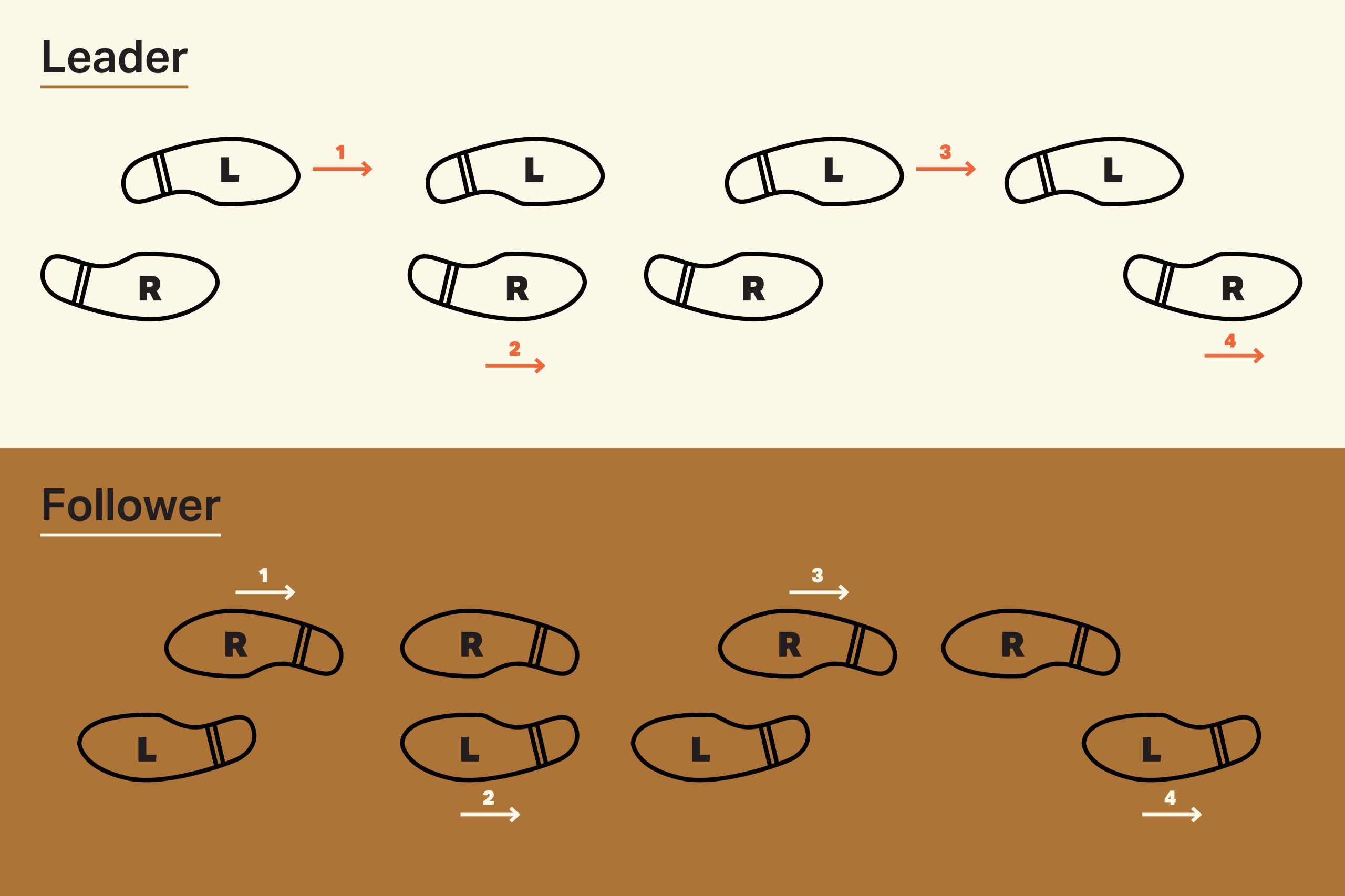
The foundation of the Texas Two Step is its distinctive 4/4 time signature, often felt as a “1-2, 3-4” count. However, the dance’s characteristic “quick-quick, slow-slow” phrasing is key. Let’s break this down for both the leader and the follower, assuming a standard basic pattern.
For the Leader: The Foundation
The leader initiates the movements, guiding the follower through the dance. The most common starting position is facing your partner, with a gentle frame established – your left hand holding the follower’s right hand, and your right hand placed gently on the follower’s back.
- Step 1 (Quick): Step forward with your left foot.
- Step 2 (Quick): Bring your right foot to meet your left foot, completing a closed position. This is often called a “close” or “tap.”
- Step 3 (Slow): Step sideways to your left with your left foot.
- Step 4 (Slow): Bring your right foot to meet your left foot, completing another closed position.
This sequence (forward, together, side, together) forms the fundamental “box” step or “two-step” pattern.
For the Follower: Responding to the Lead
The follower mirrors the leader’s movements, responding to the lead’s directional cues.
- Step 1 (Quick): Step backward with your right foot.
- Step 2 (Quick): Bring your left foot to meet your right foot.
- Step 3 (Slow): Step sideways to your right with your right foot.
- Step 4 (Slow): Bring your left foot to meet your right foot.
Notice how the follower’s steps are essentially a mirror image of the leader’s. This synchronized mirroring is crucial for a smooth and connected dance.
Variations and Embellishments
While the basic “box” step is the starting point, the Texas Two Step is rich with variations. Once you’re comfortable with the fundamental pattern, you can begin to explore:
- Forward and Back: Instead of a sideways step, the leader steps forward, then the follower steps back, followed by the “together” steps. This creates a more linear movement.
- Turns: Both leaders and followers can incorporate turns. Common turns include a basic right turn for the follower, initiated by the leader’s hand and body motion.
- Sway: A subtle side-to-side sway can be added to the “slow” steps, giving the dance a more fluid and dynamic feel.
- Travel: The basic pattern can be adapted to travel across the dance floor, moving forward or backward in a more continuous fashion.
The key to incorporating these variations is to maintain the “quick-quick, slow-slow” rhythm and to ensure clear communication between partners.
Mastering the Lead and Follow Connection
The success of any partner dance hinges on the seamless interplay between the leader and the follower. In the Texas Two Step, this connection is built on trust, clear communication, and sensitivity to each other’s movements.
The Leader’s Role: Clarity and Confidence
- Frame: Maintain a consistent and comfortable frame. Avoid being too stiff or too floppy. Your arms and body should provide a clear signal for direction and movement.
- Initiation: Begin steps with a subtle shift in weight and body motion. Don’t force the follower; encourage them.
- Rhythm: Your rhythm dictates the tempo for both partners. Be mindful of the music and maintain a steady beat.
- Direction: Your body and the pressure in your hands should clearly indicate whether you’re stepping forward, backward, or sideways.
- Anticipation: Try to anticipate the follower’s response and adjust your movements accordingly. This comes with practice.
The Follower’s Role: Responsiveness and Receptivity
- Listening: “Listen” to the lead through your partner’s body and hands. Be attentive to subtle cues.
- Posture: Maintain good posture, which helps in receiving the lead effectively.
- Weight Transfer: Execute your steps with clear weight transfers, allowing the leader to guide your movement.
- Trust: Trust your partner to lead you safely and smoothly through the dance. Avoid anticipating or forcing steps.
- Footwork: Focus on executing your basic steps accurately. As you gain confidence, you can become more responsive to embellishments.
The more you dance with different partners, the more you’ll develop an intuitive understanding of this lead-follow dynamic.
Finding Your Rhythm: Where to Learn and Practice
The best way to learn the Texas Two Step is by doing it! Fortunately, Texas offers numerous opportunities for aspiring dancers to hone their skills.
Dance Halls and Honky Tonks
Iconic Texas institutions like the Gruene Hall in Gruene, the Stockyards Saloon in Fort Worth, and the Broken Spoke in Austin are vibrant hubs for country dancing. Many of these venues offer beginner dance lessons before the live music starts, making them perfect places to get your first taste of the Two Step. Even if you don’t take a formal lesson, observing experienced dancers and jumping in on the dance floor is a fantastic learning experience.
Dance Studios and Classes
For a more structured approach, many cities across Texas have dedicated dance studios offering country and western dance classes. These classes often break down the steps systematically and provide personalized feedback. Look for studios that specialize in Western Swing or country partner dances.
Social Events and Festivals
Keep an eye out for local events, county fairs, and music festivals throughout Texas. These often feature live country bands and provide ample opportunities to practice your newfound skills in a relaxed, festive atmosphere. It’s a great way to experience the community spirit that surrounds the Texas Two Step.
Etiquette and Spirit of the Dance
Beyond the steps themselves, understanding the unwritten rules and the spirit of the Texas Two Step will enhance your enjoyment and foster positive interactions on the dance floor.
Asking for a Dance
In many dance halls, it’s customary to ask someone to dance, and it’s equally polite to accept. A simple “Would you like to dance?” is all that’s needed. If you’re a follower, you can also signal interest by standing near the edge of the dance floor or by catching a leader’s eye.
Dance Floor Awareness
- Respect the Flow: Be mindful of other dancers. Avoid cutting across lines of dance or blocking others. The general flow is counter-clockwise.
- Manage Your Space: Be aware of your surroundings and your partner’s space. Avoid bumping into other couples.
- Breaks: If you need a break or want to change partners, do so gracefully without disrupting the dance for others.

Attitude and Enjoyment
The Texas Two Step is about fun, connection, and community. Whether you’re a beginner or an advanced dancer, approach each dance with a positive attitude. Don’t be afraid to make mistakes; everyone starts somewhere. Embrace the social aspect, chat with your partner, and enjoy the music and the movement. The true essence of the Two Step lies in its ability to bring people together and create joyful memories on the dance floor.
LifeOutOfTheBox is a participant in the Amazon Services LLC Associates Program, an affiliate advertising program designed to provide a means for sites to earn advertising fees by advertising and linking to Amazon.com. Amazon, the Amazon logo, AmazonSupply, and the AmazonSupply logo are trademarks of Amazon.com, Inc. or its affiliates. As an Amazon Associate we earn affiliate commissions from qualifying purchases.