
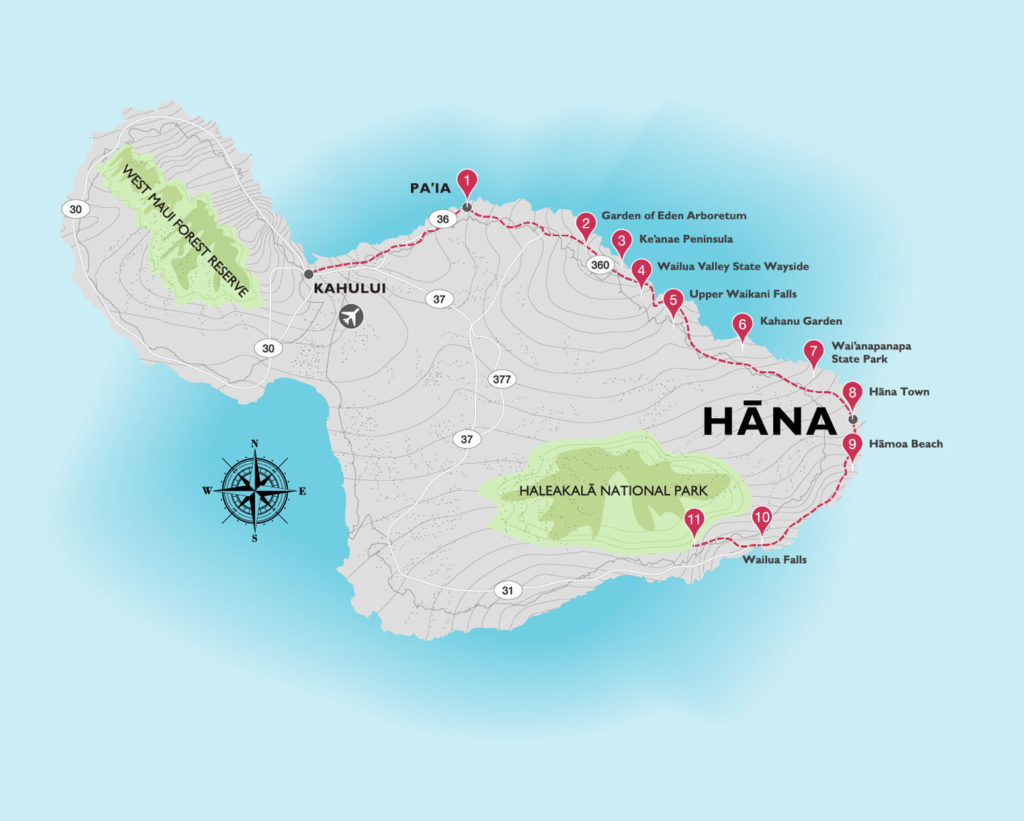
Hana is a small, isolated community located on the easternmost tip of the island of Maui in the state of Hawaii. Situated within the United_States, this remote village is often described as one of the last remaining frontiers of “Old Hawaii,” a place where the modern pace of life yields to the rhythms of nature and traditional culture. Geographically, it is positioned where the rugged volcanic slopes of Mount Haleakalā meet the deep blue expanse of the Pacific Ocean. While many visitors reach the island through the bustling Kahului Airport, Hana feels worlds away, separated from the commercial hubs of Central Maui and West Maui by a legendary stretch of coastline.
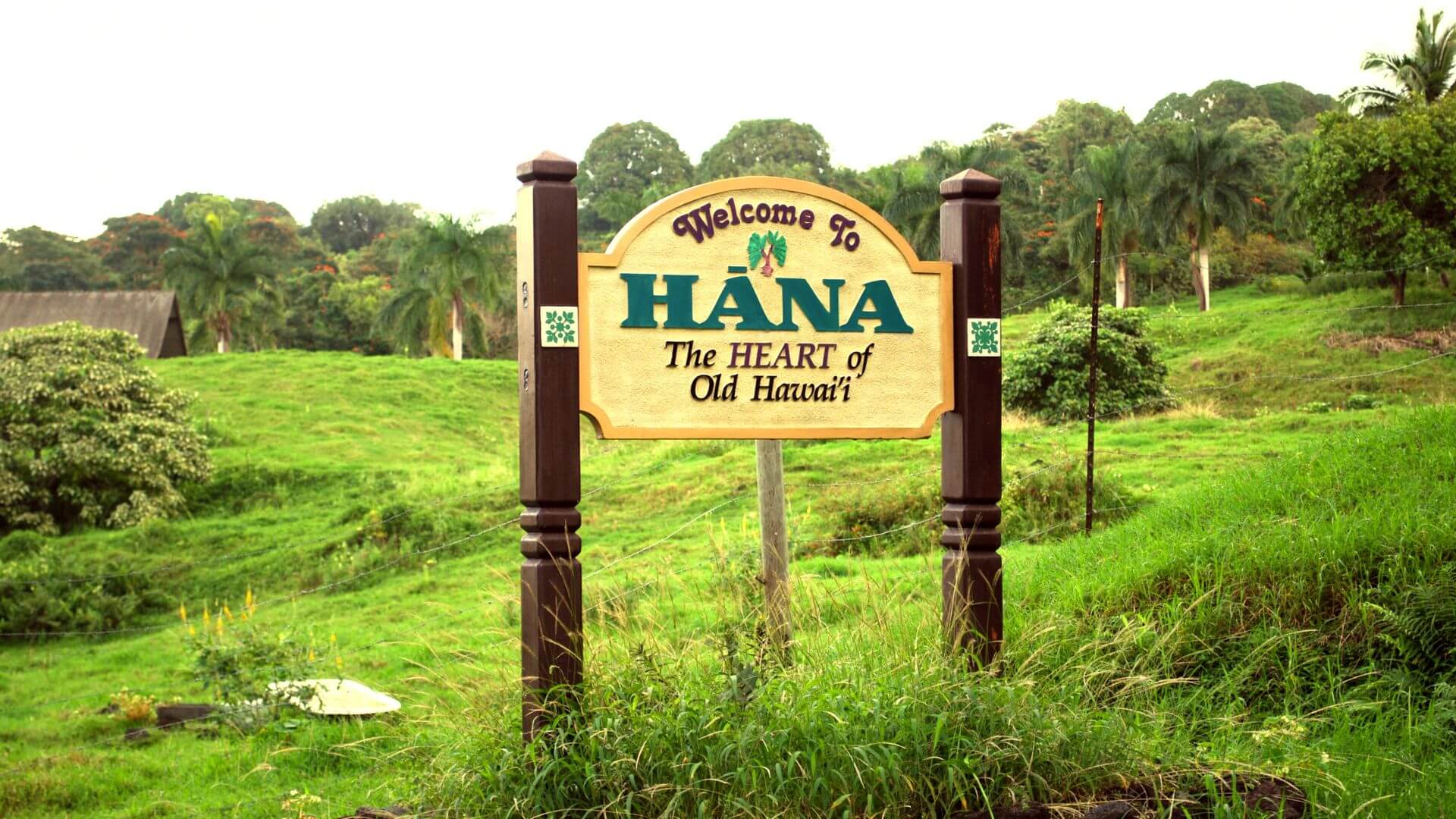
The Geographical Heart of East Maui
To understand where Hana is, one must first understand the unique topography of Maui. The island is formed by two shield volcanoes that have merged over millennia. Hana sits on the “windward” side of the larger eastern volcano. Because it faces the prevailing trade winds, this region receives significant rainfall, transforming the landscape into a dense, vibrant tropical rainforest. This stands in stark contrast to the leeward sides of the island, which are often arid and sun-drenched.
A Remote Coastal Sanctuary
The town itself is a quiet enclave, but the name “Hana” often refers to the entire district that encompasses the winding coastline of East Maui. It is bordered by the vast Haleakalā National Park to the west and the ocean to the east. Its isolation is its most defining characteristic. For centuries, Hana was more easily accessible by sea than by land, which allowed the local community to preserve its cultural heritage and natural environment with minimal outside influence. Even today, the geographic barriers provided by the steep cliffs and deep valleys of the Ko’olau Forest Reserve keep the area serene and relatively underdeveloped.
The Volcanic Foundations of the Region
The geology of the area is a testament to the power of volcanic activity. The coastline near Hana is characterized by dramatic basalt cliffs, hidden sea caves, and unique beaches formed by the erosion of lava flows. Unlike the white coral sands found in other parts of the world, many of the beaches here feature dark, volcanic sands or pebbles. The proximity to Mount Haleakalā means that the town is built upon layers of ancient lava, and the surrounding fertile soil supports an incredible variety of endemic flora and fauna that can be found nowhere else on the planet.
Journeying Along the Hana Highway
The answer to “Where is Hana?” is inextricably linked to how one gets there. The Hana Highway, also known as the Road to Hana, is the primary artery connecting the rest of the island to this remote eastern point. It is not merely a means of transportation but a world-famous travel experience in its own right.
The Portal to the Rainforest: Paia and Haiku
The journey typically begins in the town of Paia, a colorful surf town on the northern shore. As travelers leave Paia and pass through Haiku, the landscape undergoes a dramatic transformation. The dry grasslands give way to towering eucalyptus trees, giant ferns, and tangled vines. This transition zone marks the beginning of the windward rainforest, signaling that the traveler has entered the gateway to East Maui. Along this initial stretch, stops like Ho’okipa Beach Park offer a final look at the powerful swells of the north shore before the road dives into the canopy.
Navigating the 620 Curves and 59 Bridges
The Road to Hana is legendary for its complexity. Stretching approximately 64 miles from Kahului, the road features 620 hairpin turns and 59 bridges, 46 of which are only one lane wide. This infrastructure was largely developed in the early 20th century, replacing ancient footpaths used by Hawaiian royalty and commoners. Driving this route requires patience and focus, as the road hugs the edges of sheer cliffs overlooking the Pacific Ocean. The slow pace is intentional; it forces travelers to slow down and appreciate the cascading waterfalls and lush vistas that appear around every bend.
Significant Landmarks and Natural Stops
The region surrounding Hana is punctuated by landmarks that define the natural beauty of Hawaii. Each stop along the eastern coast offers a different perspective on the island’s ecological diversity and historical narrative.
The Keanae Peninsula and Maui’s Volcanic Past

Roughly halfway to the town lies the Keanae Peninsula, a low-lying finger of lava that jutted into the sea during a secondary eruption of Mount Haleakalā. This area is a significant cultural site, home to traditional taro patches and an old stone church that survived the devastating tsunami of 1946. Standing on the jagged rocks of the peninsula, visitors can witness the raw power of the ocean as massive waves crash against the black lava, a stark reminder of the forces that shaped the island.
The Emerald Canopy of the Garden of Eden Arboretum
For those looking to see the botanical richness of the area, the Garden of Eden Arboretum provides a curated look at both native and exotic tropical plants. Located at mile marker 10, this park offers panoramic views of the Puohokamoa Falls. It serves as an educational resource, showcasing the “Canoe Plants” brought to the islands by the original Polynesian voyagers, such as breadfruit and ginger, which remain vital to the local culture.
The Ethereal Sands of Waiʻanapanapa State Park
Just before reaching the town center, travelers encounter Waiʻanapanapa State Park. This park is famous for the Honokalani Black Sand Beach, where the “sand” is actually composed of small, smooth lava pebbles. The contrast between the jet-black shore, the emerald-green foliage, and the bright white sea foam is one of the most photographed sights in the state. The park also contains freshwater caves, ancient burial sites, and a portion of the Pi’ilani Trail, an old coastal path used by the island’s early inhabitants.
The Destination: Hana Town and Surrounding Beaches
Upon finally arriving in Hana town, the atmosphere shifts from the adrenaline of the drive to a profound sense of tranquility. The town is small, with no traffic lights and only a handful of local businesses. It is a place where community ties are strong and the connection to the land is paramount.
A Glimpse into Old Hawaii
The town is anchored by Hana Bay, a sheltered harbor that was once a major shipping point for the sugar cane industry. Today, it is a hub for local outrigger canoe clubs and family gatherings. Nearby, visitors can explore the Hana Cultural Center, which houses artifacts and stories from the region’s history. The landscape is dominated by the Ka’uiki Head, a cinder cone that guards the bay and is the birthplace of Queen Ka’ahumanu, one of the most influential figures in Hawaiian history.
The Splendor of Hamoa Beach and Koki Beach
Just south of the town center lie two of the most beautiful beaches in the United States. Hamoa Beach is a crescent-shaped bay known for its “salt and pepper” sand and excellent bodysurfing conditions. Author James Michener famously called it the most beautiful beach in the Pacific Ocean. Nearby, Koki Beach offers views of the Alau Island bird sanctuary and is backed by soaring red cliffs. These beaches are not just recreational spots; they are integral parts of the Hana lifestyle, where the ocean provides both sustenance and spiritual connection.
Beyond the Town: The Kipahulu District and Haleakalā National Park
The journey does not truly end in the town of Hana. Many travelers continue another ten miles south to the Kipahulu district, which is part of the larger Haleakalā National Park. This area is managed by the National Park Service and protects some of the most pristine ecosystems in the islands.
The Sacred Waters of Ohe’o Gulch
At the heart of Kipahulu is the Ohe’o Gulch, often referred to as the Seven Sacred Pools. Here, a series of tiered waterfalls spill into circular pools carved out of the lava rock, eventually flowing out into the sea. While the name “Seven Sacred Pools” was a marketing invention from the 1940s, the area has been sacred to native Hawaiians for generations. The sounds of the rushing water and the sight of the Pacific crashing into the mouth of the gulch create a powerful sensory experience.
The Pipiwai Trail and Waimoku Falls
For those who wish to explore deeper into the forest, the Pipiwai Trail is one of the premier hiking experiences in Hawaii. The four-mile round-trip trek leads hikers through an enormous, creaking bamboo forest where the stalks grow so thick they block out much of the sunlight. The trail culminates at the base of Waimoku Falls, a spectacular 400-foot waterfall that plunges down a sheer rock face. This area is also the final resting place of the famous aviator Charles Lindbergh, who chose to be buried at the Palapala Ho’omau Church because of his deep love for the peace and isolation of the Hana coast.
Hana is more than just a coordinate on a map; it is a destination that demands presence and respect. Whether you are standing on the black sands of Honokalani Black Sand Beach or marveling at the heights of Waimoku Falls, you are experiencing the true essence of East Maui. It remains a place where the geography dictates the lifestyle, ensuring that the magic of the rainforest and the sea remains preserved for those willing to make the journey.
LifeOutOfTheBox is a participant in the Amazon Services LLC Associates Program, an affiliate advertising program designed to provide a means for sites to earn advertising fees by advertising and linking to Amazon.com. Amazon, the Amazon logo, AmazonSupply, and the AmazonSupply logo are trademarks of Amazon.com, Inc. or its affiliates. As an Amazon Associate we earn affiliate commissions from qualifying purchases.