
Establishing residency in California is a multifaceted process that extends beyond merely crossing state lines. For individuals and families planning a long-term stay, officially declaring residency is crucial for unlocking various state benefits, fulfilling legal obligations, and truly settling into life in the Golden State. This guide delves into the essential steps and considerations for those looking to make California their permanent home, ensuring a smooth transition into your new long-term accommodation.
Understanding California Residency
Before embarking on the declaration process, it’s vital to grasp what “residency” entails in California. Unlike a casual visit or extended vacation, residency implies an intent to remain indefinitely and establish your primary domicile within the state. This definition, however, can vary slightly depending on the specific purpose, such as taxation, vehicle registration, or in-state tuition.
What Constitutes Residency?
Generally, California considers you a resident if you are “present in California for other than a temporary or transitory purpose.” This broad statement is interpreted through a “facts and circumstances” test, where various factors collectively demonstrate your intent and physical presence. No single factor is decisive, but rather the cumulative weight of your actions. Key indicators include:
- Physical Presence: Spending significant time in the state.
- Intent: Demonstrating a desire to make California your home.
- Ties to the State: Establishing personal, professional, and financial connections.
- Severing Ties to Previous State: Reducing or eliminating connections to your former domicile.
It’s important to understand that California is one of the states with a relatively aggressive approach to establishing residency for tax purposes, often scrutinizing individuals with significant income or assets who attempt to claim non-resident status while maintaining ties to the state.
Residency for Different Purposes
The criteria for residency can differ based on the specific context:
- Tax Residency: The Franchise Tax Board (FTB) determines tax residency based on where you are domiciled and where you spend your time. This is critical for determining your state income tax obligations. Generally, if you are in California for more than nine months of the taxable year, you are presumed to be a resident for income tax purposes.
- Department of Motor Vehicles (DMV) Residency: For obtaining a California driver’s license or registering a vehicle, residency is established by living in the state and intending to make it your home. You typically have a limited period (e.g., 10 days for driver’s license, 20 days for vehicle registration) to switch over after moving.
- In-State Tuition Residency: For higher education, establishing residency for in-state tuition rates at institutions like the University of California (UC) or California State University (CSU) systems is typically more stringent. It usually requires at least one year of physical presence and intent to reside in California, along with financial independence or proof of support from a California resident. This often means demonstrating financial self-sufficiency and having no financial ties to your former state.
Understanding these distinctions is crucial as you navigate the declaration process, particularly if you are moving for specific reasons like attending college or starting a new job.
Key Steps to Establish Residency
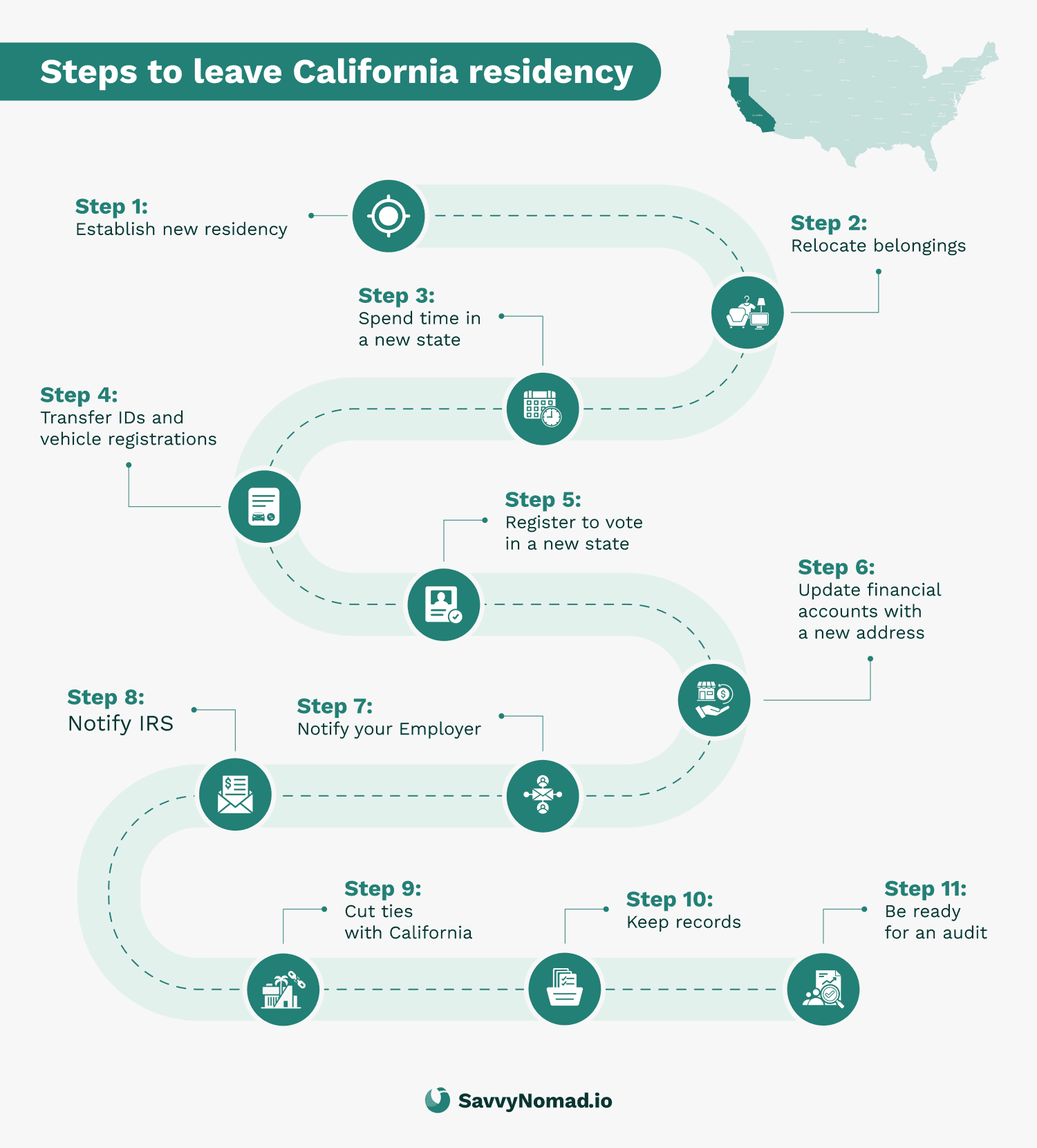
Successfully declaring residency in California involves a series of practical and administrative steps designed to solidify your ties to the state. These actions provide tangible proof of your intent to make California your permanent accommodation.
Securing a Permanent Address
Your primary residence is a foundational element in establishing residency. This isn’t just about having a place to stay; it’s about having a long-term, fixed address that serves as your domicile.
- Lease Agreement or Property Deed: Obtaining a long-term lease for an apartment, house, or purchasing property in California is one of the strongest indicators of intent. Ensure your name is on the lease or deed.
- Utility Bills: Once you have a physical address, transfer or establish utility services (electricity, gas, water, internet) in your name. These bills, mailed to your California address, serve as proof of residence.
- Mail Forwarding: Set up mail forwarding from your previous address to your new California address with the U.S. Postal Service. While not proof of residency itself, it helps ensure you receive important documents at your new home.
Obtaining a California Driver’s License or ID
One of the most critical steps in declaring residency is obtaining a California driver’s license or state identification card.
- Visit the DMV: Schedule an appointment at your local Department of Motor Vehicles office.
- Required Documents: You’ll need to provide proof of identity, proof of residency (e.g., utility bills, rental agreement), and your Social Security number. For a driver’s license, you’ll also need to pass a written knowledge test, vision test, and potentially a driving test.
- Timely Action: New residents are generally required to obtain a California driver’s license within 10 days of establishing residency. This is a clear demonstration of your commitment to the state.
Registering to Vote
Registering to vote in California is another direct way to assert your residency and civic engagement.
- Eligibility: You must be a U.S. citizen, a resident of California, at least 18 years old by Election Day, not currently serving a state or federal prison term for a felony, and not currently found mentally incompetent to vote by a court.
- How to Register: You can register online through the California Secretary of State‘s website, by mail, or in person at the DMV, post offices, or libraries. Your voter registration card, mailed to your California address, is excellent proof of residency.
Updating Vehicle Registration
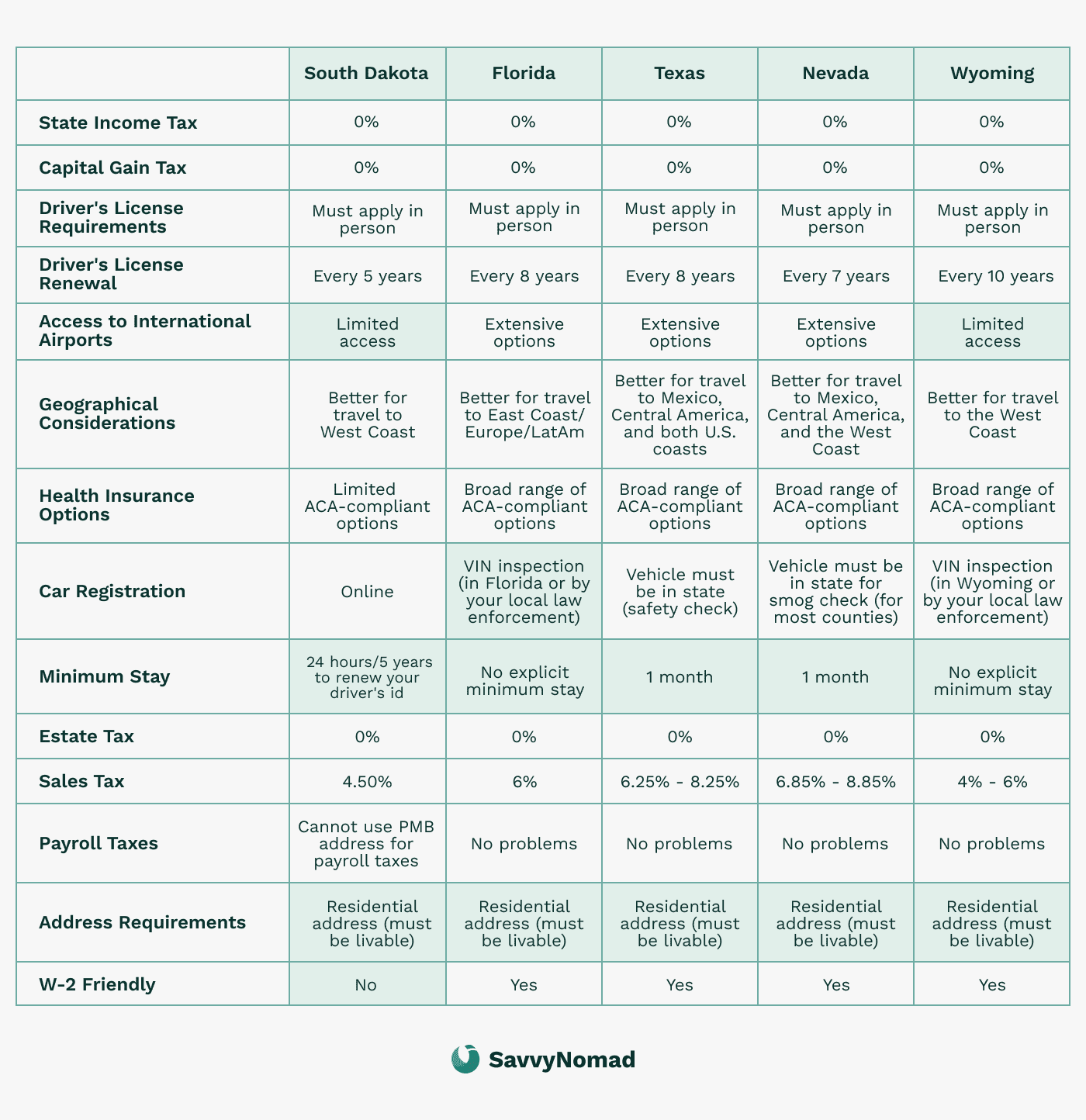
If you own a vehicle, you must register it in California within 20 days of establishing residency.
- DMV Process: This involves submitting an application for title and registration, paying applicable fees, and providing proof of insurance, your out-of-state title, and a smog certification.
- Smog Check: Most vehicles brought into California from other states require a smog inspection. This needs to be completed before you can complete your registration.
Financial and Legal Considerations
Beyond the immediate administrative steps, declaring residency in California has significant financial and legal implications that individuals planning a long-term stay must address.
Tax Implications
California has one of the highest state income tax rates in the nation, making tax residency a critical factor.
- State Income Tax: As a California resident, your worldwide income will be subject to California income tax, regardless of where it was earned.
- Franchise Tax Board (FTB): The FTB is the state agency responsible for collecting income tax. They provide detailed guidance on determining residency for tax purposes. It’s advisable to consult with a tax professional experienced in California tax law, especially if you have complex financial situations or frequent travel between states.
- Property Taxes: If you purchase property, you will be subject to California property taxes. Proposition 13 limits increases in assessed value but understanding the nuances is important for long-term financial planning.
Banking and Financial Accounts
Updating your financial records reflects your new domicile and is another strong indicator of residency.
- Bank Accounts: Update your address with your existing bank or open new accounts at a California institution.
- Credit Cards and Investment Accounts: Change your billing and mailing addresses for all credit cards, investment accounts, and other financial statements to your new California address.
- Estate Planning: Consider reviewing and updating your will, trusts, and other estate planning documents with a California attorney to ensure they comply with state law and reflect your new residency.
Professional Licenses and Registrations
If your profession requires a state license (e.g., healthcare, law, real estate, cosmetology), you’ll need to transfer or obtain a California license.
- State Boards: Contact the relevant California licensing board to understand their requirements for out-of-state professionals. This often involves submitting applications, transcripts, passing California-specific exams, or demonstrating reciprocity.
- Business Registration: If you own a business or are self-employed, you will need to register your business with the California Secretary of State and potentially obtain local business licenses in your city or county.
Beyond the Basics: Deeper Ties
True long-term accommodation involves integrating into the fabric of [California](https://lifeoutofthebox.com/california] life. Beyond the necessary administrative tasks, establishing deeper personal, social, and professional ties further cements your status as a California resident.
Employment and Business Ties
- Employment in California: Working for a California employer and receiving paychecks from a California-based entity is a strong indicator of residency.
- Business Ownership: Operating a business physically located in California further demonstrates your economic ties to the state.
- Professional Memberships: Joining California-based professional organizations or trade associations shows your commitment to your career within the state.
Healthcare and Education
- Healthcare Providers: Establish relationships with California doctors, dentists, and other healthcare providers. Update your health insurance to a California-based plan or ensure your existing plan covers you fully in the state.
- School Enrollment: If you have children, enrolling them in California public or private schools is another clear sign of establishing long-term roots. For college students, the path to in-state tuition requires careful planning, typically a full year of physical residency, financial independence, and severing ties with the former state.
Severing Ties with Previous State
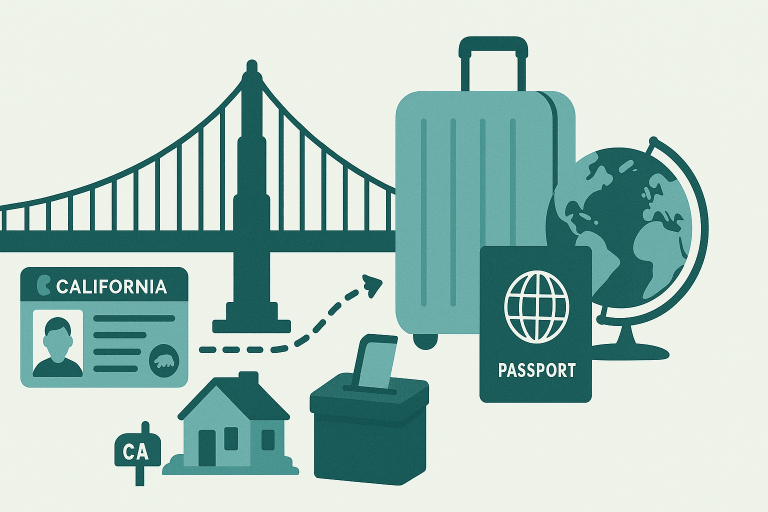
Equally important to establishing ties in California is actively severing ties with your former state of residence. This includes:
- Canceling Old Registrations: Surrender your old driver’s license and cancel your vehicle registration in your previous state.
- Closing Bank Accounts: While not always necessary, closing accounts at banks where you no longer have a presence can be a strong indicator of your intent to abandon your previous domicile.
- Changing Mailing Addresses: Update your mailing address for all subscriptions, memberships, and personal correspondence.
- No Longer Voting in Former State: Ensure you are no longer registered to vote or participating in elections in your previous state.
Declaring residency in California is a deliberate and continuous process that confirms your commitment to a long-term stay. By meticulously addressing these administrative, financial, and personal aspects, you solidify your status as a genuine California resident, unlocking all the opportunities and responsibilities that come with making the Golden State your permanent home.
LifeOutOfTheBox is a participant in the Amazon Services LLC Associates Program, an affiliate advertising program designed to provide a means for sites to earn advertising fees by advertising and linking to Amazon.com. Amazon, the Amazon logo, AmazonSupply, and the AmazonSupply logo are trademarks of Amazon.com, Inc. or its affiliates. As an Amazon Associate we earn affiliate commissions from qualifying purchases.