
Embracing a Philanthropic Lifestyle: Why Donate Your Car?
Choosing to donate a vehicle in California is more than just a transaction; it’s a conscious lifestyle decision that reflects personal values, commitment to community, and smart resource management. For many, a car represents freedom and utility, but there comes a point when maintaining an older vehicle, or one that no longer fits a current lifestyle, becomes a burden. Instead of the complexities of selling, trading, or junking, donation offers a streamlined path that aligns with a philanthropic outlook and often provides significant personal benefits, including potential tax advantages.
This choice is particularly pertinent in a state like California, known for its innovative spirit and strong sense of social responsibility. Donating your car can free up valuable space, eliminate ongoing insurance and maintenance costs, and provide a sense of fulfillment knowing your asset is now contributing to a greater good. It’s a move that supports local and national charities, helping them fund crucial programs that impact countless lives, from providing transportation for the elderly to supporting educational initiatives or environmental causes. This decision to give back is a powerful statement about the kind of lifestyle one chooses to cultivate – one rooted in generosity and community engagement.
The Environmental and Social Impact
Part of a responsible lifestyle often includes considering one’s environmental footprint. Donating an older, less fuel-efficient vehicle can subtly align with eco-conscious principles. While the car may still be on the road for a time, its proceeds directly support organizations often working towards sustainable solutions or community betterment. Beyond the environmental aspect, the social impact is profound. Charities utilize donated vehicles in various ways: some sell them to fund programs, others repair them for direct use in their services, such as delivering meals or transporting beneficiaries. Imagine your old sedan providing critical mobility for a senior citizen in San Diego or your SUV helping a relief effort in a rural California community. This direct link to tangible social benefits enriches the donor’s lifestyle with purpose.
Simplifying Your Life
For those embracing a minimalist or clutter-free lifestyle, donating a car can be a liberating experience. The mental and physical burden of owning a vehicle that is unused, unreliable, or simply no longer needed can be substantial. Donating it removes the hassle of advertising, negotiating with potential buyers, or dealing with the logistics of scrap yards. It’s an efficient solution that allows you to reclaim space, simplify your finances by reducing recurring costs, and redirect your energy towards pursuits that better align with your current lifestyle goals, whether that’s travel, new hobbies, or deeper community involvement. In a fast-paced environment like California, simplifying such a significant asset can lead to a profound sense of ease and control.
Navigating the Donation Process: A Lifestyle Choice in Action
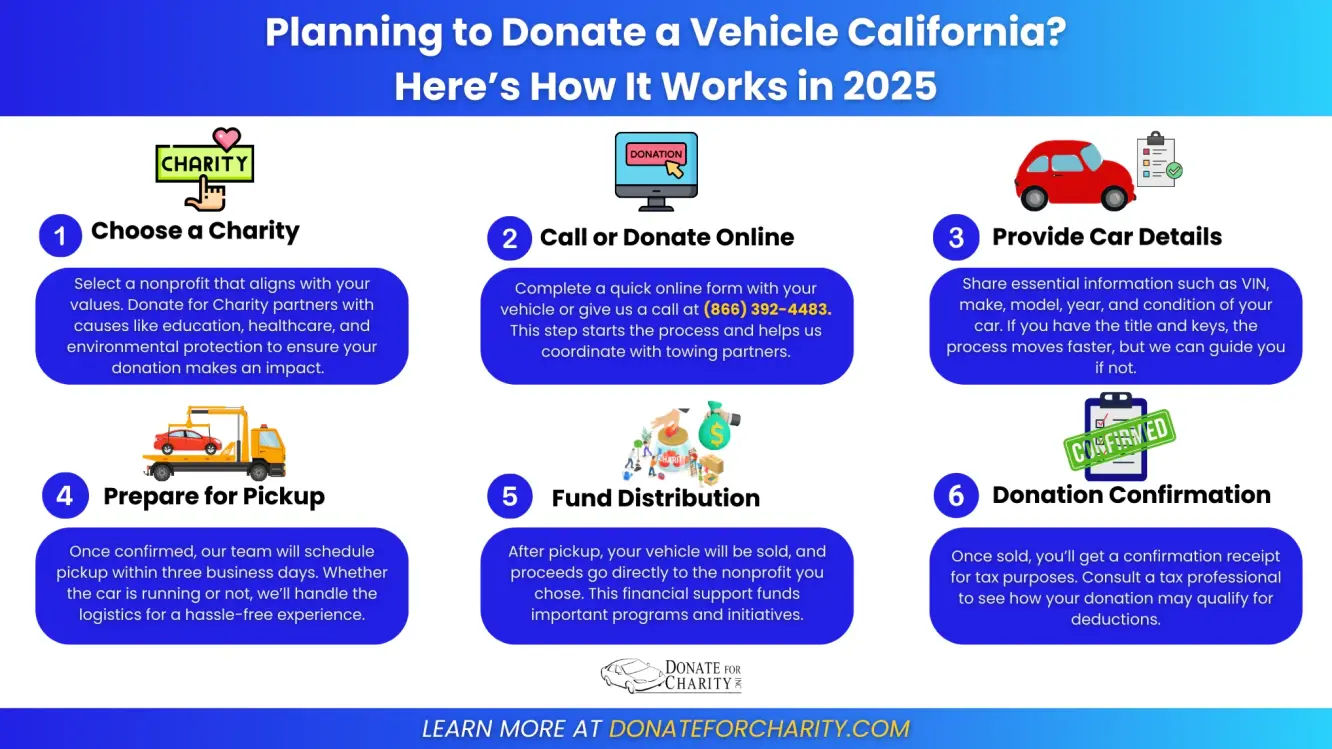
Donating a car in California is a relatively straightforward process designed to be convenient for the donor. However, making informed decisions throughout the process is key to ensuring your donation aligns with your philanthropic lifestyle goals and maximizes your personal benefits. This involves understanding your options and preparing the necessary documentation.
Choosing the Right Charity
The first step in this purposeful lifestyle choice is selecting a reputable charity. In California, a vast array of non-profit organizations accepts vehicle donations, from well-known national groups to smaller, local charities in cities like Los Angeles or San Francisco. Consider what causes resonate most with your personal values. Do you want to support environmental conservation, animal welfare, services for veterans, or perhaps educational programs for youth? Researching a charity’s mission and how they use donated vehicles is crucial. Many charities partner with third-party car donation services, which handle the logistics of pickup and sale, but it’s important to verify the charity’s legitimacy and how much of the proceeds actually go to the cause. Websites like Charity Navigator or the IRS’s EO Select Check tool can help confirm a charity’s 501(c)(3) status and financial transparency. This due diligence ensures your lifestyle choice is impactful and your generosity is directed effectively.
Understanding the Documentation
To ensure a smooth donation process and proper tax deduction, accurate documentation is vital. In California, the primary document required is the vehicle’s title (Certificate of Title). Ensure the title is clear of any liens and that your name appears exactly as it does on the title. You will need to sign the title over to the charity or its agent. Crucially, you must also notify the California Department of Motor Vehicles (DMV) of the transfer within five days of the donation. This is typically done by filling out a Notice of Transfer and Release of Liability (Form REG 138), which protects you from any liability for the vehicle after it leaves your possession, including parking tickets or accidents. Failing to complete this step can lead to significant headaches and is an important part of a responsible lifestyle when divesting an asset. The charity or its agent should provide you with a donation receipt, which is essential for tax purposes. Keep copies of all signed documents for your records.
The Pickup Process
Once you’ve selected a charity and prepared your documentation, the charity or its designated agent will arrange for a free pickup of your vehicle. This is one of the key conveniences that makes car donation an attractive lifestyle choice over selling. Pickup services are usually prompt and can accommodate various locations across California, from a driveway in Oakland to a parking lot in Sacramento. Before the tow truck arrives, remove all personal belongings from the vehicle. Ensure the title is signed and ready to hand over. The tow truck driver will often provide an initial receipt, with a formal tax receipt following in the mail, usually within 30 days. This hassle-free removal contributes to the simplified lifestyle that many donors seek, allowing them to move on quickly without logistical burdens.
Tax Implications and Your Financial Lifestyle
One of the significant incentives for donating a car in California is the potential tax deduction. Understanding these implications is crucial for managing your financial lifestyle effectively and maximizing the benefits of your philanthropic decision. The IRS has specific rules regarding vehicle donation deductions, which can sometimes be complex, so it’s advisable to consult with a tax professional.
Fair Market Value vs. Sales Price
The amount you can deduct largely depends on how the charity uses your vehicle.
If the charity sells the vehicle, your deduction is generally limited to the gross proceeds from the sale. For example, if your car sells for $2,500, your deduction is $2,500. The charity should provide you with IRS Form 1098-C, “Contributions of Motor Vehicles, Boats, and Airplanes,” if the gross proceeds are more than $500. This form will state the sale price and serve as your official receipt.
However, there are exceptions. If the charity uses the vehicle for its own mission (e.g., as a transport vehicle for clients, or for educational purposes), or if it makes significant material improvements to the vehicle before selling it, or if it sells the vehicle for a price significantly below fair market value to a needy individual, you may be able to deduct the vehicle’s fair market value (FMV). FMV is generally the price a willing buyer would pay a willing seller, neither being compelled to buy or sell, and both having reasonable knowledge of the relevant facts. Resources like Kelley Blue Book or NADA Guides can help determine FMV. If your deduction is over $5,000, you will likely need an independent appraisal. This careful distinction is vital for accurate tax reporting and a financially savvy lifestyle.
Itemizing Deductions
To claim a tax deduction for your car donation, you must itemize deductions on your federal income tax return (Form 1040, Schedule A). If you take the standard deduction, you cannot claim a deduction for your donated vehicle. It’s important to weigh whether itemizing or taking the standard deduction provides a greater tax benefit for your overall financial situation. For many individuals in California, particularly those with other substantial charitable contributions, medical expenses, or state and local taxes, itemizing might be advantageous. Always keep meticulous records of your donation, including the charity’s name, the date of donation, a description of the vehicle, and the written acknowledgment from the charity (Form 1098-C if applicable). Sound financial planning is a cornerstone of a well-managed lifestyle.
Beyond the Donation: A New Chapter in Your California Lifestyle
Once your car has been donated and the paperwork is complete, you’re not just lighter by one vehicle; you’ve potentially opened up a new chapter in your California lifestyle. This decision can catalyze new habits, foster greater financial flexibility, and deepen your connection to your community.
Exploring Car-Free Options in California
For some, donating a car might be the first step towards reducing reliance on personal vehicles. California’s major metropolitan areas, such as San Jose, Los Angeles, and San Francisco, offer increasingly robust public transportation networks, ride-sharing services, and even extensive bike lanes in places like Santa Monica. Embracing a car-free or car-light lifestyle can lead to unexpected benefits, including reduced stress from traffic, increased physical activity, and significant savings on fuel, insurance, maintenance, and parking. This shift can free up resources for other lifestyle enhancements, such as travel, educational pursuits, or investments in personal well-being. It’s a deliberate choice that redefines personal mobility and aligns with a desire for a more sustainable and less encumbered way of living.
The Joy of Giving
Ultimately, the most profound aspect of donating a car is the intangible reward of giving. Beyond any tax benefits or convenience, the knowledge that your once-useful asset is now a catalyst for positive change provides immense personal satisfaction. It’s an act of generosity that resonates deeply with a lifestyle focused on contribution and impact. Witnessing or even simply knowing that your donation helps a non-profit organization continue its vital work—whether it’s supporting vulnerable populations, protecting natural resources, or empowering communities across California—enriches your own life. This fulfillment reinforces the values that drive such decisions, marking car donation not just as a practical task, but as a meaningful step in living a truly fulfilling and purposeful lifestyle.
LifeOutOfTheBox is a participant in the Amazon Services LLC Associates Program, an affiliate advertising program designed to provide a means for sites to earn advertising fees by advertising and linking to Amazon.com. Amazon, the Amazon logo, AmazonSupply, and the AmazonSupply logo are trademarks of Amazon.com, Inc. or its affiliates. As an Amazon Associate we earn affiliate commissions from qualifying purchases.